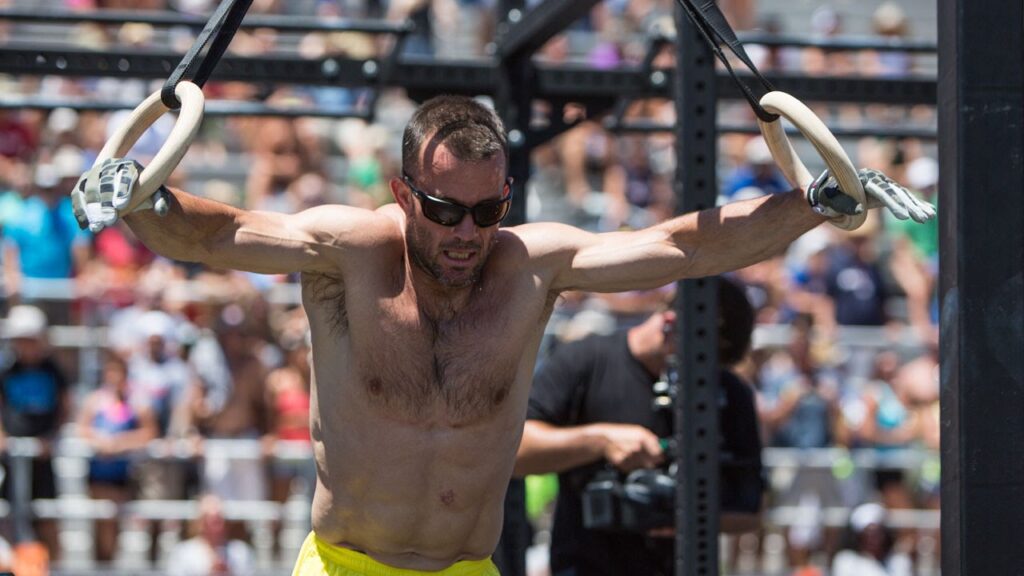
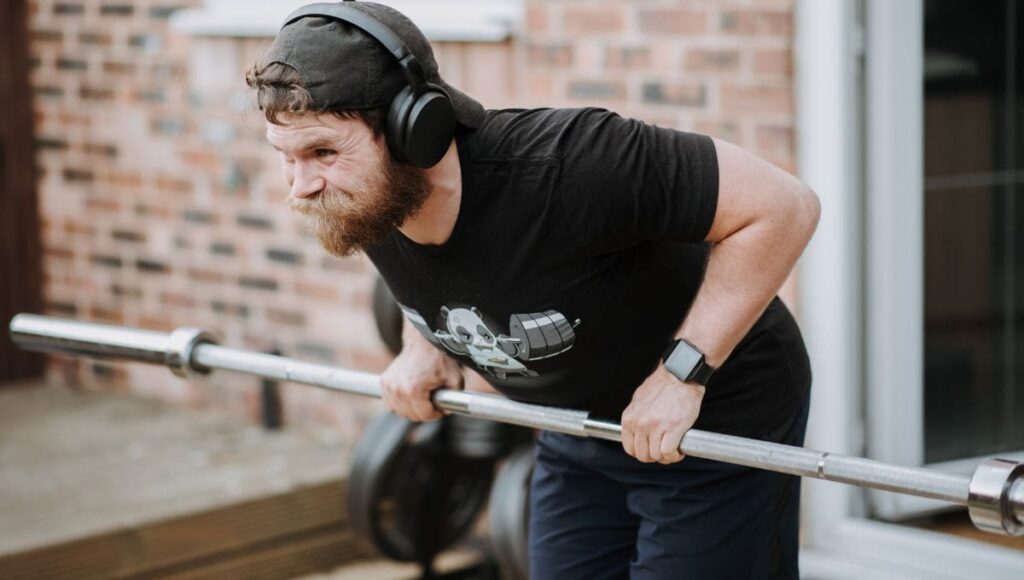
A well-defined lower chest not only contributes to a stronger, more aesthetic physique, but also supports shoulder stability and enhances pressing performance. The lower portion of the pectoralis major is notoriously difficult to isolate due to its anatomical structure. However, with targeted strategies, consistent training, and a well-informed understanding of exercise science, you can improve definition and development in this area.
This article offers ten evidence-based tips for sculpting a more defined lower chest, all backed by current scientific research.


Understanding Lower Chest Anatomy
Before diving into techniques, it’s crucial to understand the structure of the chest. The pectoralis major is the primary muscle group involved in chest training, comprising two main parts: the clavicular head (upper chest) and the sternal head (lower and mid-chest). Although you cannot fully isolate the lower chest due to overlapping muscle fibers, you can emphasize this region by manipulating angles, exercise selection, tempo, and volume.
Tip 1: Prioritize Decline Press Movements
Decline Bench Press and Its Variations
The decline bench press shifts mechanical tension toward the lower fibers of the pectoralis major due to the angle of pressing. Studies have demonstrated that altering bench angles significantly impacts regional muscle activation. For instance, a study by Barnett et al. (1995) showed that the decline bench press recruited the lower portion of the pectoralis major more effectively than both the flat and incline presses.
Use variations like the barbell decline bench press, dumbbell decline press, or the Smith machine decline press to stimulate different motor unit patterns and ensure progressive overload.
Tip 2: Incorporate Dips with Forward Lean

Chest Dips for Lower Pectoral Activation
Dips are often underestimated in lower chest development. By leaning forward during execution and flaring the elbows slightly outward, the movement shifts from triceps-dominant to chest-focused. According to a study by Lehman (2005), dips with a forward lean significantly increase EMG activity in the lower chest compared to a vertical torso dip.
Weighted dips offer progressive overload and can be incorporated as both a strength and hypertrophy tool.
Tip 3: Use Cable Crossovers from a High Pulley
Targeting the Sternal Fibers
Cable crossovers from a high pulley create tension throughout the movement’s range and allow for optimal fiber recruitment in the lower chest when performed with a downward sweeping motion. Electromyographic analyses (e.g., Paoli et al., 2010) confirm that the high-to-low cable crossover more effectively activates the lower chest compared to flat-bench fly movements.
Focus on a full range of motion and peak contraction to maximize hypertrophic stimulus.
Tip 4: Adjust Volume and Frequency
Balancing Intensity for Muscle Growth
To effectively stimulate muscle growth in any region, including the lower chest, managing training volume and frequency is essential. The American College of Sports Medicine (2009) recommends training each muscle group 2–3 times per week with 10–20 working sets. Overtraining can impair recovery and reduce performance, while undertraining may not provide adequate stimulus.
Include at least 2–3 exercises emphasizing the lower chest in your weekly training split and adjust based on recovery and performance.
Tip 5: Optimize Time Under Tension (TUT)
Controlled Tempo for Hypertrophy
Time under tension is critical for muscle development. Slowing down the eccentric phase and pausing during peak contraction increases metabolic stress and mechanical tension, both of which are key hypertrophy drivers (Schoenfeld, 2010). When performing decline presses or dips, aim for a tempo of 3:1:1:0 (eccentric:pause:concentric:pause).
This method enhances motor unit recruitment and improves neuromuscular efficiency over time.
Tip 6: Utilize Pre-Exhaustion Techniques
Isolation Before Compound Movements
Pre-exhaustion involves fatiguing a target muscle using an isolation exercise before performing a compound movement. This method allows the primary muscle (in this case, the lower chest) to reach fatigue earlier, reducing reliance on secondary muscles like triceps or deltoids. A study by Augustsson et al. (2003) supports that pre-exhaustion can increase perceived exertion and muscle activation in the targeted region.
Try performing high-to-low cable crossovers before decline pressing for amplified lower chest engagement.
Tip 7: Leverage Blood Flow Restriction (BFR) Training
Enhance Hypertrophy with Lighter Loads
Blood flow restriction training can promote muscle hypertrophy using lighter weights (20–30% 1RM) while still stimulating muscle growth. A study by Loenneke et al. (2012) showed BFR training to be effective in increasing muscle size and strength without the need for heavy loads, which can be beneficial during deload phases or for individuals recovering from injury.
Apply BFR cuffs to the upper arms and perform cable flys or push-ups with a slow tempo to emphasize the lower chest.
Tip 8: Don’t Neglect Overall Chest Development
Synergistic Growth Across Chest Regions
While targeted exercises are vital, balanced chest development ensures optimal aesthetics and performance. Training only the lower chest can lead to muscle imbalances. Including movements like incline presses and flat bench presses helps stimulate all regions of the pectoralis major.

A study by Saeterbakken et al. (2017) highlighted the importance of varied angles and loading strategies in stimulating complete chest activation.
Tip 9: Reduce Body Fat for Visible Definition
Nutrition and Energy Balance
No matter how developed your lower chest is, it won’t appear defined without a low enough body fat percentage. Visible muscle definition typically requires men to maintain body fat levels around 10–12% and women around 18–20%, though this can vary based on genetics and muscle distribution.
Maintaining a slight caloric deficit, combined with resistance training and cardio, promotes fat loss while preserving muscle mass. Studies such as those by Helms et al. (2014) suggest that high protein intake (2.3–3.1 g/kg of lean body mass) supports muscle retention during cutting phases.
Tip 10: Track Progress with Objective Metrics
Data-Driven Adjustments
Consistently tracking your training volume, intensity, recovery, and physique changes can help identify what works best for your body. Use tools like progress photos, strength logs, body composition scans, or even simple tape measurements to evaluate changes over time.
This method aligns with recommendations by Hackett et al. (2013), who found that visual assessment and consistent monitoring enhance adherence and training efficacy in physique athletes.
Bibliography
American College of Sports Medicine. (2009). Progression Models in Resistance Training for Healthy Adults. Medicine & Science in Sports & Exercise, 41(3), 687–708.
Augustsson, J., Esko, A., Thomee, R., & Svantesson, U. (2003). Weight training of the thigh muscles using closed vs. open kinetic chain exercises: a comparison of performance enhancement. Isokinetics and Exercise Science, 11(4), 239–244.
Barnett, C., Kippers, V., & Turner, P. (1995). Effects of variations of the bench press exercise on the EMG activity of five shoulder muscles. Journal of Strength and Conditioning Research, 9(4), 222–227.
Hackett, D., Johnson, N., Halaki, M., & Chow, C.-M. (2013). A novel scale to assess resistance-exercise effort. Journal of Sports Sciences, 31(14), 1596–1601.
Helms, E. R., Aragon, A. A., & Fitschen, P. J. (2014). Evidence-based recommendations for natural bodybuilding contest preparation: nutrition and supplementation. Journal of the International Society of Sports Nutrition, 11(20).
Lehman, G. J. (2005). Resistance training for performance and injury prevention in golf. Journal of the Canadian Chiropractic Association, 49(1), 26–42.
Loenneke, J. P., Wilson, J. M., Wilson, G. J., Pujol, T. J., & Bemben, M. G. (2012). Potential safety issues with blood flow restriction training. Scandinavian Journal of Medicine & Science in Sports, 22(5), 603–610.
Paoli, A., Marcolin, G., & Petrone, N. (2010). Influence of different bench press angles on the EMG activity of pectoralis major and triceps brachii. Journal of Strength and Conditioning Research, 24(12), 3369–3373.
Saeterbakken, A. H., Mo, D.-A., Scott, S., & Andersen, V. (2017). The Effects of Bench Press Variations in Competitive Athletes on Muscle Activity and Performance. Journal of Human Kinetics, 57(1), 61–72.
Schoenfeld, B. J. (2010). The mechanisms of muscle hypertrophy and their application to resistance training. Journal of Strength and Conditioning Research, 24(10), 2857–2872.