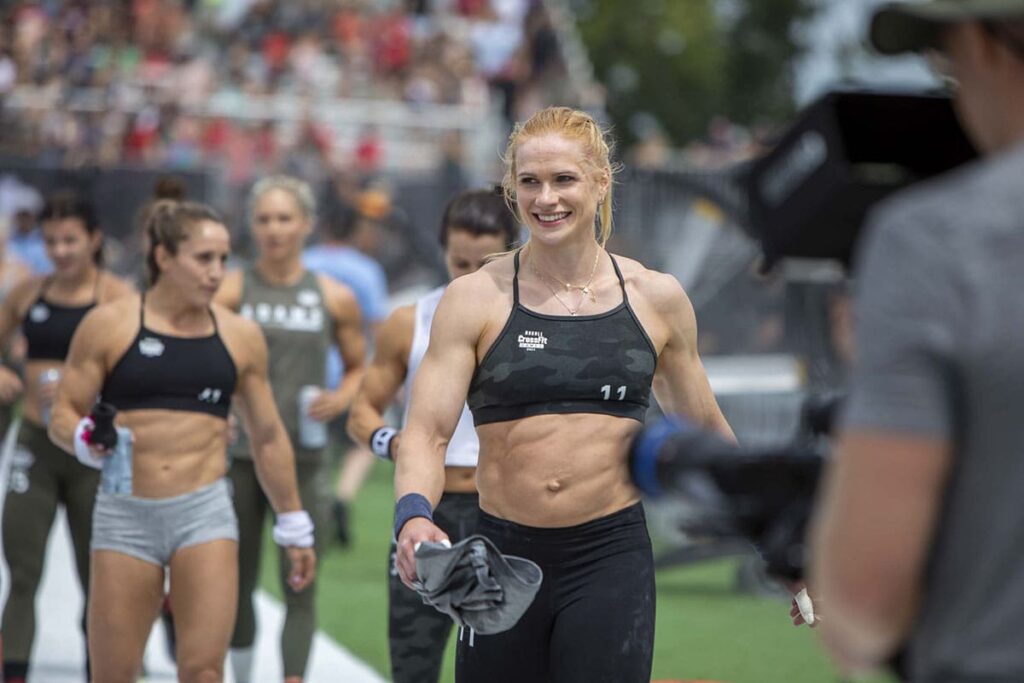
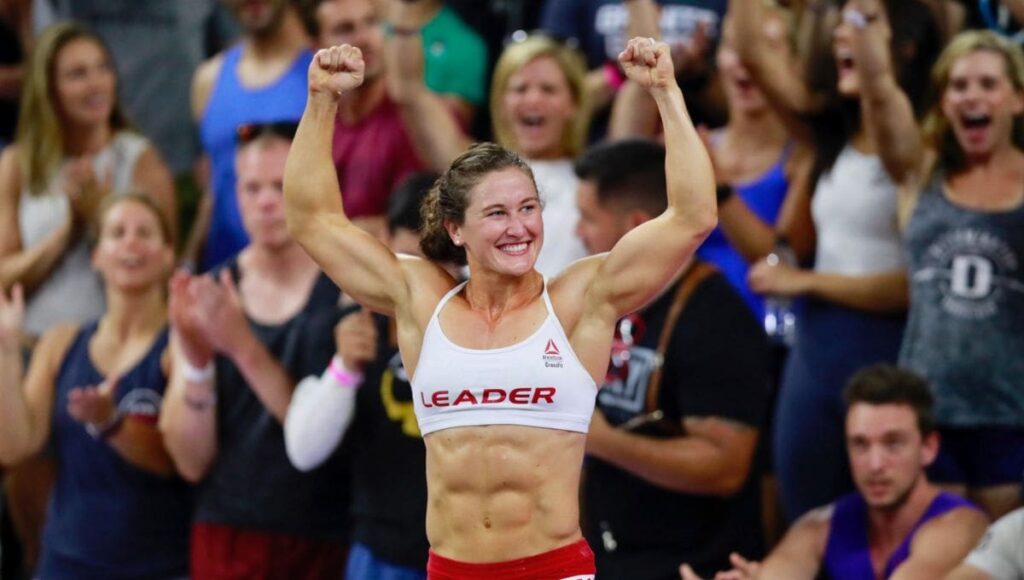
Building ripped and strong abs isn’t about performing endless crunches or following the latest gimmick. It requires a strategic approach rooted in physiology, nutrition, and progressive training. Visible, defined abdominal muscles are a reflection of low body fat, high muscular development, and functional strength.
In this article, we break down the three most important and scientifically supported secrets to achieving a shredded midsection that’s not just aesthetic—but strong, resilient, and performance-oriented.


Secret 1: Master Nutritional Discipline to Reveal Your Abs
[wpcode id=”229888″]Why Fat Loss, Not Ab Exercises, Is the Key
You can have strong, well-developed abdominal muscles and still not see them. That’s because abdominal visibility depends almost entirely on low body fat levels. Subcutaneous fat accumulation around the midsection can obscure even the most developed abs. Multiple studies have shown that site-specific fat loss, or “spot reduction,” is a myth. Targeting abdominal fat with ab exercises doesn’t work; total body fat must be reduced through an energy deficit (Katch et al., 1984).
Create a Sustainable Caloric Deficit
The foundation of fat loss is simple: consume fewer calories than you expend. This creates a caloric deficit, forcing the body to mobilize fat stores for energy. However, the approach must be sustainable. Research suggests that a moderate deficit of 10–25% below maintenance level preserves lean muscle mass while promoting fat loss (Pasiakos et al., 2013).
Crash dieting or extreme restriction can lead to muscle loss and metabolic slowdown. Instead, aim for a consistent, gradual fat loss of 0.5–1% of bodyweight per week. Tracking macronutrients, especially protein, is critical. Protein needs increase during fat loss phases to maintain lean tissue. Studies recommend 2.3–3.1 g of protein per kg of lean body mass during energy restriction for athletes (Helms et al., 2014).
Focus on Whole Foods and Nutrient Density

Caloric quality matters. Whole foods like lean meats, eggs, legumes, fibrous vegetables, fruits, and healthy fats support hormonal function, satiety, and recovery. Fiber intake of 25–30 g per day enhances digestion and appetite regulation (Slavin, 2005).
Avoid ultra-processed foods that are energy-dense and nutrient-poor. These often cause dysregulated hunger cues and excessive calorie consumption. A study published in Cell Metabolism confirmed that people consuming ultra-processed foods consumed significantly more calories and gained more weight than those consuming unprocessed foods—even when macronutrients were matched (Hall et al., 2019).
Manage Insulin and Blood Sugar for Fat Loss
While insulin isn’t inherently fattening, frequent spikes from high glycemic diets may impair fat oxidation. Emphasizing low-glycemic carbohydrates and prioritizing protein and fiber helps regulate insulin response, increasing fat burning potential and reducing hunger (Brand-Miller et al., 2003).
Secret 2: Train the Core for Strength, Not Just Aesthetics
Rethink Ab Training: Function Before Form
A strong core does more than just look good. It stabilizes the spine, protects against injury, and transfers force between the upper and lower body. Many athletes have exceptional core strength without defined abs—because functionality doesn’t always equal visibility. But when paired with a lean physique, developed core musculature creates the coveted six-pack look.

The rectus abdominis, obliques, transverse abdominis, and erector spinae all contribute to core strength. Traditional crunches largely target the rectus abdominis through spinal flexion. However, real-world core function includes anti-rotation, anti-extension, and bracing—movements often overlooked in isolation-based ab workouts.
Prioritize Compound and Anti-Movement Exercises
A growing body of evidence supports the use of compound lifts and anti-movement patterns for superior core engagement. Squats, deadlifts, overhead presses, and loaded carries recruit the core to stabilize under load. A study from the University of Waterloo demonstrated that exercises like planks, bird dogs, and stir-the-pot movements generated high abdominal muscle activation with minimal spinal load, reducing injury risk (McGill, 2009).
For maximal efficiency, core training should include:
- Anti-extension: Planks, ab rollouts
- Anti-rotation: Pallof press, single-arm carries
- Anti-lateral flexion: Suitcase carries, side planks
- Dynamic bracing: Deadlifts, squats, farmer’s walks
This strategy trains the abs in their primary role—stabilization—not just flexion. This approach also carries over to athletic performance, lifting, and daily function.
Train for Hypertrophy: Load the Abs
To achieve deep, visible ab definition, you must build the actual muscle tissue. Just like any other muscle, the abs respond to progressive overload. Using resistance—whether cable crunches, weighted leg raises, or decline sit-ups—stimulates hypertrophy in the rectus abdominis and obliques. A study in the Journal of Strength and Conditioning Research found that weighted core exercises elicited significantly higher EMG activation than bodyweight equivalents (Escamilla et al., 2010).
Train your abs with the same principles you apply to other muscles: moderate reps (8–15), progressive overload, rest between sets, and weekly frequency of 2–3 sessions. This promotes muscular growth and development, which becomes increasingly visible as body fat is reduced.
Secret 3: Optimize Recovery, Hormones, and Lifestyle
Stress and Cortisol: The Hidden Ab Killer
Chronic stress leads to elevated cortisol, a hormone associated with fat retention—particularly around the midsection. Cortisol increases appetite and promotes visceral fat storage. A landmark study from the Journal of Obesity showed a strong correlation between chronic stress, poor sleep, and central adiposity (Chao et al., 2017).
Managing stress through sleep, mindfulness, and recovery is critical for visible abs. Restorative sleep, particularly 7–9 hours per night, regulates hormonal signals like ghrelin and leptin—key players in hunger and fat metabolism. Research consistently links poor sleep with increased fat gain and muscle loss, even in calorie-controlled diets (Spiegel et al., 2004).
Recovery Enhances Training Output and Hormonal Health
Overtraining without adequate recovery leads to suppressed testosterone, elevated cortisol, and systemic fatigue. These hormonal shifts reduce fat oxidation and impair muscle retention. Athletes with insufficient recovery often see stalled progress despite consistent training and diet adherence.
Incorporate deload weeks, proper periodization, active recovery, and modalities like massage, cold therapy, or mobility drills. Recovery isn’t passive—it’s strategic. Nutritional support (especially post-workout carbs and protein), hydration, and micronutrient sufficiency (magnesium, zinc, vitamin D) all support hormonal balance and recovery efficiency.
NEAT: Your Secret Weapon for Fat Loss
Non-exercise activity thermogenesis (NEAT) refers to calories burned through daily movement—walking, fidgeting, standing, and general activity. NEAT can vary by up to 2,000 kcal per day between individuals and is a key determinant of fat loss success beyond structured workouts (Levine, 2004).
Boosting NEAT includes:
- Taking the stairs
- Standing desks
- Walking after meals
- Bike commuting
- Household chores
A small increase in NEAT over time significantly impacts fat-burning without adding systemic fatigue. It’s a sustainable lever for daily energy expenditure.
Conclusion
Getting ripped and strong abs isn’t about short-term hacks or ab gadgets. It’s about mastering nutrition to reveal the abs, training with intention to build and strengthen them, and managing lifestyle factors that dictate fat distribution and recovery. Each of these three pillars must be addressed with scientific precision and consistency. The truth is, everyone has abs—but few are willing to do what’s required to reveal and enhance them. With the insights and studies referenced above, you now have the blueprint to do just that.
Bibliography
Brand-Miller, J., Holt, S., Pawlak, D. and McMillan, J., 2003. Glycemic index and obesity. The American Journal of Clinical Nutrition, 76(1), pp.281S–285S.
Chao, A.M., Jastreboff, A.M., White, M.A., Grilo, C.M. and Sinha, R., 2017. Stress, cortisol, and other appetite-related hormones: Prospective prediction of 6-month changes in food cravings and weight. Obesity, 25(4), pp.713–720.
Escamilla, R.F., McTaggart, M.S., Fricklas, E.J., DeWitt, R., Kelleher, P., Taylor, M.K., Hreljac, A. and Moorman, C.T., 2010. Core muscle activation during Swiss ball and traditional abdominal exercises. Journal of Strength and Conditioning Research, 24(12), pp.3427–3432.
Hall, K.D., Ayuketah, A., Brychta, R., Cai, H., Cassimatis, T., Chen, K.Y., Chung, S.T., Costa, E., Courville, A., Darcey, V. and Fletcher, L.A., 2019. Ultra-processed diets cause excess calorie intake and weight gain: An inpatient randomized controlled trial of ad libitum food intake. Cell Metabolism, 30(1), pp.67–77.
Helms, E.R., Aragon, A.A. and Fitschen, P.J., 2014. Evidence-based recommendations for natural bodybuilding contest preparation: nutrition and supplementation. Journal of the International Society of Sports Nutrition, 11(1), p.20.
Katch, F.I., Clarkson, P.M., Kroll, W., McBride, T. and Wilcox, A., 1984. Effects of sit up exercise training on adipose cell size and adiposity. Research Quarterly for Exercise and Sport, 55(3), pp.242–247.
Levine, J.A., 2004. Non-exercise activity thermogenesis (NEAT): environment and biology. American Journal of Physiology-Endocrinology and Metabolism, 286(5), pp.E675–E685.
McGill, S.M., 2009. Low back disorders: evidence-based prevention and rehabilitation. 2nd ed. Champaign, IL: Human Kinetics.
Pasiakos, S.M., Cao, J.J., Margolis, L.M., Sauter, E.R., Whigham, L.D., McClung, J.P., Rood, J.C., Carbone, J.W., Combs, G.F. and Young, A.J., 2013. Effects of high-protein diets on fat-free mass and muscle protein synthesis following weight loss: a randomized controlled trial. The FASEB Journal, 27(9), pp.3837–3847.
Slavin, J.L., 2005. Dietary fiber and body weight. Nutrition, 21(3), pp.411–418.