Building broad, muscular shoulders is a common goal for anyone looking to improve their physique, performance, and posture. The shoulder complex is made up of multiple muscles, primarily the deltoid (anterior, lateral, and posterior heads), along with support from the rotator cuff group.
To develop “jacked” shoulders, it’s essential to target all three deltoid heads with heavy compound lifts and strategic isolation work. This article explores five of the most effective exercises for building powerful, aesthetic shoulders—backed by biomechanical principles and scientific studies.


Why Focus on Shoulder Development?
The deltoids are one of the most visually impactful muscle groups. They provide width to the upper body and play a key role in nearly every upper body movement. Strong shoulders also reduce injury risk, particularly in the rotator cuff, and contribute to pressing and pulling power.
[wpcode id=”229888″]From a hypertrophy standpoint, each head of the deltoid must be adequately trained due to their unique anatomical positions and functions. The front delts assist in forward flexion (like front raises and pressing), lateral delts abduct the arms (side raises and overhead work), and rear delts help with horizontal abduction and external rotation (reverse flyes, face pulls). A well-designed program integrates these functions to develop well-rounded mass.
1. Overhead Barbell Press (Standing Military Press)
Why It Works
The overhead barbell press is a foundational compound lift that primarily targets the anterior and lateral deltoids, while also involving the upper trapezius and triceps brachii. Due to its bilateral nature and axial loading, it allows for heavier weights and progressive overload, a key stimulus for muscle growth.
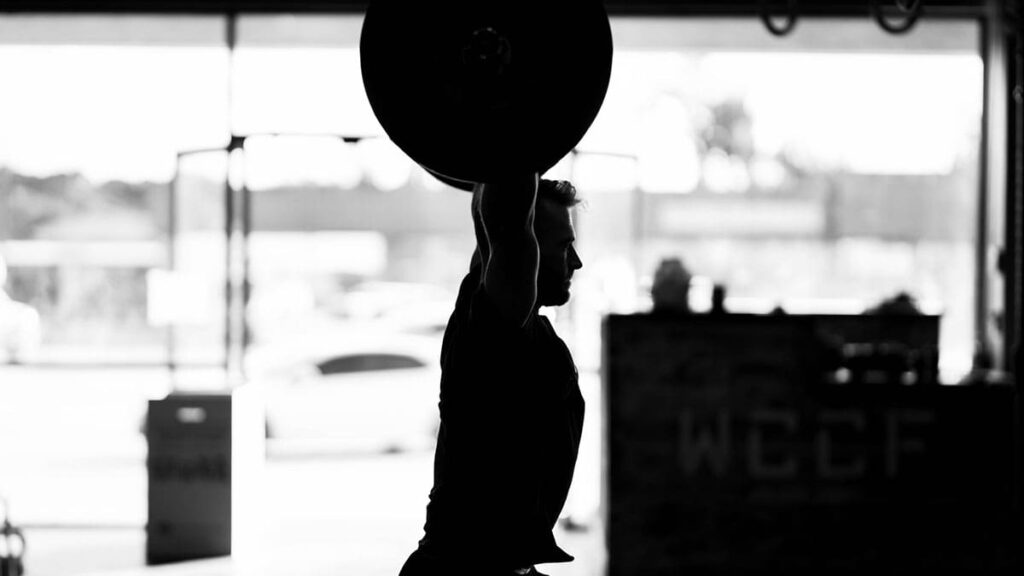
The standing variation offers added benefits: greater core activation, balance challenges, and total-body coordination.
Scientific Support
A study published in the Journal of Strength and Conditioning Research (2013) showed that overhead pressing movements elicit significantly higher electromyographic (EMG) activity in the anterior deltoid compared to incline bench press and front raises (Saeterbakken et al., 2013). This makes it one of the most efficient ways to stimulate shoulder hypertrophy while improving strength.
Programming Tips
- Perform 3–4 sets of 6–10 reps
- Use full range of motion—barbell should start near the clavicle and finish locked out overhead
- Avoid excessive lumbar extension by bracing the core and keeping a vertical torso
2. Dumbbell Lateral Raise
Why It Works
No other exercise isolates the lateral head of the deltoid as directly as the dumbbell lateral raise. This movement contributes heavily to the coveted “capped” shoulder appearance. The lateral delts are not significantly activated during presses, making isolation work vital.
The dumbbell version allows for a natural arc and independent arm movement, which can help prevent imbalances and encourage stricter form.
Scientific Support
Research from the Journal of Sports Science & Medicine (2014) demonstrated that lateral raises produced the highest EMG activity in the medial deltoid when compared to overhead presses and other delt exercises (Paoli et al., 2014). The study emphasized the importance of targeted movements for medial head development.
Programming Tips
- Perform 3–4 sets of 12–15 reps for metabolic stress and time under tension
- Maintain a slight forward lean to increase lateral deltoid activation
- Avoid momentum—raise and lower under control with a slight pause at the top
3. Seated Dumbbell Press

Why It Works
The seated dumbbell press provides the hypertrophic stimulus of the overhead press with additional benefits: improved isolation of the delts, reduced compensation from the legs, and a greater range of motion. The use of dumbbells also increases the stabilization demand on the shoulder joint, engaging more muscle fibers.
Because of the independent arm paths, it can also help correct imbalances between the left and right sides.
Scientific Support
A comparative study by Behm and Sale (1993) found that unilateral and dumbbell exercises increase motor unit recruitment due to instability and demand for stabilization. Furthermore, a 2020 study in the European Journal of Applied Physiology demonstrated that seated overhead dumbbell pressing leads to greater anterior and lateral deltoid activation than machine-based alternatives (Calatayud et al., 2020).
Programming Tips
- Perform 3–4 sets of 8–12 reps
- Keep elbows slightly in front of the body—not flared out—to maintain shoulder joint integrity
- Control both the concentric and eccentric phases
4. Face Pulls
Why It Works
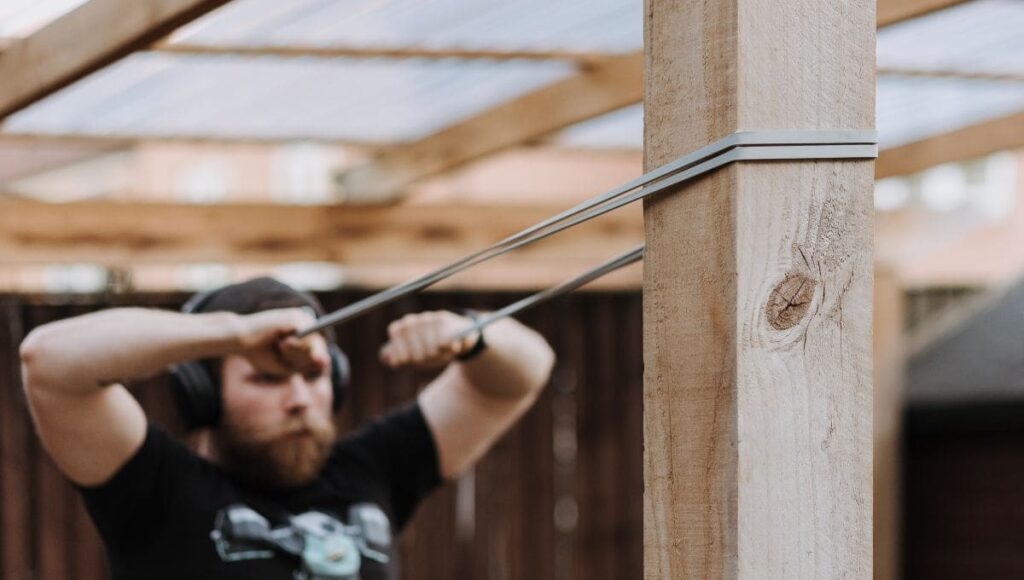
Face pulls target the often-neglected rear deltoids, as well as the external rotators (infraspinatus and teres minor) and upper traps. These muscles are essential for shoulder health, posture, and structural balance, especially in pressing-dominant programs.
While it may not be a mass-builder like presses, the face pull ensures long-term joint integrity and rear delt development.
Scientific Support
A 2007 study published in the Journal of Orthopaedic & Sports Physical Therapy found that exercises involving external rotation and horizontal abduction, such as face pulls, significantly activated the posterior deltoid and rotator cuff musculature (Reinold et al., 2007). Additionally, face pulls are considered therapeutic and are commonly prescribed in rehabilitation settings for shoulder impingement and postural correction.
Programming Tips
- Perform 3–4 sets of 12–20 reps
- Use a rope attachment and pull to the forehead with elbows flared
- Squeeze shoulder blades together at the top to maximize posterior activation
5. Barbell Upright Row (Wide Grip)
Why It Works
When performed with a shoulder-width or slightly wider grip, the upright row can effectively target the lateral delts and traps. It allows for heavier loads than lateral raises and can serve as a transitional movement between isolation and compound lifts.
The key is hand placement: a narrow grip places excessive stress on the shoulder joints and favors the upper traps, whereas a wider grip shifts the emphasis to the lateral deltoid.
Scientific Support
A 2012 study from the Journal of Strength and Conditioning Research showed that a wide-grip upright row elicited significantly greater medial deltoid activation compared to a narrow grip, with reduced internal rotation stress (McAllister et al., 2012). This makes it a safer and more effective variation for hypertrophy.
Programming Tips
- Perform 3–4 sets of 10–12 reps
- Use a grip slightly wider than shoulder-width
- Pull the barbell to upper chest level, leading with the elbows
Programming Considerations
Volume and Frequency
For optimal hypertrophy, aim for 10–20 sets per week dedicated to deltoid work, split across anterior, lateral, and posterior heads. Training shoulders 2–3 times per week with a mix of compound and isolation lifts will provide a good balance of mechanical tension, metabolic stress, and muscle damage.
Progressive Overload
Progressive overload is crucial. This doesn’t always mean increasing the weight; adding reps, improving tempo, or reducing rest times are all viable strategies. Ensure good form before progressing to heavier loads, especially with isolation movements like lateral raises.
Recovery and Injury Prevention
Due to their ball-and-socket structure and frequent involvement in compound lifts, the shoulders are vulnerable to overuse injuries. Including exercises like face pulls and ensuring scapular stability and rotator cuff strength can reduce injury risk. Allow at least 48 hours between intense shoulder sessions and be mindful of cumulative fatigue from push movements in chest workouts.
Conclusion
Building jacked shoulders requires a strategic blend of compound pressing and targeted isolation. Each of the five exercises covered—barbell overhead press, dumbbell lateral raise, seated dumbbell press, face pulls, and wide-grip upright rows—addresses a different function and part of the deltoid complex.
By implementing them with attention to volume, technique, and recovery, lifters can create a balanced and powerful upper body that’s both aesthetic and functional.
Bibliography
Behm, D.G. & Sale, D.G. (1993). Intended rather than actual movement velocity determines velocity-specific training response. Journal of Applied Physiology, 74(1), pp.359–368.
Calatayud, J., Casaña, J., Martín, F., Jakobsen, M.D. & Andersen, L.L. (2020). Muscle activity during the shoulder press exercise performed with machines, barbells and dumbbells. European Journal of Applied Physiology, 120(4), pp.861–870.
McAllister, M.J., Hammond, K.G., Schilling, B.K., Ferreria, L.C. & Reed, J.P. (2012). Muscle activation during various upper-body exercises. Journal of Strength and Conditioning Research, 26(5), pp.1271–1277.
Paoli, A., Marcolin, G. & Petrone, N. (2014). Influence of different ranges of motion on selective recruitment of shoulder muscles in the sitting dumbbell press. Journal of Sports Science & Medicine, 13(1), pp.76–83.
Reinold, M.M., Wilk, K.E., Macrina, L.C., Sheheane, C., Dun, S., Fleisig, G.S. & Andrews, J.R. (2007). Electromyographic analysis of the rotator cuff and deltoid musculature during common shoulder external rotation exercises. Journal of Orthopaedic & Sports Physical Therapy, 37(7), pp.330–338.
Saeterbakken, A.H., Andersen, V., Van den Tillaar, R. & Fimland, M.S. (2013). Muscle activation and strength in the shoulder muscles during push-up variations. Journal of Strength and Conditioning Research, 27(6), pp.1820–1827.
Key Takeaways
| Exercise | Primary Focus | Key Benefit | Science-Backed Insight |
|---|---|---|---|
| Barbell Overhead Press | Anterior/Lateral Deltoid | Full-body power, load capacity | High EMG in anterior delt (Saeterbakken et al., 2013) |
| Dumbbell Lateral Raise | Lateral Deltoid | Isolation and hypertrophy of side delts | Max medial delt EMG (Paoli et al., 2014) |
| Seated Dumbbell Press | Anterior/Lateral Deltoid | Balanced strength, joint safety | Increased activation over machines (Calatayud et al., 2020) |
| Face Pulls | Posterior Deltoid | Injury prevention, posture | Targets rear delt and rotator cuff (Reinold et al., 2007) |
| Wide-Grip Upright Row | Lateral Deltoid | Trap and delt hypertrophy with less strain | Safer grip with more medial delt activation (McAllister et al., 2012) |