Lean muscle is an avenue that most athletes aim for when it comes to designing a workout program. This article tackles the best reps and sets for building lean muscle mass, so you can set out on a successful workout journey.
Building lean muscle involves hard work in the gym with heavy weights. Consistent and regular lifts in the gym can lead to strong gains, so long as programming is on point. Building lean mass can certainly affect how the body feels and it can be a major contributor to body composition. Let’s first take a look at how lifting can affect body composition and some of the factors that can affect lean and non-lean body mass. 


Body Composition 101 and What it Means for You
Body composition is exactly as it refers: it’s what your body is made up of, or the composition. In fitness, body composition means everything as it gives a rundown of how your entire program is going. There are a few components of body composition that we should be aware of, including the following:
- Body Fat. Fat is vital to survival and is a valuable part in our evolution that has allowed humans to survive in times of famine. However, humans continue to get bigger due to excessive fat consumption. There are two types of fat that make up our fat mass, which is expressed as a percentage of total body weight. A healthy body fat percentage for men is up to 22% and women up to 30%.
- Visceral fat. Visceral fat is the adipose layer that surrounds organs and tends to accumulate in the abdomen. This type of fat is linked to heart disease and is typically the more damaging form. Keeping the visceral fat layer under control can be important for long-term health.
- Subcutaneous fat. This type of fat is our most outer layer. Subcutaneous fat is stored directly under the skin and is most affected by diet and exercise. This type of fat can change volume often and is generally the easiest to manipulate once your lifestyle is under control.
- Bone, Minerals, and Tissue. This part of body composition does not account for much, up to 1%. While bone, minerals, and tissue mass can change over time, typically this portion doesn’t change with diet and exercise.
- Lean Body Mass. The last part of body composition includes muscle mass, which is highly adaptive to physical activity. More muscle mass typically is good for body composition, so long as it’s lean muscle (meaning body fat isn’t high as well). Lean muscle is built from resistance training and a sound workout volume.
What is Exercise Volume?
Exercise volume is a term that describes the amount of repetitions, sets, and weight added for an overall intensity figure. The reason exercise volume is important is because it allows the person to tailor the workout without losing or gaining intensity by accident. Here’s how volume works.
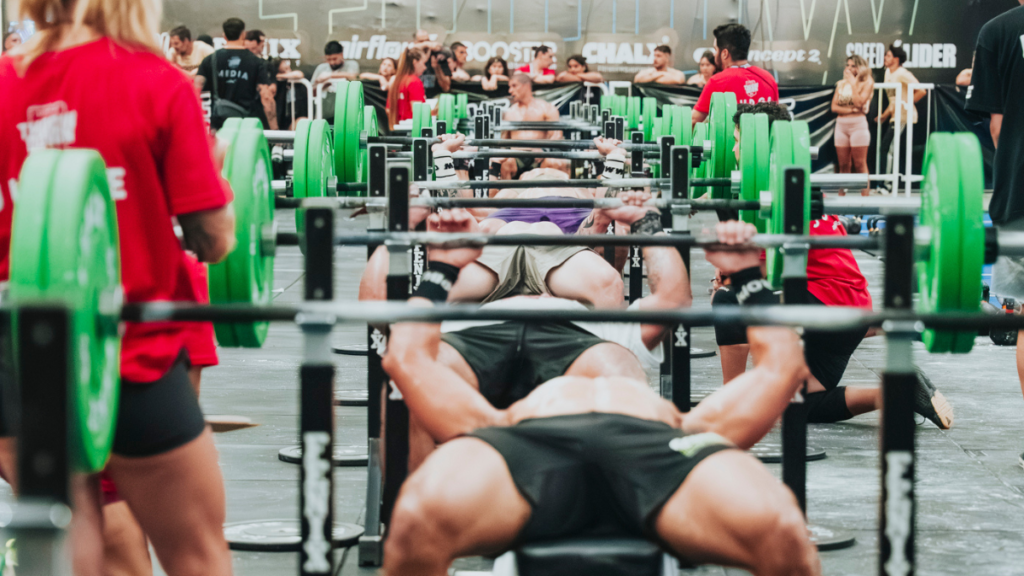
- Exercise volume is calculated using the equation: volume = sets x reps x weight. So performing 3 sets of 10 bench presses at 100 pounds would be a volume of 3000. If that is your point of failure in your workout, then you would progress by either adding weight or reps to the equation.
Does this sound pretty simple? Finding the sweet spot of exercise volume is crucial for building lean mass and can help to hone in on intensity with more ease. Many people struggle to find the sweet spot in exercise volume and this should hopefully shed some light for your success.
How is Lean Muscle Mass Created?
Lean muscle mass is cultivated from your diet and exercise routine. There are many variables that are involved in creating lean muscle mass aside from just eating healthy and training hard. Here are some variables to consider when trying to build lean muscle mass.
- A diet low in total and saturated fats.
- A diet that adheres to a macro schedule.
- A diet that includes adequate protein intake.
- Resistance training that includes heavy lifting.
- High intensity interval training.
- Adequate rest and time for optimal recovery each day.
These variables can all work together to shred fat, build muscle, and generate a lean figure with muscle. Let’s design an example of the best reps and sets for building lean muscle mass and focus more on the training portion.
How to Design the Best Reps and Sets for Building Lean Muscle Mass
Lean muscle mass is created with the variables described above. Since lean muscle responds best to diet and a workout routine with adequate sets and reps, it is best to work on a progressive overload program with less rest between sets.
- Sets: Aim for 3-4 sets for general strengthening gains with progressive loads added.
- Reps: Consider a pyramid to help build muscle mass, unless it is for HIIT programs. This allows for hypertrophy gains, but HIIT workouts generally should stick to a set amount of reps or work until failure for that particular workout of the day.
Can Endurance Training Help to Build Lean Muscle?
In general, endurance training can help to lean the body by burning fat and glycogen. Endurance training is great for establishing a lean figure, just be mindful not to do too much, as endurance training can also slow muscle size in the process.
How Can Your Diet Affect Muscle Growth?
As shown above, your diet is a big deal in your fitness journey. The diet provides vitamins, minerals, and fuel to support metabolism and it helps to supply protein needed for optimal recovery. The timing of when you eat can play a role in how well your muscles recover and any protein or amino acid supplements should be consumed as close to your workout as possible (preferably within 30 minutes after the gym).
Conclusion
Building lean muscle mass is a priority for many fitness goers and athletes as it provides a practical course for health and wellness. Finding the best reps and sets for building lean muscle mass can help to create a workout program that doesn’t waste any time or effort, and is crucial for establishing a healthy body composition.
Resources
https://pmc.ncbi.nlm.nih.gov/articles/PMC10421666
https://my.clevelandclinic.org/health/diseases/23968-subcutaneous-fat