Achieving a flatter stomach is a common fitness goal, but the path to getting there can be clouded with misinformation and unrealistic expectations. Spot-reducing belly fat through endless crunches doesn’t work. Instead, the most effective approach involves a combination of nutrition, physical activity, sleep, and stress management.
This article outlines ten evidence-based strategies that will help you shed abdominal fat efficiently and sustainably.


1. Prioritize a Caloric Deficit with Protein-Rich Foods
A caloric deficit—consuming fewer calories than your body expends—is the fundamental requirement for fat loss. However, how you create that deficit matters. Diets rich in protein are especially beneficial when aiming to lose fat, including abdominal fat, while preserving lean muscle mass.
Research shows that higher protein intake increases satiety, thermogenesis, and muscle retention during weight loss phases (Paddon-Jones et al., 2008). In one study, individuals consuming 25–30% of daily calories from protein lost significantly more fat than those with lower protein intake (Leidy et al., 2015).
Furthermore, a 2012 randomized trial revealed that high-protein diets reduced visceral fat more effectively than low-protein diets, even when calorie intake was equivalent (Smith et al., 2012). Aim for lean sources like chicken breast, fish, legumes, eggs, and Greek yogurt.
2. Reduce Refined Carbohydrates and Added Sugars
Refined carbohydrates and added sugars promote insulin spikes and fat storage, particularly in the abdominal area. High intake of sugary beverages, pastries, and white bread correlates with increased visceral fat, which is more metabolically harmful than subcutaneous fat.
A large-scale observational study found that individuals who drank sugar-sweetened beverages daily had a significantly greater accumulation of visceral fat over six years (Ma et al., 2016). In contrast, diets focused on whole grains, fruits, and vegetables are associated with less abdominal adiposity (Slavin, 2005).
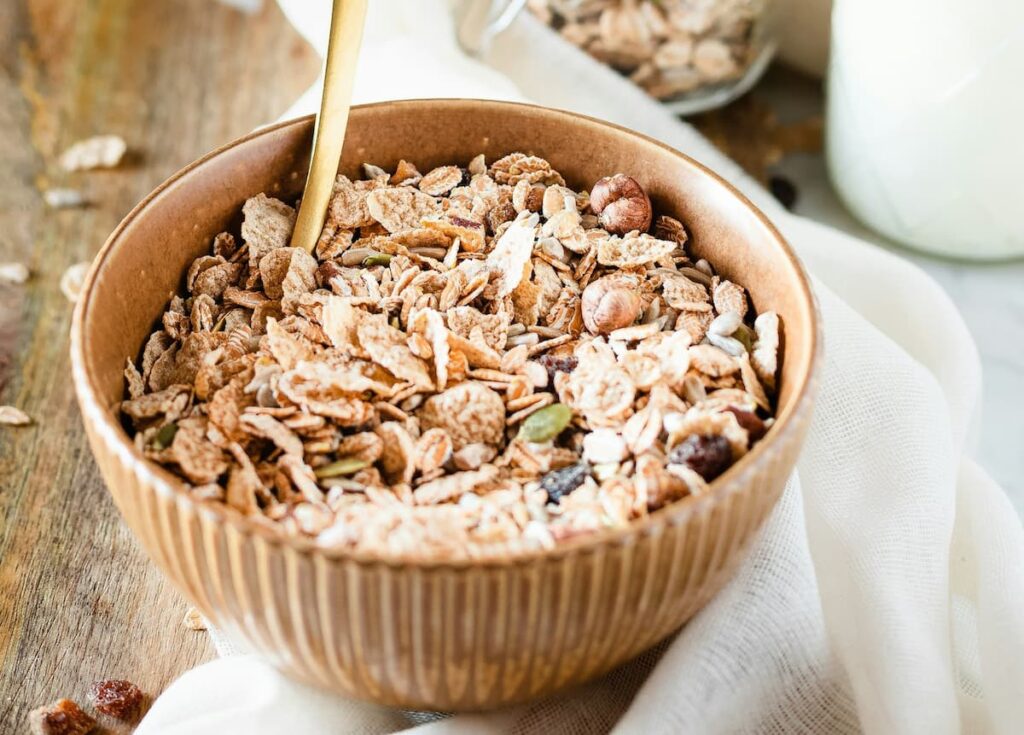
Minimizing your intake of processed carbs while favoring complex carbohydrates like oats, quinoa, sweet potatoes, and legumes can aid in losing belly fat.
3. Incorporate Resistance Training at Least Three Times per Week
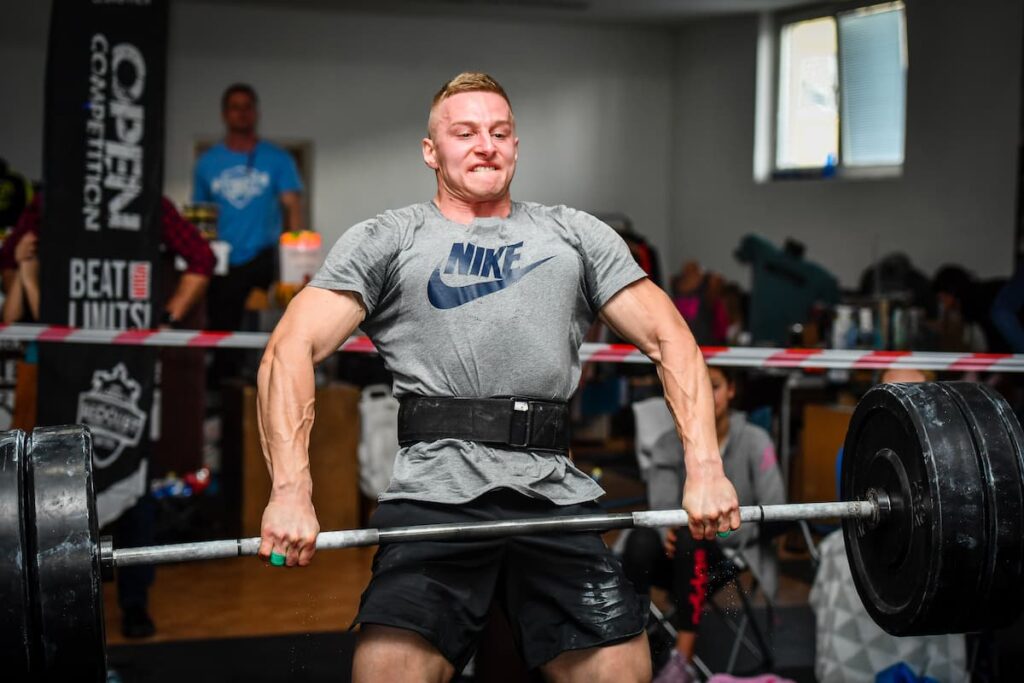
Muscle is metabolically active tissue. The more muscle you build, the higher your resting metabolic rate (RMR), which can help you burn more calories throughout the day—even at rest. Resistance training, especially compound movements, also helps regulate hormones linked to fat storage, such as cortisol and insulin.
A 2014 review concluded that resistance training significantly reduces visceral fat and improves insulin sensitivity (Willis et al., 2014). Moreover, combining resistance training with a caloric deficit leads to more favorable body composition outcomes than diet or cardio alone (Strasser & Schobersberger, 2011).
Exercises like squats, deadlifts, lunges, rows, and presses are effective for recruiting large muscle groups and increasing overall energy expenditure.
4. Perform High-Intensity Interval Training (HIIT)
While traditional steady-state cardio can help with fat loss, high-intensity interval training (HIIT) is more time-efficient and often more effective at reducing abdominal fat. HIIT involves alternating between intense bursts of activity and short recovery periods.
A meta-analysis of 39 studies found that HIIT significantly reduces total body fat and abdominal fat compared to moderate-intensity continuous training (Keating et al., 2017). HIIT also improves mitochondrial density, VO₂ max, and insulin sensitivity.
Sessions as short as 15–20 minutes, three times a week, incorporating movements like sprints, jump squats, or burpees, can yield measurable changes in belly fat over time.
5. Sleep at Least 7 Hours per Night
Chronic sleep deprivation alters hormone levels, increasing ghrelin (hunger hormone) and decreasing leptin (satiety hormone), leading to increased appetite and fat storage, particularly around the abdomen.
A study tracking over 68,000 women for 16 years found that those who slept less than five hours per night were 32% more likely to gain weight than those who slept seven hours (Patel et al., 2006). Another clinical trial showed that improving sleep duration led to a significant reduction in caloric intake and fat mass (Tasali et al., 2022).
Establishing a regular sleep schedule and improving sleep hygiene—such as limiting screen time before bed and keeping a dark, quiet environment—can enhance your weight loss efforts.
6. Manage Stress to Lower Cortisol Levels
High stress levels contribute to elevated cortisol, which is directly linked to increased visceral fat. Cortisol stimulates appetite, promotes fat storage in the abdominal region, and reduces muscle-building capacity.
A study published in Obesity found that individuals with higher cortisol reactivity and greater levels of daily stress had a significantly higher waist circumference (Epel et al., 2000). Chronic stress may also lead to emotional eating and cravings for high-calorie foods.
Stress-reducing practices like meditation, deep breathing, and yoga can regulate cortisol and support fat loss. Even short daily sessions of mindfulness-based stress reduction (MBSR) have shown measurable reductions in belly fat (Daubenmier et al., 2016).
7. Avoid Liquid Calories and Alcohol
Liquid calories, including sodas, juices, and alcoholic beverages, are easy to overconsume and don’t trigger the same satiety signals as solid foods. Alcohol is especially problematic; it’s metabolized preferentially by the liver and often leads to fat storage around the midsection, known as “beer belly.”

A study in the Journal of Nutrition found that alcohol intake was positively associated with waist circumference, independent of total calorie intake (Traversy & Chaput, 2015). Moreover, alcohol disrupts sleep and increases cortisol, both of which hinder fat loss.
Opt for water, herbal teas, black coffee, or other non-caloric beverages. If consuming alcohol, limit it to moderate levels—up to one drink per day for women and two for men.
8. Increase Non-Exercise Activity Thermogenesis (NEAT)
NEAT refers to the energy expended for everything we do that isn’t sleeping, eating, or structured exercise. This includes walking, fidgeting, gardening, and household chores. Small increases in NEAT can have a major cumulative effect on total daily energy expenditure.
Levine et al. (1999) found that individuals with high NEAT levels burned up to 2,000 more calories per day than their sedentary counterparts. Simply standing more often, using stairs, or taking walking meetings can contribute meaningfully to fat loss.
Using a step counter or standing desk can help increase awareness and keep NEAT levels high throughout the day.
9. Consume More Soluble Fiber
Soluble fiber slows digestion, stabilizes blood glucose levels, and increases satiety—all of which aid in fat loss. It also feeds beneficial gut bacteria, which play a role in weight regulation and inflammation.
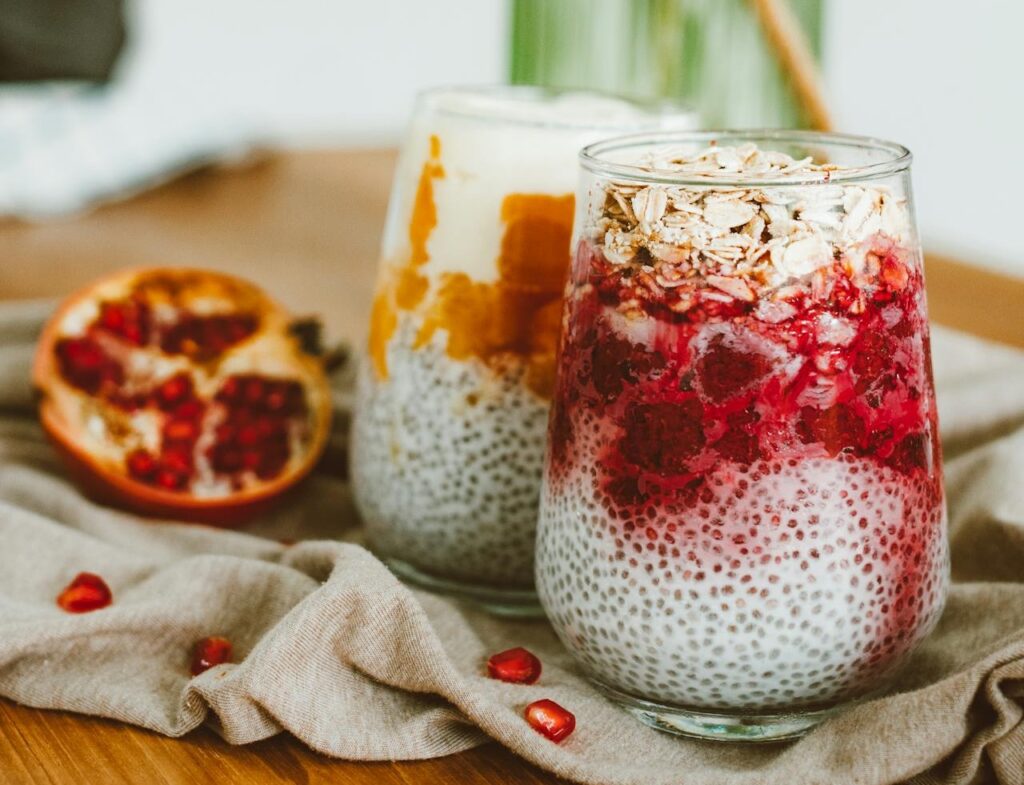
A study published in Obesity found that a 10-gram increase in daily soluble fiber intake was associated with a 3.7% reduction in visceral fat over five years (Hairston et al., 2011). Good sources include oats, flaxseeds, avocados, legumes, and Brussels sprouts.
Incorporating at least 25–30 grams of fiber per day, with a focus on soluble types, can support long-term reductions in abdominal fat.
10. Limit Ultra-Processed Foods and Practice Mindful Eating
Ultra-processed foods are high in calories, sugar, and unhealthy fats while being low in nutrients and fiber. These foods often promote overeating by disrupting hunger and satiety cues.
A 2019 clinical trial from the NIH showed that individuals consuming an ultra-processed diet consumed an average of 500 more calories per day than those eating minimally processed foods, despite being offered identical meals in terms of macronutrient content (Hall et al., 2019).
Mindful eating—paying full attention to hunger, satiety, and food choices—has been shown to reduce binge eating and emotional eating, both of which are linked to abdominal fat gain (Katterman et al., 2014).
Slow down at meals, avoid distractions while eating, and learn to recognize true hunger versus emotional triggers.
Bibliography
Daubenmier, J., Kristeller, J., Hecht, F.M., et al. (2016). Mindfulness intervention for stress eating to reduce cortisol and abdominal fat among overweight and obese women: An exploratory randomized controlled study. Journal of Obesity, 2016, Article ID 7402916.
Epel, E., Lapidus, R., McEwen, B., & Brownell, K. (2000). Stress may add bite to appetite in women: A laboratory study of stress-induced cortisol and eating behavior. Obesity Research, 9(1), 44-52.
Hairston, K.G., Vitolins, M.Z., Norris, J.M., et al. (2011). Dietary soluble fiber and abdominal fat: The INSIGHT trial. Obesity, 19(2), 420–423.
Hall, K.D., Ayuketah, A., Brychta, R., et al. (2019). Ultra-processed diets cause excess calorie intake and weight gain: An inpatient randomized controlled trial of ad libitum food intake. Cell Metabolism, 30(1), 67-77.e3.
Keating, S.E., Johnson, N.A., Mielke, G.I., & Coombes, J.S. (2017). A systematic review and meta-analysis of interval training versus moderate-intensity continuous training on body adiposity. Obesity Reviews, 18(8), 943–964.
Katterman, S.N., Kleinman, B.M., Hood, M.M., Nackers, L.M., & Corsica, J.A. (2014). Mindfulness meditation as an intervention for binge eating, emotional eating, and weight loss: A systematic review. Eating Behaviors, 15(2), 197–204.
Leidy, H.J., Clifton, P.M., Astrup, A., et al. (2015). The role of protein in weight loss and maintenance. The American Journal of Clinical Nutrition, 101(6), 1320S–1329S.
Levine, J.A., Eberhardt, N.L., & Jensen, M.D. (1999). Role of nonexercise activity thermogenesis in resistance to fat gain in humans. Science, 283(5399), 212–214.
Ma, J., Fox, C.S., Jacques, P.F., et al. (2016). Sugar-sweetened beverage consumption is associated with change of visceral adipose tissue over 6 years of follow-up. Circulation, 133(4), 370–377.
Paddon-Jones, D., Westman, E., Mattes, R.D., et al. (2008). Protein, weight management, and satiety. The American Journal of Clinical Nutrition, 87(5), 1558S–1561S.
Patel, S.R., Malhotra, A., Gottlieb, D.J., White, D.P., & Hu, F.B. (2006). Correlates of long sleep duration. Sleep, 29(7), 881–889.
Slavin, J.L. (2005). Dietary fiber and body weight. Nutrition, 21(3), 411–418.
Smith, G.I., Atherton, P., Reeds, D.N., et al. (2012). Dietary omega-3 fatty acid supplementation increases the rate of muscle protein synthesis in older adults: A randomized controlled trial. The American Journal of Clinical Nutrition, 96(2), 402–412.
Strasser, B., & Schobersberger, W. (2011). Evidence for resistance training as a treatment therapy in obesity. Journal of Obesity, 2011, Article ID 482564.
Tasali, E., Wroblewski, K., Kahn, E., Kilkus, J.M., & Schoeller, D.A. (2022). Effect of sleep extension on objectively assessed energy intake among adults with overweight in real-life settings: A randomized clinical trial. JAMA Internal Medicine, 182(5), 540–548.
Traversy, G., & Chaput, J.P. (2015). Alcohol consumption and obesity: An update. Current Obesity Reports, 4(1), 122–130.
Willis, L.H., Slentz, C.A., Bateman, L.A., et al. (2014). Effects of aerobic and/or resistance training on body mass and fat mass in overweight or obese adults. Journal of Applied Physiology, 113(12), 1831–1837.
Key Takeaways
| Tip | Summary |
|---|---|
| 1. Caloric Deficit with Protein | Maintain a calorie deficit and prioritize high-protein foods to support satiety and muscle retention. |
| 2. Cut Refined Carbs & Sugar | Reduce intake of processed carbs and sugars to lower insulin and abdominal fat. |
| 3. Strength Train | Lift weights at least 3x/week to build muscle and burn more calories. |
| 4. Do HIIT | Incorporate high-intensity intervals for efficient belly fat loss. |
| 5. Get Enough Sleep | Sleep 7+ hours to regulate hunger hormones and improve fat metabolism. |
| 6. Lower Stress | Manage stress to reduce cortisol and related belly fat gain. |
| 7. Ditch Liquid Calories | Avoid sugary drinks and alcohol that add calories and hinder fat loss. |
| 8. Boost NEAT | Increase daily movement outside of exercise for higher energy expenditure. |
| 9. Eat Soluble Fiber | Add fiber-rich foods to improve satiety and reduce visceral fat. |
| 10. Mindful Eating | Minimize processed food and eat with awareness to control intake. |