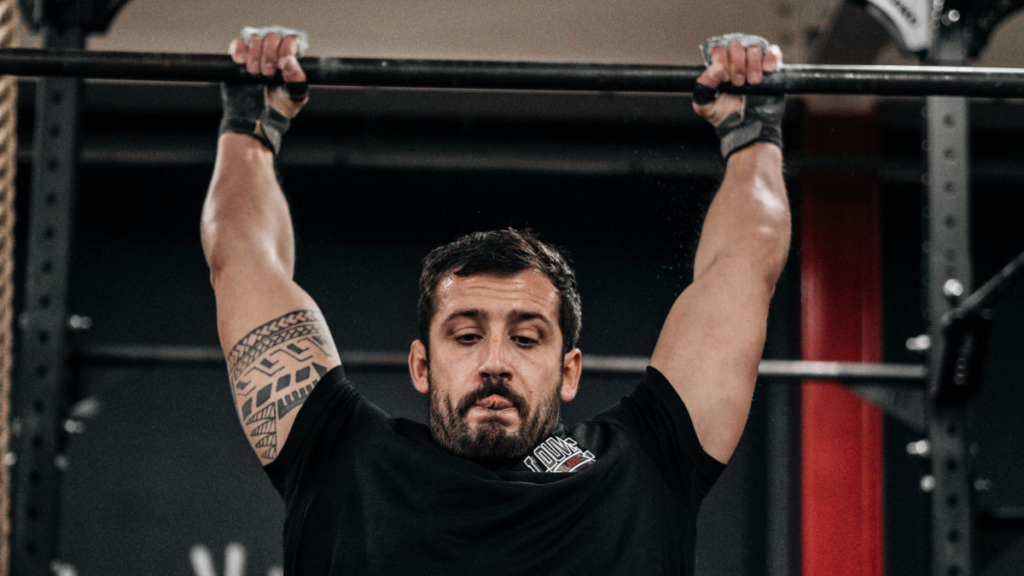
Turning 30 often marks a pivotal point in one’s fitness journey. While gaining muscle in your twenties might have felt relatively straightforward, once you pass this age, you might notice shifts in energy, recovery, and body composition.
But contrary to popular belief, age is not a barrier to muscle growth. It simply requires smarter strategies, better planning, and a deeper understanding of how the body evolves over time. This article explores the physiological changes after 30 and outlines evidence-based approaches to continue building muscle effectively.


What Happens to Muscle and Metabolism After 30?

Sarcopenia and Age-Related Muscle Loss
Beginning around the age of 30, adults start losing muscle mass at a rate of approximately 3–8% per decade, a process known as sarcopenia (Mitchell et al., 2012). While this loss accelerates after 60, early declines are subtle yet significant. Loss in muscle mass is often accompanied by decreased muscle strength and function.
Sarcopenia isn’t inevitable, but it’s exacerbated by inactivity, poor nutrition, and hormonal changes. A meta-analysis by Shafiee et al. (2017) shows that resistance training is the most effective countermeasure, improving muscle hypertrophy even in older adults.
Slower Recovery and Increased Inflammation
Recovery processes also begin to slow with age due to reduced satellite cell activity and an increase in systemic inflammation (Roubenoff, 2003). These factors affect not only the speed at which muscles repair and grow after exercise, but also increase the likelihood of injury when recovery is insufficient.
Chronic low-grade inflammation, often referred to as “inflammaging”, contributes to muscle catabolism. Interleukin-6 (IL-6) and tumor necrosis factor-alpha (TNF-α), both pro-inflammatory cytokines, have been implicated in the degradation of muscle tissue over time (Ferrucci et al., 2005).
Hormonal Changes: Testosterone and Growth Hormone Decline
Testosterone and growth hormone (GH), both crucial for muscle protein synthesis, decline gradually with age. A cross-sectional study by Harman et al. (2001) found that testosterone levels in men drop by about 1% per year after age 30. GH also sees a marked decline, affecting protein turnover and fat metabolism.
These hormonal shifts don’t mean muscle building is out of reach—they simply necessitate better training and recovery strategies to stimulate muscle growth in the absence of a hormonal advantage.
Resistance Training Strategies After 30
Emphasize Progressive Overload, Not Just Intensity
Progressive overload remains the cornerstone of muscle growth at any age. However, after 30, the emphasis should be placed on gradual increases in volume and intensity to manage fatigue and joint stress.
A study by Peterson et al. (2010) showed that both young and older adults benefit from progressive overload, but older adults respond better to moderate volumes and slightly higher repetitions (8–12 reps) compared to low-rep heavy lifting.
Prioritize Recovery and Periodization
Given the slower recovery rates, periodization becomes more important. Training cycles should be planned to incorporate deload weeks, varied intensities, and sufficient rest days.
A systematic review by Grgic et al. (2018) supports undulating periodization (frequent variation in intensity and volume) as superior for hypertrophy in older adults compared to linear periodization.
Focus on Compound Movements with Controlled Execution
Exercises like squats, deadlifts, rows, and presses continue to provide the greatest return on investment due to their ability to stimulate large muscle groups and multiple joints.
However, form and tempo become increasingly critical. Slower, controlled reps reduce injury risk and increase time under tension, a known driver of muscle hypertrophy (Schoenfeld, 2010).
Include Unilateral and Stability Work
After 30, asymmetries and movement compensations become more pronounced. Including unilateral exercises such as Bulgarian split squats and single-arm presses can correct imbalances and reduce injury risk.
Stability-based exercises like single-leg RDLs or planks on unstable surfaces also enhance neuromuscular control, which tends to decline with age (Carmeli et al., 2003).
Nutrition for Muscle Growth After 30

Protein Requirements Increase
Adults over 30 should aim for higher protein intakes than the general RDA to preserve and build lean muscle mass. Research by Moore et al. (2015) indicates that 1.6–2.2g of protein per kg of body weight per day is optimal for hypertrophy in trained individuals.
Protein distribution also matters. Leucine-rich meals spaced evenly throughout the day maximize muscle protein synthesis (Areta et al., 2013).
Importance of Timing and Quality
Post-workout nutrition plays a larger role in recovery and growth. Consuming 20–40g of high-quality protein within two hours of training supports muscle repair (Tipton & Wolfe, 2004).
Additionally, older adults may benefit from supplementing with whey protein, creatine, and omega-3 fatty acids, all of which have shown benefits in muscle retention and recovery (Candow et al., 2014; Smith et al., 2011).
Managing Body Composition: Calories Still Matter
While metabolic rate declines with age—roughly 1–2% per decade (Roberts & Dallal, 2005)—muscle remains a metabolically active tissue. To build muscle, a slight caloric surplus is necessary, but one that minimizes fat gain.
A controlled surplus of 200–300 kcal/day combined with resistance training is sufficient for most individuals over 30 to gain muscle while keeping fat gain to a minimum.
Lifestyle Considerations
Sleep Quality and Duration
Sleep is when the body repairs and grows. A study by Dattilo et al. (2011) demonstrated that sleep deprivation impairs muscle recovery and reduces levels of anabolic hormones like testosterone and GH.
Adults over 30 often struggle with sleep due to lifestyle factors. Prioritizing 7–9 hours of uninterrupted sleep significantly enhances recovery, performance, and mood.
Stress Management and Cortisol
Chronic stress leads to elevated cortisol levels, which are catabolic and inhibit muscle protein synthesis. A longitudinal study by Tomiyama et al. (2012) linked prolonged high cortisol to lower muscle mass and increased visceral fat.
Incorporating stress management strategies like mindfulness, regular low-intensity cardio, and limiting overtraining is crucial after 30.
Alcohol and Muscle Growth
Alcohol disrupts muscle protein synthesis, particularly when consumed post-workout. Parr et al. (2014) found that alcohol reduced MPS by 24% even when post-exercise protein was consumed.
Minimizing alcohol or avoiding it on training days helps preserve anabolic signaling pathways and supports recovery.
Supplements Worth Considering After 30
Creatine Monohydrate
Creatine remains one of the most studied and effective supplements for increasing muscle mass, strength, and recovery. Older adults also benefit from its neuroprotective properties and improved muscular endurance (Candow et al., 2014).
Whey Protein
Fast-digesting and high in leucine, whey protein supports muscle protein synthesis efficiently post-training. It’s especially beneficial in those with increased protein needs and poor appetite.
Omega-3 Fatty Acids

EPA and DHA reduce inflammation and enhance anabolic signaling. Smith et al. (2011) found that omega-3 supplementation improved MPS in older adults, making it a valuable addition to muscle-building protocols.
Vitamin D and Magnesium
Both are critical for testosterone production and muscle function. Deficiencies in vitamin D are common in adults over 30, especially in regions with low sunlight exposure (Holick, 2007).
Muscle-Building Mistakes to Avoid After 30
Ignoring Mobility and Warm-Ups
Joint and tendon resilience decrease with age. Skipping warm-ups or neglecting mobility work increases injury risk. Dynamic stretching and activation drills should precede every workout.
Lifting Like You’re 20
Attempting to train with the same frequency and intensity as in your 20s can lead to burnout or injury. Intelligent training respects recovery time, uses proper periodization, and balances volume with rest.
Neglecting Consistency Over Perfection
Consistency in training and nutrition is more important than chasing PRs every week. A well-executed program repeated over time yields better results than sporadic, intense efforts.
Realistic Expectations and Long-Term Progress
Building muscle after 30 is not only possible—it can be optimized through science-backed approaches. While gains may come slower than in your teens or twenties, muscle hypertrophy, strength increases, and physique improvements are achievable well into your 40s, 50s, and beyond.
Aging doesn’t stop adaptation; it simply changes the parameters. Your training needs to be smarter, your nutrition more precise, and your recovery more respected. But with consistency, muscle growth after 30 can match, and in some cases surpass, earlier years due to improved discipline, knowledge, and focus.
Bibliography
Areta, J. L., Burke, L. M., Ross, M. L., et al. (2013). Timing and distribution of protein ingestion during prolonged recovery from resistance exercise alters myofibrillar protein synthesis. Journal of Physiology, 591(9), 2319–2331.
Candow, D. G., Chilibeck, P. D., et al. (2014). Effect of Creatine Supplementation and Resistance Training on Muscle Strength and Bone Health in Aging Adults: A Meta-Analysis. Medicine & Science in Sports & Exercise, 46(7), 1194–1203.
Carmeli, E., Patish, H., & Coleman, R. (2003). The Aging Hand. The Journals of Gerontology Series A: Biological Sciences and Medical Sciences, 58(2), M146–M152.
Dattilo, M., Antunes, H. K. M., Medeiros, A., et al. (2011). Sleep and muscle recovery: Endocrinological and molecular basis for a new and promising hypothesis. Medical Hypotheses, 77(2), 220–222.
Ferrucci, L., Penninx, B. W., Volpato, S., et al. (2005). Inflammation and muscle strength in older persons. Journal of Gerontology: Medical Sciences, 60(5), 556–562.
Grgic, J., Schoenfeld, B. J., Davies, T. B., et al. (2018). Effect of resistance training frequency on gains in muscular strength: A systematic review and meta-analysis. Sports Medicine, 48(5), 1207–1220.
Harman, S. M., Metter, E. J., Tobin, J. D., et al. (2001). Longitudinal effects of aging on serum total and free testosterone levels in healthy men. Journal of Clinical Endocrinology & Metabolism, 86(2), 724–731.
Holick, M. F. (2007). Vitamin D Deficiency. New England Journal of Medicine, 357(3), 266–281.
Mitchell, W. K., Williams, J., Atherton, P., et al. (2012). Sarcopenia, dynapenia, and the impact of advancing age on skeletal muscle. Age, 34(4), 587–599.
Moore, D. R., Churchward-Venne, T. A., Witard, O., et al. (2015). Protein ingestion to stimulate myofibrillar protein synthesis requires greater relative protein intakes in healthy older versus younger men. Journals of Gerontology Series A: Biological Sciences and Medical Sciences, 70(1), 57–62.
Parr, E. B., Camera, D. M., Areta, J. L., et al. (2014). Alcohol ingestion impairs maximal post-exercise rates of muscle protein synthesis following a single bout of concurrent training. PLOS One, 9(2), e88384.
Peterson, M. D., Sen, A., & Gordon, P. M. (2010). Influence of resistance exercise on lean body mass in aging adults: A meta-analysis. Medicine & Science in Sports & Exercise, 43(2), 249–258.
Roberts, S. B., & Dallal, G. E. (2005). Energy requirements and aging. Public Health Nutrition, 8(7A), 1028–1036.
Roubenoff, R. (2003). Catabolism of aging: Is it an inflammatory process? Current Opinion in Clinical Nutrition & Metabolic Care, 6(3), 295–299.
Schoenfeld, B. J. (2010). The mechanisms of muscle hypertrophy and their application to resistance training. Journal of Strength and Conditioning Research, 24(10), 2857–2872.
Shafiee, G., Keshtkar, A., Soltani, A., et al. (2017). Prevalence of sarcopenia in the world: A systematic review and meta-analysis of general population studies. Journal of Diabetes and Metabolic Disorders, 16(1), 21.
Smith, G. I., Atherton, P., Reeds, D. N., et al. (2011). Dietary omega-3 fatty acid supplementation increases the rate of muscle protein synthesis in older adults: A randomized controlled trial. American Journal of Clinical Nutrition, 93(2), 402–412.
Tipton, K. D., & Wolfe, R. R. (2004). Protein and amino acids for athletes. Journal of Sports Sciences, 22(1), 65–79.
Tomiyama, A. J., Puterman, E., Epel, E. S., et al. (2012). Chronic psychological stress and racial disparities in body mass index change between black and white girls aged 10–19. Annals of Behavioral Medicine, 43(1), 29–38.