Broad, symmetrical, and muscular shoulders have symbolized power and aesthetics since ancient times. The Greek God shoulder look — inspired by statues of Apollo and Zeus — combines impressive deltoid mass with proportionate shape and definition. This article outlines the five most effective movements to build this physique, backed by biomechanical principles and peer-reviewed science.
Why Shoulder Development Matters
The shoulders are composed of three heads — anterior (front), lateral (middle), and posterior (rear) deltoids — each contributing to a different movement pattern and aesthetic feature. Full shoulder development not only enhances the “V-taper” (broad shoulders to narrow waist ratio) but also stabilizes overhead and horizontal arm movements. Strengthening all three heads helps prevent injuries and ensures balanced upper-body training.


The Science of Deltoid Hypertrophy
Shoulder muscle growth is primarily stimulated through mechanical tension, muscle damage, and metabolic stress. The deltoids respond well to a variety of rep ranges and loads due to their mixed fiber-type distribution (roughly 50/50 slow-twitch and fast-twitch) (Kraemer et al., 1995). Studies show that training through a full range of motion and including both compound and isolation exercises optimizes muscle hypertrophy (Schoenfeld, 2010).
Move #1: Overhead Barbell Press

Primary Muscles: Anterior and Lateral Deltoids, Upper Trapezius, Triceps Brachii
The overhead barbell press (also called the military press) is the gold standard for overall shoulder mass. It emphasizes the anterior deltoid while also stimulating the lateral deltoid and upper traps. A 2013 EMG study by Boeckh-Behrens and Buskies ranked it among the top movements for anterior deltoid activation.
Performed standing, the press additionally activates the core and enhances postural strength. A barbell press allows for progressive overload — a key hypertrophy mechanism — better than many dumbbell alternatives.
Technique Tips:
- Grip width should be slightly wider than shoulder-width.
- Keep elbows slightly in front of the bar, not flared out.
- Press the bar in a straight line overhead while maintaining tight glutes and core engagement.
Programming:
3–4 sets of 5–8 reps with 2–3 minutes rest to emphasize strength and size.
Move #2: Dumbbell Lateral Raise
Primary Muscles: Lateral Deltoid
To achieve that “capped” shoulder look, lateral deltoid hypertrophy is essential. The dumbbell lateral raise isolates this region better than almost any compound lift. While compound pressing engages the lateral delts indirectly, this movement provides focused tension.
Research from Delavier (2010) confirms that the lateral deltoid is most active during shoulder abduction between 30–90 degrees. Proper form is vital — momentum reduces effectiveness and risks injury.
Technique Tips:
- Start with dumbbells at your sides and raise them to shoulder height.
- Avoid shrugging — keep your traps relaxed.
- Use a slight forward lean to better isolate the side delts.
Programming:
3–4 sets of 10–15 reps with short rest periods (60–90 seconds).
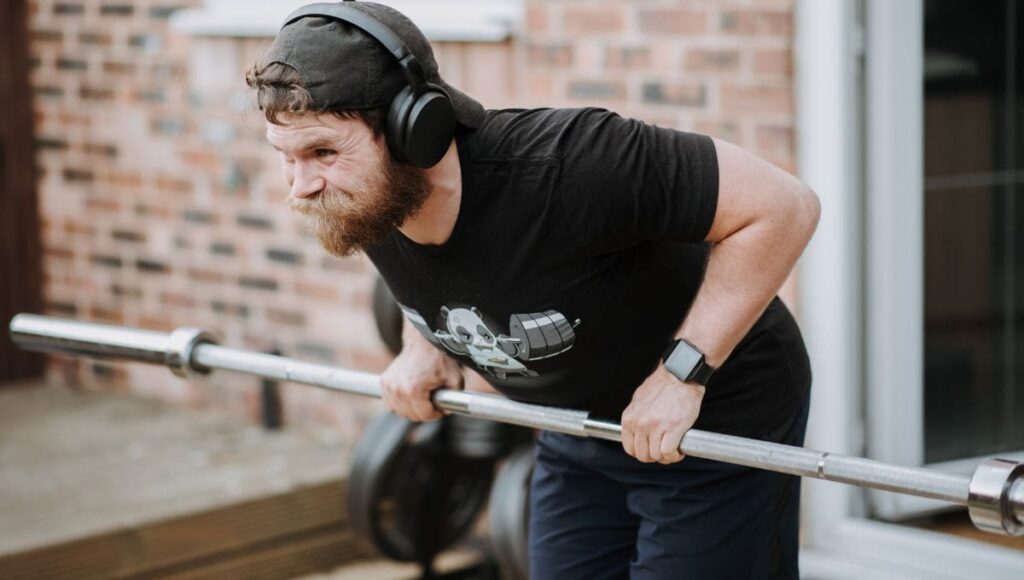
Move #3: Bent-Over Reverse Fly (Rear Delt Fly)
Primary Muscles: Posterior Deltoid, Rhomboids, Infraspinatus
The rear deltoids are often underdeveloped, creating imbalance and increasing injury risk. EMG studies (Paoli et al., 2010) show that bent-over rear delt flies activate the posterior delts more than rows, which often bias the lats.
This movement is essential for shoulder symmetry and injury prevention, particularly in those doing heavy pressing. It also contributes to the aesthetic fullness of the shoulders in side poses.
Technique Tips:
- Use light weights and high control — focus on feeling the rear delts contract.
- Bend over at the hips until your torso is almost parallel to the floor.
- Raise dumbbells with elbows slightly bent and wrists neutral.
Programming:
3–4 sets of 12–20 reps focusing on quality and isolation.
Move #4: Arnold Press
Primary Muscles: Anterior, Lateral, and Posterior Deltoids
Popularized by Arnold Schwarzenegger, this variation combines shoulder press and rotational movement, targeting all three deltoid heads. The rotational path forces the anterior and lateral heads to engage throughout the movement, while the bottom position increases range of motion.
Compared to the standard dumbbell press, the Arnold press produces greater anterior deltoid activation due to the rotational element (Doma et al., 2019). It also trains shoulder mobility, which enhances long-term shoulder health.
Technique Tips:
- Begin with dumbbells in front of your chest, palms facing you.
- As you press up, rotate your hands until palms face forward.
- Reverse the motion under control on the way down.
Programming:
3–4 sets of 8–12 reps with moderate loads.
Move #5: Face Pull
Primary Muscles: Posterior Deltoid, Rotator Cuff, Rhomboids
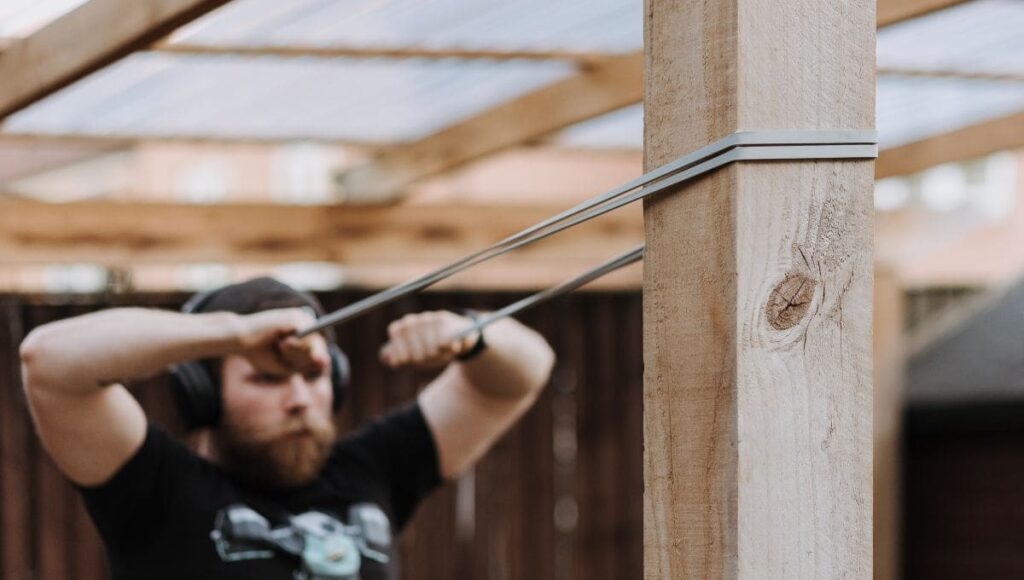
Face pulls are essential for shoulder joint health and balanced muscular development. This movement recruits the posterior delts and rotator cuff, correcting postural issues caused by excessive pressing volume.
According to Reinold et al. (2004), face pulls produce high EMG activation in the posterior delts and external rotators, helping prevent impingement syndromes and scapular instability.
Technique Tips:
- Use a rope attachment at face level.
- Pull toward your forehead with elbows flared and hands rotating externally.
- Focus on squeezing the shoulder blades together.
Programming:
3 sets of 12–15 reps at the end of your workout.
How to Program These Moves for Maximum Growth
To sculpt a Greek God-worthy shoulder structure, these five exercises must be integrated with intelligent programming.
Weekly Structure Example:
Day 1 – Push Focus:
- Barbell Overhead Press: 4×6
- Dumbbell Lateral Raise: 3×12
- Arnold Press: 3×10
Day 2 – Pull Focus:
- Bent-Over Rear Delt Fly: 4×15
- Face Pull: 3×15
This allows for frequency (twice per week per head), intensity variation, and strategic recovery. Periodizing volume and intensity every 4–6 weeks helps break plateaus and prevents adaptation.
Progressive Overload and Recovery
Progressive overload — gradually increasing volume, intensity, or mechanical tension — is essential. For shoulders, this could mean increasing reps, weights, or tempo over time. Incorporating deloads every 6–8 weeks prevents overuse injuries.
Sleep (7–9 hours), protein intake (1.6–2.2 g/kg body weight), and mobility drills also support growth and longevity. Inflammation from shoulder overuse (especially anterior delt dominance) can be mitigated through balanced pulling work and mobility exercises such as wall slides and band pull-aparts.
Mistakes to Avoid
Neglecting Rear Delts:
Leads to imbalances and poor posture. Include face pulls and reverse flys weekly.
Overpressing:
Excess anterior delt work and poor scapular mobility can cause impingement. Avoid relying solely on presses.
Using Momentum:
Swinging through raises reduces deltoid tension and increases trap involvement. Control tempo, especially on the eccentric phase.
Lack of Variation:
Rotating between barbell, dumbbell, and cable modalities prevents stagnation and keeps all heads equally stimulated.
Final Thoughts
Shoulder development isn’t about brute force or endless pressing. It requires a strategic blend of compound and isolation movements, attention to all three heads, and adherence to biomechanically sound training principles. The five exercises above are time-tested and scientifically validated to sculpt the broad, dense, and symmetrical shoulders that evoke the Greek God physique.
References
Boeckh-Behrens, W., & Buskies, W. (2013). Biomechanics and Training Theory: A Scientific Approach to Strength Training. Germany: BLV.
Delavier, F. (2010). Strength Training Anatomy (3rd ed.). Champaign, IL: Human Kinetics.
Doma, K., Deakin, G.B., & Bentley, D.J. (2019). “Effects of Exercise Variation in Resistance Training for Muscular Performance”. Journal of Strength and Conditioning Research, 33(2), 380–392.
Kraemer, W.J., Adams, K., Cafarelli, E., Dudley, G.A., Dooly, C., Feigenbaum, M.S., et al. (1995). “Progression Models in Resistance Training for Healthy Adults”. Medicine & Science in Sports & Exercise, 27(1), 364–380.
Paoli, A., Marcolin, G., & Petrone, N. (2010). “Influence of Different Ranges of Motion on Selective Recruitment of Shoulder Muscles in the Pressing Exercises”. Journal of Strength and Conditioning Research, 24(6), 1578–1583.
Reinold, M.M., Wilk, K.E., Macrina, L.C., Dugas, J.R., Cain, E.L., & Andrews, J.R. (2004). “Electromyographic Analysis of the Shoulder in Shoulder Pressing Movements”. American Journal of Sports Medicine, 32(2), 501–510.
Schoenfeld, B.J. (2010). “The Mechanisms of Muscle Hypertrophy and Their Application to Resistance Training”. Journal of Strength and Conditioning Research, 24(10), 2857–2872.