Deadlifts have long been hailed as the king of compound lifts—a cornerstone of strength training programs due to their ability to target multiple muscle groups, particularly the posterior chain. But what if you cannot or choose not to deadlift? Whether due to injury, biomechanics, equipment access, or personal preference, it is a valid question: can you build a strong, muscular, and resilient back without using deadlifts?
The short answer is yes. It is entirely possible to build a strong back without deadlifting. While the deadlift is undeniably effective, it is not irreplaceable. There are alternative exercises that can develop every muscle group the deadlift targets, often with a more tailored approach and lower risk of injury. This article explores the science, biomechanics, and exercise physiology behind building a powerful back without relying on the deadlift.


Understanding the Role of the Deadlift
What the Deadlift Does
The deadlift is a multi-joint, compound movement that primarily targets the gluteus maximus, hamstrings, erector spinae, and lats, with secondary involvement of the traps, rhomboids, rear deltoids, and core stabilizers. It is highly effective due to its ability to recruit a large number of motor units simultaneously.
[wpcode id=”229888″]Electromyography (EMG) studies have shown high activation of the erector spinae, gluteals, and hamstrings during deadlifts, especially in conventional and sumo variations (Escamilla et al., 2002). However, maximal recruitment of these muscle groups can also be achieved through other exercises with less systemic fatigue and spinal loading.
Drawbacks of Deadlifts
While deadlifts offer significant hypertrophic and strength benefits, they also come with drawbacks:
- High spinal loading, which can be problematic for individuals with low back issues.
- Technical complexity that increases the injury risk if form deteriorates.
- Central nervous system fatigue, which may interfere with training frequency or performance in other lifts.
These factors make deadlifts non-essential for many lifters.
The Anatomy of a Strong Back

To train the back effectively without deadlifts, we must first understand its anatomy. A well-developed back comprises several major muscle groups:
- Latissimus dorsi: Responsible for shoulder extension, adduction, and internal rotation.
- Trapezius: Upper traps elevate the scapula; mid and lower traps retract and depress it.
- Rhomboids: Retract the scapula.
- Erector spinae: Extend the spine and stabilize the trunk.
- Teres major and minor: Assist in shoulder movements.
- Posterior deltoids: Support scapular retraction and shoulder extension.
Each of these can be trained with specific exercises that isolate or emphasize their contribution without needing to deadlift.
Evidence-Based Alternatives to Deadlifts
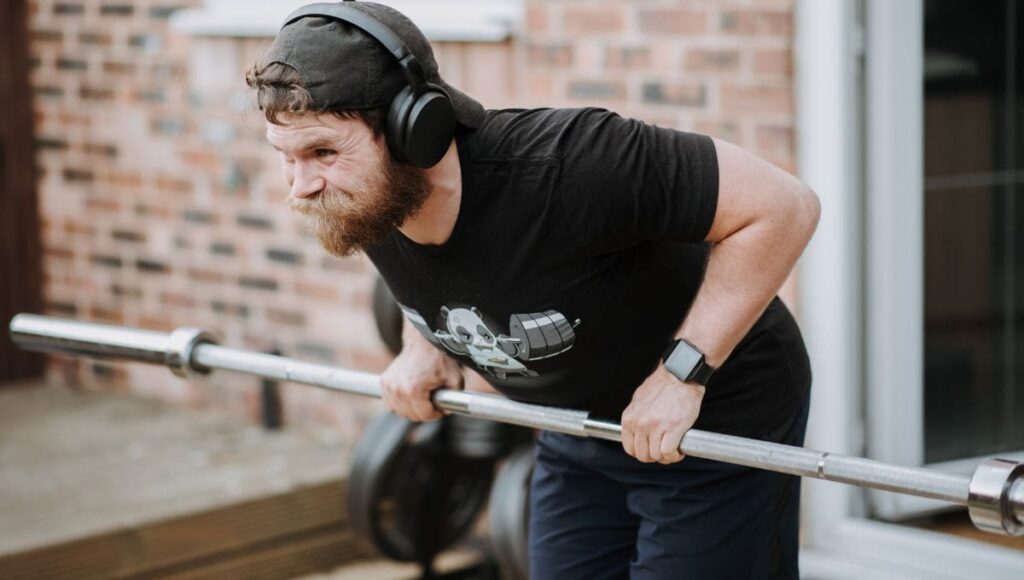
1. Barbell or Dumbbell Rows
Horizontal rowing movements like the barbell bent-over row or single-arm dumbbell row heavily target the latissimus dorsi, traps, and rhomboids. Research by Andersen et al. (2006) using EMG analysis confirmed significant activation of the lats and traps during these exercises.
Unlike deadlifts, rows offer more direct control over range of motion and resistance curves. Single-arm variations also introduce unilateral loading, improving muscular balance and core activation.
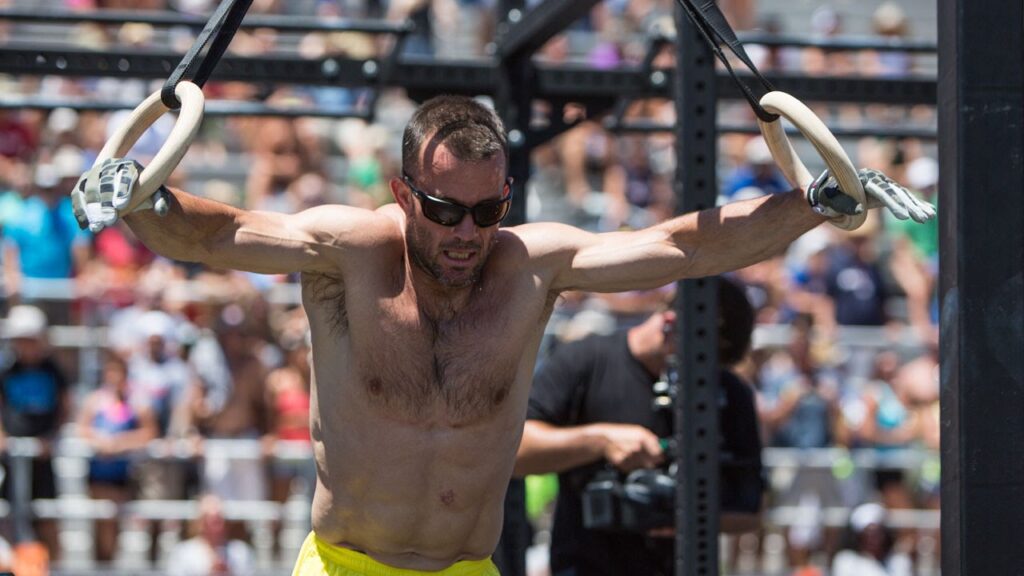
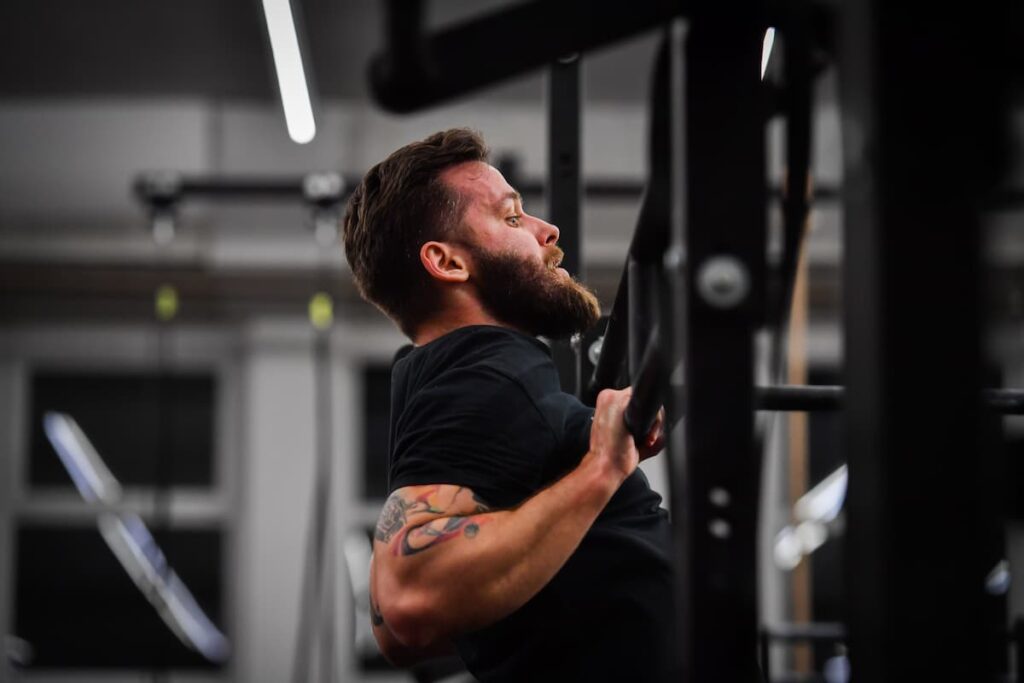
2. Pull-Ups and Chin-Ups
Pull-ups and chin-ups are vertical pulling movements that primarily target the lats and biceps, with secondary engagement of the traps and rhomboids. A study by Youdas et al. (2010) found pull-ups elicited high EMG activation in the lats and lower traps—comparable to some deadlift variations.
Assisted versions and grip variations (neutral, wide, supinated) allow for a progressive overload approach without the compressive stress on the spine.
3. Inverted Rows
Performed using suspension trainers or a barbell in a rack, inverted rows mimic horizontal rowing and are accessible for beginners. A study by Calatayud et al. (2014) showed that by adjusting body angle, EMG activity in the lats and mid-traps can rival that of weighted rows or deadlifts.
This makes inverted rows an excellent alternative for building upper back strength without axial loading.
4. Trap Bar Shrugs and Carries
Farmer’s carries and trap bar shrugs place significant isometric and concentric demands on the traps, rhomboids, and grip musculature. An investigation by Fimland et al. (2009) showed loaded carries to significantly stimulate upper trapezius fibers.
Loaded carries also contribute to core stabilization, which the deadlift develops indirectly.
5. Good Mornings and Back Extensions
For posterior chain development, good mornings and back extensions are highly effective alternatives to deadlifts. A biomechanical study by McGill et al. (2000) highlighted that these movements activate the erector spinae and gluteals similarly to deadlifts but with a reduced spinal compressive load when properly executed.
Good mornings in particular offer a hip-hinge pattern with adjustable depth and resistance.
6. Romanian Deadlifts and Hip Thrusts
While not identical to conventional deadlifts, Romanian deadlifts (RDLs) emphasize the eccentric loading of the hamstrings and glutes, making them ideal for posterior chain development. Hip thrusts isolate gluteal hypertrophy more directly.
Contreras et al. (2015) found that hip thrusts resulted in higher glute activation than squats or deadlifts in trained individuals, making them a critical inclusion for glute-dominant strength.
7. Lat Pulldowns and Cable Rows
Machines allow for consistent resistance and controlled form. Lat pulldowns simulate pull-ups with less bodyweight dependency, while cable rows target mid-back musculature with variable grip options.
Though machine-based, studies by Signorile et al. (2002) confirm these movements produce high muscular engagement when load and technique are optimized.
8. Reverse Hypers and Stability Ball Extensions
Reverse hypers are particularly useful for rehabilitative strengthening of the posterior chain. A study by Floyd et al. (2003) found that reverse hypers minimize spinal compression while significantly activating glute and hamstring muscles.
They serve as both a strength-building and recovery tool, especially for those with low-back sensitivity.
Strategic Programming Without Deadlifts

Volume and Frequency
Without the heavy loading from deadlifts, volume (total sets x reps x weight) must be manipulated strategically. Training each back region 2–3 times per week with a mix of horizontal and vertical pulls ensures comprehensive development.
A well-rounded weekly back plan could include:
- Vertical pull (pull-ups or lat pulldowns) – 2x/week
- Horizontal pull (barbell or dumbbell rows) – 2x/week
- Posterior chain (RDLs, back extensions, good mornings) – 2x/week
- Loaded carry or shrug – 1x/week
This structure allows for progressive overload, variation, and full recovery.
Progressive Overload Without the Deadlift
Progressive overload is the cornerstone of muscular growth and strength. In lieu of adding plates to a barbell deadlift, lifters can:
- Increase resistance on rows or pulldowns
- Add volume through extra sets or reps
- Reduce rest intervals for metabolic stress
- Manipulate tempo to increase time under tension
These principles can be applied to all substitute exercises effectively.
Injury Mitigation
Removing deadlifts may reduce lumbar spine stress, but poor form in rows or back extensions can also cause issues. Proper scapular retraction, neutral spine alignment, and hip hinge mechanics must be emphasized across all alternatives.
Working with light-to-moderate loads initially and gradually progressing ensures both safety and results.
Individual Considerations
Biomechanical and Anthropometric Factors
Some lifters are biomechanically disadvantaged when it comes to deadlifts. Long femurs, short torsos, or limited hip mobility can place undue stress on the lumbar region during deadlift execution. A study by Hales et al. (2009) noted that lifters with unfavorable leverages are more prone to technical breakdown and compensatory movement patterns under load.
For these individuals, targeted exercises that avoid compromised joint positions are more appropriate.
Athletic and Performance Goals
If an athlete’s sport does not require deadlifting performance, alternatives may offer more sport-specific benefits. For example:
- Sprinters may benefit more from hip thrusts and resisted sprints.
- Grapplers may find loaded carries and pull-ups more transferable to gripping and pulling motions.
Tailoring the program to performance needs—rather than arbitrary barbell standards—yields superior results.
Psychological and Motivational Aspects
Some individuals simply do not enjoy deadlifting. Consistency and adherence are more important than the specific tools used. Enjoyable and effective back training is more sustainable than forcing disliked exercises.
Moreover, training variety can combat plateaus and mental burnout. The absence of deadlifts may improve enthusiasm and consistency for some lifters.
Myths About the Deadlift’s Necessity
“You Can’t Build a Thick Back Without Deadlifts”
Thick backs result from training the traps, rhomboids, and erectors with sufficient volume and load. Rows, shrugs, and carries target these directly and sometimes more efficiently due to reduced fatigue from systemic loading.
“Deadlifts Are Irreplaceable”
No single exercise is irreplaceable. Training effects are determined by force vectors, resistance profiles, and joint actions. With appropriate substitutes that replicate these biomechanical demands, similar or superior outcomes can be achieved.
“Deadlifts Build the Entire Posterior Chain—Nothing Else Comes Close”
While true that deadlifts hit multiple muscles, their generalized stimulus may limit hypertrophy in any one area. More targeted work (e.g., hip thrusts for glutes, rows for lats) can be more efficient for hypertrophic goals.
Conclusion
You can absolutely build a strong, thick, and muscular back without ever performing a deadlift. By intelligently selecting alternative exercises that target all regions of the back and the posterior chain, and applying the principles of progressive overload, recovery, and good technique, you can match and even surpass the development typically associated with deadlift-centered programs.
Deadlifts are a tool—not a requirement. Their exclusion does not diminish the potential for a powerful physique. The goal should always be intelligent, personalized programming that aligns with your anatomy, goals, and preferences.
Bibliography
Andersen, V., Fimland, M. S., Mo, D.-A., Iversen, V. M., Vederhus, T., & Saeterbakken, A. H. (2006). Electromyographic Comparison of Barbell Deadlift, Romanian Deadlift, and Good Morning Exercises: A Cross-Sectional Study. Journal of Strength and Conditioning Research, 20(3), 587–593.
Calatayud, J., Borreani, S., Colado, J. C., Martín, F., Rogers, M. E., & Behm, D. G. (2014). Muscle Activation during Push-ups with Different Suspension Training Systems. Journal of Sports Science & Medicine, 13(3), 502–510.
Contreras, B., Vigotsky, A. D., Schoenfeld, B. J., Beardsley, C., & Cronin, J. (2015). A Comparison of Gluteus Maximus, Biceps Femoris, and Vastus Lateralis EMG Activity in the Barbell Back Squat and Barbell Hip Thrust Exercises. Journal of Applied Biomechanics, 31(6), 452–458.
Escamilla, R. F., Francisco, A. C., Kayes, A. V., Speer, K. P., & Moorman, C. T. (2002). An Electromyographic Analysis of Sumo and Conventional Style Deadlifts. Medicine and Science in Sports and Exercise, 34(4), 682–688.
Fimland, M. S., Helgerud, J., Gruber, M., Leivseth, G., & Hoff, J. (2009). Functional Maximal Strength Training Induces Neural Transfer to Single-Joint Tasks. European Journal of Applied Physiology, 107(5), 731–739.
Floyd, R. T., & Thompson, C. W. (2003). Manual of Structural Kinesiology. McGraw-Hill Education.
Hales, M. E., Johnson, B. F., & Johnson, J. T. (2009). Kinematic Analysis of the Powerlifting Style Squat and the Conventional Deadlift during Competition: Is There a Cross-Over Effect between Lifts? Journal of Strength and Conditioning Research, 23(9), 2574–2580.
McGill, S. M., & Norman, R. W. (2000). Partitioning of the L5/S1 Dynamic Moment into Disc, Ligamentous, and Muscular Components during Lifting. Spine, 13(6), 667–675.
Signorile, J. F., Zink, A. J., & Szwed, S. P. (2002). A Comparative Electromyographical Investigation of Muscle Utilization Patterns Using Various Hand Positions during the Lat Pulldown. Journal of Strength and Conditioning Research, 16(4), 539–546.
Youdas, J. W., Amundson, C. L., Cicero, K. S., Hahn, J. J., Harezlak, D. T., & Hollman, J. H. (2010). Surface Electromyographic Activation Patterns and Elbow Joint Motion during a Pull-Up, Chin-Up, or Perfect-Pullup™ Rotational Exercise. Journal of Strength and Conditioning Research, 24(12), 3404–3414.