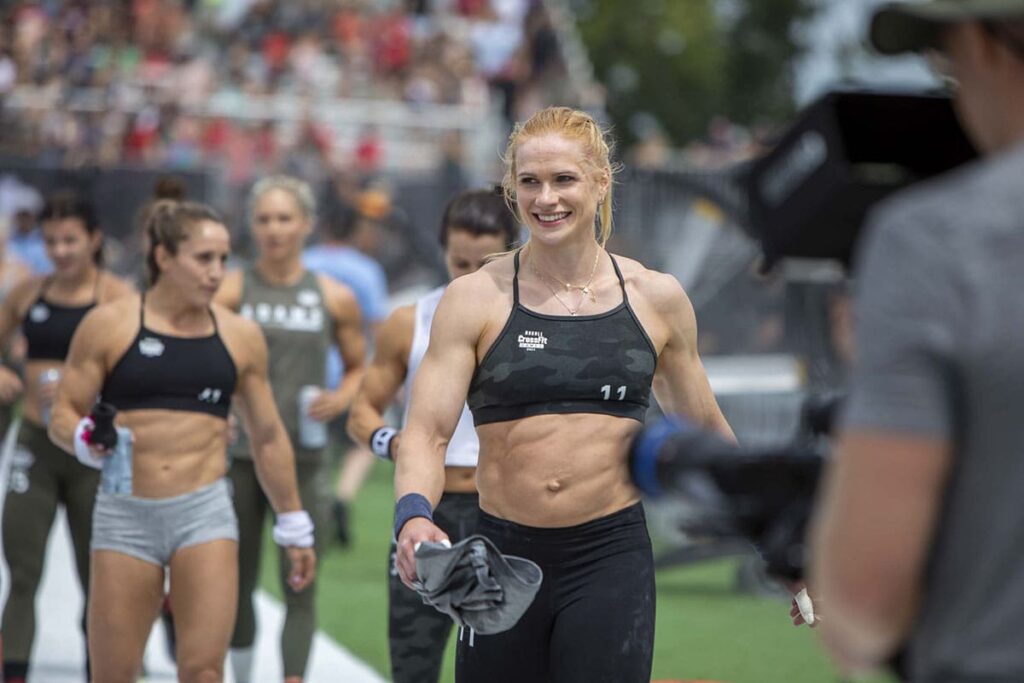
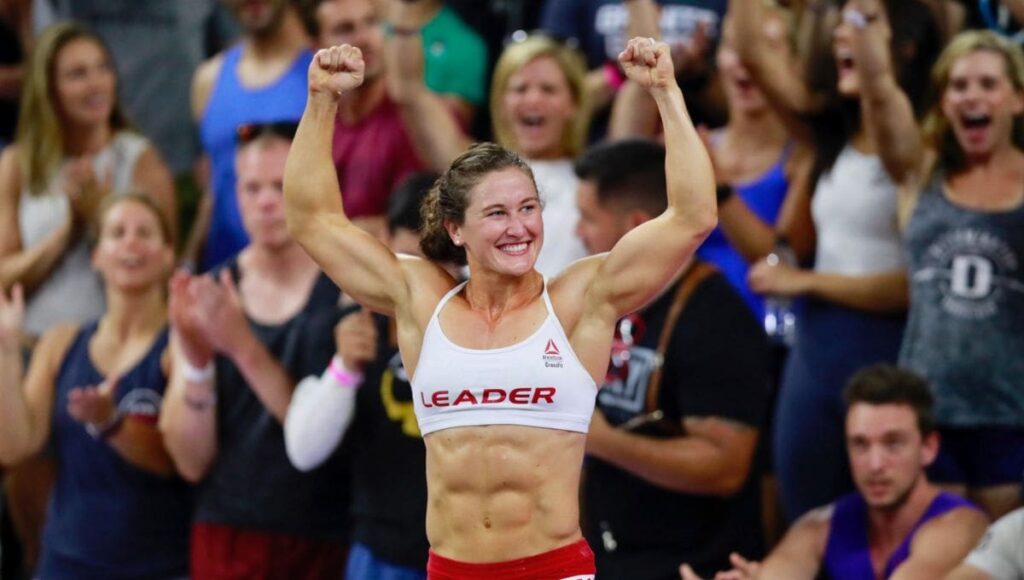
“You can have results or excuses. Not both”
Achieving a six pack is often portrayed as the pinnacle of fitness, a symbol of dedication, discipline, and physical prowess. Yet for many, the abdominal region remains the most elusive area to define, despite rigorous workouts and strict diets.


The question that persists among athletes, gym-goers, and casual fitness enthusiasts alike is: what is the best exercise for a great six pack?
The answer isn’t as simple as naming a single movement. True abdominal development stems from a combination of scientifically supported resistance exercises, functional movement patterns, and overall body composition strategies. This article examines the anatomy of the abs, the physiological requirements for visibility, and the evidence-backed exercises that build and define each part of the core.

Understanding the Anatomy of the Abdominals
To target your abs effectively, you need to understand what muscles make up the abdominal wall. The major abdominal muscles include:
- Rectus Abdominis: The “six pack” muscle, responsible for spinal flexion.
- External Obliques: Located on the sides of the rectus abdominis, they assist in rotation and lateral flexion.
- Internal Obliques: Situated beneath the external obliques, aiding in similar movements.
- Transversus Abdominis (TVA): The deepest layer, critical for core stability and intra-abdominal pressure.
Training all these muscles holistically, rather than obsessing over just the rectus abdominis, is essential for a well-defined and functional core.
Visibility vs. Strength: You Can’t Out-Crunch a Bad Diet
Before diving into exercises, a clear distinction must be made: no matter how strong your abdominals are, they won’t be visible if they’re hidden beneath a layer of fat. According to a review by Schoenfeld (2010), localized fat loss via exercise (spot reduction) is a myth. This means you can’t crunch your way to a six pack unless your overall body fat is low enough for the muscles to be seen.
For men, six pack visibility typically occurs around 10–12% body fat, and for women, around 16–20%. Achieving this requires a combination of proper diet, overall caloric control, and high energy expenditure through both resistance and cardiovascular training.
Criteria for the Best Ab Exercise
When evaluating the effectiveness of abdominal exercises, research and EMG (electromyographic) studies use several criteria:
- Muscle Activation: Measured by EMG, higher activation generally leads to greater strength and hypertrophy.
- Functionality: Movements that reflect real-world actions and compound movement integration.
- Spinal Safety: Exercises must not impose excessive strain on the lumbar spine.
- Load Progression: The exercise should allow progressive overload, a key factor in muscle development.
With this framework, we can now explore the top scientifically supported exercises for abdominal development.
The Top Exercises for Building a Six Pack
1. Hanging Leg Raise
The hanging leg raise is one of the most effective rectus abdominis exercises, with significant activation in both the upper and lower regions of the muscle. EMG studies by Escamilla et al. (2006) found that leg raises, particularly when performed with controlled form and posterior pelvic tilt, activated the lower rectus abdominis more than traditional crunches.
Execution: Hang from a pull-up bar, engage the scapulae, and raise the legs until they are parallel or above parallel to the ground, while maintaining a posterior pelvic tilt to engage the abs fully.
Why it’s effective: It trains the abs dynamically, requires full-body tension, and forces anti-sway control from the core.
2. Weighted Cable Crunch
The weighted cable crunch allows for progressive overload, a key to muscle growth according to the hypertrophy principles outlined by Schoenfeld et al. (2016). When performed with strict form, it creates peak contraction of the rectus abdominis under resistance.
Execution: Kneel under a cable pulley, hold the rope behind your head, and contract the abs to bring the elbows toward the knees. Avoid hip movement—focus solely on spinal flexion.
Scientific Support: EMG data from studies like those by Andersson et al. (1997) confirm high activation of the upper rectus abdominis during resisted crunches.
3. Ab Wheel Rollout
The ab wheel rollout is a full-core exercise targeting not just the rectus abdominis but also the deep TVA and obliques. A study by Youdas et al. (2008) found rollout variations to be among the top performers in EMG activation for deep core musculature.

Execution: From kneeling or standing, roll forward while maintaining a neutral spine and braced core. Return by engaging the core rather than pulling with the arms.
Why it’s superior: It places an eccentric load on the abs and challenges the core’s ability to resist spinal extension—mimicking functional anti-extension movement patterns.
4. Decline Bench Sit-Up (Weighted)
A classic, but only when done right. This move becomes highly effective when performed with added resistance and proper spinal flexion control. A study by Clark et al. (2003) showed significantly higher rectus abdominis activation on a decline surface compared to flat ground sit-ups.
Execution: Anchor the feet, use a slow tempo, and curl the spine rather than hinging at the hips. Add a weight plate for progressive overload.
Caution: Avoid jerking movements or using momentum; this can lead to spinal loading and reduced abdominal activation.
5. Plank Variations
While often criticized for being too easy, advanced plank variations such as RKC (Russian Kettlebell Challenge) planks, plank with reach, or weighted planks significantly increase muscular engagement.
Scientific Insight: Ekstrom et al. (2007) showed increased EMG activity in the rectus abdominis and obliques when isometric planks were intensified with limb movement or external load.
Why it’s crucial: Planks target the deep core stabilizers (TVA), which are essential for maintaining posture, preventing injury, and building endurance-based abdominal strength.
6. Pallof Press
This anti-rotation movement challenges the obliques and TVA in a way that mimics functional core use in sports and daily life. Studies by Willardson (2007) emphasize the importance of including anti-rotation exercises in a complete core program.
Execution: Stand or kneel perpendicular to a cable or resistance band. Press the handle straight out, resisting the rotation force that tries to pull you sideways.
Benefits: Develops transverse and oblique strength while promoting spinal integrity and neutral pelvic positioning.
7. Reverse Crunch (With Posterior Pelvic Tilt)
The reverse crunch, when performed with strict posterior pelvic tilt, is highly effective at isolating the lower region of the rectus abdominis.
Study Support: A comparative EMG analysis by Clark et al. (2003) showed that the reverse crunch activated the lower abdominals significantly more than standard crunches.
Execution: Lie on your back, knees bent, lift the pelvis off the floor by curling toward the chest—not just swinging the legs. Focus on contraction, not momentum.
8. Dead Bug
The dead bug is a foundational movement for building motor control and deep core activation, especially useful for beginners or those recovering from injury.
Mechanism: Trains anti-extension and contralateral core coordination—two essential qualities for core function in compound lifts and athletic movement.
Research: Studies such as by Stanton et al. (2004) indicate dead bugs activate TVA and rectus abdominis in low-load patterns with minimal spinal stress.
Honorable Mentions: Exercises to Avoid or Use with Caution
- Traditional Crunches: While they do activate the upper abs, they don’t allow progressive overload and may encourage forward head posture if performed excessively or poorly.
- Sit-Ups with Anchored Feet: High potential for hip flexor dominance and lumbar spine stress. Better alternatives exist.
- Side Bends with Dumbbells: These often train the quadratus lumborum more than the obliques and can create imbalances if overused.
How Often Should You Train Abs?
Contrary to popular belief, abdominals respond to training much like any other muscle group. They require overload, recovery, and consistency. Training abs 2–3 times per week with a mix of loaded and bodyweight movements is ideal. As per the principles outlined by Grgic et al. (2018), training frequency of 2–3 times per week results in superior hypertrophy gains compared to once-weekly sessions.
A Note on Core Training vs. Ab Training
Not all core training directly translates to visible abs. Planks, dead bugs, bird-dogs, and other stability exercises may not cause hypertrophy of the rectus abdominis but are critical for spinal health, posture, and injury prevention. A complete six pack training plan should combine both hypertrophy-focused and functionally integrative exercises.
Best Training Plan for Six Pack Development
A weekly plan might look like this:
Day 1:
- Hanging Leg Raises – 3×12
- Cable Crunch – 4×10
- Pallof Press – 3×12 per side
Day 2 (Later in the week):
- Ab Rollouts – 3×10
- RKC Planks – 3×30 seconds
- Dead Bugs – 3×15 per side
Pairing these routines with compound lifts (squats, deadlifts, overhead presses) ensures full-body core engagement throughout the week.
Bibliography
Andersson, E. A., Nilsson, J., Ma, Z., Thorstensson, A. and Sjödin, B. (1997). Abdominal muscle activation during cycling. Scandinavian Journal of Medicine & Science in Sports, 7(6), pp.329–335.
Clark, K. M., Holt, L. E. and Sinyard, J. (2003). Electromyographic comparison of traditional crunch, reverse crunch, and abdominal roller exercises. Journal of Strength and Conditioning Research, 17(3), pp.541–547.
Ekstrom, R. A., Donatelli, R. A. and Carp, K. C. (2007). Electromyographic analysis of core trunk, hip, and thigh muscles during 9 rehabilitation exercises. Journal of Orthopaedic & Sports Physical Therapy, 37(12), pp.754–762.
Escamilla, R. F., Babb, E., DeWitt, R., Jew, P. and Kelleher, P. (2006). Electromyographic analysis of traditional and non-traditional abdominal exercises: implications for rehabilitation and training. Journal of Orthopaedic & Sports Physical Therapy, 36(1), pp.45–57.
Grgic, J., Schoenfeld, B. J., Orazem, J. and Sabol, F. (2018). Effects of resistance training frequency on measures of muscle hypertrophy: a systematic review and meta-analysis. Sports Medicine, 48(5), pp.1207–1220.
Schoenfeld, B. J. (2010). The mechanisms of muscle hypertrophy and their application to resistance training. Journal of Strength and Conditioning Research, 24(10), pp.2857–2872.
Schoenfeld, B. J., Ogborn, D. and Krieger, J. W. (2016). Dose-response relationship between weekly resistance training volume and increases in muscle mass: a systematic review and meta-analysis. Journal of Sports Sciences, 35(11), pp.1073–1082.
Stanton, R., Reaburn, P. and Humphries, B. (2004). The effect of short-term Swiss ball training on core stability and running economy. Journal of Strength and Conditioning Research, 18(3), pp.522–528.
Willardson, J. M. (2007). Core stability training: applications to sports conditioning programs. Journal of Strength and Conditioning Research, 21(3), pp.979–985.
Youdas, J. W., Amundson, C. L., Cicero, K. S., Hahn, J. J., Harezlak, D. T. and Hollman, J. H. (2008). Surface electromyographic activation patterns and elbow joint motion during a pull-up, chin-up, or perfect pull-up rotational exercise. Journal of Strength and Conditioning Research, 24(2), pp.340–347.
Key Takeaways
| Key Takeaway | Explanation |
|---|---|
| Ab visibility is diet-dependent | You need low body fat (≈10–12% for men, 16–20% for women) for visible abs. |
| Best exercises combine load and control | Weighted and bodyweight movements like hanging leg raises and cable crunches are superior. |
| Posterior pelvic tilt is crucial | Ensures activation of the lower abs during leg raises and reverse crunches. |
| Anti-rotation and stability matter | Pallof presses and planks develop functional strength and injury prevention. |
| Progressive overload applies to abs too | Just like other muscles, abs grow best with increasing resistance and training volume. |
| Core ≠ Abs | Functional core work and hypertrophy-focused ab exercises both matter. |
| EMG studies guide effectiveness | Data-backed exercises show greater activation and safety. |