Leg day is a critical part in any workout and is often one of the most fun. Even with heavy weight, the worst leg day mistakes that kill muscle growth can really send your program in a circular path that leads nowhere. If hitting your gains is on your goal list and you want to see muscle growth, stay tuned.
Many lifters look forward to leg day; it is loaded with power exercises, compound lifts, and can really feel rewarding. However, there are some common, sometimes subtle, mistakes that may be derailing your muscle growth. Let’s take a closer look ahead on the type of mistakes to look after. 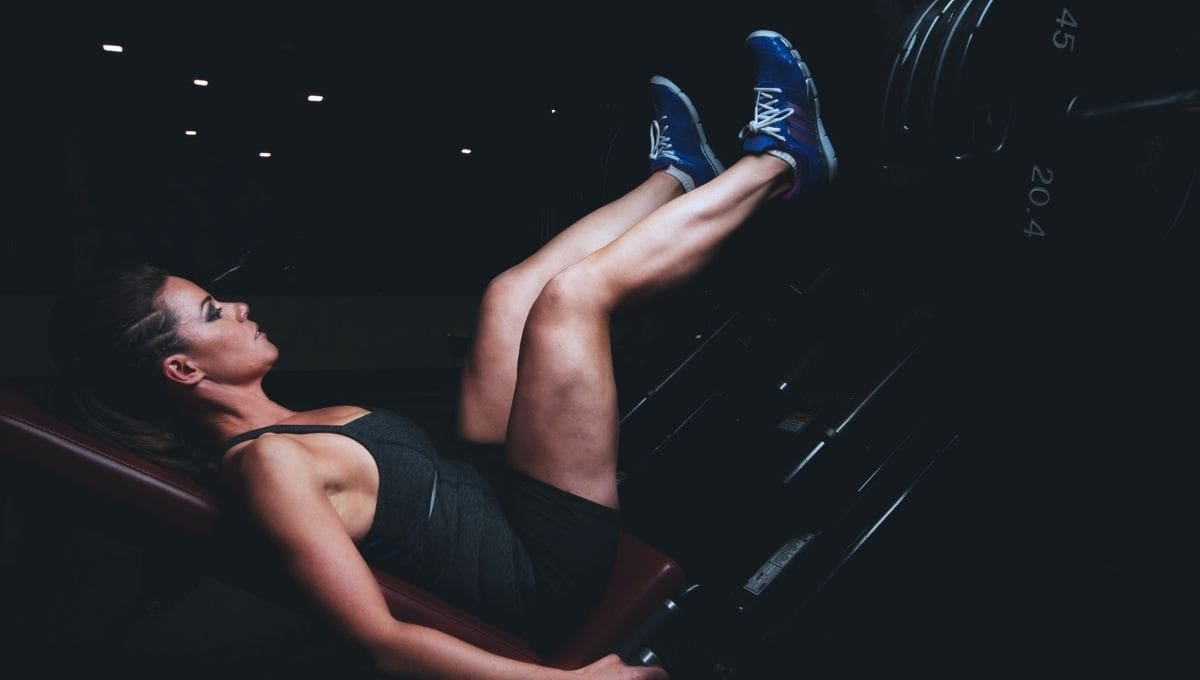


The Worst Leg Day Mistakes that Kill Muscle Growth
If you have not seen the results you should be getting from your leg day routine, perhaps it is due to the following mistakes ahead.
- Improper Warm-Ups. Perhaps your leg day routine is sabotaged before you even get started. A warm-up should include a brief, 5-10 minute light activity to get the blood circulating and prepare the muscles for work. Too often, the mistake occurs where athletes perform too many exercises as a warm-up and fatigue settles in mid-workout. Your warm-up for leg day should look something like this:
- Light jog or bike for 2-3 minutes.
- One set of body weight squats.
- 2-3 reps of light (30-40% of your one-rep max) lifts.
- 5-10 body weight calf raises.
- 5-10 leg circles each leg.
This type of warm-up should last no more than ten minutes and should have your body ready to go for leg day without feeling wiped out mid-lifts.
- Fast and Uncontrolled Movements. Sometimes your HIIT workout calls for fast movements and that’s okay. However, if you notice you are rushing through your leg day routine, with fast muscle movements, then perhaps this could be a mistake in your progress. Hitting your lower body gains is much more efficient when you perform slow, controlled movements through the range of motion.
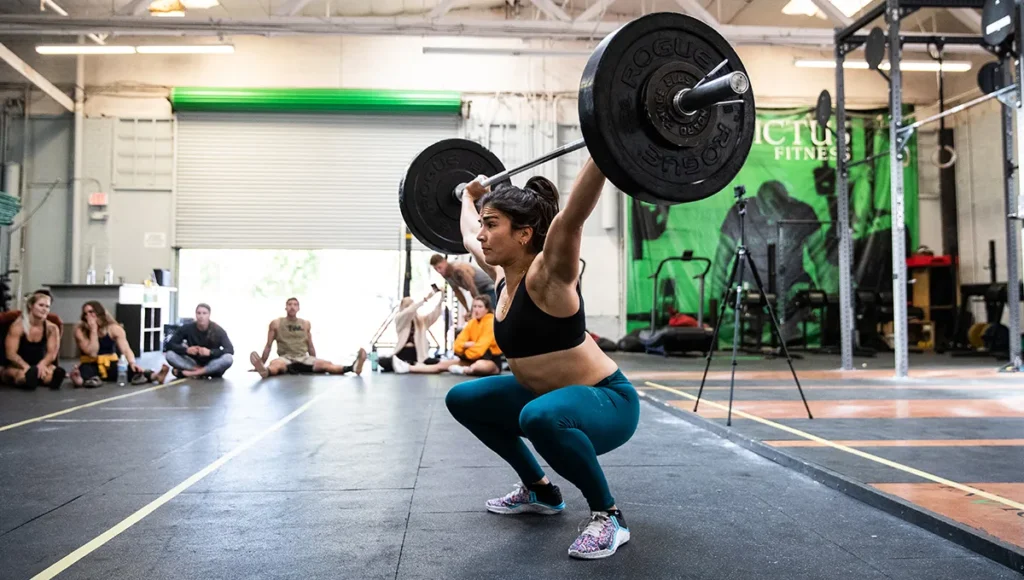
- Your Squat Depth is Off. A common mistake seen in athletes looking to complete the lift with heavy weight is that they don’t lower down far enough. Your squat depth should lower you down to where your thighs are at least parallel to the ground. If your squat depth isn’t deep enough, consider the following tips to help you get more from your squats.
- Use a Smith machine to help stabilize and provide slight assistance until you are used to a lower depth.
- Place a flat bench behind you and aim to touch the glutes to it when lowering.
- Take some weight off the barbell and focus on deeper squats until you nail down your form.
- Have a spotter help you to lower.
- Perform your squats in front of a mirror to guide you through the lift.
- Quads Driven. Too often, lifters focus solely on squats and leg presses (which are great), but neglect other leg muscles. Leg gains occur by working all leg muscles, meaning the glutes, hamstrings, calves, and smaller rotational muscles are necessary to hit goals. If you find that you are heavy on squats and presses, but lacking on leg curls and other muscles, consider adding in additional exercises.
- Same Exercises. One of the biggest leg day mistakes is to only do the same exercises day-in and day-out. While squats are amazing at growing leg muscles, it is important to mix up your power lifts from time to time. Consider these lifts ahead:
- Deadlifts
- Power Cleans
- Romanian Deadlifts
- Weighted Lunges
- Weighted Sled Push
- Same Workout Volume. It’s great to hit the gym regularly and crush it every day. However, if you are doing the same heavy weight that you started with a year ago, with 3 sets of 12 reps, then it’s time to change. In order to prevent leg day mistakes, you need to achieve progressive overload. Here’s how you can re-establish progressive overload, reset your workout, and get back on course.
- Establish your one-rep max in your leg lifts.
- Design your leg day workout to achieve more volume. Do this by increasing your weight with each set and adding to this every two weeks. A 10% boost in weight every two weeks is a nice start, or add the next weight plate to continue pushing your body.
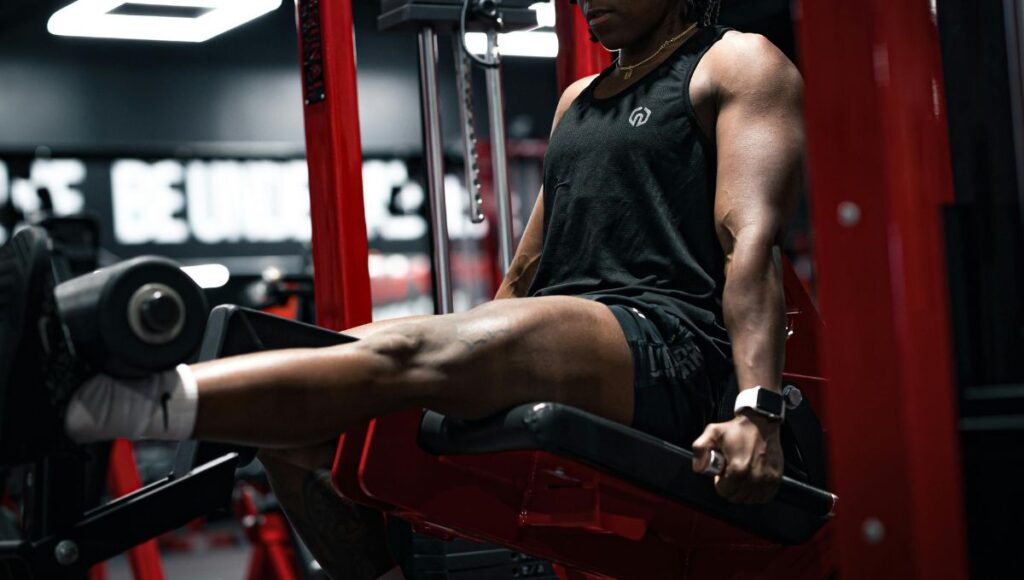
- Too Much Machine Work. While machine workouts are fine and still encouraged, nothing beats free weights to work the legs (and any part of the body for that matter). A common leg day mistake is to rely solely on machine assistance for your workouts. Machines provide weight through pulleys, cables, stacks, and weight plates, but they are designed to help you move through a very specific range of motion. Free weights require your body to work harder, without assistance, and are typically great for results.
- Your Time Between Sets is Long. Ideally, you should allow anywhere from 30-90 seconds of rest between sets. Anything above this allows your muscles to recover and you don’t get the dose-response needed to grow muscle mass.
- Protein Consumption. Perhaps one of the worst leg day mistakes that kill muscle growth is missing out on timely protein after your workout. It is critical to make sure your body has the tools it needs for recovery with ample essential amino acids. Aim for protein consumption as follows:
- Within 30 minutes after your leg day workout.
- At least 20 grams of protein, preferably whey or a combination of whey and casein.
- Contains all 9 essential amino acids, ample branched chain amino acids, glutamine, and leucine.
- Consume a total of 1.5-2.2 grams of protein per kilogram of body weight per day.
- Rest and Recovery Is Misaligned. The recovery you get after your workout should align with readying your muscles for a workout the next time around. One of the worst leg day mistakes that kill muscle growth is having a recovery period that is not aligned with taking care of your body. Consider more sleep, massage, meditation, or cupping to help recover your legs.

Wrapping It Up
When your leg day is here make sure to avoid the worst leg day mistakes that kill muscle growth. While some include easy fixes, it is important to know what factors are in play so that you can avoid them as well.
Any competing athlete should be diligent on leg day routines and monitor how much rest you get for optimal recovery. It’s always important to be mindful of nutrition and to be aware of protein consumption to ensure adequate amino acids reach the recovering muscles.
Resources
https://pmc.ncbi.nlm.nih.gov/articles/PMC9518437
https://pubmed.ncbi.nlm.nih.gov/33767255