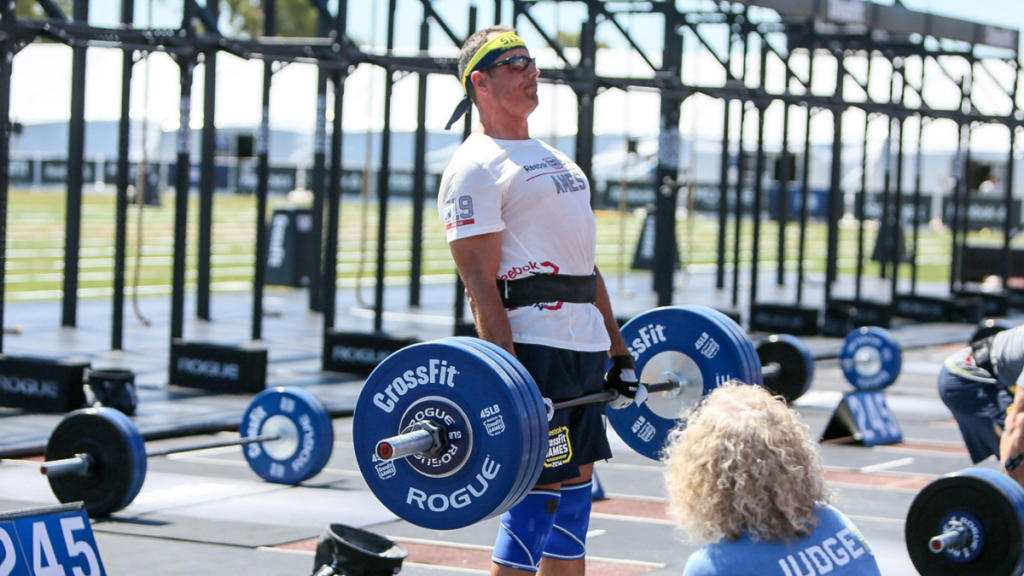
Eccentric training—where muscles lengthen under tension—has emerged as one of the most powerful tools in a strength athlete’s arsenal.
Whether you’re a seasoned lifter, a CrossFit enthusiast, or a functional fitness athlete aiming for real-world power and muscular development, focusing on the eccentric phase of your lifts can help unlock dramatic progress.


This article explores three scientifically supported benefits of eccentric training for strength and hypertrophy, breaking down the physiological mechanisms and offering practical applications, all rooted in current research.
What Is Eccentric Training?
Eccentric training refers to exercise that emphasizes the lengthening phase of a muscle contraction. This occurs when a muscle resists a load while being stretched—for instance, lowering the bar during a bench press or descending in a squat. This is different from concentric (muscle shortening) and isometric (no length change) phases. Importantly, muscles can produce significantly more force eccentrically than concentrically, which has implications for adaptation and training programming.
Benefit 1: Superior Strength Gains

Eccentric Training Generates Greater Force
During eccentric contractions, muscles generate higher force than during concentric contractions. In fact, muscles can handle loads up to 1.3 to 1.5 times greater eccentrically than concentrically (Roig et al., 2009). This elevated force production recruits higher-threshold motor units that are usually activated only during maximal efforts or high-intensity work. These are the same motor units responsible for generating high levels of strength.
Enhanced Neural Adaptations
Eccentric training has been shown to cause more significant neural adaptations than concentric-only training. This includes improved motor unit synchronization, increased firing rates, and better intra- and intermuscular coordination. A study by Hortobágyi et al. (1996) demonstrated that eccentric training led to greater increases in maximal voluntary contraction compared to concentric training in a matched protocol. These adaptations are critical for athletic performance, especially in explosive sports and resistance-based competition.

Carryover to Concentric Strength
A concern sometimes raised is whether eccentric strength translates to concentric performance. The evidence suggests it does. Farthing and Chilibeck (2003) found that eccentric training not only improved eccentric strength but also led to increases in concentric strength, particularly when heavy eccentric loads were used. Eccentric training seems to stimulate adaptations across the entire neuromuscular system, which boosts performance in dynamic movements such as squats, cleans, and push presses.
Benefit 2: Accelerated Muscle Hypertrophy

Greater Mechanical Tension and Microtrauma
Eccentric contractions place more mechanical stress on muscle fibers than concentric actions. This stress leads to higher levels of microtrauma, which stimulates muscle repair and growth during recovery. Mechanical tension is one of the three key mechanisms of hypertrophy, alongside muscle damage and metabolic stress. According to a meta-analysis by Schoenfeld (2010), eccentric loading produces significantly greater muscle damage, which is positively associated with hypertrophy signaling pathways.
Enhanced Muscle Protein Synthesis
Following eccentric workouts, the body ramps up muscle protein synthesis (MPS) to repair damaged fibers and lay down new tissue. Moore et al. (2005) found that MPS rates remained elevated for up to 72 hours after eccentric exercise, longer than the response from concentric training. This extended anabolic window means more muscle growth over time, provided adequate nutrition and recovery are in place.
Fiber-Type Shifts and Sarcomeric Addition
Eccentric training encourages the addition of sarcomeres in series within muscle fibers, contributing to muscle length and structural integrity. This architectural change can improve both muscle performance and aesthetics. Moreover, eccentric loading appears to preferentially stimulate fast-twitch (Type II) muscle fibers, which have the greatest growth potential. Franchi et al. (2014) observed more significant increases in muscle cross-sectional area after eccentric-focused training compared to concentric-focused training, suggesting superior hypertrophic effects.
Benefit 3: Injury Prevention and Tendon Resilience
[wpcode id=”229888″]Strengthening Tendons and Connective Tissue
Tendons and ligaments adapt positively to eccentric loading. One key adaptation is the increased collagen synthesis in tendons, which improves tensile strength and reduces injury risk. Eccentric loading causes tendons to become stiffer and more resilient. Research by Kjaer et al. (2009) demonstrated that eccentric exercise leads to an upregulation in collagen production, particularly in tendinous tissue, aiding in both injury prevention and rehabilitation.
Effective in Treating Tendinopathy
Eccentric training is the gold standard for managing chronic tendinopathy, such as patellar or Achilles tendinitis. Alfredson et al. (1998) conducted a groundbreaking study on patients with Achilles tendinopathy, showing that eccentric calf raises significantly reduced pain and restored function better than rest or traditional physical therapy. Since then, similar protocols have been successfully used in treating other forms of tendinopathy.
Muscle-Lengthening Adaptations Reduce Injury Risk
Eccentric exercise promotes structural adaptations that lengthen muscles, particularly by increasing fascicle length. Timmins et al. (2016) found that increased hamstring fascicle length following eccentric training correlated with reduced risk of hamstring strain injuries in soccer players. This is especially important in high-speed or high-stretch sports such as sprinting, CrossFit, and Olympic lifting.
Integrating Eccentric Training Into Your Program

Use Supra-Maximal Loading
Given the higher force-producing capacity of eccentric contractions, loads of 110–130% of 1RM are often used in eccentric-focused sessions. These are best performed with assistance during the concentric phase (e.g., spotter or machine). Such loading is most appropriate for advanced lifters who have established a solid foundation in movement technique.
Slow Down the Tempo
You don’t need fancy equipment to benefit from eccentric training. Simply slowing down the lowering phase of your lifts—e.g., 3–6 seconds on the descent of a squat or bench press—can significantly increase time under tension and mechanical stress, which boosts hypertrophic response.
Utilize Eccentric-Only Movements
Movements such as Nordic hamstring curls, eccentric pull-ups, and eccentric-only leg curls are excellent ways to target specific muscle groups. These exercises are particularly useful in bodyweight or minimalist training environments and are excellent for rehabilitation and tendon health.
Periodize Eccentric Emphasis
Because of the intense muscular damage it causes, eccentric training should be cycled into a program strategically. A 3–4 week mesocycle of eccentric emphasis followed by a deload or switch to concentric-dominant training can maximize gains while minimizing overtraining risk. It’s also best introduced during the off-season or preparatory phase of an athlete’s training year.
Cautions and Considerations

High Recovery Demand
The intense nature of eccentric training means it induces more muscle soreness and requires longer recovery. Athletes should avoid overuse and ensure recovery modalities—nutrition, hydration, sleep, and active recovery—are optimized.
Technique is Paramount
Heavier eccentric loading increases injury risk if performed with poor form. It’s essential to maintain technical integrity and use spotters or safety equipment when handling supra-maximal weights.
Best Suited for Intermediate to Advanced Lifters
Beginners should first build base strength and proprioception before integrating eccentric overload techniques. Controlled eccentrics with submaximal weight and slowed tempos are appropriate starting points.
Conclusion
Eccentric training offers potent benefits that can dramatically enhance strength, muscle hypertrophy, and resilience against injury. Its unique ability to generate high levels of mechanical stress, induce structural adaptations, and reinforce connective tissue makes it a valuable addition to any serious training program.
While it comes with increased recovery demands and technical requirements, when programmed properly, it can unlock new levels of athletic potential.
Bibliography
Alfredson, H., Pietilä, T., Jonsson, P. and Lorentzon, R., 1998. Heavy-load eccentric calf muscle training for the treatment of chronic Achilles tendinosis. The American Journal of Sports Medicine, 26(3), pp.360-366.
Farthing, J.P. and Chilibeck, P.D., 2003. The effects of eccentric and concentric training at different velocities on muscle hypertrophy. European Journal of Applied Physiology, 89(6), pp.578-586.
Franchi, M.V., Atherton, P.J., Reeves, N.D., Flück, M. and Narici, M.V., 2014. Architectural, functional and molecular responses to concentric and eccentric loading in human skeletal muscle. Acta Physiologica, 210(3), pp.642-654.
Hortobágyi, T., Hill, J.P., Houmard, J.A., Fraser, D.D., Lambert, N.J. and Israel, R.G., 1996. Adaptive responses to muscle lengthening and shortening in humans. Journal of Applied Physiology, 80(3), pp.765-772.
Kjaer, M., Langberg, H., Heinemeier, K., Bayer, M.L., Hansen, M., Holm, L. and Magnusson, S.P., 2009. From mechanical loading to collagen synthesis, structural changes and function in human tendon. Scandinavian Journal of Medicine & Science in Sports, 19(4), pp.500-510.
Moore, D.R., Phillips, S.M., Babraj, J.A., Smith, K. and Rennie, M.J., 2005. Myofibrillar and collagen protein synthesis in human skeletal muscle in young men after maximal shortening and lengthening contractions. American Journal of Physiology-Endocrinology and Metabolism, 288(6), pp.E1153-E1159.
Roig, M., O’Brien, K., Kirk, G., Murray, R., McKinnon, P., Shadgan, B. and Reid, W.D., 2009. The effects of eccentric versus concentric resistance training on muscle strength and mass in healthy adults: a systematic review with meta-analysis. British Journal of Sports Medicine, 43(8), pp.556-568.
Schoenfeld, B.J., 2010. The mechanisms of muscle hypertrophy and their application to resistance training. Journal of Strength and Conditioning Research, 24(10), pp.2857-2872.
Timmins, R.G., Shield, A.J., Williams, M.D., Lorenzen, C. and Opar, D.A., 2016. Architectural adaptations of muscle to training and injury: a narrative review outlining the contributions by fascicle length, pennation angle and muscle thickness. British Journal of Sports Medicine, 50(23), pp.1467-1472.