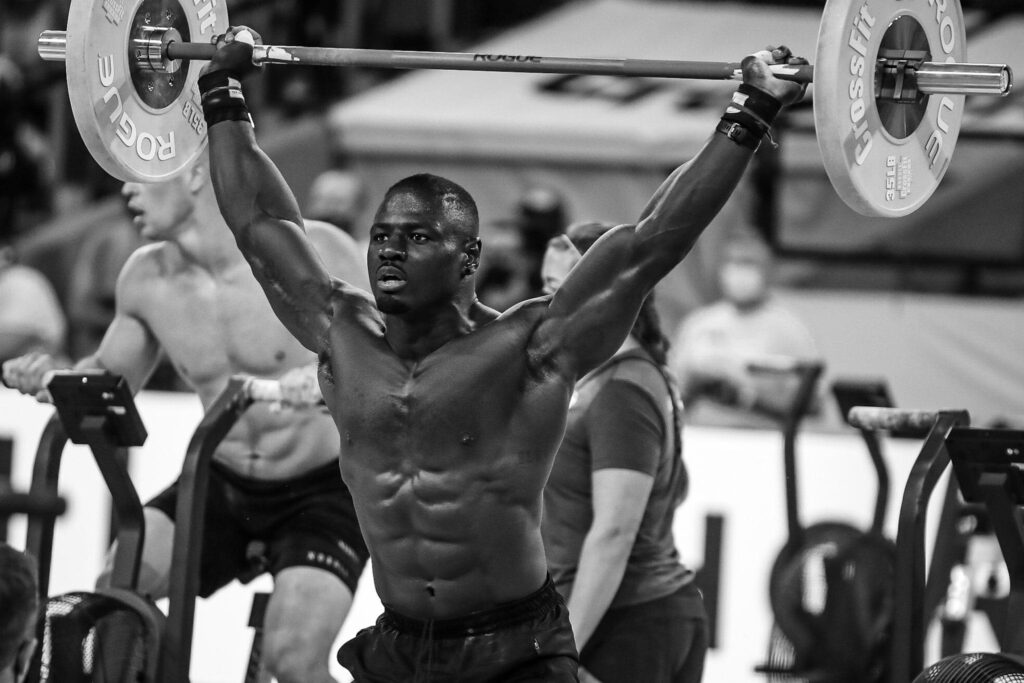
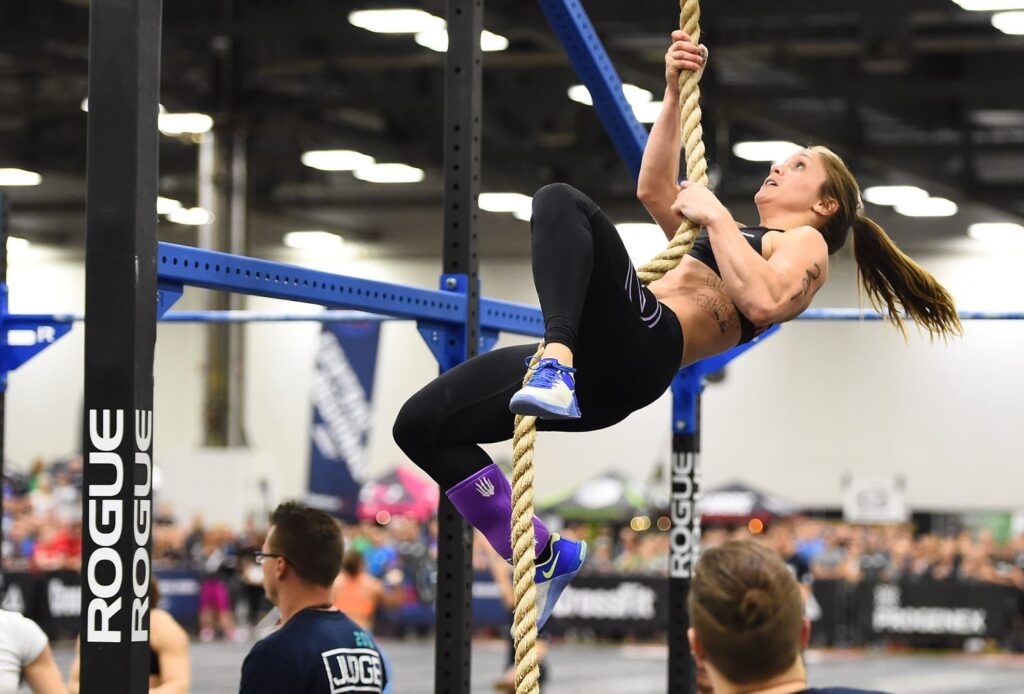
Functional training isn’t just another fitness buzzword—it’s a performance-oriented approach to movement that enhances the way your body performs everyday tasks. Rooted in biomechanics and neurophysiology, functional training aims to mimic and reinforce natural movement patterns to build strength, stability, and mobility.
In this article, we’ll explore eight daily activities that can be transformed into highly effective functional training exercises. Each section explains the exercise, its relevance to real-world movement, and the supporting science behind its effectiveness.


What Is Functional Training?
Functional training emphasizes compound movements that activate multiple joints and muscle groups simultaneously. Unlike isolated weight training exercises (e.g., bicep curls), functional training targets dynamic patterns like pushing, pulling, hinging, squatting, rotating, carrying, and walking—movements you use in real life.
Research has demonstrated that functional movement exercises can lead to improvements in balance, coordination, muscle strength, and overall physical function in both athletic and aging populations (Behm & Sale, 1993; Santana, 2001). Moreover, functional training has been found to reduce injury risk by enhancing neuromuscular control and joint stability (Myer et al., 2006).
1. Walking → Loaded Carries
Why It Works
Walking is a fundamental human movement, but when you add load to it, such as in farmer’s carries or suitcase carries, it becomes a full-body functional workout. Loaded carries train your grip strength, shoulder stability, trunk stiffness, and core bracing ability—all while improving gait mechanics and balance.
The Science
A study by Stuart McGill, a renowned spine biomechanics researcher, highlights that carrying weights challenges the body’s ability to stabilize through the spine and hips (McGill, 2007). This form of training also increases cross-lateral movement coordination, which is essential in sports and everyday locomotion.
[wpcode id=”229888″]How To Train It
- Perform farmer’s carries with dumbbells or kettlebells held at your sides.
- Progress by increasing weight or distance.
- Practice unilateral suitcase carries to activate anti-rotational core muscles.
2. Sitting and Standing → Box or Air Squats
Why It Works
Every time you get out of a chair, you’re squatting. Performing bodyweight or weighted squats replicates this movement, reinforcing neuromuscular pathways, joint alignment, and gluteal activation necessary for standing up safely and powerfully.
The Science
Squats have been shown to activate the gluteus maximus, quadriceps, and hamstrings effectively (Escamilla, 2001). These muscles are central to lower body function and injury prevention. Squat variations can also improve balance and proprioception in older adults (Granacher et al., 2013).
How To Train It
- Practice air squats slowly to mimic sit-to-stand mechanics.
- Use a box or bench to simulate the height of your chair.
- Focus on knee alignment and hip depth to reinforce proper movement.
3. Picking Things Up → Deadlifts
Why It Works
Bending down to lift grocery bags or a dropped item off the floor uses the hip hinge pattern, the same motion used in deadlifts. Incorporating deadlifts into your routine enhances posterior chain strength, lumbar spine protection, and hip joint mobility.
The Science
Deadlifting recruits large muscle groups including the glutes, hamstrings, spinal erectors, and lats. According to Cholewicki and McGill (1996), these muscles play a key role in spinal stabilization and injury prevention when lifting objects from the ground.
How To Train It
- Start with hip hinge drills like kettlebell Romanian deadlifts.
- Use a dowel rod along the spine to maintain a neutral back.
- Advance to trap bar or conventional deadlifts for greater resistance.
4. Carrying Groceries → Loaded Walks and Farmer’s Marches
Why It Works
Carrying groceries isn’t just an errand—it’s a functional workout. Training with loaded carries reinforces grip strength, spinal alignment, core bracing, and gait stability, especially when done unilaterally.
The Science
Carrying uneven loads forces the core to resist lateral flexion and rotation, engaging obliques and deep stabilizers like the transversus abdominis (Anderson & Behm, 2004). These muscles contribute to balance and prevent back injury.
How To Train It
- Use kettlebells or sandbags to mimic groceries.
- Walk for time or distance, alternating sides.
- Progress to a farmer’s march by pausing and stabilizing with each step.
5. Climbing Stairs → Step-Ups and Lunges
Why It Works
Climbing stairs activates hip extensors, knee stabilizers, and ankle flexors—all key components in dynamic leg strength. Turning this action into training helps improve unilateral balance and force production.

The Science
Step-ups elicit high activation in the gluteus medius and maximus, essential for hip stability (Presswood et al., 2008). Additionally, lunge movements enhance stride length and functional mobility (Potach & Chu, 2000).
How To Train It
- Perform step-ups on a stable box or stair.
- Add dumbbells for increased resistance.
- Include reverse or walking lunges for multi-directional activation.
6. Reaching and Pulling → Rows and Pulls
Why It Works
Reaching for objects or pulling doors open is a pull-dominant movement pattern. Training it strengthens the posterior chain, improves shoulder health, and balances out push-dominant exercises.
The Science
Rowing exercises activate the scapular retractors and stabilizers like the rhomboids, traps, and rear delts (Snyder & Leech, 2009). These muscles are essential for posture correction and shoulder joint integrity.
How To Train It
- Use resistance bands or TRX for inverted rows.
- Perform single-arm dumbbell rows to mimic unilateral reaching.
- Incorporate face pulls for scapular control and rotator cuff health.
7. Pushing Doors → Push-Ups and Presses
Why It Works
Pushing movements replicate the action of opening a heavy door or pushing a cart. These involve the pectorals, triceps, and anterior deltoids and also require core stabilization when done correctly.
The Science
Push-ups are one of the most effective closed kinetic chain exercises for the upper body. They not only build pushing strength but also enhance scapulothoracic rhythm and trunk control (Cogley et al., 2005).
How To Train It
- Master push-up progressions from knees to toes.
- Add resistance bands or incline variations.
- Use dumbbells for floor or overhead pressing movements.
8. Rotating to Reach → Woodchoppers and Rotational Slams
Why It Works
Rotational movement is critical in sports, housework, and even getting in and out of a car. Training rotational strength improves transverse plane stability and thoracic spine mobility.
The Science
Rotational exercises activate the obliques and deep spinal rotators. Studies show that such movements enhance torque production and injury prevention in rotationally demanding sports (Hibbs et al., 2008).
How To Train It
- Use cable machines or resistance bands for woodchoppers.
- Perform medicine ball slams in a rotational arc.
- Engage the hips and thoracic spine for full-body activation.
Bibliography
Anderson, K. & Behm, D. G. (2004). The impact of instability resistance training on balance and stability. Sports Medicine, 34(12), 919–934.
Behm, D. G. & Sale, D. G. (1993). Intended rather than actual movement velocity determines velocity-specific training response. Journal of Applied Physiology, 74(1), 359–368.
Cholewicki, J. & McGill, S. M. (1996). Mechanical stability of the in vivo lumbar spine: implications for injury and chronic low back pain. Clinical Biomechanics, 11(1), 1–15.
Cogley, R. M., Archambault, T. A., Fibeger, J. F., Koverman, M. M., Youdas, J. W., & Hollman, J. H. (2005). Comparison of muscle activation using various hand positions during the push-up exercise. Journal of Strength and Conditioning Research, 19(3), 628–633.
Escamilla, R. F. (2001). Knee biomechanics of the dynamic squat exercise. Medicine & Science in Sports & Exercise, 33(1), 127–141.
Granacher, U., Gollhofer, A., Hortobágyi, T., Kressig, R. W., & Muehlbauer, T. (2013). The importance of trunk muscle strength for balance, functional performance, and fall prevention in seniors: a systematic review. Sports Medicine, 43(7), 627–641.
Hibbs, A. E., Thompson, K. G., French, D. N., Wrigley, A., & Spears, I. R. (2008). Optimizing performance by improving core stability and core strength. Sports Medicine, 38(12), 995–1008.
McGill, S. M. (2007). Low Back Disorders: Evidence-Based Prevention and Rehabilitation. 2nd ed. Champaign, IL: Human Kinetics.
Myer, G. D., Ford, K. R., Palumbo, J. P., & Hewett, T. E. (2006). Neuromuscular training improves performance and lower-extremity biomechanics in female athletes. Journal of Strength and Conditioning Research, 19(1), 51–60.
Potach, D. H. & Chu, D. A. (2000). Plyometric training. In: Essentials of Strength Training and Conditioning. Baechle, T. R. & Earle, R. W. (Eds). Champaign, IL: Human Kinetics.
Presswood, L., Cronin, J., Keogh, J., & Whatman, C. (2008). Gluteus medius: Applied anatomy, dysfunction, assessment, and progressive strengthening. Manual Therapy, 13(4), 310–316.
Santana, J. C. (2001). Functional training: breaking the bonds of traditionalism. Strength and Conditioning Journal, 23(5), 67–68.
Snyder, B. J. & Leech, J. R. (2009). Voluntary activation of the core stabilizing muscles during front and back squats. Journal of Strength and Conditioning Research, 23(1), 132–138.
Key Takeaways Table
| Daily Activity | Functional Training Equivalent | Primary Muscles Used | Key Benefit |
|---|---|---|---|
| Walking | Loaded Carries | Core, grip, shoulders | Enhances posture and coordination |
| Sitting & Standing | Air or Box Squats | Glutes, quads, hamstrings | Builds lower-body strength |
| Picking Objects Up | Deadlifts | Posterior chain, core | Teaches safe lifting mechanics |
| Carrying Groceries | Farmer’s Walks/Marches | Grip, core, stabilizers | Improves bracing and balance |
| Climbing Stairs | Step-Ups, Lunges | Glutes, quads, calves | Boosts unilateral strength and endurance |
| Reaching & Pulling | Rows, Band Pulls | Back, scapular stabilizers | Improves posture and shoulder integrity |
| Pushing Doors | Push-Ups, Overhead Presses | Chest, triceps, core | Enhances pushing power and trunk control |
| Rotating the Torso | Woodchoppers, Rotational Slams | Obliques, spinal rotators | Increases rotational power and mobility |