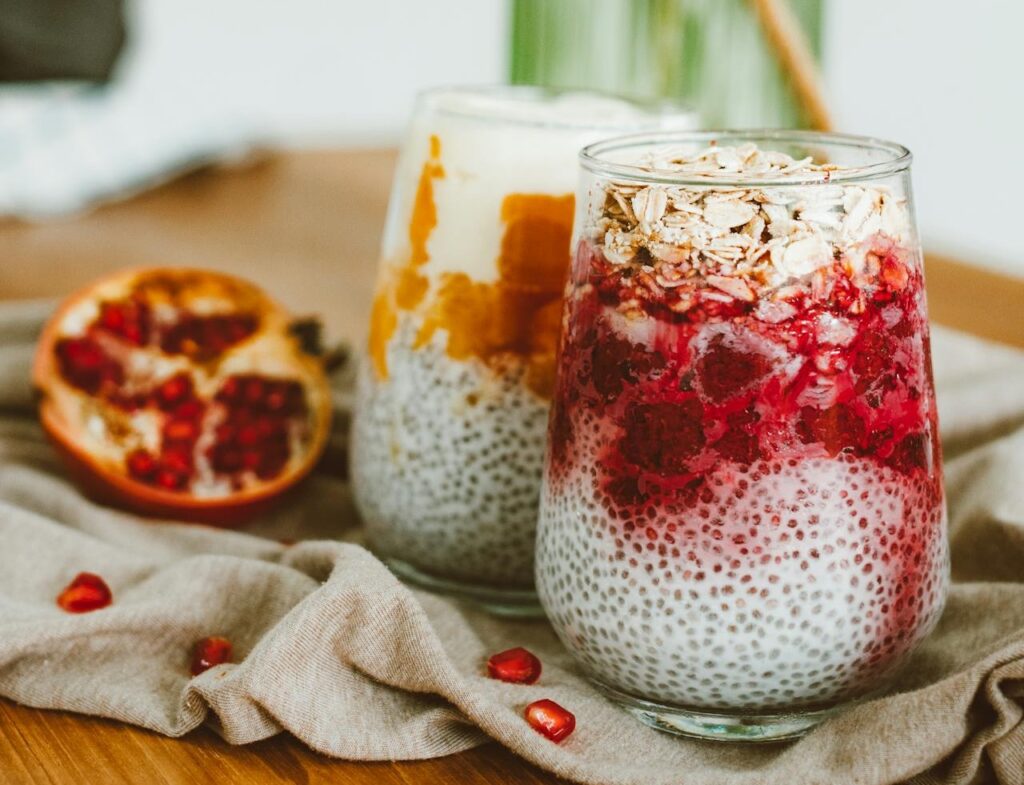
Nutrition plays a critical role in shaping brain health and cognitive function. Numerous scientific studies have shown that what we eat directly influences mental clarity, mood stability, and even the risk of developing neurological disorders.
The gut-brain axis—a bidirectional communication system between the gastrointestinal tract and the central nervous system—underscores the importance of dietary choices in regulating mood and cognition.


This article outlines five science-backed nutrition strategies to help enhance mental focus and emotional wellbeing.
1. Optimize Blood Sugar Levels with Balanced Meals

Why Blood Sugar Matters for the Brain
The brain is highly sensitive to fluctuations in glucose, its primary energy source. Rapid spikes and crashes in blood sugar levels can lead to mental fog, irritability, fatigue, and poor concentration. Maintaining steady glucose levels is essential for optimal neurotransmitter function and cognitive stability.
Nutritional Strategy
A balanced meal should include high-quality protein, fiber-rich complex carbohydrates, and healthy fats. This combination slows gastric emptying, reduces glycemic response, and supports longer-lasting satiety and mental clarity.
For example, a breakfast consisting of oatmeal (complex carbs and fiber), Greek yogurt (protein), and a sprinkle of walnuts (healthy fats) can provide a steady release of glucose to the brain.
Supporting Evidence
A 2019 study by Fernstrom et al. found that diets high in refined sugars and low in fiber were associated with increased incidences of mood disorders and cognitive decline in adults. Additionally, Micha et al. (2017) observed that high glycemic index meals resulted in higher fatigue and decreased alertness postprandially compared to low glycemic index alternatives.
2. Prioritize Omega-3 Fatty Acids for Neurotransmitter Support
Role of Omega-3s in Brain Health
Omega-3 fatty acids—particularly EPA (eicosapentaenoic acid) and DHA (docosahexaenoic acid)—are essential components of neuronal cell membranes and play a vital role in neurotransmission and anti-inflammatory signaling. These fats influence dopamine and serotonin pathways, which are critical for focus and emotional regulation.
Nutritional Strategy
Consume fatty fish such as salmon, sardines, and mackerel at least two to three times per week. For plant-based options, include flaxseeds, chia seeds, walnuts, and algae-based supplements. Note that conversion from ALA (plant-based omega-3) to EPA and DHA in the body is limited, making direct sources of EPA/DHA more effective.
Supporting Evidence
A meta-analysis by Grosso et al. (2014) demonstrated that omega-3 supplementation significantly reduced symptoms of depression, particularly in individuals with major depressive disorder. Another study by Sinn et al. (2012) found improved attention and cognitive performance in children and adolescents after omega-3 supplementation over six months.
3. Support Neurotransmitter Synthesis with Key Micronutrients
Micronutrients and Brain Chemistry
Neurotransmitters like serotonin, dopamine, and GABA require specific vitamins and minerals for their synthesis and function. Deficiencies in B vitamins (particularly B6, B12, and folate), iron, magnesium, and zinc can impair neurotransmitter production, leading to poor mood regulation and cognitive fatigue.
Nutritional Strategy
- Include dark leafy greens, legumes, eggs, and organ meats for B vitamins.
- Consume pumpkin seeds, almonds, and spinach for magnesium and zinc.
- Pair plant-based iron sources (lentils, tofu) with vitamin C-rich foods (bell peppers, citrus) to enhance absorption.
A diet low in processed foods and high in whole, nutrient-dense ingredients is essential for maintaining optimal micronutrient levels.
Supporting Evidence
Jacka et al. (2017) demonstrated that dietary interventions focusing on nutrient-rich whole foods improved symptoms in individuals with major depressive disorder. Moreover, a randomized controlled trial by Kaplan et al. (2015) linked multi-nutrient supplementation with improved mood, attention, and resilience to stress in adults.
4. Nurture the Gut Microbiome for Emotional Balance

Gut-Brain Axis and Mood
The gut microbiome influences the central nervous system via the vagus nerve, hormonal signaling, and immune pathways. A diverse and well-balanced gut microbiota is associated with improved emotional resilience, reduced anxiety, and sharper cognition.
Gut microbes also produce neurotransmitter precursors like tryptophan, which is necessary for serotonin synthesis.
Nutritional Strategy
Consume a wide variety of plant-based foods (aim for 30+ different types per week) to encourage microbial diversity. Incorporate fermented foods such as kefir, sauerkraut, kimchi, yogurt, and tempeh for natural probiotics. Prebiotic fibers found in garlic, leeks, onions, and asparagus feed beneficial bacteria.
Limit consumption of artificial sweeteners, emulsifiers, and ultra-processed foods, which have been shown to negatively impact gut health.
Supporting Evidence
A study by Schmidt et al. (2015) showed that individuals consuming a high-prebiotic diet exhibited lower levels of cortisol and improved attention. Cryan et al. (2019) found that psychobiotics—probiotics with mental health benefits—could reduce symptoms of depression and anxiety through modulation of the gut-brain axis.
5. Stay Hydrated and Limit Caffeine for Optimal Focus
Hydration and Cognitive Function
Even mild dehydration (1–2%) can impair attention, short-term memory, and executive function. The brain is composed of approximately 75% water, and proper hydration is essential for maintaining neural conductivity and temperature regulation.
Caffeine: A Double-Edged Sword
Caffeine can temporarily enhance alertness and focus by antagonizing adenosine receptors and promoting dopamine release. However, excessive or poorly timed caffeine intake can disrupt sleep, elevate cortisol, and lead to rebound fatigue, undermining mental performance in the long term.
Nutritional Strategy
Drink water consistently throughout the day, targeting at least 2.7 liters for women and 3.7 liters for men, including fluid from food sources. Balance caffeine intake by limiting consumption to under 400 mg/day (about 3–4 cups of coffee) and avoiding it at least six hours before bedtime.
Incorporate hydrating foods such as cucumbers, oranges, and watermelon. Consider herbal teas like rooibos or chamomile in the evening to promote calm without interfering with sleep.
Supporting Evidence
Ganio et al. (2011) found that even a 1% drop in hydration status reduced concentration and increased perception of task difficulty. In contrast, Lieberman et al. (2012) noted that moderate caffeine intake improved vigilance and reaction time but led to sleep disturbances when consumed late in the day.
Bibliography
Cryan, J. F., O’Riordan, K. J., Cowan, C. S. M., Sandhu, K. V., Bastiaanssen, T. F. S., Boehme, M., … & Dinan, T. G. (2019). The microbiota-gut-brain axis. Physiological Reviews, 99(4), 1877-2013.
Fernstrom, J. D. (2019). Large neutral amino acids: dietary effects on brain neurochemistry and function. Amino Acids, 50(9), 1385–1405.
Ganio, M. S., Armstrong, L. E., Casa, D. J., McDermott, B. P., Lee, E. C., Yamamoto, L. M., & Marzano, S. (2011). Mild dehydration impairs cognitive performance and mood of men. British Journal of Nutrition, 106(10), 1535–1543.
Grosso, G., Galvano, F., Marventano, S., Malaguarnera, M., Bucolo, C., Drago, F., & Caraci, F. (2014). Omega-3 fatty acids and depression: scientific evidence and biological mechanisms. Oxidative Medicine and Cellular Longevity, 2014.
Jacka, F. N., O’Neil, A., Opie, R., Itsiopoulos, C., Cotton, S., Mohebbi, M., … & Berk, M. (2017). A randomized controlled trial of dietary improvement for adults with major depression (the ‘SMILES’ trial). BMC Medicine, 15(1), 23.
Kaplan, B. J., Rucklidge, J. J., Romijn, A. R., & Dolph, M. (2015). A randomized trial of nutrient supplements to minimize psychological stress after a natural disaster. Psychiatry Research, 228(3), 373–379.
Lieberman, H. R., Wurtman, R. J., Emde, G. G., Roberts, C., & Coviella, I. L. G. (2012). The effects of low doses of caffeine on human performance and mood. Psychopharmacology, 152(2), 167–173.
Micha, R., Peñalvo, J. L., Cudhea, F., Imamura, F., Rehm, C. D., & Mozaffarian, D. (2017). Association between dietary factors and mortality from heart disease, stroke, and type 2 diabetes in the United States. JAMA, 317(9), 912–924.
Schmidt, K., Cowen, P. J., Harmer, C. J., Tzortzis, G., Errington, S., & Burnet, P. W. (2015). Prebiotic intake reduces the waking cortisol response and alters emotional bias in healthy volunteers. Psychopharmacology, 232(10), 1793–1801.
Sinn, N., Milte, C., & Howe, P. R. (2012). Oiling the brain: a review of randomized controlled trials of omega-3 fatty acids in psychopathology across the lifespan. Nutrients, 2(2), 128–170.