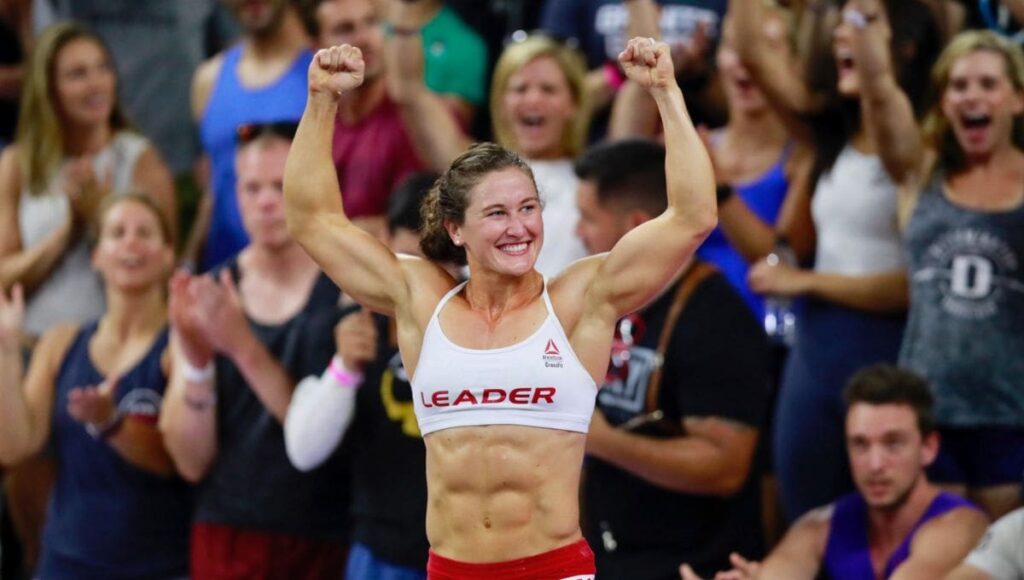
Compound core exercises train your core through full-body movement instead of just targeting one muscle at a time.
People are searching for this topic because they want stronger abs, better posture, and real-world strength without wasting time on endless crunches. They want workouts that build a solid core and support their whole body, not just something that looks good in the mirror.


Compound core exercises give you that. They engage your abs, obliques, hips, back, and shoulders all at once. These movements build strength you can feel when you lift, run, or carry anything heavy. They also save time, burn more calories, and make your workouts more efficient.
In this article, you will learn:
- The best compound core exercises by skill level
- Sample workouts for strength, muscle, and endurance
- Tips to train your core safely and make progress over time
If you’re ready to build a stronger core that actually helps you move better and feel stronger, this guide will walk you through everything you need to know.
What Are Compound Core Exercises?
Compound core exercises are movements that work several muscles and joints at once. They train your core along with other parts of your body, like your hips, shoulders, and legs. Instead of focusing on one small area, these exercises ask your whole body to work together.

That’s different from isolation exercises. Isolation movements focus on just one muscle or joint. A crunch mostly hits your abs. A back extension targets the lower back. These moves can help, but they don’t reflect how your core actually works in daily life.
Your core isn’t just your abs. It includes the muscles around your spine, pelvis, and hips. These muscles work together to keep you stable when you move. Compound exercises challenge this system. They force your core to fire in a more natural way, through motion, load, and balance.
Take a plank with an arm raise, for example. You’re not just holding your body up. You’re resisting rotation, bracing your spine, and coordinating your hips and shoulders. Compare that to a crunch, which mainly just flexes your spine forward.
If you want to understand how key compound lifts contribute to a strong midsection, see the 3 compound exercises you need for great abs. These moves are foundational and emphasize core control under load.
Compound movements like bird dogs, step-ups with knee drives, and kettlebell swings demand more from your body. They teach your core to work like a team, not in parts. That’s why they build strength that carries over into everyday life, sports, and heavy lifts.
In short, compound core exercises are practical, full-body movements that help you build strength where it counts.
The Benefits of Compound Core Training
Compound core exercises offer more than just a stronger midsection. They improve how your whole body moves, performs, and feels. Here’s a closer look at the key benefits.

More Muscle Working Together
When you use compound movements, you’re not training one muscle at a time. You’re training a system. These exercises involve multiple joints and muscle groups. That forces your core, hips, shoulders, and back to coordinate every rep. It builds strength across the entire body and improves the way your muscles work together.
For example, deadlifts and Turkish get-ups require your core to stabilize your spine while your legs and arms do the lifting. That builds both intramuscular coordination (within a muscle) and intermuscular coordination (between muscles). Over time, your body learns to move more efficiently.
Saves Time and Burns More Calories
Compound core training is time-efficient. You get more work done in less time because you’re hitting several muscle groups at once. That also means your body burns more energy. Movements like step-ups with a knee drive or kettlebell swings raise your heart rate and increase oxygen demand. That leads to a higher calorie burn during and after your workout.
This makes compound training a smart choice if you want to build core strength and burn fat at the same time.
Builds Functional Strength and Prevents Injury
Your core links your upper and lower body. It helps transfer force, absorb impact, and stabilize your spine during movement. Compound exercises mimic these real-world demands. They challenge your core to stay solid while you lift, twist, carry, or change direction.
That leads to better posture, balance, and body control. It also lowers your risk of injury, especially in the back, shoulders, and knees. When your core is strong and trained to work with the rest of your body, you’re less likely to get hurt doing everyday tasks or sports.
Strength, Power, and Muscle Growth
Compound core training supports heavy lifting and athletic power. Movements like barbell squats, overhead presses, and medicine ball slams allow you to train with more resistance. They require your core to brace under load, which increases strength and stimulates growth.
These kinds of exercises also fit well into strength or hypertrophy programs. You can use moderate to heavy weights, push closer to fatigue, and progress over time. That makes compound training effective for building both muscle and power across the entire trunk.
Better Endurance and General Fitness
Many compound core movements keep your body moving continuously. That improves stamina and boosts your cardiovascular fitness. Think of exercises like mountain climbers, walking lunges with a twist, or full-body circuits. These moves train your core while improving your ability to move longer and recover faster.
You’ll notice the difference when climbing stairs, carrying groceries, or playing sports. Your core won’t give out first. That’s because compound exercises build strength that lasts.
Best Compound Core Exercises by Level
Not every compound core exercise is right for everyone. Your current strength, stability, and experience level matter. Below are the best compound core exercises grouped by beginner, intermediate, and advanced levels, along with form tips to help you do them right.
For those starting without access to equipment, these 5 best bodyweight core exercises offer excellent body control and coordination, which is also ideal for beginners building foundational strength.
Beginner-Level Exercises
These movements help build a strong foundation. They teach core bracing, balance, and body control without heavy loading.
Glute Bridge
Lie on your back with knees bent, feet flat. Lift your hips until your body forms a straight line from knees to shoulders.
- Targets: Glutes, lower back, hamstrings, deep core
- Form tips: Don’t overextend your back. Squeeze your glutes at the top and keep your ribs down.
Bird Dog
Start on all fours. Extend one arm and the opposite leg while keeping your back flat. Return and switch sides.
- Targets: Erector spinae, abs, glutes, shoulders
- Form tips: Avoid arching your lower back. Move slowly and control the motion.
Step-Up with Knee Drive
Step onto a low platform with one foot. Drive the opposite knee up as you stand tall.
- Targets: Quads, glutes, core stabilizers
- Form tips: Push through your front heel. Keep your torso upright and your core tight.
Dead Bug
Lie on your back with arms and legs in the air. Lower one arm and the opposite leg slowly, then switch.
- Targets: Deep abs, hip flexors, obliques
- Form tips: Keep your lower back pressed to the floor the entire time.
Intermediate-Level Exercises
These add resistance, movement complexity, or coordination demands.
Renegade Row
Start in a plank with dumbbells under your hands. Row one weight to your side while keeping your hips level.
- Targets: Lats, shoulders, arms, core
- Form tips: Keep your body flat. Don’t twist your torso as you pull.
Reverse Lunge with Twist
Lunge backward, then rotate your torso toward the front leg.
- Targets: Quads, glutes, obliques, hip flexors
- Form tips: Keep your chest tall. Make the twist come from your core, not your shoulders.
Hanging Leg Raise
Hang from a bar and lift your legs toward your chest (bent or straight).
- Targets: Lower abs, hip flexors, grip
- Form tips: Don’t swing. Use control and raise your legs with your core, not momentum.
Push-Up
A basic push-up strengthens your chest, arms, and the entire core.
- Targets: Chest, triceps, shoulders, abs, back
- Form tips: Keep your body in a straight line. Don’t let your hips sag.
Medicine Ball Slam
Lift a medicine ball overhead and slam it to the ground with force.
- Targets: Abs, shoulders, glutes, legs
- Form tips: Use your whole body. Keep your spine neutral as you slam.
Advanced-Level Exercises
Advanced exercises train the core to stabilize under load or through full-body movement patterns.
If you’re progressing to advanced lifts, barbell work plays a major role in core stability. Explore these 5 barbell exercises that also build an incredibly strong core to take your performance to the next level.
Turkish Get-Up
From lying down, move into a standing position while holding a weight overhead.
- Targets: Full-body, especially shoulders, abs, obliques, glutes
- Form tips: Move slowly. Keep the weight stacked over your shoulder the entire time.
Barbell Deadlift
Hinge at your hips and lift a loaded barbell from the floor to a standing position.
- Targets: Hamstrings, glutes, back, core
- Form tips: Keep the bar close to your legs. Brace your core like you’re preparing for a punch.
Front Squat
Hold a barbell across the front of your shoulders and squat down, staying upright.
- Targets: Quads, glutes, back, abs
- Form tips: Keep elbows high and core braced. Avoid letting your chest fall forward.
Kettlebell Swing
Swing a kettlebell from between your legs to chest level using hip drive.
- Targets: Glutes, hamstrings, abs, shoulders
- Form tips: Snap your hips forward. Don’t use your arms to lift the weight.
Single-Arm Overhead Press
Stand and press one dumbbell or kettlebell overhead.
- Targets: Shoulders, triceps, upper back, core (anti-lean)
- Form tips: Don’t lean or twist. Stay tall and keep your ribs down.
Also, adding upright movement into your core routine can make a big difference. Check out the 6 best standing core exercises to add functional, balance-heavy work to your advanced programming.
Sample Compound Core Workouts for Different Goals
The right workout depends on your goal, regardless of whether you’re building muscle, increasing strength, or improving endurance. Below are sample routines at beginner, intermediate, and advanced levels. Each includes compound core exercises and follows general training principles for reps, sets, and weekly frequency.
Beginner Workouts
Here are the beginner workout examples.
Goal: Hypertrophy (Muscle Growth)
Train 2–3 times per week.
3 sets of 10–15 reps (moderate difficulty)
Example:
- Plank – 3× hold 30–45 seconds
- Glute Bridge – 3×12–15
- Step-Up with Knee Drive – 3×10 per leg
- Bird Dog – 3×10 per side
- Reverse Lunge with Twist – 3×10 per leg
These exercises build base-level core strength and muscle endurance without requiring equipment.
Goal: Strength
Train 2–3 times per week.
3–4 sets of 6–10 reps (build control under load)
Example:
- Push-Up (knees or full) – 3–4×6–10
- Renegade Row (light dumbbells or bodyweight hold) – 3×6–8 per side
- Single-Leg Deadlift (bodyweight or light weight) – 3×8 per leg
- Hanging Knee Raise – 3×8–12
- Farmer’s Walk – 3×30 seconds (hold light weights or household objects)
This setup teaches full-body tension and helps prepare the core for heavier lifts down the road.
Goal: Endurance
Train 2–3 times per week.
2–3 circuits of 40–60 seconds work, 20–30 seconds rest
Circuit example:
- Plank to Push-Up – 12 reps
- Jumping Lunges – 12 per leg
- Glute Bridge Marches – 30 seconds
- Mountain Climbers – 30 seconds
- Rest – 60 seconds
Repeat 2–3 rounds
Focus on steady pacing and control, not speed.
Intermediate Workouts
For intermediate lifters aiming to refine their core strength and stability, the 10 best core exercises for strength and stability provide strong guidance. These exercises balance control, intensity, and endurance well.
Goal: Hypertrophy
Train 3–4 times per week.
3–4 sets of 8–12 reps
Example:
- Dead Bug (with weight or band) – 3×12–15 per side
- Renegade Row – 3×8–10 per arm
- Hanging Leg Raise – 3×10–12
- Medicine Ball Slam – 3×10–15
- Bird Dog (weighted vest optional) – 3×10 per side
This routine targets deeper core muscles while still building total-body muscle control.
Goal: Strength
Train 3 times per week.
4 sets of 4–8 reps (heavy emphasis)
Example:
- Barbell Deadlift – 4×5–6
- Push-Up or Dips – 4×6–8
- Cable or Dumbbell Woodchopper – 4×8 per side
- Front Squat or Goblet Squat – 4×6–8
- Plank with Arm Raise – 3×30–45 second hold
Use a challenging weight but keep form strict. Take full rest between sets (1–2 minutes).
Goal: Endurance
Train 3 times per week.
3–4 rounds of 12–20 reps or 30–60 seconds per movement
Example:
- Kettlebell Swings – 3–4×15–20
- Walking Lunge with Twist – 3×12 per leg
- Mountain Climbers – 3×30–45 seconds
- Stability Ball Rollout – 3×10–12
- Side Plank – 3×20–30 seconds per side
This improves core stamina while conditioning the entire body.
Advanced Workouts
And here are the advanced workouts.
Goal: Hypertrophy
Train 4–5 times per week.
3–5 sets of 8–12 reps
Example:
- Hanging Leg Raise (straight legs) – 4×12–15
- Weighted Plank – 3×30–45 seconds
- Single-Arm Kettlebell Swing – 4×10–12 per arm
- Renegade Row (heavier dumbbells) – 4×8–10
- Heavy Woodchopper (cable or dumbbell) – 4×10 per side
Core muscles don’t grow like biceps, but heavy, controlled compound movements still improve trunk thickness and tone.
Goal: Strength
Train 3–4 times per week.
4–5 sets of 3–6 reps (heavy compound work)
Example:
- Barbell Deadlift – 4×3–5
- Barbell Overhead Press – 4×4–6
- Bulgarian Split Squat – 4×6–8 per leg
- Turkish Get-Up – 3×5 per side
- Front Rack Carry (dumbbells or kettlebells) – 3×40–60 seconds
Use long rest periods and focus on maximum effort while maintaining control.
Goal: Endurance
Train 3–4 times per week.
Timed circuits or barbell complexes
Example: Barbell Complex (repeat 3–4 rounds):
- 1 Deadlift
- 1 Row
- 1 Hang Clean
- 1 Front Squat
- 1 Push Press
- Do 6–8 reps of each movement with light weight, no rest between exercises
Or AMRAP (10–15 minutes):
- 5 Burpees
- 10 Kettlebell Swings
- 15 Sit-Throughs
- 20 Mountain Climbers
Programming Tips and Safety Guidelines
A strong core doesn’t come from doing random exercises. To get results and stay injury-free, you need a plan. Here are key programming tips and safety guidelines to follow when training with compound core exercises.

Train 2–4 Times Per Week
For most people, training the core two or three days a week is enough (1). If you’re more advanced, you can go up to four. These workouts can be done on their own or mixed into full-body strength days.
Give your core at least one full day of rest between hard sessions. That recovery time helps your muscles grow and keeps your spine and joints healthy.
Progress Gradually
You don’t need to change everything at once. Start with exercises that match your level and increase difficulty slowly. You can make a workout harder by (2):
- Adding more reps or sets
- Increasing weight
- Using a slower tempo
- Adding instability (like one-arm or one-leg variations)
As a general rule, when you can do 1–2 extra reps beyond your target range with good form, it’s time to raise the difficulty.
Activate Your Core Before You Lift
Before your main workout, spend a few minutes on basic core drills. This primes your deep core muscles and teaches your body to stabilize better when you move heavy weights.
Good activation exercises include:
- Dead bugs
- Planks with arm lifts
- Band-resisted Pallof presses
Keep the volume low, just enough to “wake up” the muscles without tiring them out. Then move on to your main workout.
Protect Your Spine
One of the biggest mistakes in core training is losing control of your spine. Arching or rounding your back during heavy lifts can lead to injury.
Follow these tips to stay safe:
- Brace your core like you’re about to be punched
- Keep a neutral spine with no excessive arch or slouch
- Exhale during the effort part of a movement (like lifting or pressing)
- Use controlled motion. Don’t jerk, swing, or rush through reps
If you feel pain in your back or neck, stop and check your form. Poor technique is often the cause.
Balance Your Training
Compound core exercises are efficient, but they don’t hit every angle on their own. It’s smart to include some isolation work now and then, like hanging leg raises or back extensions, to address weak spots.
At the same time, avoid overdoing crunches or high-rep ab circuits. These don’t match how your core works during full-body movement and can lead to tight hip flexors or lower back strain.
Make Recovery a Priority
Your core is like any other muscle group. It needs time to rest and rebuild. Overtraining can stall progress and increase injury risk.
Support your recovery with:
- Foam rolling, especially the hips and upper back
- Gentle stretching after workouts
- Quality sleep and enough calories, especially if you’re lifting heavy
Conclusion
Compound core exercises build more than just visible abs. They train your body to move better, lift safer, and perform at a higher level, regardless of whether you’re in the gym or just living your life.
You’ve learned how these exercises work, why they’re more effective than isolation moves, and how to match your routine to your goals. You also have clear workouts and tips to help you train smarter and avoid injury.
When I first started replacing crunches with loaded carries, I noticed I could lift heavier without feeling it in my lower back. My posture improved, and I finally understood what it meant to have a strong core, not just a tired midsection.
Here’s a tip I share with clients who struggle to activate their core: before every lift, take one full breath, brace your abs like someone’s about to push you, and lock that in. This simple cue trains your body to stay safe and stable through every rep.
References:
- Rodríguez-Perea Á, Reyes-Ferrada W, Jerez-Mayorga D, et al. Core training and performance: a systematic review with meta-analysis. Biol Sport. 2023;40(4):975-992. doi:10.5114/biolsport.2023.123319
Chaves TS, Scarpelli MC, Bergamasco JGA, et al. Effects of Resistance Training Overload Progression Protocols on Strength and Muscle Mass. Int J Sports Med. 2024;45(7):504-510. doi:10.1055/a-2256-5857