Staying hydrated is a fundamental aspect of athletic performance. Dehydration—even mild—can impair physical output, cognitive function, and recovery. Yet, hydration is more nuanced than simply “drink more water.”
Athletes face specific hydration challenges due to sweat loss, electrolyte depletion, environmental factors, and individual physiology. Here are seven evidence-backed hydration rules every athlete should follow for peak performance and optimal health.


Rule 1: Know Your Sweat Rate and Replace Fluids Accordingly
Why Sweat Rate Matters
Sweat rate varies greatly among individuals based on genetics, training status, environment, and intensity of exercise. According to Armstrong et al. (2007), sweat losses can range from 0.5 to over 2.0 liters per hour depending on these factors. Understanding your sweat rate allows for a customized hydration strategy, helping to avoid both under- and overhydration.
How to Calculate Sweat Rate
To estimate sweat rate:
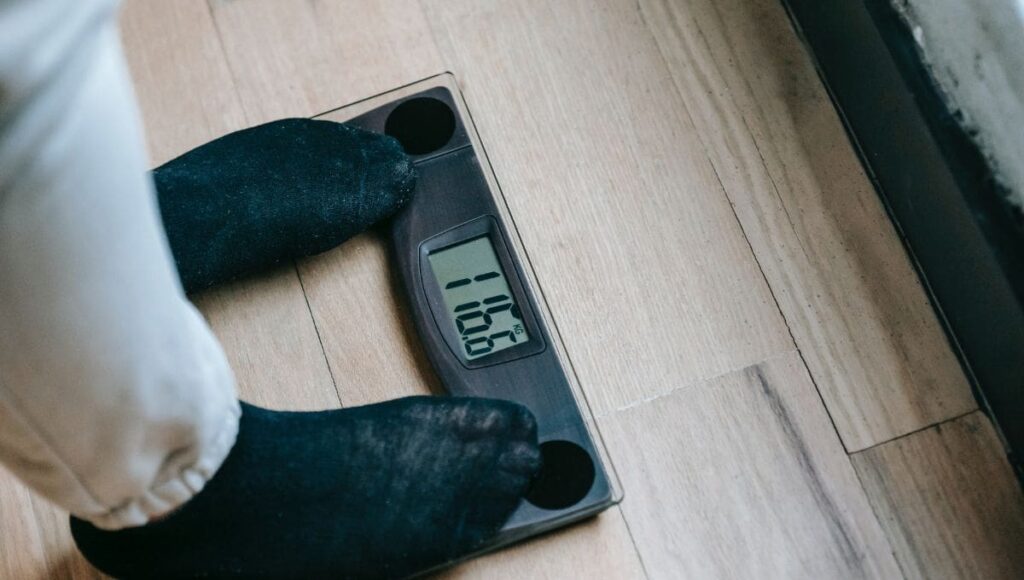
- Weigh yourself (nude) before and after a one-hour workout.
- Add the weight of any fluids consumed during exercise.
- Subtract post-exercise weight from pre-exercise weight.
- The result, in liters, is your hourly sweat rate.
For example, if you lost 1 kg (2.2 lbs) and drank 0.5 L during the session, your sweat rate is 1.5 L/hour.
Application
Aim to replace about 80% of your fluid losses during exercise to avoid gastrointestinal issues associated with overhydration. Excessive replacement—especially with plain water—can lead to hyponatremia, a potentially life-threatening condition marked by dangerously low blood sodium levels (Hew-Butler et al., 2015).
Rule 2: Hydration Starts Before Exercise
Pre-Exercise Hydration Guidelines
Arriving at training or competition in a euhydrated (normal hydration) state is crucial. The American College of Sports Medicine recommends consuming 5–10 mL/kg of body weight 2–4 hours before activity (Sawka et al., 2007). For a 70 kg athlete, that’s approximately 350–700 mL.
Signs of Adequate Hydration
Clear to light yellow urine is a practical indicator of euhydration. However, it should be interpreted cautiously; factors like vitamins or certain foods can affect urine color.
Rule 3: Don’t Just Drink Water—Replenish Electrolytes Too
Electrolyte Loss Through Sweat
Sweat isn’t just water. It contains essential electrolytes, especially sodium, as well as potassium, chloride, calcium, and magnesium. Sodium losses in sweat can range from 300 to 2,000 mg per liter (Maughan et al., 2016). Failing to replace sodium can lead to muscle cramps, fatigue, and decreased performance.
Sodium Supplementation
For sessions over one hour—especially in hot or humid conditions—consider drinks or tablets containing 300–700 mg sodium per liter. Athletes with high sweat sodium concentrations may need even more.
Sports drinks can help, but many commercial options are too low in sodium and too high in sugar. Look for or create a custom hydration solution that fits your personal needs.
Rule 4: Tailor Your Hydration to the Environment
Impact of Heat and Humidity
Exercising in heat increases core temperature and sweat rate, which accelerates fluid loss. In hot environments, fluid intake must match increased losses to maintain performance and prevent heat-related illness. Research shows that dehydration of just 2% body mass significantly impairs endurance performance and cognitive function in the heat (Goulet, 2012).
Cold Environments
In the cold, athletes may not feel thirsty, but fluid loss still occurs through respiration and urine. Dehydration risk is underestimated in cold climates. Thus, consistent fluid intake is essential even when not sweating profusely.
Rule 5: Understand the Performance Impact of Dehydration
Physical Effects
Dehydration as low as 2% of body weight can impair aerobic performance, increase perceived exertion, and reduce muscular endurance (Cheuvront & Kenefick, 2014). At 3%–5%, coordination, heat tolerance, and strength can decline significantly.
A study by Sawka et al. (2007) found that dehydration of 3% body weight reduces muscle endurance and maximal strength, while also elevating heart rate and core temperature. This compromises both safety and performance.
Cognitive Effects
Dehydration also impairs decision-making, focus, and coordination. Ganio et al. (2011) demonstrated that a 2.5% loss in body mass through dehydration significantly reduced attention, memory, and motor coordination in athletes.
Rule 6: Rehydrate Strategically After Training or Competition
Post-Exercise Rehydration Goals
After exercise, aim to replace 125%–150% of the fluid lost. This overcompensation accounts for ongoing fluid losses through urine and respiration. Water alone may not be sufficient.
Role of Sodium in Rehydration
Sodium promotes fluid retention by reducing urine output and encouraging thirst. Shirreffs and Maughan (1998) found that sodium-containing beverages resulted in better rehydration than plain water post-exercise. A sodium concentration of around 50–70 mmol/L (1,150–1,610 mg/L) is considered effective.
Timing Matters
Rehydration should begin immediately post-exercise and continue for several hours. Foods with high water content—like fruits, soups, and vegetables—can contribute to fluid replenishment.
Rule 7: Avoid Overhydration and Water Intoxication

The Danger of Drinking Too Much
Overhydration, especially with plain water, can dilute sodium levels in the blood, leading to exercise-associated hyponatremia (EAH). Symptoms include nausea, headache, confusion, and in severe cases, seizures or death.
A landmark study by Hew-Butler et al. (2015) examined over 1,000 marathon runners and found that 13% developed EAH, primarily due to excessive fluid intake. Women and slower runners were at higher risk due to lower sweat rates and longer race durations.
How to Prevent It
- Do not drink beyond thirst during endurance events.
- Weigh yourself before and after training. If your weight increases, you’re likely overhydrating.
- Use drinks that contain sodium, especially for sessions longer than 90 minutes.
Hydration is not a one-size-fits-all approach. Athletes must understand and monitor their own fluid and electrolyte needs before, during, and after exercise. By doing so, they can optimize performance, reduce the risk of injury or illness, and speed up recovery.
References
Armstrong, L.E., Casa, D.J., Millard-Stafford, M., Moran, D.S., Pyne, S.W. and Roberts, W.O., 2007. American College of Sports Medicine position stand. Exertional heat illness during training and competition. Medicine and Science in Sports and Exercise, 39(3), pp.556-572.
Cheuvront, S.N. and Kenefick, R.W., 2014. Dehydration: physiology, assessment, and performance effects. Comprehensive Physiology, 4(1), pp.257-285.
Ganio, M.S., Armstrong, L.E., Casa, D.J., McDermott, B.P., Lee, E.C., Yamamoto, L.M. and Marzano, S., 2011. Mild dehydration impairs cognitive performance and mood of men. British Journal of Nutrition, 106(10), pp.1535-1543.
Goulet, E.D., 2012. Dehydration and endurance performance in competitive athletes. Nutrition Reviews, 70(suppl_2), pp.S132-S136.
Hew-Butler, T., Rosner, M.H., Fowkes-Godek, S., Dugas, J.P., Hoffman, M.D., Lewis, D.P., Maughan, R.J., Miller, K.C., Montain, S.J., Rehrer, N.J. and Roberts, W.O., 2015. Statement of the Third International Exercise-Associated Hyponatremia Consensus Development Conference. Clinical Journal of Sport Medicine, 25(4), pp.303-320.
Maughan, R.J., Shirreffs, S.M. and Watson, P., 2016. Exercise, heat, hydration and the brain. Journal of the American College of Nutrition, 36(1), pp.40-46.
Sawka, M.N., Burke, L.M., Eichner, E.R., Maughan, R.J., Montain, S.J. and Stachenfeld, N.S., 2007. American College of Sports Medicine position stand. Exercise and fluid replacement. Medicine and Science in Sports and Exercise, 39(2), pp.377-390.
Shirreffs, S.M. and Maughan, R.J., 1998. Volume repletion after exercise: effects of different drinks and drink volumes. Journal of Applied Physiology, 83(5), pp.1152-1158.