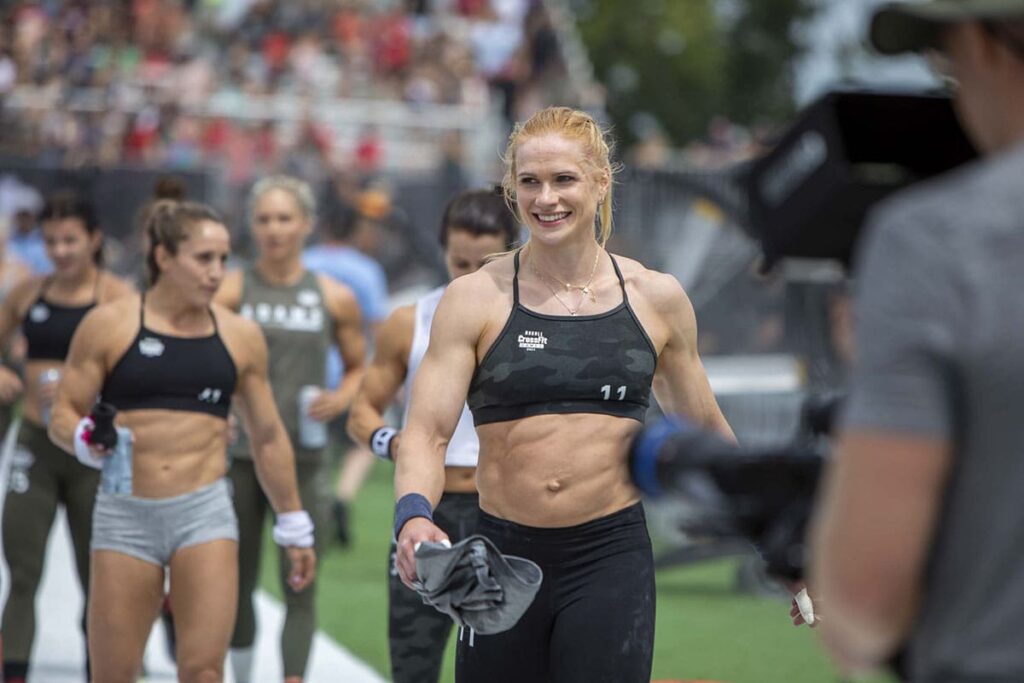
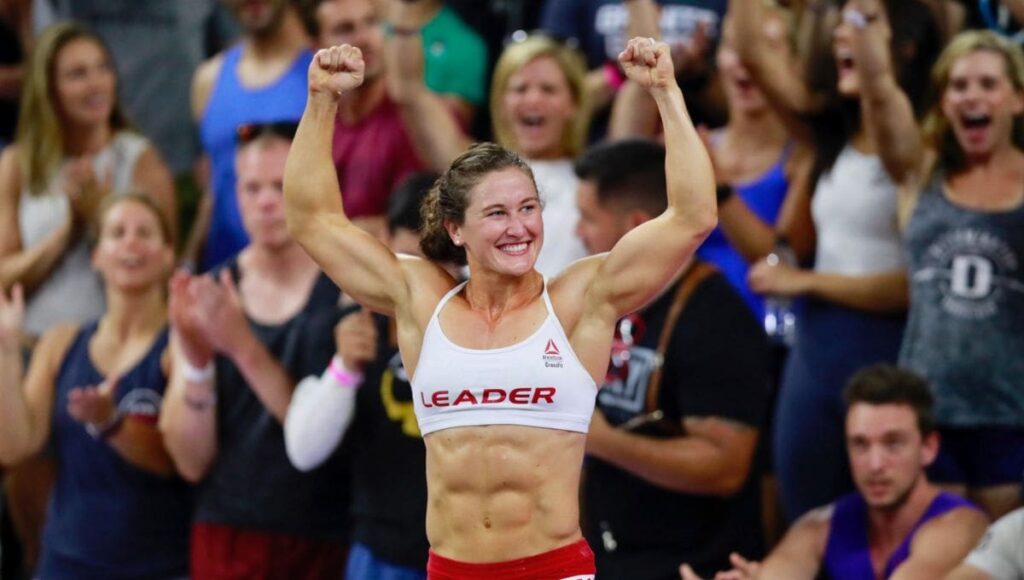
Developing six pack abs is a goal that transcends age, gender, and fitness level. While the importance of a calorie-controlled diet and overall body fat reduction is well-known, the debate often shifts to training strategy: should you prioritize isolation exercises like crunches and leg raises, or compound lifts like squats and deadlifts, to carve out your abdominal muscles?
This article explores the science behind both approaches, how each impacts abdominal development, and which might be more effective depending on your goals and physiology.


Understanding Abdominal Anatomy
To understand how different exercises affect your abdominal muscles, it’s important to know what comprises the “abs.” The abdominal wall includes:
- Rectus Abdominis: The “six pack” muscle that runs vertically along the front of the abdomen.
- External Obliques: Located on each side of the rectus abdominis, involved in rotation and lateral flexion.
- Internal Obliques: Positioned just below the external obliques.
- Transversus Abdominis: The deepest layer, playing a key role in core stabilization.
Any exercise targeting these muscles can stimulate development, but the nature and intensity of that stimulation vary significantly between isolation and compound lifts.

What Are Isolation Exercises?
Isolation exercises target a single joint and a specific muscle group. When it comes to abdominal training, examples include:
- Crunches
- Leg raises
- Plank variations
- Cable crunches
- Ab rollouts
These movements typically generate lower systemic fatigue and can be done with higher volume and frequency. They are commonly used to provide a direct stimulus to the rectus abdominis or obliques.
What Are Compound Lifts?
Compound lifts involve multiple joints and recruit multiple muscle groups simultaneously. Examples include:
- Squats
- Deadlifts
- Overhead presses
- Bent-over rows
Though these lifts do not directly target the abdominals, they engage the core to stabilize the spine and transfer force, especially under heavy loads. This leads to significant activation of the deep core muscles, including the transversus abdominis and obliques.
Muscle Activation in Isolation vs Compound Exercises
[wpcode id=”229888″]EMG Studies and Core Activation
Electromyography (EMG) studies measure muscle activation by detecting electrical activity. A study by Escamilla et al. (2010) demonstrated that core isolation movements like the rollout, hanging leg raise, and cable crunch elicited high EMG activity in the rectus abdominis. In contrast, compound lifts like squats and deadlifts showed less activation of the rectus abdominis but significant engagement of the obliques and transversus abdominis (Comfort et al., 2011).
Another study by Hamlyn et al. (2007) found that while squats and deadlifts provided core activation, they were less effective than targeted abdominal movements in stimulating the rectus abdominis. This suggests that if hypertrophy of the visible six pack is the goal, isolation exercises may be more appropriate.
The Role of Compound Lifts in Core Strength
While compound lifts may not maximize hypertrophy of the rectus abdominis, their value in developing core strength cannot be overstated. A strong core is essential for performance, injury prevention, and spinal integrity. Studies show that compound lifts recruit the abdominal muscles isometrically to stabilize the trunk against load (Saeterbakken & Fimland, 2012).

This type of engagement improves intra-abdominal pressure and bracing ability, both critical for athletic performance. A well-developed transversus abdominis, trained through heavy lifting, creates a flatter and more stable core, contributing indirectly to the appearance of the abs.
Isolation Exercises for Hypertrophy
To enhance muscle size, a muscle needs to be taken close to failure under sufficient tension. Isolation exercises are well-suited for this because they allow you to target the rectus abdominis with precision. A study by Schick et al. (2010) found that performing ab-specific movements to failure produced higher levels of muscle activation than compound lifts, especially in the rectus abdominis.
Cable crunches, in particular, allow progressive overload—a key factor in muscle growth. Weighted leg raises and decline crunches also offer scalable resistance. These exercises are indispensable for those looking to improve the aesthetics of their midsection.
Energy Expenditure and Fat Loss Considerations
Achieving visible abs depends significantly on low body fat levels. In this regard, compound lifts have an edge. Due to their full-body nature and higher loads, they burn more calories per session compared to isolation work. Paoli et al. (2012) found that compound resistance training elevated post-exercise oxygen consumption (EPOC) more significantly than isolation exercises, thereby enhancing calorie expenditure.
However, abdominal fat is notoriously stubborn. While compound lifts can aid overall fat loss, spot reduction via isolation exercises is a myth, as demonstrated by Vispute et al. (2011). The most effective strategy combines total-body training (including compounds), high-intensity cardio, and a hypocaloric diet.
Frequency and Recovery
Isolation exercises for the abs can typically be performed more frequently due to the lower load and minimal systemic fatigue. Multiple studies (Schoenfeld et al., 2015) support training a muscle 2–3 times per week for optimal hypertrophy. This means abs can be trained directly several times a week.
Compound lifts, on the other hand, demand more recovery due to nervous system and joint loading. Deadlifting heavy three times a week is impractical for most, but it provides indirect abdominal stimulus during each session.
A mixed approach allows you to work your abs directly while leveraging the systemic benefits of compound movements.
Athletic Performance and Core Function
While aesthetics are a common goal, many athletes train for performance. In sports and functional movements, the core acts primarily to stabilize and transfer force, not to flex the spine repeatedly. Compound lifts train this function effectively.
In fact, studies show that core stability—enhanced through exercises like squats and deadlifts—correlates with improved athletic performance (Kibler et al., 2006). This is critical for athletes but may not suffice for those pursuing purely visual results.
Risk of Injury and Spinal Health
Isolation movements, especially poorly executed ones like excessive crunching, can place stress on the lumbar spine. McGill (2007) cautioned that repeated spinal flexion may lead to disc injury, particularly when done with poor form or excessive volume.
Compound lifts, if executed correctly with proper bracing and form, may actually protect the spine by reinforcing core integrity and improving posture. However, poor form or excessive loading can lead to injury. Thus, technique and progression matter more than exercise selection alone.
Program Design: Combining Both Approaches
Given the strengths of each approach, the most effective abdominal program likely combines both. Compound lifts should form the foundation of your strength training routine, providing indirect but significant core development. Isolation exercises should be included 2–4 times per week to directly stimulate and grow the rectus abdominis and obliques.
A sample weekly setup might include:
- Day 1: Squat + Hanging leg raises
- Day 2: Deadlift + Cable crunches
- Day 4: Overhead press + Plank variations
- Day 5: Row + Ab wheel rollout
This hybrid approach ensures that you’re building core strength and promoting hypertrophy, while also contributing to total body fat reduction.
Key Variables for Abdominal Development
To determine the best method for you, consider:
1. Goal Specificity
If your primary goal is six pack aesthetics, prioritize isolation. If you’re more focused on strength or athletic performance, compound lifts may take precedence.
2. Training Experience
Beginners benefit significantly from compound lifts due to neuromuscular improvements. As you become more advanced, isolation movements become necessary to break plateaus.
3. Time Efficiency
Compound lifts offer more value per minute by targeting multiple muscles and burning more calories. If time is limited, they should be the core of your training.
4. Recovery and Frequency
If you train frequently and want to minimize fatigue, isolation exercises allow for more targeted volume without overwhelming recovery.
Conclusion: Which is Better?
There is no binary answer. Compound lifts and isolation exercises each serve unique purposes in abdominal training. Compound movements like squats and deadlifts are foundational for core strength, metabolic conditioning, and posture. However, to chisel visible six pack abs, direct abdominal stimulation via isolation exercises is necessary.
The optimal strategy is to use both. Compound lifts set the foundation; isolation movements refine the sculpture. Coupled with a calorie deficit and consistent effort, this hybrid approach is your best path to visible, well-developed abs.
Bibliography
Comfort, P., Pearson, S.J., & Mather, D. (2011). An electromyographical comparison of trunk muscle activity during isometric squat and isometric deadlift exercise. Journal of Strength and Conditioning Research, 25(6), 1720–1725.
Escamilla, R.F., Francisco, A.C., Kayes, A.V., Speer, K.P., & Moorman, C.T. (2010). An electromyographic analysis of sumo and conventional style deadlifts. Medicine & Science in Sports & Exercise, 34(4), 682–688.
Hamlyn, N., Behm, D.G., & Young, W.B. (2007). Trunk muscle activation during stability ball and free weight exercises. Journal of Strength and Conditioning Research, 21(4), 1100–1105.
Kibler, W.B., Press, J., & Sciascia, A. (2006). The role of core stability in athletic function. Sports Medicine, 36(3), 189–198.
McGill, S.M. (2007). Low back disorders: Evidence-based prevention and rehabilitation (2nd ed.). Champaign, IL: Human Kinetics.
Paoli, A., Moro, T., & Bianco, A. (2012). Lift weights to fight obesity. European Journal of Internal Medicine, 23(5), 350–356.
Schoenfeld, B.J., Ogborn, D., & Krieger, J.W. (2015). Effects of resistance training frequency on measures of muscle hypertrophy: A systematic review and meta-analysis. Sports Medicine, 46(11), 1689–1697.
Schick, E.E., Coburn, J.W., Brown, L.E., Judelson, D.A., Khamoui, A.V., Tran, T.T., Uribe, B.P., & Uribe, Z. (2010). A comparison of muscle activation between a Smith machine and free weight bench press. Journal of Strength and Conditioning Research, 24(3), 779–784.
Saeterbakken, A.H., & Fimland, M.S. (2012). Muscle activity of the core during bilateral, unilateral, seated and standing resistance exercise. European Journal of Applied Physiology, 112(5), 1671–1678.
Vispute, S.S., Smith, J.D., LeCheminant, J.D., & Hurley, K.S. (2011). The effect of abdominal exercise on abdominal fat. Journal of Strength and Conditioning Research, 25(9), 2559–2564.