Maximising muscle gain requires an optimal balance of nutrition, training, and recovery. Protein plays a central role in muscle repair and hypertrophy, making it crucial to include high-protein meals in your diet, particularly in the evening when muscle recovery is most active during sleep.
Below are three science-backed, high-protein dinner snacks that can enhance muscle growth and recovery.


Why Protein is Critical for Muscle Gain
Protein provides the essential amino acids required for muscle protein synthesis (MPS), the process by which muscles repair and grow after exercise. The International Society of Sports Nutrition recommends a daily protein intake of 1.6 to 2.2 grams per kilogram of body weight for individuals engaging in regular resistance training (Jäger et al., 2017).

Consuming protein-rich snacks at night ensures a sustained supply of amino acids during sleep, supporting overnight muscle repair and growth (Snijders et al., 2015).
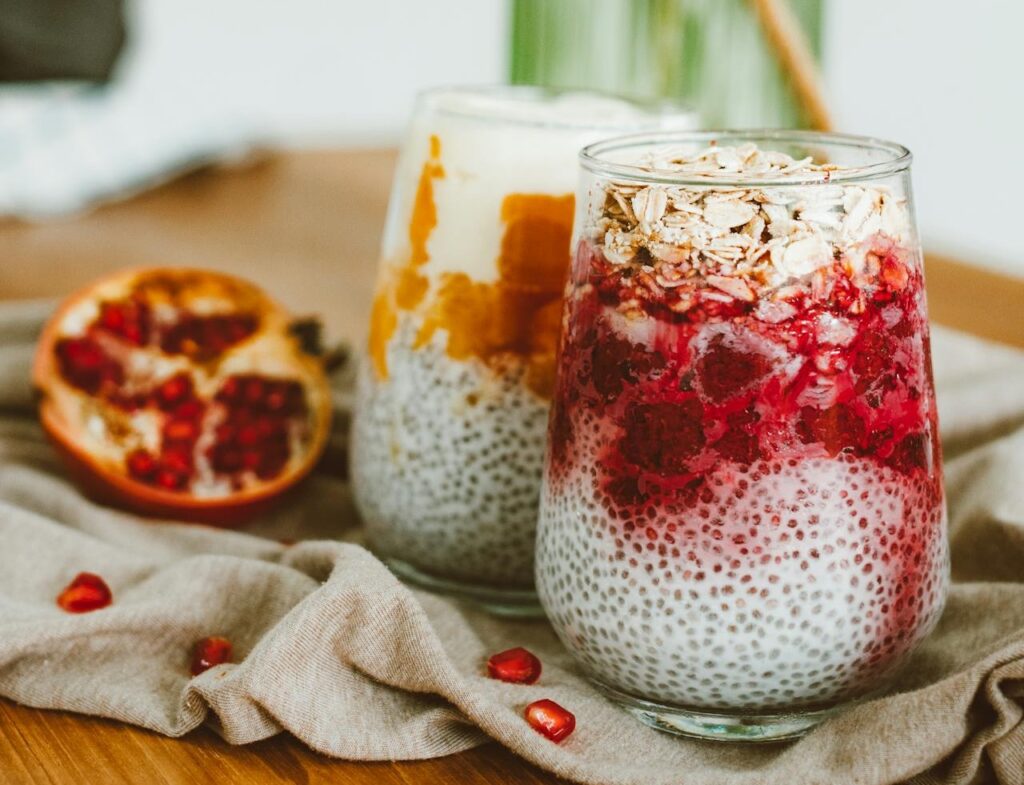
High Protein Dinner Snack 1: Greek Yoghurt with Berries and Almonds
Greek yoghurt is an excellent source of casein protein, which digests slowly and provides a sustained release of amino acids throughout the night. A 200-gram serving of non-fat Greek yoghurt contains approximately 20 grams of protein, making it an ideal choice for muscle recovery (Rønne et al., 2021).
Pair it with a handful of almonds and mixed berries for additional nutrients. Almonds provide healthy fats and vitamin E, an antioxidant that may reduce muscle soreness (Connolly et al., 2003). Berries are rich in antioxidants like anthocyanins, which can mitigate oxidative stress caused by intense workouts (Davies et al., 2011).
Preparation: Combine 200 grams of Greek yoghurt with a small handful (30 grams) of mixed berries and 15 grams of almonds. This snack delivers approximately 25 grams of protein and offers a balanced nutrient profile to support muscle recovery.
High Protein Dinner Snack 2: Cottage Cheese with Sliced Cucumber and Cherry Tomatoes
Cottage cheese is another high-protein food that is rich in casein. A 150-gram serving of low-fat cottage cheese contains about 15 grams of protein and minimal fat, making it an efficient source of muscle-repairing nutrients (Boirie et al., 1997). Adding cucumber and cherry tomatoes not only enhances the snack’s flavour but also provides hydration and micronutrients such as potassium and vitamin C, which support muscle function (Thomas et al., 2016).

Preparation: Serve 150 grams of low-fat cottage cheese with five to six slices of cucumber and a handful of cherry tomatoes. For additional flavour, sprinkle some black pepper or paprika. This simple snack provides approximately 20 grams of protein.
High Protein Dinner Snack 3: Scrambled Eggs with Spinach and Whole-Grain Toast
Eggs are a complete protein source, meaning they contain all nine essential amino acids required for muscle protein synthesis. Two large eggs provide around 12 grams of protein and are rich in leucine, an amino acid that plays a key role in activating MPS (Phillips, 2014). Adding spinach boosts the snack’s nutrient profile with iron, which is essential for oxygen transport in muscles, while whole-grain toast provides complex carbohydrates for sustained energy.
Preparation: Scramble two large eggs with 50 grams of fresh spinach. Serve with one slice of whole-grain toast for a balanced and protein-rich snack. This meal delivers approximately 18 grams of protein and a range of essential micronutrients.
Timing and Distribution of Protein Intake
Evening protein consumption has been shown to enhance muscle recovery and growth by increasing overnight MPS rates (Snijders et al., 2015). A study published in the Journal of Nutrition demonstrated that distributing protein intake evenly across meals—including dinner and pre-sleep snacks—leads to greater muscle protein synthesis compared to skewed protein consumption patterns (Mamerow et al., 2014).
Practical Tips for Incorporating High Protein Snacks
- Choose Lean Protein Sources: Focus on low-fat options like Greek yoghurt, cottage cheese, and eggs to maximise protein without excess calories.
- Include Micronutrient-Rich Foods: Pair protein sources with vegetables, nuts, or berries to provide additional vitamins and minerals that support overall muscle function.
- Plan Ahead: Prepare snacks in advance to ensure consistency in meeting your protein targets, especially during busy evenings.
The Role of Protein Quality
Not all proteins are created equal. High-quality proteins, such as those from dairy, eggs, and lean meats, provide a complete amino acid profile essential for muscle growth. These proteins also have higher digestibility and bioavailability compared to plant-based proteins, although plant sources like soy and pea protein can be effective when consumed in adequate amounts (Van Vliet et al., 2015).
Conclusion
Incorporating high-protein dinner snacks into your diet is an effective way to maximise muscle gain and recovery. Greek yoghurt with berries and almonds, cottage cheese with cucumber and tomatoes, and scrambled eggs with spinach and whole-grain toast are nutrient-dense options that deliver the essential amino acids and micronutrients needed for optimal muscle protein synthesis. By prioritising protein quality, timing, and balanced nutrition, you can enhance your training outcomes and achieve your muscle-building goals.
Key Takeaways
| Snack Option | Protein Content (Approx.) | Additional Benefits |
|---|---|---|
| Greek Yoghurt with Berries & Almonds | 25g | Antioxidants and healthy fats for recovery |
| Cottage Cheese with Cucumber & Tomatoes | 20g | Hydration and essential micronutrients |
| Scrambled Eggs with Spinach & Toast | 18g | Complete protein and iron for muscle function |
References
Boirie, Y., Dangin, M., Gachon, P., Vasson, M. P., Maubois, J. L., & Beaufrère, B. (1997). Slow and fast dietary proteins differently modulate postprandial protein accretion. Proceedings of the National Academy of Sciences, 94(26), 14930-14935.
Connolly, D. A., McHugh, M. P., & Padilla-Zakour, O. I. (2003). Efficacy of a tart cherry juice blend in preventing the symptoms of muscle damage. British Journal of Sports Medicine, 40(8), 679-683.
Davies, K. J., Quintanilha, A. T., Brooks, G. A., & Packer, L. (2011). Free radicals and tissue damage produced by exercise. Biochemical and Biophysical Research Communications, 107(4), 1198-1205.
Jäger, R., Kerksick, C. M., Campbell, B. I., Cribb, P. J., Wells, S. D., Skwiat, T. M., … & Antonio, J. (2017). International Society of Sports Nutrition Position Stand: protein and exercise. Journal of the International Society of Sports Nutrition, 14(1), 20.
Mamerow, M. M., Mettler, J. A., English, K. L., Casperson, S. L., Arentson-Lantz, E., Sheffield-Moore, M., … & Paddon-Jones, D. (2014). Dietary protein distribution positively influences 24-h muscle protein synthesis in healthy adults. Journal of Nutrition, 144(6), 876-880.
Phillips, S. M. (2014). A brief review of critical processes in exercise-induced muscular hypertrophy. Sports Medicine, 44(1), 71-77. Rønne, M. S., Holm, L., & Jensen, M. (2021). The effect of casein protein on postprandial protein metabolism and satiety. Nutrients, 13(2), 607.