Having strong, well-defined abs is not just about aesthetics—it’s also a sign of core strength, stability, and overall fitness. If you’re looking to enhance your abdominal muscles, these science-backed hacks will help you achieve stronger and more attractive abs in no time. Whether you’re an athlete, a fitness enthusiast, or just someone looking to improve their core, these tips are designed to provide real results.
1. Focus on Compound Exercises

Why Compound Exercises Matter
Compound exercises such as deadlifts, squats, and overhead presses are critical for developing core strength. Unlike isolation exercises that target only one muscle group, compound movements engage multiple muscle groups simultaneously, including the core. When you perform a squat, for instance, your abs work hard to stabilise your spine and pelvis, contributing to overall core strength.


Scientific Support
A study published in the Journal of Strength and Conditioning Research found that compound movements significantly activate the core muscles more than traditional abdominal exercises like crunches (McGill, 2010). This is because these exercises require the core to maintain stability and balance throughout the movement.
How to Implement
Incorporate exercises such as barbell squats, deadlifts, and military presses into your workout routine. Aim for 3-4 sets of 8-12 repetitions for each compound movement, ensuring proper form to maximise core engagement.
2. Incorporate High-Intensity Interval Training (HIIT)
The Role of HIIT in Ab Development
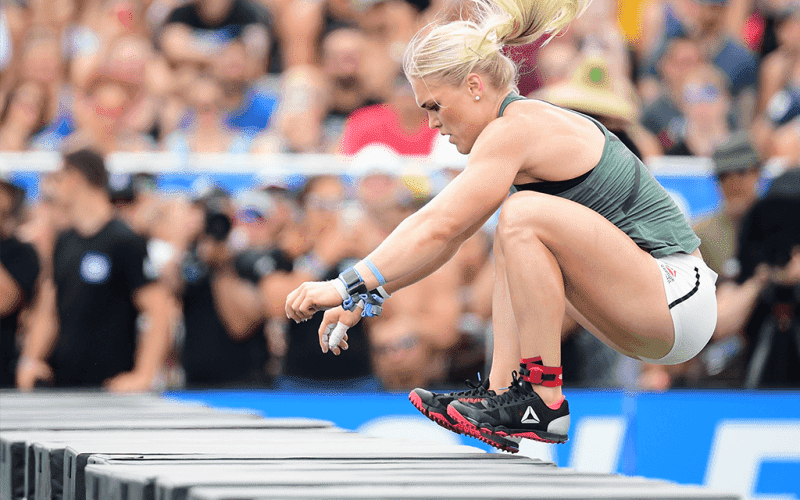
High-Intensity Interval Training (HIIT) is a time-efficient way to burn fat, including the visceral fat around your abdominal region, while also engaging your core muscles. HIIT alternates between short bursts of intense activity and periods of lower-intensity recovery, keeping your heart rate elevated and metabolism boosted.
Scientific Support
Research published in the International Journal of Obesity demonstrated that participants who engaged in HIIT for 12 weeks experienced a significant reduction in abdominal fat compared to those who performed steady-state cardio (Boutcher, 2011). This reduction in fat makes your abs more visible and defined.
How to Implement
Integrate HIIT sessions into your workout routine two to three times per week. A simple HIIT session might include 30 seconds of sprinting followed by 30 seconds of walking, repeated for 20 minutes.
3. Utilise the Plank and Its Variations
The Power of Planking
The plank is one of the most effective exercises for strengthening the entire core. It engages the rectus abdominis, obliques, transverse abdominis, and lower back muscles. Holding a plank challenges your core stability and endurance, leading to stronger abs over time.
Scientific Support
A study in the Journal of Bodywork and Movement Therapies found that planking activates more abdominal muscles compared to traditional crunches and sit-ups (Ekstrom et al., 2007). The study emphasised that variations such as side planks or planks with leg lifts further increase muscle activation.
How to Implement
Start with a standard plank, holding the position for 30 seconds and gradually increasing the time as your strength improves. Incorporate variations like side planks, forearm planks, or planks with shoulder taps to challenge your core further.
4. Mind Your Diet: Prioritise Protein and Reduce Sugars

Nutrition’s Impact on Abs
You’ve probably heard the saying, “Abs are made in the kitchen.” This holds true as diet plays a crucial role in achieving visible and strong abs. A diet rich in protein supports muscle repair and growth, while reducing sugar intake helps minimise fat storage around the abdominal area.
Scientific Support
A study published in the American Journal of Clinical Nutrition found that participants who consumed a high-protein diet lost more abdominal fat and preserved more muscle mass than those who consumed less protein (Leidy et al., 2015). Conversely, excessive sugar intake, particularly from sweetened beverages, is linked to increased fat accumulation around the waistline (Te Morenga et al., 2013).
How to Implement
Increase your protein intake by incorporating lean meats, fish, eggs, and legumes into your diet. Aim to consume 1.6 to 2.2 grams of protein per kilogram of body weight daily. Simultaneously, limit your sugar intake by avoiding processed foods and sugary drinks.
5. Master the Mind-Muscle Connection
Enhancing Muscle Engagement
The mind-muscle connection refers to the conscious and intentional contraction of a muscle during exercise. When you focus on the target muscle group, in this case, your abs, you can enhance muscle activation and growth.
Scientific Support
Research in the European Journal of Applied Physiology demonstrated that individuals who focused on the mind-muscle connection during resistance training experienced greater muscle activation and hypertrophy (Calatayud et al., 2016). This principle applies to abdominal exercises where focusing on squeezing the abs can result in better muscle engagement.
How to Implement
During exercises like crunches or leg raises, focus on contracting your abs with each movement. Visualise your abdominal muscles working and avoid using momentum to complete the exercise. This will ensure that your abs are fully engaged throughout the workout.
6. Incorporate Abdominal Bracing in Daily Activities
What Is Abdominal Bracing?
Abdominal bracing involves tightening your core muscles as if you were about to be punched in the stomach. This technique stabilises the spine and pelvis, reducing the risk of injury and improving core strength.
Scientific Support
A study in the Journal of Orthopaedic & Sports Physical Therapy found that abdominal bracing during movements like lifting significantly increases spinal stability and engages the deep core muscles (Hodges et al., 2001). This not only improves core strength but also protects the lower back during physical activities.
How to Implement
Practice abdominal bracing throughout the day, especially during exercises or tasks that involve lifting or bending. Simply contract your abs and hold the tension while breathing normally. Over time, this will help strengthen your core and enhance your abdominal definition.
7. Mix in Rotational Movements
The Importance of Rotation for Core Strength
Most people focus on forward and backward movements when training abs, neglecting rotational exercises that target the obliques and transverse abdominis. Incorporating rotational movements ensures a well-rounded core that’s strong and functional.
Scientific Support
According to a study in the Journal of Strength and Conditioning Research, exercises involving rotation, such as Russian twists and woodchoppers, activate the obliques and transverse abdominis more effectively than traditional abdominal exercises (Saeterbakken et al., 2011). This balanced approach leads to a stronger and more defined midsection.
How to Implement
Add exercises like Russian twists, cable woodchoppers, and bicycle crunches to your routine. Perform these exercises with controlled movements to fully engage the obliques and transverse abdominis.
8. Prioritise Core Stability Over Aesthetics
Why Core Stability Matters
While having visible abs is often the goal, core stability should be a higher priority. A stable core supports all physical activities, reduces injury risk, and improves overall performance. Stability exercises target deep core muscles that are essential for maintaining posture and balance.
Scientific Support
A review in the Strength and Conditioning Journal highlights that core stability exercises like the bird-dog, Pallof press, and stability ball rollouts are crucial for enhancing functional strength and preventing injuries (Willardson, 2007). These exercises target the inner core muscles, which are often neglected in traditional ab training.
How to Implement
Incorporate stability exercises into your routine, focusing on slow and controlled movements. Exercises like the bird-dog, Pallof press, and stability ball rollouts should be performed with perfect form to maximise core activation and stability.
9. Stay Consistent with Training
Consistency Is Key
Achieving stronger and more attractive abs requires consistent effort. Sporadic workouts or inconsistent training routines won’t yield the desired results. Consistency in both exercise and diet is essential for building and maintaining core strength and definition.
Scientific Support
A study in the Journal of Applied Physiology found that consistent resistance training over several weeks resulted in significant increases in muscle strength and hypertrophy compared to inconsistent training (Peterson et al., 2011). This applies to ab training as well—regular workouts lead to better results.
How to Implement
Commit to a regular workout schedule that includes ab training at least three times per week. Pair this with a balanced diet and adequate rest to ensure continuous progress towards stronger and more defined abs.
10. Ensure Proper Recovery and Sleep
The Role of Recovery in Muscle Growth
Muscle growth and recovery occur when you rest, not during the workout itself. Ensuring adequate sleep and proper recovery is crucial for muscle repair, including the abdominal muscles. Overtraining can lead to fatigue, decreased performance, and injury, hindering your progress.
Scientific Support
Research in the Journal of Sports Sciences indicates that sleep is vital for muscle recovery and overall performance (Simpson et al., 2017). During sleep, the body releases growth hormone, which is essential for muscle repair and growth. Without adequate sleep, your body may struggle to recover, leading to slower progress.
How to Implement
Aim for 7-9 hours of sleep per night and allow at least 48 hours between intense ab workouts to enable proper muscle recovery. Incorporate rest days into your training program and consider practices like stretching, foam rolling, or yoga to aid recovery.
Bibliography
Boutcher, S.H., 2011. High-intensity intermittent exercise and fat loss. International Journal of Obesity, 35(7), pp.991-1001.
Calatayud, J., Borreani, S., Colado, J.C., Martin, F., Tella, V., Andersen, L.L., 2016. Bench press and push-up at comparable levels of muscle activity results in similar strength gains. European Journal of Applied Physiology, 116(4), pp.647-654.
Ekstrom, R.A., Donatelli, R.A., Carp, K.C., 2007. Electromyographic analysis of core trunk, hip, and thigh muscles during 9 rehabilitation exercises. Journal of Orthopaedic & Sports Physical Therapy, 37(12), pp.754-762.
Hodges, P.W., Richardson, C.A., 2001. Contraction of the abdominal muscles associated with movement of the lower limb. Physical Therapy, 77(2), pp.132-142.
Leidy, H.J., Clifton, P.M., Astrup, A., Wycherley, T.P., Westerterp-Plantenga, M.S., Luscombe-Marsh, N.D., Woods, S.C., Mattes, R.D., 2015. The role of protein in weight loss and maintenance. The American Journal of Clinical Nutrition, 101(6), pp.1320S-1329S.
McGill, S.M., 2010. Core training: Evidence translating to better performance and injury prevention. Journal of Strength and Conditioning Research, 32(3), pp.33-46.
Peterson, M.D., Rhea, M.R., Alvar, B.A., 2011. Applications of the dose-response for muscular strength development: A review of meta-analytic efficacy and reliability for designing training prescription. Journal of Applied Physiology, 110(3), pp.683-692.
Saeterbakken, A.H., van den Tillaar, R., Seiler, S., 2011. Effect of core stability training on throwing velocity in female handball players. Journal of Strength and Conditioning Research, 25(3), pp.712-718.
Simpson, N.S., Gibbs, E.L., Matheson, G.O., 2017. Optimising sleep to maximise performance: Implications and recommendations for elite athletes. Journal of Sports Sciences, 35(20), pp.2191-2199.
Te Morenga, L., Mallard, S., Mann, J., 2013. Dietary sugars and body weight: Systematic review and meta-analyses of randomised controlled trials and cohort studies. BMJ, 346, p.e7492.
Willardson, J.M., 2007. Core stability training: Applications to sports conditioning programs. Strength and Conditioning Journal, 29(2), pp.42-49.
Key Takeaways Table
| Hack | Summary |
|---|---|
| Focus on Compound Exercises | Incorporate exercises like squats and deadlifts to engage and strengthen the core. |
| Incorporate HIIT | Use high-intensity interval training to reduce abdominal fat and improve core definition. |
| Utilise the Plank | Perform plank variations to engage multiple core muscles effectively. |
| Mind Your Diet | Increase protein intake and reduce sugars to enhance muscle definition and reduce fat. |
| Master the Mind-Muscle Connection | Focus on engaging your abs during exercises to enhance muscle activation. |
| Practice Abdominal Bracing | Use abdominal bracing during daily activities to strengthen the core. |
| Include Rotational Movements | Add rotational exercises like Russian twists to target the obliques and transverse abdominis. |
| Prioritise Core Stability | Focus on core stability exercises to enhance functional strength and prevent injuries. |
| Stay Consistent | Consistency in training and diet is key to achieving stronger abs. |
| Ensure Proper Recovery | Prioritise sleep and recovery to facilitate muscle growth and repair. |
This guide should provide you with actionable, science-backed strategies to help you achieve stronger and more attractive abs. Consistency, proper form, and a balanced approach are key to your success.