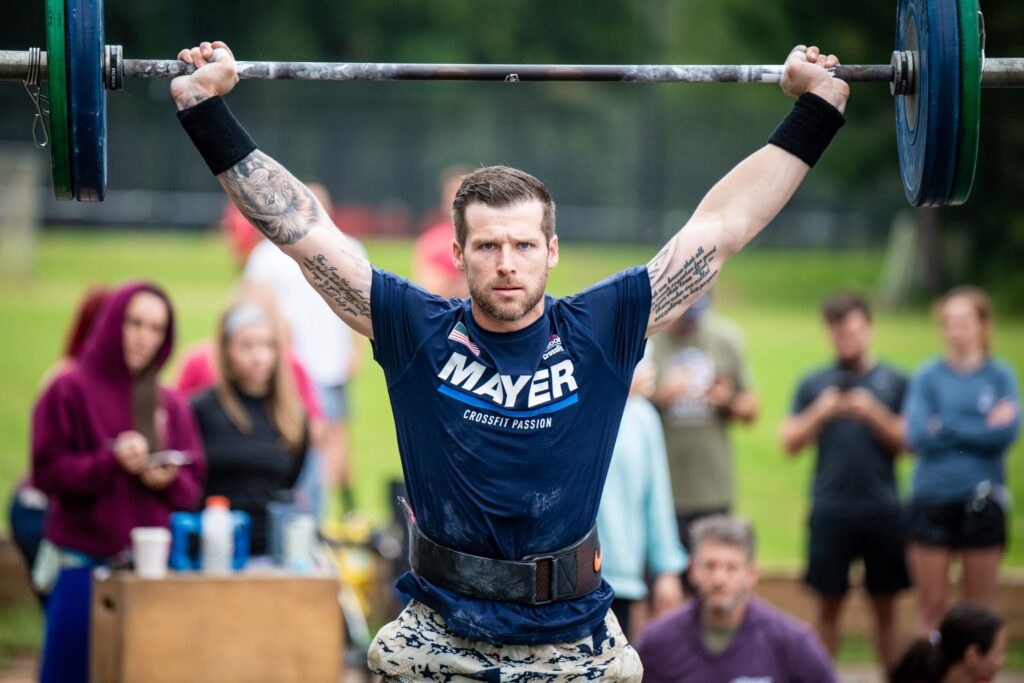
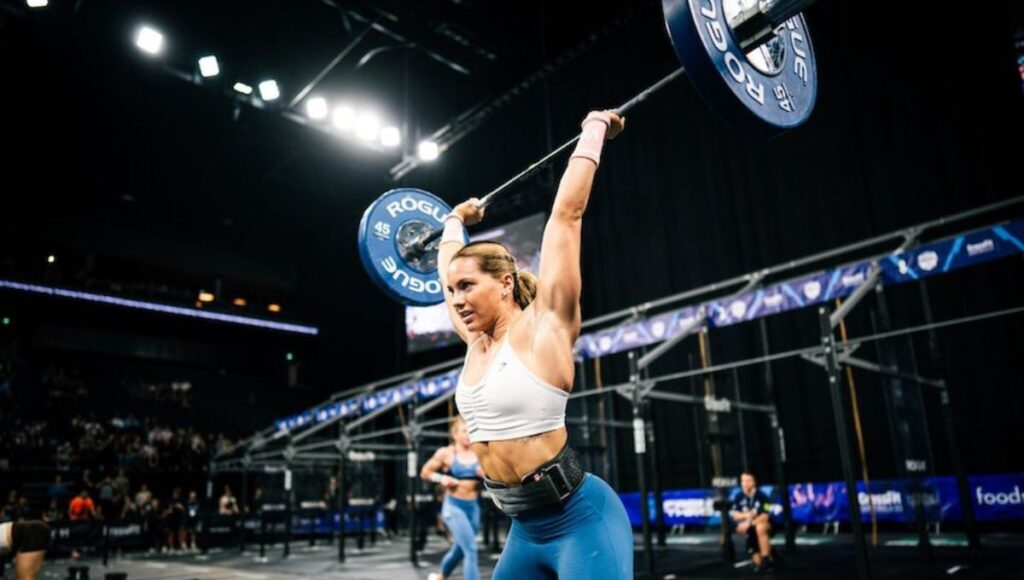
Anyone who is serious about making lower body gains in the gym is no stranger to the deadlift. However, a new debate has emerged and it includes the deadlift vs trap bar deadlift and which one works the best for building muscle. If you have performed each you may already have an idea which exercise you prefer, but let’s dive into which option is superior to the other.
Deadlifts are an absolute staple in the gym and in power lifting. While the traditional option is performed with a barbell, the trap bar (known as the hex bar) is gaining popularity among many. The content ahead describes each type of exercise, the benefits, which is superior, and how you can add each to your workout. 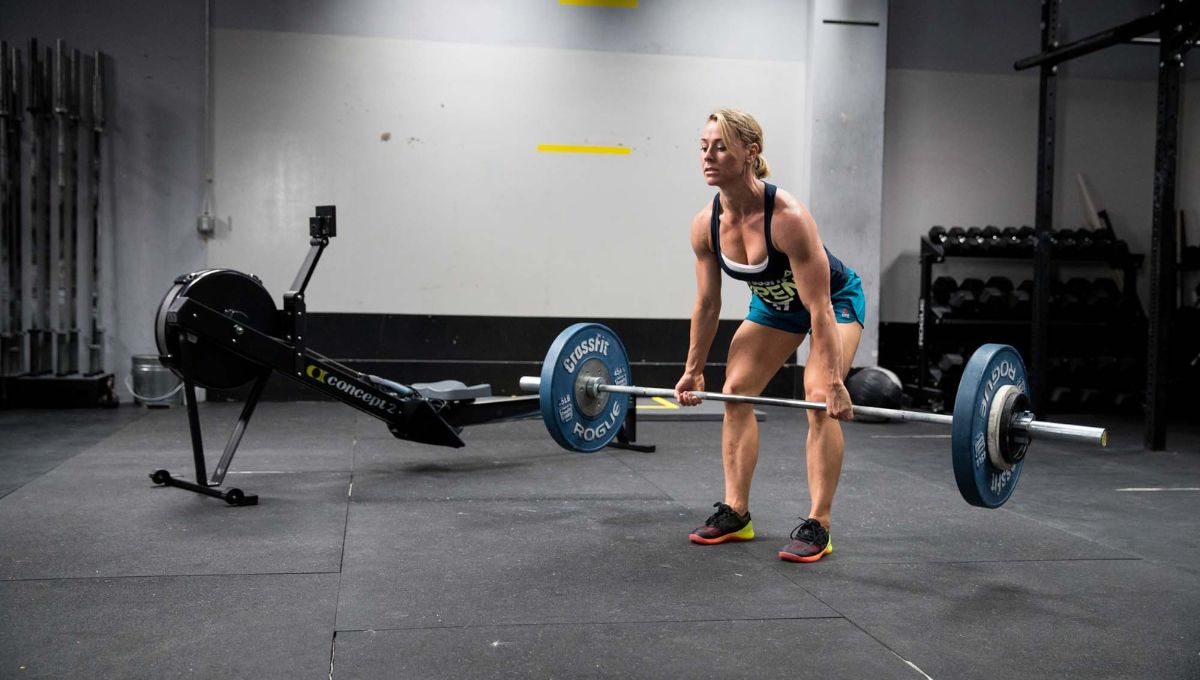


What is the Standard Deadlift?
The standard deadlift is a power exercise that involves the hip and knee joints. When performed with impeccable form, the conventional deadlift works the quads, hamstrings, glutes, forearms, and somewhat of the lower legs. Here are some of the best reasons to perform the traditional deadlift.
- Deeper positional lean. Since the barbell sits in front of the body, this allows for a deeper bend at the hips and knees. This creates a more executed range of motion that works the quads closer to the hip joints.
- Natural feel. The standard barbell deadlift allows for a more natural feel, which is picking something off the ground. This creates a more functional way to exercise and makes the exercise more of a challenge and less of a programmed movement, but it truly the oldest activity that has been around since Hunter and gatherers.
- Focuses heavily on hamstrings. Today’s workouts are heavy on the anterior muscles, leaving the posterior ones in the dust. The standard deadlift focuses more on the hamstrings, which are a major posterior muscle group, and is a standard Olympic lift.
What is the Trap Bar Deadlift?
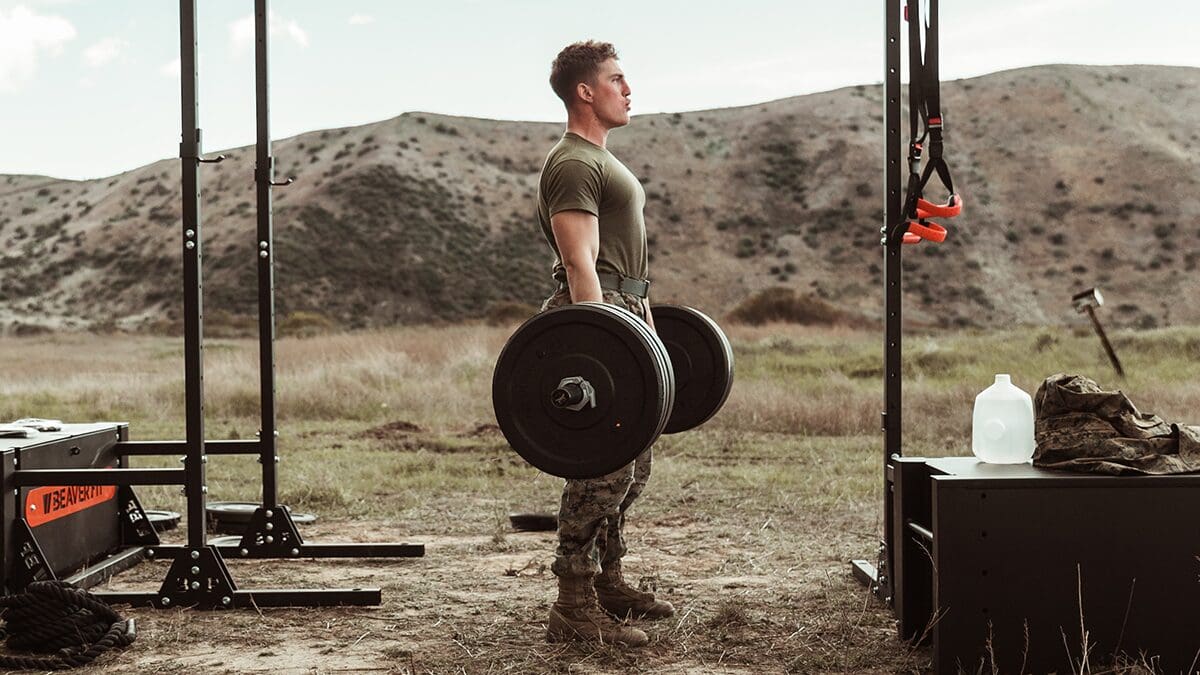
The trap bar deadlift, or hex bar deadlift, is a variation of the traditional option where a hex bar is used for the lift instead of a barbell. This creates a completely different feel that rivals a dumbbell deadlift, but allows for weight plates. Let’s consider some of the benefits of a trap bar deadlift.
- Allows for heavier lift. Since the trap bar has the handles in the middle of the hex portion and for you to stand in between the weights, this version allows for an ergonomic feel. It also allows for potentially more weight plates to be added without sacrificing form.
- Potentially more gentle on the spine. Since you are able to stand between the weight plates with the handles at your side, the spine is in a neutral slot, which takes unnatural stress away from the spine.
- Easier to maneuver the weight. With handles that are closer to the body, the trap bar deadlift allows for a more natural and easier approach to the lift.
What Muscles do the Deadlift vs Trap Bar Deadlift Work?
When it comes to utilizing each variation, the deadlift vs trap bar deadlift work similar muscles, but with slight subtleties. Let’s look at the muscles worked by doing the deadlift exercise.
- Glutes including gluteus maximus and medius muscles.
- Hamstrings with the semitendinosus most worked.
- Quadriceps, with the barbell deadlift showing greater muscle activation in this muscle group.
- Forearms from gripping either barbell.
- Lower back extensors such as the extensor spinae due to upright posture and stability.
Selecting the Right Deadlift: Which is Superior?
So far the race is quite close and it seems that making the selection of deadlift vs trap bar deadlift is going to be a matter of what is being targeted. Let’s categorize each element of a power lift to see what holds up.
- Hypertrophy. The addition of deadlifts to a power workout can help to promote overall lower body strength. Performing heavy deadlifts can help to improve the one repetition maximum. Because of this, it seems that standard deadlifts win.
- Isolation. Each of these deadlifts are targeted towards the quads, hamstrings, and glutes. Since the trap bar is easier to maneuver, it has the upper hand. The standard deadlift is ideal for a more natural feel, but overall versatility goes to the trap bar deadlifts.
- Hip joint. Traditional deadlifts with a barbell target the upper quads at the hips. This is largely because of the late hip thrust involved in the raise up phase. The traditional deadlift wins because of the upper quadriceps activation at the hip joint.
- Knee joint. Studies have shown differences of the deadlift vs trap bar deadlift and how they work different parts of the quadriceps. It seems as though the 3 repetition maximum is better with the trap bar deadlift at the knee joint, meaning the lower portion of the quads.
- Final Verdict. The final verdict here goes to the traditional deadlift. While the trap bar deadlift offers potential ease on the spine and heavier lifts, the standard barbell deadlift is ideal for hypertrophy and a more natural feel.
How to Incorporate Deadlift vs Trap Bar Deadlift in your Workout
While making a selection on the standard deadlift vs trap bar deadlift can be challenging, perhaps utilizing each variation can help to add to the best of both worlds.
Consider cycling each deadlift option every month. For the odd numbered months, perform the standard deadlift. For even numbered months, work on the trap bar deadlift. This option allows for a full arsenal on the legs and can help to incorporate each element into your workouts.
Conclusion
The deadlift and all of its variations can be an efficient way to grow leg muscles. Deadlifts focus specifically on the quads, hamstrings, and glutes for one of the best compound exercises.
The standard barbell deadlift offers an excellent option that is renowned for inducing leg hypertrophy and targets the quads at the hip joints. In comparison, the trap bar deadlift allows for potentially more weight to be lifted, with more control due to handle location. With this information listed, the traditional deadlift offers an advantage and is superior as a compound exercise when compared to the trap bar deadlift.
Resources
https://pubmed.ncbi.nlm.nih.gov/32107499