The shoes you wear play a vital role in how your feet and ankles interact with the surface below you. While there are shoes for every occasion, there are 6 things to look for in shoes for functional training.
Not every shoe is made in the same manner, nor does each shoe provide the same layer of protection that can withstand any workout. The shoes you wear play a big role in the type of exercise you can safely complete. The information below goes into depth about what to look for in a workout shoe and the 6 things to look for in shoes for functional training. 


What Kind of Shoes Are Best for Functional Training?
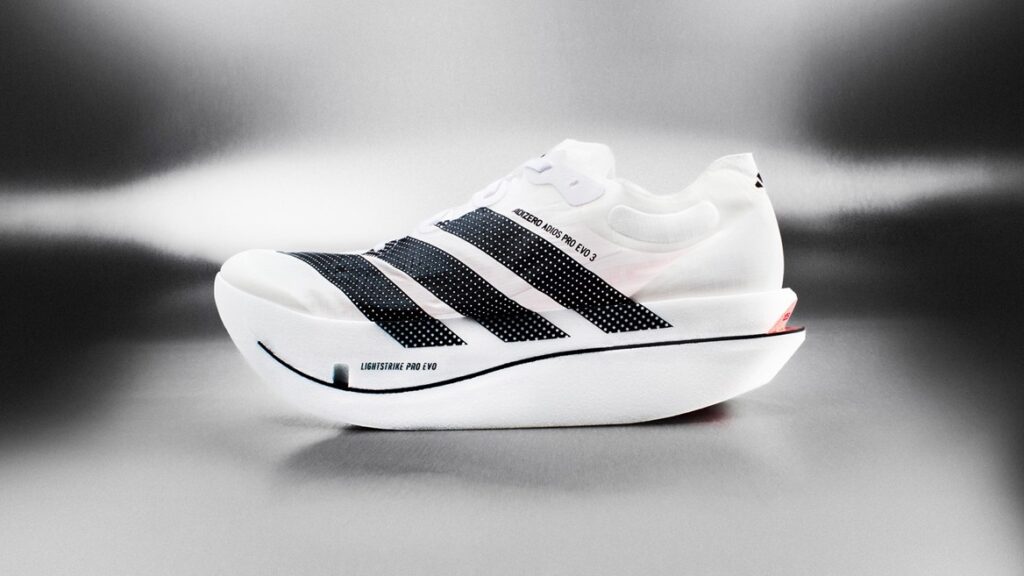
The shoes you look for when fully immersed in a functional training program are much different than a running workout. For example, running shoes are designed to absorb and allow for continuous foot strikes on various terrain. In addition, road running requires a cushioned sole that absorbs the shock upon landing over long durations.
In comparison, functional training requires a versatile shoe, with a flat sole, and wide toe box for a natural feel. Ideally, shoes that are perfect for functional training should offer support, but not take away any range of motion.
When you are looking for a shoe style for your functional workouts, there are things to consider. Let’s examine 6 things to look for in shoes for functional training. 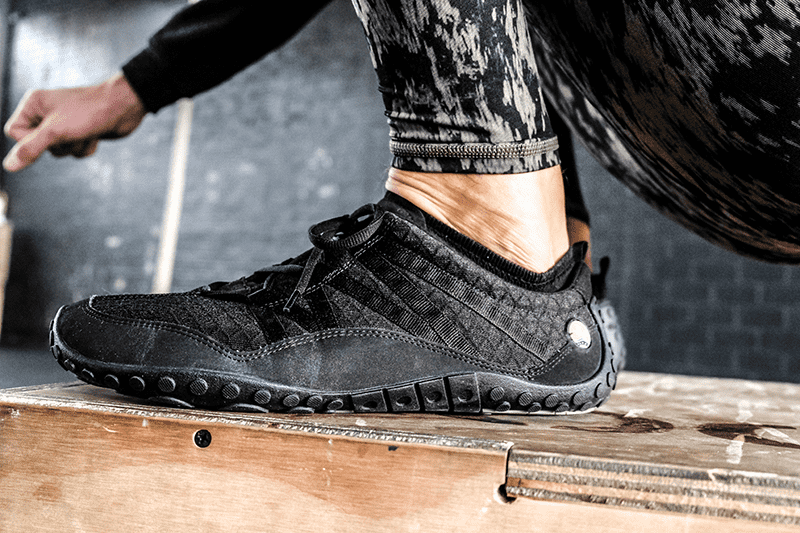
Top 6 Things to Look for in Shoes for Functional Training Programs
- Look For Grip. Many shoes have gone on a complete minimalistic approach and offer outsoles that are not grippy. When you are performing weighted lunges, back squats, or deadlifts, you want your feet to remain grounded. Finding functional training shoes that have grip will feel the best and may give you a little extra for your lower body lifts.
- Stray From Slip Ons. Many of these shoes are great for just slipping on the feet, but they do not hold your feet as well as with laced options. Slip on shoes are great for leaving the gym, but if you have a pair at home then consider avoiding functional workouts with these. Your search should be narrowed to the laced option so that your feet can properly be supported.
- Look for Flat Soles. Functional workouts require impeccable form with feet positioning that is spot-on for optimal muscle building. For this reason, shoes with flat soles are ideal for functional exercises, as the elevated heel in other options can activate the posterior part of the legs without you knowing. These types of shoes can be found as weightlifting options or as barefoot models for best results.
- Aim for Flexibility. Flexibility in the forefoot is important for sprinting drills, box jumps, and agility training. The forefoot, or the part near the toes, is responsible for powerful movements and flexibility in this area can support various movements without restriction. Look for shoes that can bend or twist and if they can with ease, then you know they pass the test.
- Lightweight Options. The lightweight, real feel shoe has been gaining popularity in recent years. Especially when you are in the middle of a functional workout that includes burpees, high knee sprints, or leg lifts, lightweight options can make it feel like you don’t even have shoes on at all. Consider barefoot shoes or ones that are minimalistic during your search and consider them on your functional endurance days as well.
- Wide Toe Box. A wide toe box really makes a huge difference in the feel of your functional workout and also how your feet respond. The extra space in a wide foot box can help to avoid blisters and prevent your toes rubbing up on the inner part. Not to mention, extra space in the foot box may help to save energy since your body won’t need to compensate for potential pain.
Special Considerations for Workouts
Your search for a shoe that works well for functional training should include comfortable and practical options. However, your search needs to take into consideration any limitations or needs your feet may require.
Some people have differing arch support needs. For this, a specialized insert or even orthotic may need to be placed inside your shoes to support arches.
Also, if you are strictly a weight lifter and focus solely on bodybuilding or Olympic lifts, you should search for shoes specific to this. If functional fitness and athletic training is your life, then follow the guide above for your selection.
Online Shopping for Shoes
It should be no surprise, but online shopping for your shoes offers more options and competitive prices. While the feel of shoe shopping in stores is nice, don’t forget that online shopping now offers great return policies and most companies allow for light use prior to returning them.
Here are some tips for finding a great shoe online for functional workouts.
- Look for descriptions. Most companies will advertise their best features and these usually involve the type of shoe, sole, outsole, and lace type it has.
- Barefoot shoes may not have everything. If you purchase a barefoot shoe style, be mindful that it may be missing key features such as laces, heel protectors, and ankle support.
- Look for competitive pricing. The great option with shopping online for functional workout shoes is that you can search around easily. While paying full price for a shoe happens, do a little due diligence and search around to see if it’s on sale somewhere. When in doubt, aim for at least free shipping.
Final Words
Functional fitness is a great way to exercise that involves various movements in the legs. Shoes always need to be supportive, but also need to be flexible for movement so as to not restrict activity.
While many of these shoes have various benefits, your selection will always come down to what feels best on your feet. Consider allowing a break in a period of about a week to see if they feel good and if not, return them for a new pair.