Building an impressive upper body is entirely possible without ever touching a bench press. While the barbell bench press has long been heralded as the king of upper body development, science and practical training experience demonstrate that it’s not essential for strength, muscle growth, or performance.
Whether you lack access to a bench, want to avoid overuse injuries, or simply prefer more functional training modalities, this article will guide you through evidence-backed strategies for developing a powerful upper body—without ever lying on a bench.


Why Ditch the Bench Press?
Overrated as a Necessity
The bench press, although highly effective for chest and triceps hypertrophy, is not inherently superior for upper body development across the board. Many pressing alternatives produce comparable or even superior muscle activation depending on the context. Studies show that exercise variety can contribute to continued muscular development through novel stimulus, mitigating adaptation plateaus (Fonseca et al., 2014).
Shoulder Health and Biomechanics
The barbell bench press forces the shoulders into a fixed range of motion, which can be problematic for individuals with shoulder impingement, mobility restrictions, or previous injuries. Alternatives such as dumbbell presses or bodyweight movements allow for natural joint articulation, reducing stress on the shoulder complex (Warden et al., 2007).
Sport-Specific and Functional Demands
If your goals extend beyond aesthetics—such as improving athleticism, power transfer, or functional strength—then many alternative movements provide greater carryover. Vertical presses, pulling patterns, and dynamic upper body movements often more closely resemble sport-specific actions and daily life patterns (Behm & Sale, 1993).
Core Training Principles

Progressive Overload
Whether you’re pressing a barbell or pulling your own bodyweight, progressive overload is the foundation of hypertrophy and strength gains. This involves gradually increasing resistance, volume, or mechanical difficulty. You can apply overload through resistance bands, tempo adjustments, load progression, or range of motion manipulation.
Movement Planes
A complete upper body training regimen should address movement across all planes: vertical push and pull, horizontal push and pull, scapular control, and elbow flexion and extension. Ignoring any plane or major muscle group can lead to imbalances, plateaus, and injury risk.
Alternative Upper Body Push Exercises
1. Overhead Press Variations
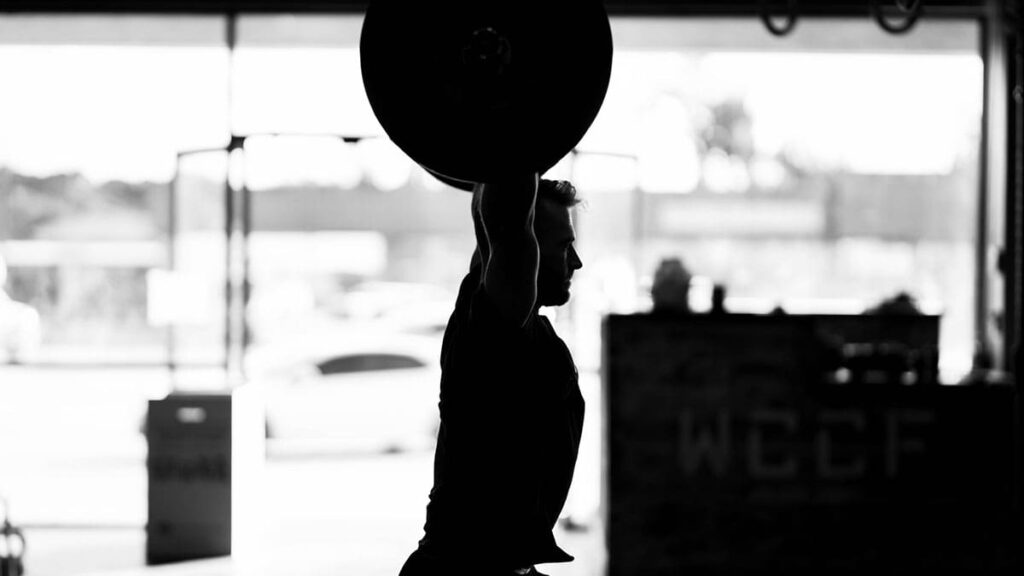
Standing Barbell Overhead Press
This compound lift emphasizes deltoid and triceps strength while also challenging core stability and postural integrity. Research by Saeterbakken et al. (2011) shows significant activation in the anterior and medial deltoids, often more than during flat bench pressing.
Dumbbell Overhead Press
Allows for unilateral loading and a greater range of motion, which enhances shoulder joint mechanics and can correct muscular imbalances.
Landmine Press
A shoulder-friendly alternative that combines horizontal and vertical press mechanics. It’s ideal for those recovering from shoulder issues and still seeking strength progression.
2. Push-Up Progressions
Standard and Deficit Push-Ups
Push-ups remain one of the most versatile upper body exercises. A study by Cogley et al. (2005) found comparable muscle activation in the pectoralis major during push-ups and bench press. By elevating the hands or feet, or increasing range of motion with parallettes, the intensity and challenge increase.
Weighted and Resistance Band Push-Ups
Adding resistance with a weight vest or band accommodates progressive overload. Slower tempo or pause variations increase time under tension, which is a key hypertrophy mechanism.
One-Arm Push-Ups
A high-skill movement demanding significant shoulder, chest, and core control, offering a maximal strength challenge.
3. Dips
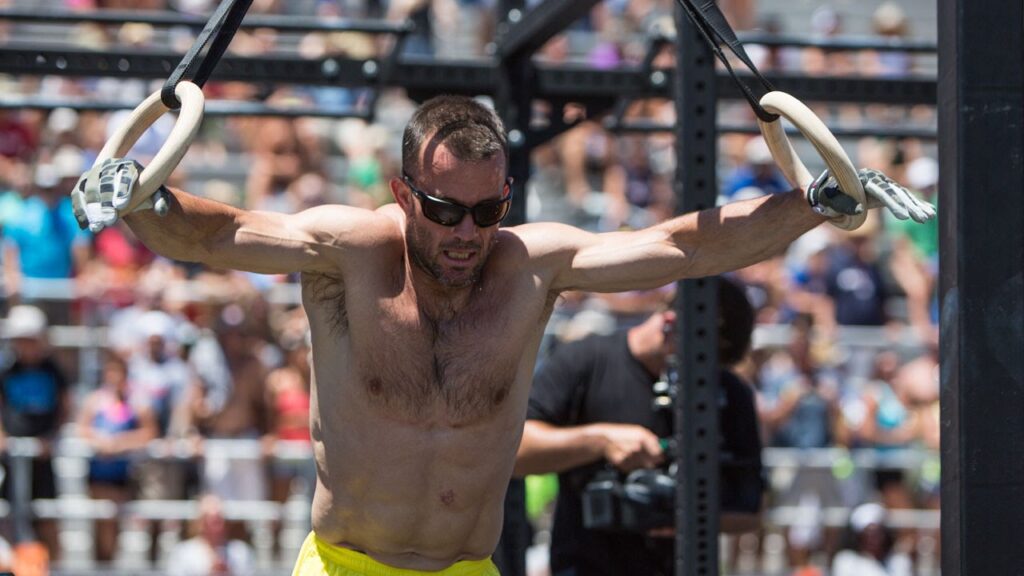
Bodyweight dips primarily target the triceps, pectorals, and anterior deltoids. Electromyography (EMG) analysis shows they rival and often exceed the bench press in activating the lower pectoral fibers (Andersen et al., 2012). Rings dips also introduce a stabilization demand that enhances neuromuscular control.
Alternative Upper Body Pull Exercises
1. Pull-Up and Chin-Up Variations
Standard Pull-Ups
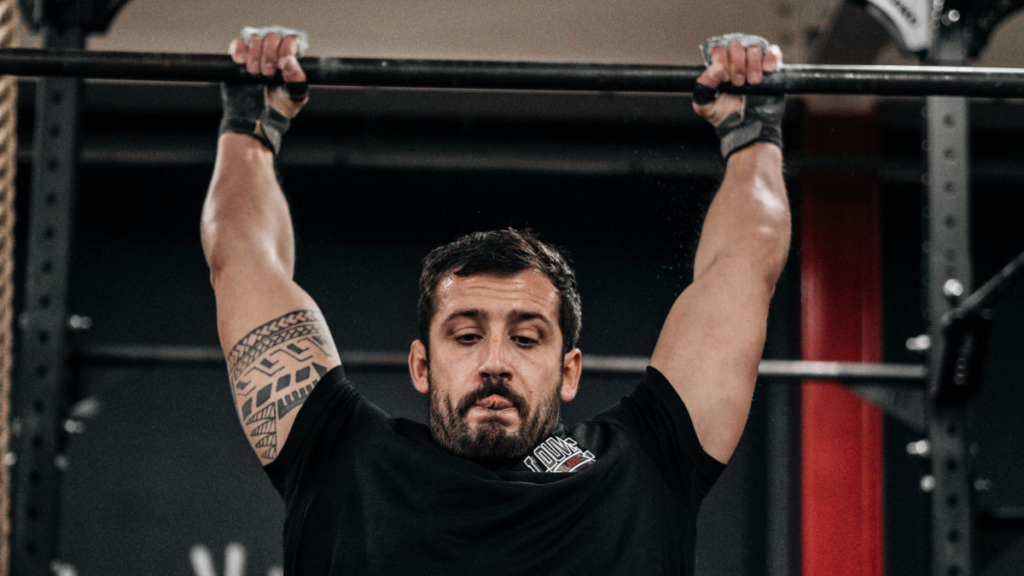
Highly effective for building the lats, biceps, and scapular stabilizers. Pull-ups remain a cornerstone for vertical pulling strength and are supported by EMG studies indicating strong latissimus dorsi and biceps activation (Youdas et al., 2010).
Weighted Pull-Ups
A progressive overload tool once bodyweight becomes too easy. These can be done with a weight belt or dumbbell between the legs.
Chin-Ups
Provide a more biceps-dominant variation due to the supinated grip and still effectively recruit the back musculature.
2. Inverted Rows
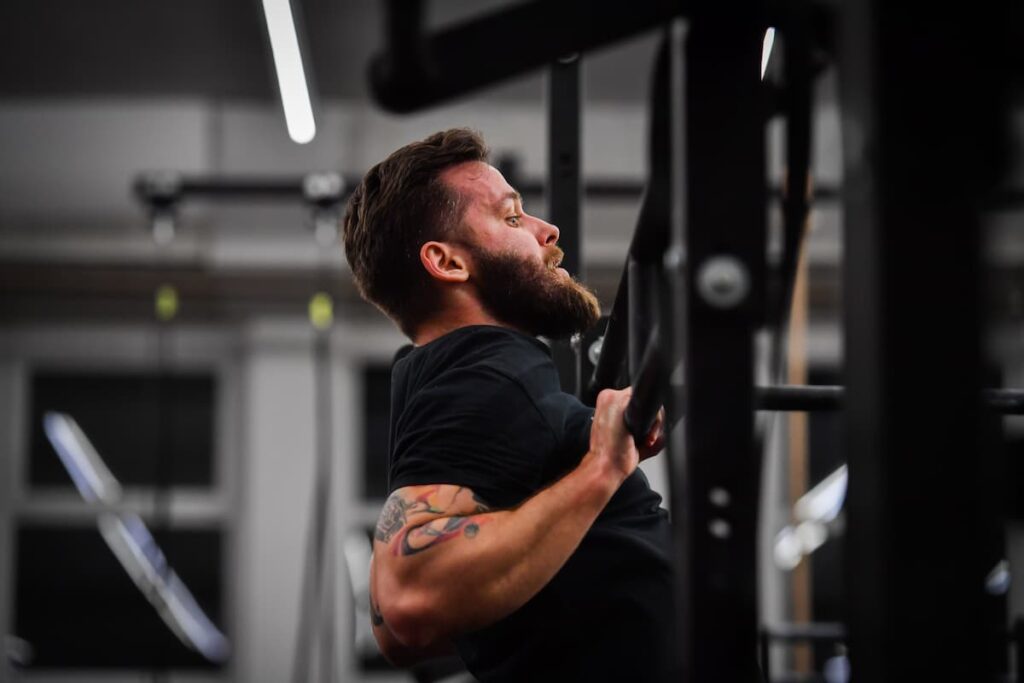
Use body weight and leverage to target the rhomboids, traps, and posterior deltoids. Studies by Calatayud et al. (2015) show that inverted rows activate similar musculature as the bent-over row, with lower spinal loading.
3. Towel Rows and Rope Climbs
Introduce grip strength and forearm development. These exercises mimic real-world pulling demands and improve functional pulling strength.
Isolation Work for Aesthetics and Joint Balance
1. Biceps
Dumbbell Curls, Barbell Curls, and Hammer Curls
Though compound movements activate the biceps, direct isolation work enhances peak contraction and elbow joint stability. Hammer curls also recruit the brachialis and brachioradialis for complete upper arm development.
2. Triceps
Overhead Extensions and Skull Crushers
Both exercises target the long head of the triceps more directly than pushdowns or dips. Overhead angles are particularly effective as they place the triceps in a stretched position, which correlates with greater hypertrophy response (Schoenfeld, 2010).
3. Rear Delts and Rotator Cuff
Face Pulls and External Rotations
Critical for shoulder health and posture. These muscles are often neglected, leading to internal rotation dominance and eventual injury. Studies support their role in shoulder joint stabilization and injury prevention (Reinold et al., 2004).
Core and Stability for Pressing and Pulling Strength
1. Anti-Rotation and Anti-Extension Core Work
Exercises like Pallof presses, ab rollouts, and planks enhance trunk rigidity, which translates to safer and stronger upper body lifts.
2. Loaded Carries
Farmer’s carries, suitcase carries, and overhead carries improve grip, shoulder stability, and overall upper body conditioning.
Structuring a Weekly Plan Without Bench Press
A balanced weekly structure might include:
Day 1: Vertical Push/Pull
- Standing Overhead Press
- Pull-Ups
- Dumbbell Lateral Raises
- Hanging Leg Raises
Day 2: Horizontal Push/Pull
- Weighted Push-Ups
- Inverted Rows
- Dips
- Face Pulls
Day 3: Arms & Shoulders
- Barbell Curls
- Overhead Triceps Extensions
- Hammer Curls
- External Rotations
Day 4: Core & Conditioning
- Ab Rollouts
- Pallof Presses
- Farmer’s Carries
- Rope Climbs
Adjust rest days, volume, and intensity according to your experience level, recovery ability, and goals.
Recovery and Nutrition Considerations
Muscle growth occurs during recovery—not during training. Ensure adequate protein intake (~1.6-2.2g/kg bodyweight per day), sleep (7–9 hours per night), and deloading every 4–6 weeks as needed (Morton et al., 2018).
Common Myths Debunked
“You Can’t Build a Big Chest Without Bench Press”
As demonstrated earlier, EMG analysis of push-ups, dips, and flyes reveal similar or greater activation in certain pec regions compared to the flat bench press.
“Machines Are Necessary for Isolation”
Free weights, bands, and bodyweight leverage can all isolate and overload muscles effectively. Machines offer convenience, but aren’t required for hypertrophy.
“Bodyweight Exercises Are Just for Beginners”
Movements like one-arm push-ups, muscle-ups, and weighted pull-ups provide maximal upper body loading and require high neuromuscular control—perfect for advanced trainees.
Conclusion
The bench press is a powerful tool, but far from essential. You can build a thick chest, broad shoulders, strong arms, and a muscular back using bodyweight movements, dumbbells, and smart programming. Avoiding the bench doesn’t mean sacrificing results; in fact, it might help you unlock new gains, reduce injury risk, and build real-world strength.
References
Andersen, V., Fimland, M.S., Wiik, E., Skoglund, A., Saeterbakken, A.H. (2012). ‘Effects of grip width on muscle strength and activation in bench press’. Journal of Strength and Conditioning Research, 26(7), 1939–1945.
Behm, D.G. & Sale, D.G. (1993). ‘Velocity specificity of resistance training’. Sports Medicine, 15(6), 374–388.
Calatayud, J., Borreani, S., Colado, J.C., Martin, F., Rogers, M.E., Behm, D.G. (2015). ‘Muscle activation during push-ups with different suspension training systems’. Journal of Sports Science & Medicine, 14(4), 815–822.
Cogley, R.M., Archambault, T.A., Fibeger, J.F., Koverman, M.M., Youdas, J.W., Hollman, J.H. (2005). ‘Comparison of muscle activation using various hand positions during push-up exercise’. Journal of Strength and Conditioning Research, 19(3), 628–633.
Fonseca, R.M., Roschel, H., Tricoli, V., de Souza, E.O., Wilson, J.M., Laurentino, G.C., Aihara, A.Y., de Souza Leão, A.R., Ugrinowitsch, C. (2014). ‘Changes in exercises are more effective than in loading schemes to improve muscle strength’. Journal of Strength and Conditioning Research, 28(11), 3085–3092.
Morton, R.W., Murphy, K.T., McKellar, S.R., Schoenfeld, B.J., Henselmans, M., Helms, E., Aragon, A.A., Devries, M.C., Banfield, L., Krieger, J.W., Phillips, S.M. (2018). ‘A systematic review, meta-analysis and meta-regression of the effect of protein supplementation on resistance training-induced gains in muscle mass and strength in healthy adults’. British Journal of Sports Medicine, 52(6), 376–384.
Reinold, M.M., Wilk, K.E., Fleisig, G.S., Zheng, N., Barrentine, S.W., Chmielewski, T., Escamilla, R.F., Andrews, J.R. (2004). ‘Electromyographic analysis of the rotator cuff and deltoid musculature during common shoulder external rotation exercises’. Journal of Orthopaedic & Sports Physical Therapy, 34(7), 385–394.
Saeterbakken, A.H., van den Tillaar, R., Seiler, S. (2011). ‘Effect of core stability training on throwing velocity in female handball players’. Journal of Strength and Conditioning Research, 25(3), 712–718.
Schoenfeld, B.J. (2010). ‘The mechanisms of muscle hypertrophy and their application to resistance training’. Journal of Strength and Conditioning Research, 24(10), 2857–2872.
Warden, S.J., Davis, I.S., Fredericson, M. (2007). ‘Management and prevention of bone stress injuries in long-distance runners’. Journal of Orthopaedic & Sports Physical Therapy, 37(10), 644–652.
Youdas, J.W., Amundson, C.L., Cicero, K.S., Hahn, J.J., Harezlak, D.T., Hollman, J.H. (2010). ‘Surface electromyographic activation patterns and elbow joint motion during a pull-up, chin-up, or perfect-pullup™ rotational exercise’. Journal of Strength and Conditioning Research, 24(12), 3404–3414.