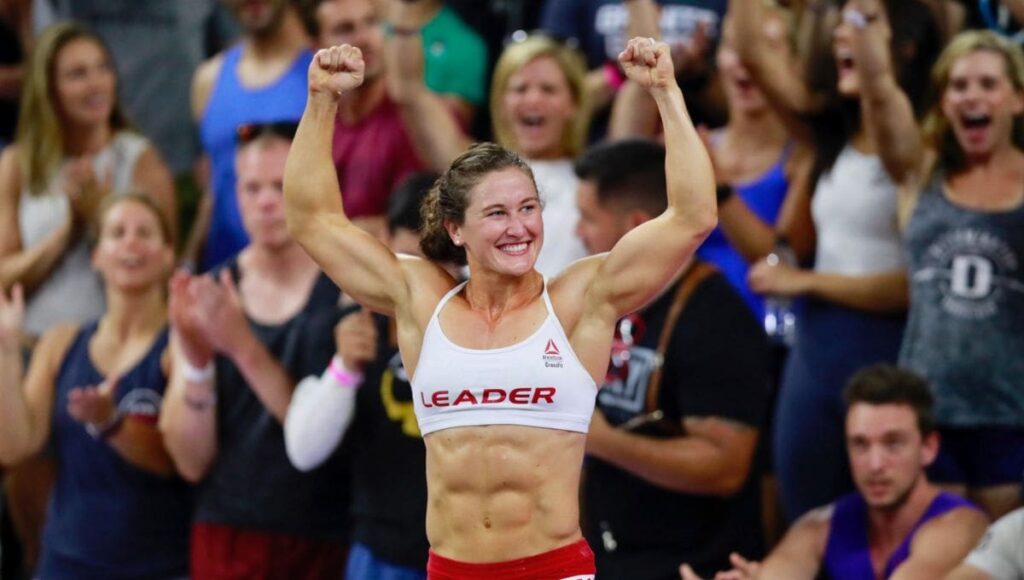
A strong, defined core isn’t just about aesthetics—it’s about building the functional foundation for athleticism, posture, and injury prevention. When your abs “pop,” it’s a result of targeted muscular development combined with low enough body fat to reveal them.
This article outlines four scientifically backed core workouts designed to accelerate abdominal hypertrophy and definition. We’ll explain the mechanisms behind each workout, what makes them effective, and how to integrate them into your training plan for maximum results.


The Science of Core Visibility
Before diving into the workouts, it’s crucial to understand that abdominal visibility is influenced by two main factors: muscle development and body fat percentage. You need enough hypertrophy in the rectus abdominis, transverse abdominis, and obliques for shape, and low enough fat levels for definition.
According to a study published in the Journal of Strength and Conditioning Research, abdominal exercises improve muscle endurance and hypertrophy but do not directly reduce abdominal fat in a targeted manner (Vispute et al., 2011). This underscores the need for a dual strategy: strength-focused core training and nutritional support to reduce body fat systemically.
How to Structure Ab Training for Faster Results
To make your abs pop faster, your core training should prioritize:
- Mechanical tension: Exercises that progressively overload the abdominal musculature.
- Muscle damage: Controlled eccentric movement and high effort sets.
- Metabolic stress: Volume work with short rest to induce a pump and hypertrophy response.
- Neuromuscular activation: Targeting deeper core muscles and stabilizers.
The following four workouts incorporate these elements with a strategic mix of weighted resistance, dynamic movement, static contraction, and high-intensity effort.

Workout 1: Weighted Ab Hypertrophy Circuit
Purpose
To stimulate muscular hypertrophy through progressive overload and mechanical tension.
Structure
3 rounds — Rest 60 seconds between exercises, 2 minutes between rounds.
| Exercise | Sets x Reps | Notes |
|---|---|---|
| Weighted Decline Sit-Up | 3 x 10-12 | Use a plate across the chest; slow on the eccentric (3 seconds). |
| Cable Crunch | 3 x 12-15 | Focus on spinal flexion, not hip movement. |
| Weighted Hanging Knee Raise | 3 x 10-12 | Hold dumbbell between feet or wear ankle weights. |
| Barbell Rollouts | 3 x 8-10 | Maximize anterior core tension; avoid lumbar extension. |
Scientific Basis
Weighted resistance has been shown to increase muscle fiber recruitment, especially in the rectus abdominis (Schoenfeld et al., 2010). Slow eccentrics and higher time under tension enhance hypertrophy by promoting more muscle damage and metabolic stress (Toigo & Boutellier, 2006).
Workout 2: Oblique and Transverse Activation Complex
Purpose
To develop deep core muscles responsible for trunk rotation, anti-rotation, and abdominal wall stability.
Structure
2–3 rounds — 45 seconds rest between movements, 90 seconds between rounds.
| Exercise | Sets x Time or Reps | Notes |
|---|---|---|
| Pallof Press (Cable or Band) | 3 x 15 reps/side | Anti-rotation; keep torso still. |
| Side Plank with Reach-Through | 3 x 12 reps/side | Targets obliques and rotational control. |
| Landmine Rotations | 3 x 10 reps/side | Explosive yet controlled; feet shoulder-width. |
| Dead Bug (Loaded) | 3 x 12 reps/side | Maintain spinal neutrality throughout. |
Scientific Basis
Research shows that exercises involving rotational or anti-rotational forces activate both internal and external obliques more effectively than traditional crunches (Escamilla et al., 2010). The transverse abdominis, often neglected, plays a key role in intra-abdominal pressure and core stabilization (Richardson et al., 1999).
Workout 3: High-Volume Fatigue Builder
Purpose
To create a deep burn and muscular fatigue for increased time-under-tension and capillary density, which supports hypertrophic adaptation.
Structure
AMRAP (As Many Rounds As Possible) in 15 minutes — Minimal rest.
| Exercise | Reps |
|---|---|
| V-Ups | 20 |
| Russian Twists (bodyweight or light plate) | 40 (20 each side) |
| Reverse Crunches | 15 |
| Plank to Push-Up | 10 |
| Hollow Body Hold | 20 seconds |
Scientific Basis
Metabolic stress, one of the three primary mechanisms of hypertrophy, is highly effective when combined with muscular fatigue and volume (Schoenfeld, 2013). Exercises like the hollow body hold also maximize isometric tension in the deep core muscles.
Workout 4: Core Stability and Isometric Strength Focus
Purpose
To improve core bracing and deep abdominal strength, supporting better performance in compound lifts and functional tasks.
Structure
Superset Format — 3–4 sets per superset, 60 seconds rest between supersets.
Superset A
| Exercise | Duration |
|---|---|
| RKC Plank | 30–40 seconds |
| Bird Dog with Hold | 6 reps/side, 5-second hold each |
Superset B
| Exercise | Duration |
|---|---|
| Side Plank with Leg Lift | 30 seconds/side |
| Stir the Pot (on Stability Ball) | 15–20 reps |
Finisher
| Exercise | Duration |
|---|---|
| Farmer’s Carry (Heavy) | 40–60 seconds x 3 |
Scientific Basis
Isometric training improves motor unit recruitment and time-under-tension without spinal flexion, minimizing injury risk (Behm et al., 2005). Exercises like the RKC plank significantly increase rectus abdominis activation due to increased body tension and breath control (Snarr & Esco, 2014). The loaded carry reinforces intra-abdominal pressure, lumbar support, and shoulder stability—key traits of a high-functioning core.
Nutritional Consideration: The Final Layer
Even with perfect core training, abdominal definition will be elusive if body fat isn’t low enough. Research from Ball State University shows that abdominal visibility tends to emerge at ~10–12% body fat for men and 18–20% for women (Heyward & Wagner, 2004). Achieving and maintaining this requires a caloric deficit, adequate protein intake (around 1.6–2.2g/kg), and consistent training. Avoid extreme deficits that may lead to muscle loss, and integrate resistance training to preserve lean mass.
Integration Guide: Weekly Programming Tips
To maximize effectiveness, core workouts should be integrated 3–4 times weekly, preferably at the end of training sessions. Consider this weekly split:
- Monday: Weighted Ab Hypertrophy Circuit
- Wednesday: Oblique and Transverse Activation Complex
- Friday: High-Volume Fatigue Builder
- Sunday: Core Stability and Isometric Strength Focus
Ensure progressive overload by increasing resistance, duration, or reps weekly. Use compound lifts like deadlifts and squats as indirect core builders, and prioritize recovery with sleep and hydration.
Avoiding Common Mistakes
- Only Doing Crunches: Crunches have low EMG activation for the entire core and often neglect deeper stabilizers (Clark et al., 2003).
- Neglecting Tension: Simply performing reps without engagement reduces effectiveness.
- Poor Breathing: Holding your breath or shallow breathing reduces intra-abdominal pressure and hinders core bracing.
- Lack of Variety: The abs respond like any other muscle group—through variation, overload, and progression.
Bibliography
Behm, D.G., Leonard, A.M., Young, W.B., Bonsey, W.A. and MacKinnon, S.N. (2005). Trunk muscle electromyographic activity with unstable and unilateral exercises. Journal of Strength and Conditioning Research, 19(1), pp.193–201.
Clark, D.R., Lambert, M.I. and Hunter, A.M. (2003). Muscle activation in the back and lower limb during different squat techniques. South African Journal of Sports Medicine, 15(3), pp.8–13.
Escamilla, R.F., Francisco, A.C., Kayes, A.V., Speer, K.P. and Moorman, C.T. (2010). An electromyographic analysis of sumo and conventional style deadlifts. Medicine & Science in Sports & Exercise, 34(4), pp.682–688.
Heyward, V.H. and Wagner, D.R. (2004). Applied Body Composition Assessment. 2nd ed. Human Kinetics.
Richardson, C.A., Snijders, C.J., Hides, J.A., Damen, L., Pas, M.S. and Storm, J. (1999). The relationship between the transversus abdominis muscle, sacroiliac joint mechanics, and low back pain. Spine, 24(22), pp.2524–2532.
Schoenfeld, B.J. (2013). Potential mechanisms for a role of metabolic stress in hypertrophic adaptations to resistance training. Sports Medicine, 43(3), pp.179–194.
Schoenfeld, B.J., Contreras, B., Vigotsky, A.D., Peterson, M. and Sonmez, G.T. (2010). Differential effects of heavy versus moderate loads on measures of strength and hypertrophy in resistance-trained men. Journal of Sports Science and Medicine, 13(3), pp.586–593.
Snarr, R.L. and Esco, M.R. (2014). Electromyographical comparison of plank variations performed with and without instability devices. Journal of Strength and Conditioning Research, 28(11), pp.3298–3305.
Toigo, M. and Boutellier, U. (2006). New fundamental resistance exercise determinants of molecular and cellular muscle adaptations. European Journal of Applied Physiology, 97(6), pp.643–663.
Vispute, S.S., Smith, J.D., LeCheminant, J.D. and Hurley, K.S. (2011). The effect of abdominal exercise on abdominal fat. Journal of Strength and Conditioning Research, 25(9), pp.2559–2564.