Getting enough protein on a vegetarian diet is not only possible—it can be done while optimizing for health, longevity, and athletic performance. While animal products are dense in protein, several plant-based foods offer excellent alternatives that also bring a host of other health benefits such as fiber, antioxidants, and phytonutrients. This article explores five of the most scientifically supported, nutrient-dense vegetarian protein sources.
Each section covers the macronutrient breakdown, health benefits supported by scientific evidence, and any relevant considerations such as bioavailability or antinutrients. At the end, you’ll find a key takeaway table and a full bibliography using the Harvard style.


1. Lentils
Protein Content and Nutritional Profile
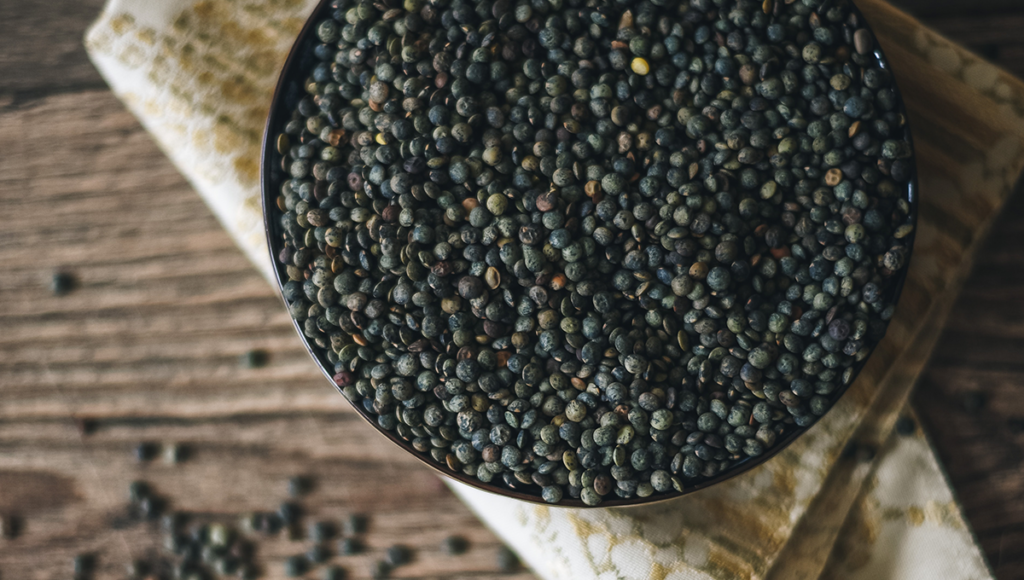
Lentils contain approximately 18 grams of protein per cooked cup (198 grams). They also provide 15.6 grams of fiber, 6.6 mg of iron (37% of the RDA for men), and are an excellent source of folate and potassium.
Lentils are composed of approximately 25% protein by dry weight, which is among the highest in legumes. They are also low in fat and contain complex carbohydrates, which aid in sustained energy release.
Scientific Benefits
Lentils are associated with numerous health benefits. A large meta-analysis published in the American Journal of Clinical Nutrition found that higher legume consumption, including lentils, was associated with lower risk of cardiovascular disease and reduced LDL cholesterol levels (Bazzano et al., 2009). Lentils are rich in polyphenols and have been shown to exhibit antioxidant, anti-inflammatory, and neuroprotective properties (Dueñas et al., 2006).
Regarding protein quality, lentils are limited in methionine but rich in lysine. Combining them with methionine-rich grains like rice can create a complete amino acid profile.
Considerations
Lentils, like other legumes, contain antinutrients such as phytates and lectins, which can reduce mineral absorption. However, soaking and cooking lentils significantly reduce these compounds (Khatoon & Prakash, 2004).
2. Quinoa
Protein Content and Nutritional Profile
Quinoa provides about 8 grams of protein per cooked cup (185 grams). It contains all nine essential amino acids, making it one of the few complete plant proteins. It’s also a good source of magnesium, manganese, phosphorus, and iron.
About 15% of quinoa’s dry weight is protein. It’s also rich in fiber, providing 5 grams per cooked cup, and contains several B vitamins.
Scientific Benefits
Quinoa has been studied for its high nutritional density and adaptability to different diets. A study in Food Chemistry showed that quinoa proteins are highly digestible and contain a favorable amino acid balance similar to casein (Abugoch James, 2009). A randomized control trial found that quinoa intake led to reductions in serum triglycerides and overall metabolic health improvements in overweight individuals (Farhangi et al., 2017).
Additionally, the saponins in quinoa—while bitter—possess antioxidant and anti-inflammatory properties, though they are typically removed in processing or by rinsing.
Considerations
Although quinoa is naturally gluten-free and nutrient-dense, it can be expensive relative to other grains. Pre-washing or buying pre-rinsed quinoa is essential to remove saponins that can cause gastrointestinal irritation.
3. Tofu and Other Soy Products
Protein Content and Nutritional Profile
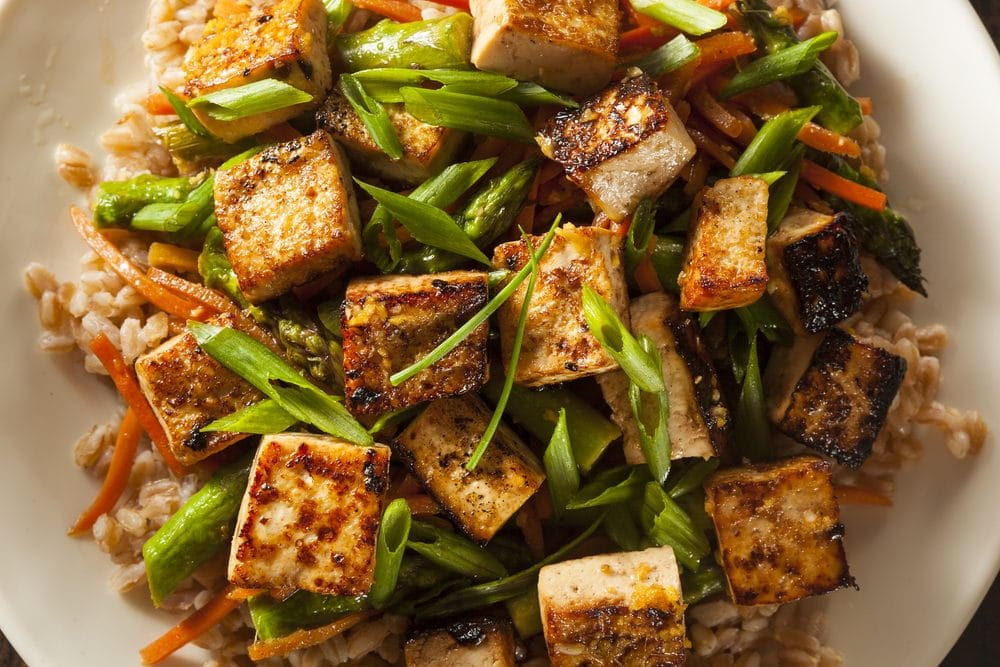
Firm tofu contains approximately 20 grams of protein per 1-cup serving (248 grams). Tempeh, a fermented soy product, delivers even more—up to 30 grams per cup. Soybeans are complete proteins and contain all essential amino acids.
Soy is rich in isoflavones (plant-based phytoestrogens), calcium (especially in calcium-set tofu), iron, and omega-3 fatty acids in the form of ALA.
Scientific Benefits
Soy protein is one of the most studied plant proteins. A meta-analysis in the Journal of the American Heart Association found that soy consumption significantly lowers LDL cholesterol and improves heart health (Zhan & Ho, 2005). Soy isoflavones have also been shown to reduce menopausal symptoms and support bone density (Messina, 2016).
There has been controversy over soy’s effects on hormones due to isoflavones, but a systematic review concluded that moderate soy intake is safe and may offer protective effects against breast and prostate cancer (Messina & Rogero, 2022).
Tempeh’s fermentation process enhances bioavailability and supports gut health through probiotics. Moreover, the digestibility-corrected amino acid score (PDCAAS) for soy protein is nearly 1.0—equivalent to animal proteins like eggs or milk.
Considerations
Some individuals with thyroid conditions may need to moderate soy intake, especially if iodine intake is low. Cooking soy and ensuring sufficient iodine in the diet mitigates this concern. Also, always choose organic or non-GMO soy if possible, due to heavy pesticide use in conventional crops.
4. Chickpeas
Protein Content and Nutritional Profile
Chickpeas (garbanzo beans) provide around 15 grams of protein per cooked cup (164 grams). They also offer 13 grams of dietary fiber and substantial quantities of folate, manganese, and iron.
Like lentils, chickpeas are lysine-rich but low in methionine, making them ideal to pair with whole grains for complete protein intake.
Scientific Benefits
A systematic review in Nutrients reported that pulse consumption, including chickpeas, significantly improved satiety, reduced body weight, and lowered markers of metabolic syndrome (Jayalath et al., 2014). Chickpeas have also been shown to improve blood glucose control due to their low glycemic index and high fiber content (Murphy et al., 2010).
Beyond macronutrient value, chickpeas contain polyphenols with antioxidant and antimicrobial activity. They also have a positive impact on gut microbiota diversity, according to in vitro studies (Rossi et al., 2017).
Considerations
Canned chickpeas are convenient but may contain high sodium levels. Rinsing canned chickpeas reduces sodium by up to 40%. Cooking dried chickpeas from scratch is more cost-effective and nutrient-preserving.
5. Hemp Seeds
Protein Content and Nutritional Profile
Hemp seeds provide an impressive 10 grams of protein per 3-tablespoon serving (30 grams). They are a complete protein source and contain all essential amino acids in adequate ratios.
In addition to protein, they are rich in omega-3 and omega-6 fatty acids, magnesium, and zinc. Unlike flax or chia seeds, they don’t require soaking or grinding for nutrient bioavailability.
Scientific Benefits
A study in the Journal of Agricultural and Food Chemistry showed that hemp seed proteins have high digestibility and functional properties, including albumin and edestin, which are easily broken down by the human body (House et al., 2010). Hemp also supports cardiovascular health thanks to its favorable omega-6 to omega-3 ratio (approximately 3:1), which is ideal for reducing inflammation (Simopoulos, 2002).
Hemp protein powders are commonly used by athletes and have shown comparable muscle protein synthesis outcomes to whey protein in preliminary trials, though more data is needed.
Considerations
While hemp contains negligible amounts of THC, it’s still important to source from reputable brands. Some protein powders may be processed with additives, so choosing cold-pressed, unflavored varieties ensures nutritional purity.
Conclusion
Vegetarians can meet—and often exceed—their protein needs by strategically incorporating diverse plant-based sources. Lentils, quinoa, soy products, chickpeas, and hemp seeds not only offer high-quality protein but are also packed with micronutrients, fiber, and phytochemicals with established health benefits.
Balancing these foods throughout the day ensures a complete amino acid profile without the need for animal products. More importantly, each source supports long-term health outcomes based on rigorous scientific evidence.