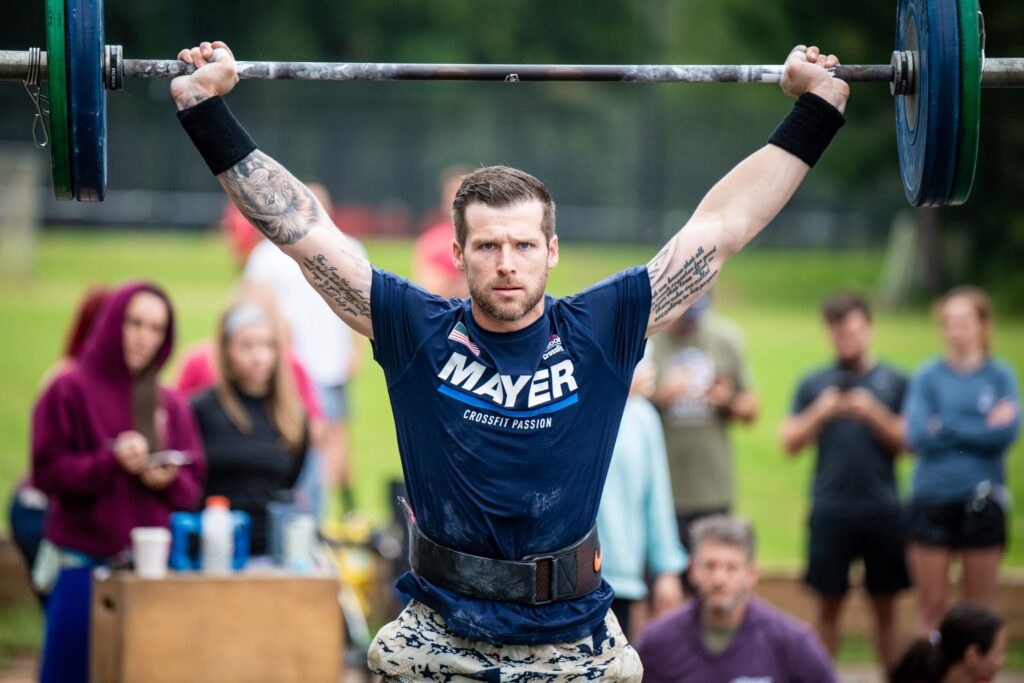
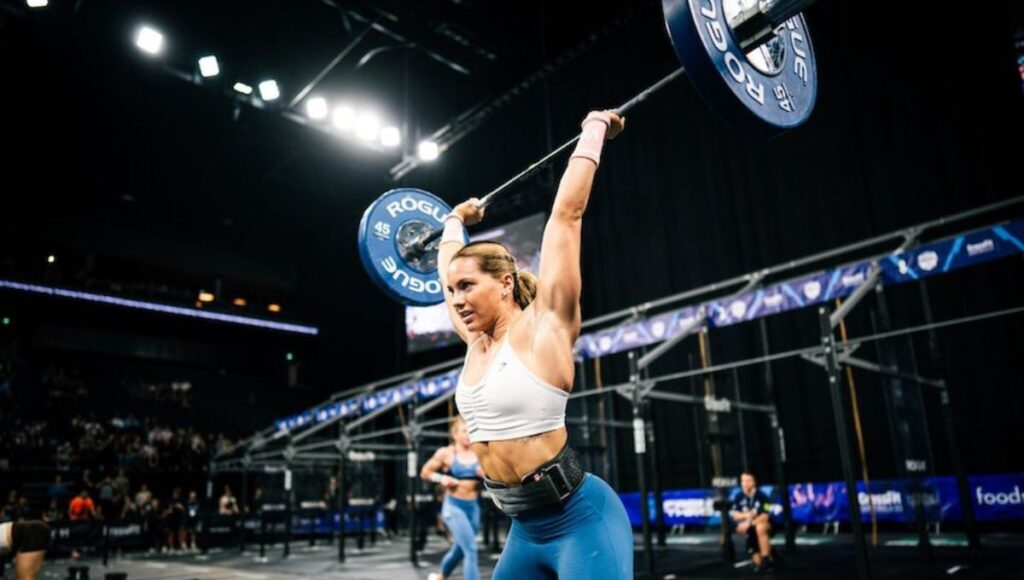
Concentric lifting—the phase during which muscles shorten while producing force—is often overshadowed by the eccentric phase in discussions of muscle growth. However, when properly programmed, concentric-focused training can be highly effective for hypertrophy.
This article outlines five science-based methods to maximize your muscle gains during concentric lifting, grounded in peer-reviewed research and practical application.


1. Apply Maximal Intent During the Concentric Phase
Maximal intent involves attempting to lift a load as explosively as possible, regardless of the actual speed of movement. This principle is crucial during concentric-focused training, as it maximizes motor unit recruitment—particularly of the high-threshold type II fibers responsible for hypertrophy and strength.
Scientific Basis
Research by Behm and Sale (1993) found that the intent to move quickly increased motor unit synchronization and neural drive. Suchomel et al. (2016) also showed that training with maximal concentric intent, even at submaximal loads, enhances strength development by increasing motor unit activation and rate coding.

Implementation
During exercises like squats, bench presses, and rows, lift the weight with maximum speed and effort on every rep. Even when lifting heavy, try to move the load as fast as possible while maintaining control and technique.
2. Prioritize Mechanical Tension with Sufficient Load
Mechanical tension is the most critical factor for initiating muscle hypertrophy. In concentric training, this means lifting loads heavy enough to place substantial tension on the working muscle fibers.
Scientific Basis
Schoenfeld (2010) identified mechanical tension as one of the three primary mechanisms for muscle growth, along with metabolic stress and muscle damage. Wernbom et al. (2007) found that training within 65–85% of one-repetition maximum (1RM) is optimal for hypertrophy. Lower loads may not provide enough mechanical stress to stimulate muscle growth effectively during concentric-only training.
Implementation
Aim to use weights in the 65–85% 1RM range for multi-joint movements and slightly lighter for isolation work. Focus on maintaining form and generating high force during the lifting phase.
3. Incorporate Progressive Overload Centered on Concentric Output
Progressive overload is fundamental to building muscle. For concentric training, this means specifically overloading the lifting phase—either by increasing load, volume, or lifting speed over time.
Scientific Basis
Krieger (2010) found that performing multiple sets with progressive overload leads to greater hypertrophy than single sets. Ratamess et al. (2009) confirmed that increasing load or volume over time enhances adaptations. Furthermore, González-Badillo et al. (2014) showed that velocity loss in the concentric phase is closely tied to fatigue, making it an important factor to monitor for ongoing progress.
Implementation
Track bar speed or perceived velocity. Increase the load or number of reps once concentric speed or effort stagnates. Avoid letting concentric speed drop excessively during sets.
4. Use Full Range of Motion with Concentric Emphasis
Full range of motion (ROM) maximizes muscle fiber recruitment and mechanical tension. Limiting the ROM—especially during the concentric phase—reduces the stimulus placed on the muscle.
Scientific Basis
Bloomquist et al. (2013) showed that squatting through full ROM led to greater increases in muscle size than partial ROM. McMahon et al. (2014) also found that training at longer muscle lengths led to more hypertrophy than shorter ranges. In concentric lifting, reaching full contraction at the end of each rep ensures optimal fiber recruitment.
Implementation
Use complete ROM on every rep—lower the weight fully, then lift with full contraction. Don’t cut the lift short, as doing so reduces the mechanical stimulus.
5. Optimize Set Structure, Frequency, and Recovery for Concentric Emphasis
Training structure has a major impact on results. To maximize concentric performance, training frequency, set volume, rest intervals, and fatigue management must be carefully managed.
Training Frequency
Schoenfeld et al. (2016) found that training each muscle group two or more times per week leads to superior hypertrophy than once per week. More frequent training allows for better recovery between sessions and more high-quality concentric reps.
Rest Intervals
Henselmans and Schoenfeld (2014) reported that rest intervals of 2–3 minutes between sets are ideal for hypertrophy and strength when using compound lifts. Shorter rest periods lead to reduced concentric performance due to incomplete recovery.
Avoiding Concentric Fatigue
Training to failure may compromise concentric quality. Pareja-Blanco et al. (2017) discovered that training with less velocity loss (i.e., avoiding fatigue) led to better strength and hypertrophy outcomes than high-velocity loss training.
Implementation
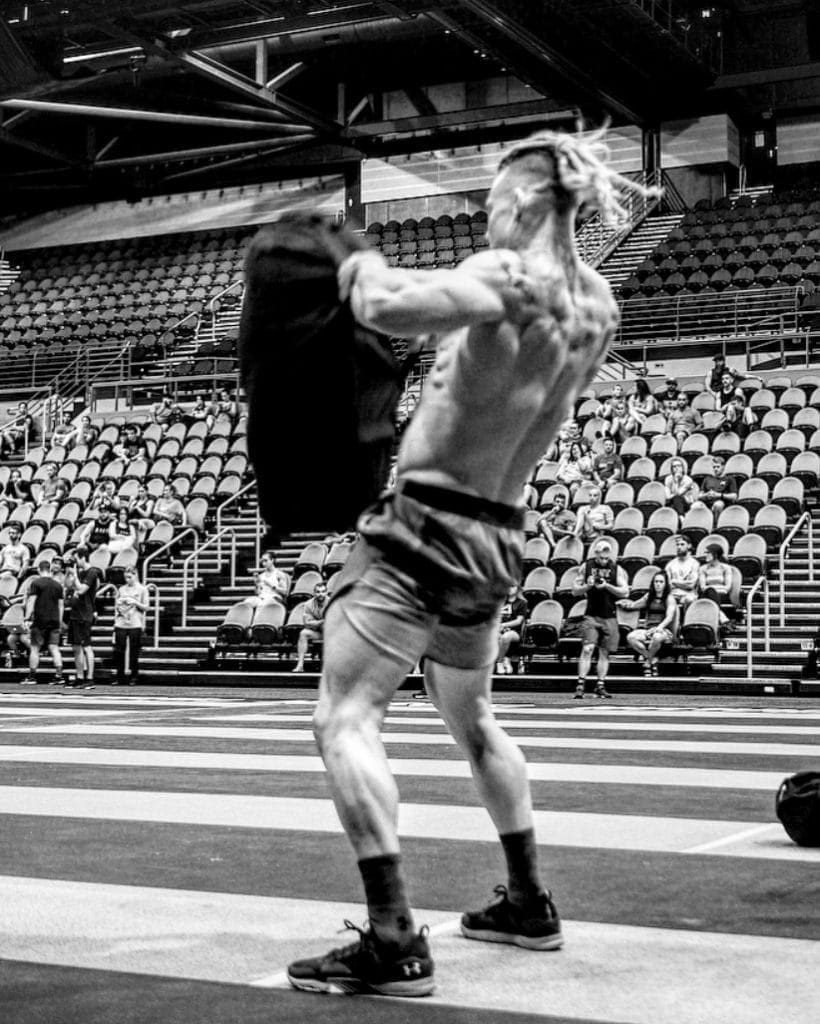
Train each muscle group at least twice weekly. Use 2–3 minutes of rest between compound sets. Avoid training to failure—leave 1–2 reps in reserve to maintain rep quality and concentric intent.
Conclusion
Concentric-focused lifting is a powerful and underutilized method for building muscle. By maximizing intent, ensuring sufficient mechanical tension, applying progressive overload, using full range of motion, and optimizing training structure, lifters can generate impressive hypertrophy outcomes—even without emphasizing eccentric loading. These five principles provide a science-backed foundation for any athlete or recreational lifter looking to get the most out of concentric training.
Bibliography
- Behm, D.G. and Sale, D.G., 1993. Intended rather than actual movement velocity determines velocity-specific training response. Journal of Applied Physiology, 74(1), pp.359–368.
- Bloomquist, K., Langberg, H., Karlsen, S., Madsgaard, S., Boesen, M. and Raastad, T., 2013. Effect of range of motion in heavy load squatting on muscle and tendon adaptations. European Journal of Applied Physiology, 113(8), pp.2133–2142.
- González-Badillo, J.J., Yañez-García, J.M., Mora-Custodio, R. and Rodríguez-Rosell, D., 2014. Velocity loss as an indicator of neuromuscular fatigue during resistance training. Medicine & Science in Sports & Exercise, 46(8), pp.1735–1742.
- Henselmans, M. and Schoenfeld, B.J., 2014. The effect of inter-set rest intervals on resistance exercise-induced muscle hypertrophy. Sports Medicine, 44(12), pp.1635–1643.
- Krieger, J.W., 2010. Single vs. multiple sets of resistance exercise for muscle hypertrophy: a meta-analysis. Journal of Strength and Conditioning Research, 24(4), pp.1150–1159.
- McMahon, G.E., Morse, C.I., Burden, A., Winwood, K. and Onambélé, G.L., 2014. Impact of range of motion during ecologically valid resistance training protocols on muscle size and strength. Journal of Strength and Conditioning Research, 28(1), pp.245–255.
- Pareja-Blanco, F., Rodríguez-Rosell, D., Aagaard, P., Sánchez-Medina, L., Sanchis-Moysi, J., Mora-Custodio, R. and González-Badillo, J.J., 2017. Time course of recovery following resistance training leading or not to failure. European Journal of Applied Physiology, 117(12), pp.2387–2399.
- Ratamess, N.A., Alvar, B.A., Evetoch, T.K., Housh, T.J., Kibler, W.B., Kraemer, W.J. and Triplett, N.T., 2009. Progression models in resistance training for healthy adults. Medicine & Science in Sports & Exercise, 41(3), pp.687–708.
- Schoenfeld, B.J., 2010. The mechanisms of muscle hypertrophy and their application to resistance training. Journal of Strength and Conditioning Research, 24(10), pp.2857–2872.
- Schoenfeld, B.J., Ogborn, D. and Krieger, J.W., 2016. Effects of resistance training frequency on measures of muscle hypertrophy: a systematic review and meta-analysis. Sports Medicine, 46(11), pp.1689–1697.
- Suchomel, T.J., Nimphius, S. and Stone, M.H., 2016. The importance of muscular strength in athletic performance. Sports Medicine, 46(10), pp.1419–1449.
- Wernbom, M., Augustsson, J. and Thomeé, R., 2007. The influence of frequency, intensity, volume and mode of strength training on whole muscle cross-sectional area in humans. Sports Medicine, 37(3), pp.225–264.
Key Takeaways
| Strategy | Application |
|---|---|
| Maximal Concentric Intent | Lift explosively on every rep to recruit more muscle fibers. |
| High Mechanical Tension | Use loads of 65–85% 1RM to maximize stimulus. |
| Progressive Overload | Increase weight, reps, or bar speed consistently. |
| Full Range of Motion | Execute every rep from full stretch to full contraction. |
| Optimized Set Structure | Train 2–3× per week, rest 2–3 minutes, avoid failure. |