The deadlift is often thought of as the king of posterior muscles. While it is a highly efficient compound exercise, sometimes the deadlift isn’t needed to build a big back.
The content ahead describes how to develop a thick back without deadlifts and how to incorporate specific exercises into a seamless program.


The Importance of Back Training
The posterior muscles, which are known as the back, are responsible for various functional aspects in life. In the gym, the back muscles level out the body to offset growth of the anterior muscles.
Perhaps the most important function of the back muscles is how they help to pull objects to the body. Functionally, this is crucial for lifting the body upwards and pulling heavy objects, which is crucial in any survival-based setting. For competitions, the back serves as a huge area that offsets some of the anterior muscles and helps to bring balance to posture, especially in the shoulders. 
The Primary Back Muscles and Their Function
If you are going to target the back, it is important to know the muscles in this area and how they work. Here are the major back muscles and their actions, so you can adjust and tailor your workout accordingly.
- Latissimus Dorsi. The latissimus dorsi, or Lats for short, is the major back muscle and it covers the middle to lower back areas. This large muscle has many actions including arm adduction, medial rotation, and extension. It supports spinal extension and has a role in respiration as well.
- Trapezius. Another large back muscle, the trapezius occupies the upper back, specifically the scapulae. The traps also have many functions for the upper back including supporting scapular elevation, extension, retraction, and rotation.
- Rhomboids. Resting just below the traps, the rhomboids are critical for shoulder posture. The rhomboids support scapular retraction and rotation, both of which involve the squeeze of the shoulder blades.
- Erector Spinae. This crucial back muscle is one of the smaller ones and isn’t necessarily important for a thick back. However, this muscle helps to maintain an upright posture, extend the entire back, and create stability of the pelvis, all of which can play a role in hypertrophy training in other larger muscles. The erector spinae is especially resistant to fatigue, so even though it is smaller, it is vital in many ways.
The Posterior Leg Muscles and Their Function
While the topic here are the back muscles, the posterior leg muscles are vital for the process. Here are a couple crucial posterior leg muscles to help complete posterior balance.
- Gluteus Maximus. Known as the large butt muscle, the glutes are targeted with deadlifts. The glutes work the posterior legs at the hips and support hip extension, abduction, and rotation.
- Hamstrings. Another posterior muscle group that is targeted with deadlifts, the hamstrings support hip extension and knee flexion.

Are Deadlifts Vital for A Thick Back?
Training the back by incorporating deadlifts is efficient as they work many posterior chain muscles. But there are other options that work well that can target the major back muscles. Let’s look at some of the exercises that target the back muscles without using deadlifts.
How to Develop a Thick Back Without Deadlifts
- Lat Pulldowns. This exercise is ideal for targeting the back, especially the latissimus dorsi. Avoiding body momentum during the concentric phase is critical for any gains you establish. Consider a hypertrophy program for best results.
- Seated Cable Rows. The seated cable rows target the traps, rhomboids, and partially the Lats for a complete back workout. Similar to above, avoid rocking the body during the concentric phase and focus on squeezing the shoulder blades with every rep.
- Dumbbell Shoulder Shrugs. Perhaps the best exercise that targets the traps, shoulder shrugs focus on scapular elevation. When combined with a hypertrophy-based program, shoulder shrugs can help contribute to a thick back.
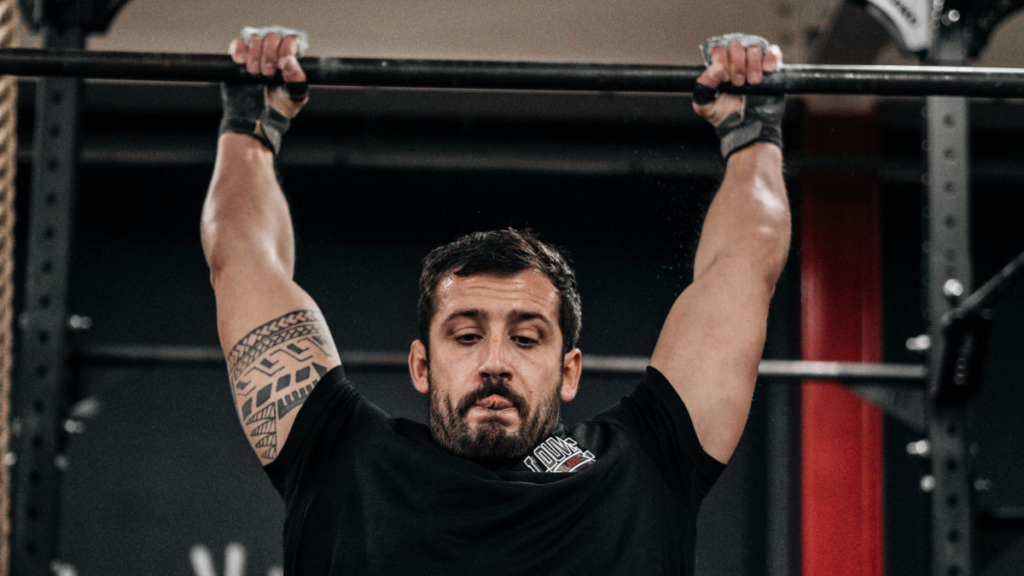
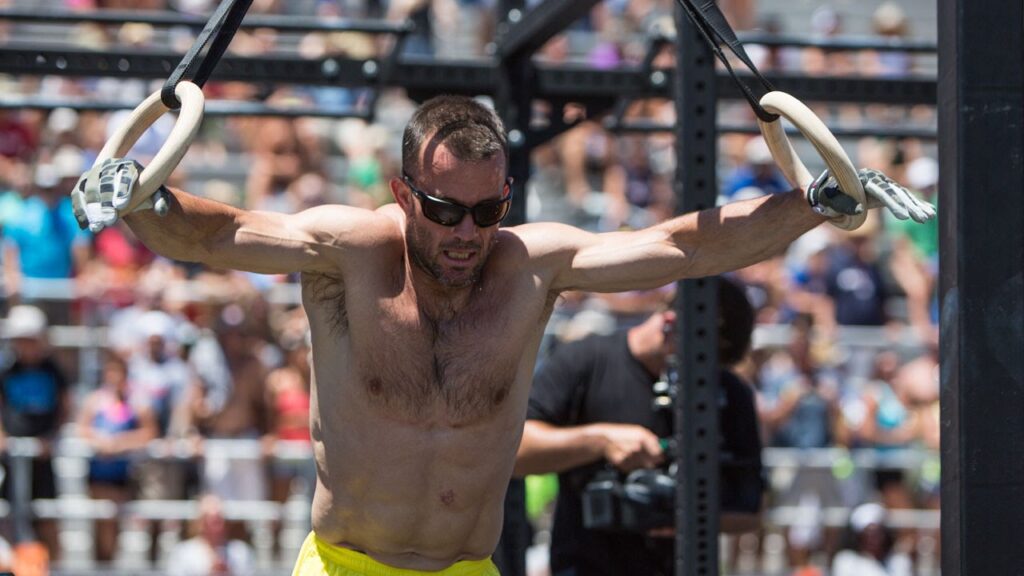
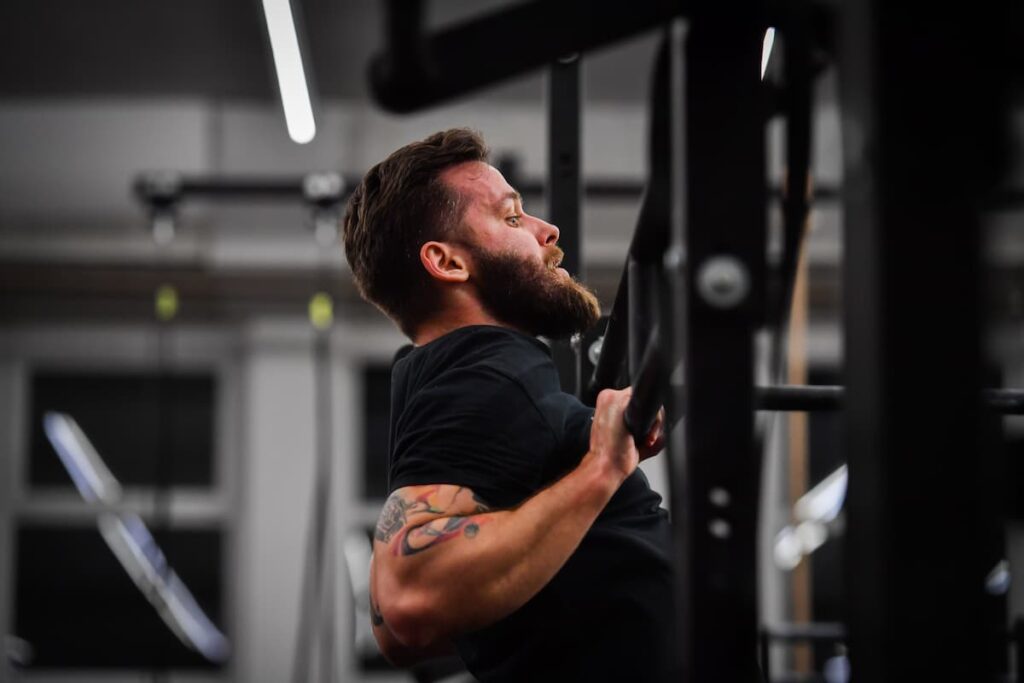
- Pull-ups. Using a pull-up bar and bodyweight, the pull-up is one of the most functional exercises around. Standard pull-ups generate fast results whereas kipping or guided versions are helpful for beginners with slow progressions.
- Single Arm Dumbbell Rows. This is an oldie, but a goodie. The single arm dumbbell row involves leaning on a bench or flat surface and rowing a dumbbell towards the shoulder. It targets one area at a time and hits the upper and lower back.
- Reverse Fly. The reverse fly performed on the pec deck targets the rhomboids and traps, and can help to build a big back. The reverse fly hones in on squeezing of the scapulae, and can have a great effect on shoulder posture.
- Weighted Back Extensions. The weighted back extension can help to develop a thick back quickly. While the spinal muscles are smaller, they do contribute to aesthetics. Adding a weight plate during each set can help to increase the intensity of the exercise and lead to muscular hypertrophy.
Programming for a Thick Back
The programming for how to develop a thick back without deadlifts is very similar to a regular hypertrophy workout. While the back has large and small muscles, they can all be worked to create thicker and stronger muscular fibers.
Building a proper hypertrophy-based program to develop back muscles should look something like this:
- Frequency: Mondays and Thursdays.
- Intensity: Higher resistance, lower reps for hypertrophy training.
- Sets and Reps: Aim for 3-4 sets of decreasing reps of 10, 8, 6, and 4.
- Rest between sets: Hypertrophy training is best when roughly 30-60 seconds of rest occurs between each set. This amount of time to rest the muscles allows for hormones to circulate between sets and regenerates energy for the next round.
Conclusion
When it comes to how to develop a thick back without deadlifts, there are isolating exercises that can get the job done. While deadlifts offer versatility with every set, they may not always be feasible. If you don’t plan on adding deadlifts to your program, consider any of the options that are listed above to help develop and grow thick back muscles.
In addition to hitting the weights and staying on a hypertrophy-based program, timely protein and adequate nutrition can help to ensure you have the nutrients needed to grow thick muscles. A split routine can help to program your back exercises appropriately and aiming for a Monday and Thursday option can allow for optimal time for the muscles to rest and repair.