Excess abdominal fat, particularly visceral fat, is linked to a higher risk of metabolic syndrome, type 2 diabetes, cardiovascular disease, and certain cancers.
While spot reduction is not possible, targeted lifestyle and dietary changes can accelerate fat loss, particularly in the belly region. Below are ten evidence-based strategies to help you lose belly fat more effectively.


1. Prioritize Protein Intake
Protein increases satiety, preserves lean muscle mass during weight loss, and elevates the thermic effect of food — meaning your body burns more calories digesting protein compared to fats and carbohydrates.

A higher protein diet has been shown to reduce cravings and overall caloric intake, while preserving resting metabolic rate during calorie restriction. Research indicates that consuming at least 1.2–1.6 g of protein per kilogram of body weight per day supports fat loss while maintaining muscle mass.
2. Reduce Added Sugar and Refined Carbohydrates
Fructose-rich sugars and refined carbohydrates can promote fat storage, particularly in the abdominal area, due to rapid spikes in blood glucose and insulin. Excess sugar intake is strongly associated with increased visceral fat.
Cutting back on sugary drinks, sweets, and processed grains helps reduce calorie intake and improve insulin sensitivity, both of which facilitate belly fat reduction.
3. Incorporate High-Intensity Interval Training (HIIT)
HIIT involves alternating short bursts of intense activity with low-intensity recovery periods. Multiple studies have demonstrated HIIT’s efficiency in reducing abdominal fat more effectively than steady-state cardio. HIIT boosts post-exercise oxygen consumption (EPOC), leading to prolonged calorie burn after the workout, and improves both aerobic and anaerobic fitness.
4. Manage Stress to Control Cortisol
Chronic stress elevates cortisol, a hormone linked to increased visceral fat deposition. Elevated cortisol not only promotes central fat storage but also stimulates appetite and cravings for high-calorie foods. Incorporating stress-reduction practices such as mindfulness meditation, deep breathing, or yoga can lower cortisol levels and aid in fat loss.
5. Increase Soluble Fiber Intake
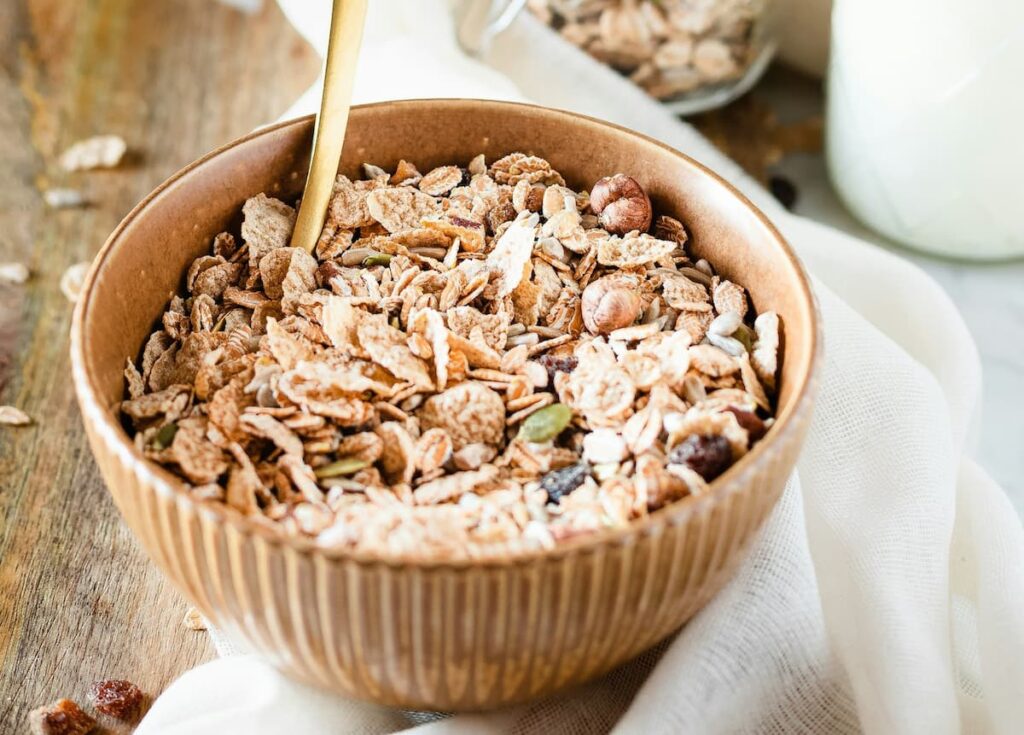
Soluble fiber slows digestion, stabilizes blood sugar, and promotes satiety. It also feeds beneficial gut bacteria, which may influence fat storage and appetite regulation. Observational studies have found that higher soluble fiber intake is inversely associated with visceral fat accumulation. Good sources include oats, flaxseeds, legumes, and certain fruits such as apples and citrus.
6. Optimize Sleep Quality and Duration
Inadequate sleep alters appetite-regulating hormones, increasing ghrelin (hunger hormone) and decreasing leptin (satiety hormone). Poor sleep also impairs insulin sensitivity and raises cortisol. Adults who sleep less than 6 hours per night have a significantly higher likelihood of excess abdominal fat. Aim for 7–9 hours of high-quality sleep per night, with consistent sleep-wake schedules.
7. Limit Alcohol Consumption
Alcohol provides “empty” calories and impairs fat oxidation, meaning your body prioritizes metabolizing alcohol over burning fat. Heavy drinking, particularly of beer and sugary cocktails, is strongly linked to increased abdominal fat. Reducing alcohol intake — or switching to lower-calorie, low-sugar options in moderation — can accelerate fat loss.
8. Strength Train Regularly
Resistance training not only builds lean muscle mass, which increases resting metabolic rate, but also improves insulin sensitivity and reduces visceral fat. Studies have shown that combining strength training with calorie restriction produces superior fat loss results compared to cardio alone, particularly in maintaining metabolic rate and preventing weight regain.
9. Increase Non-Exercise Activity Thermogenesis (NEAT)
NEAT refers to the calories burned through everyday activities outside of formal exercise, such as walking, standing, or doing household chores. Higher NEAT levels can significantly contribute to daily calorie expenditure and help create a sustainable calorie deficit. Even small increases, such as taking the stairs or standing more, can add up over time
10. Monitor and Adjust Caloric Intake Strategically
While quality of food matters, a caloric deficit remains the primary driver of fat loss. Tracking food intake for short periods can help identify hidden sources of calories and ensure you are in an appropriate deficit. Gradual, sustainable deficits (e.g., 500 kcal/day) help preserve muscle mass and metabolic rate while promoting consistent fat loss.
Bibliography
- Leidy, H.J., Clifton, P.M., Astrup, A., Wycherley, T.P., Westerterp-Plantenga, M.S., Luscombe-Marsh, N.D., Woods, S.C. and Mattes, R.D., 2015. The role of protein in weight loss and maintenance. American Journal of Clinical Nutrition, 101(6), pp.1320S–1329S.
- Tappy, L. and Lê, K.A., 2010. Metabolic effects of fructose and the worldwide increase in obesity. Physiological Reviews, 90(1), pp.23–46.
- Keating, S.E., Johnson, N.A., Mielke, G.I. and Coombes, J.S., 2017. A systematic review and meta-analysis of interval training versus moderate-intensity continuous training on body adiposity. Obesity Reviews, 18(8), pp.943–964.
- Epel, E.S., McEwen, B., Seeman, T., Matthews, K., Castellazzo, G., Brownell, K.D., Bell, J. and Ickovics, J.R., 2000. Stress and body shape: Stress-induced cortisol secretion is consistently greater among women with central fat. Psychosomatic Medicine, 62(5), pp.623–632.
- Hairston, K.G., Bryer-Ash, M., Norris, J.M., Haffner, S., Bowden, D.W., Wagenknecht, L.E. and Rotter, J.I., 2012. Dietary soluble fiber and insulin resistance in the Insulin Resistance Atherosclerosis Study. Diabetes Care, 35(2), pp. 240–246.
- Taheri, S., Lin, L., Austin, D., Young, T. and Mignot, E., 2004. Short sleep duration is associated with reduced leptin, elevated ghrelin, and increased body mass index. PLoS Medicine, 1(3), p.e62.
- Shelton, N.J. and Knott, C.S., 2014. Association between alcohol calorie intake and overweight and obesity in English adults. American Journal of Public Health, 104(4), pp.629–631.
- Strasser, B., Siebert, U. and Schobersberger, W., 2010. Resistance training in the treatment of the metabolic syndrome: a systematic review and meta-analysis of the effect of resistance training on metabolic clustering in patients with abnormal glucose metabolism. Sports Medicine, 40(5), pp.397–415.
- Levine, J.A., 2004. Nonexercise activity thermogenesis (NEAT): environment and biology. American Journal of Physiology-Endocrinology and Metabolism, 286(5), pp.E675–E685.
- Hall, K.D., Heymsfield, S.B., Kemnitz, J.W., Klein, S., Schoeller, D.A. and Speakman, J.R., 2012. Energy balance and its components: implications for body weight regulation. American Journal of Clinical Nutrition, 95(4), pp.989–994.
Key Takeaways
| Tip | Summary | Evidence Strength |
|---|---|---|
| Prioritize Protein Intake | Boosts satiety, preserves muscle, increases calorie burn | Strong |
| Reduce Added Sugar and Refined Carbs | Lowers insulin spikes, reduces visceral fat | Strong |
| Incorporate HIIT | Burns more fat in less time, boosts metabolism | Strong |
| Manage Stress | Lowers cortisol, reduces fat storage | Moderate-Strong |
| Increase Soluble Fiber | Improves satiety, supports gut health | Moderate-Strong |
| Optimize Sleep | Regulates hunger hormones, improves insulin sensitivity | Strong |
| Limit Alcohol | Reduces calorie intake, supports fat oxidation | Moderate-Strong |
| Strength Train | Preserves muscle, improves metabolism | Strong |
| Increase NEAT | Raises daily calorie expenditure | Moderate-Strong |
| Monitor Caloric Intake | Ensures sustainable fat loss | Strong |