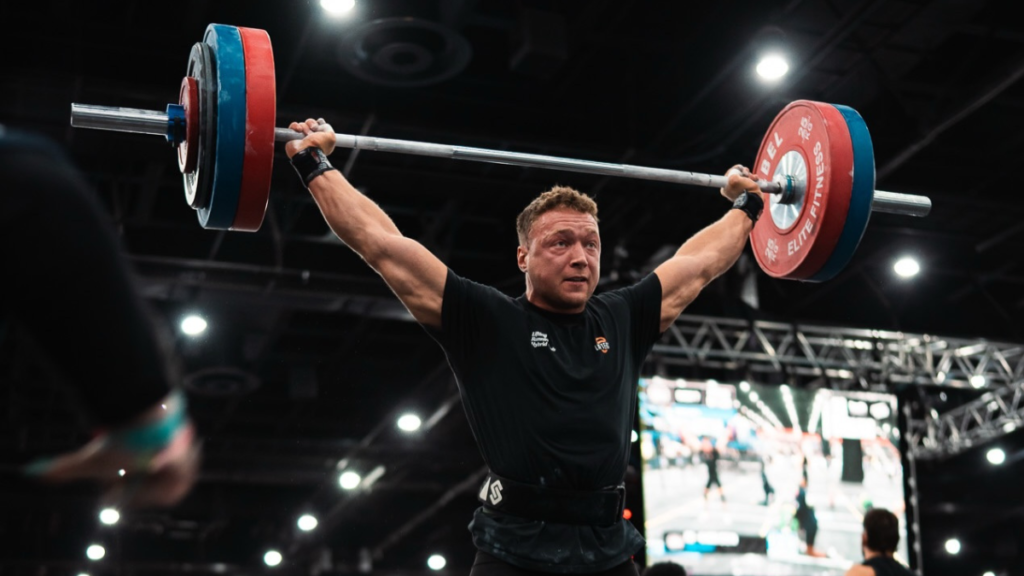
For decades, creatine has been the go-to supplement for gym enthusiasts seeking bigger lifts and stronger muscles. Long dismissed by some as a “gym bro” staple, it’s now attracting the attention of scientists and health experts for a completely different reason: its potential to boost brain performance.
From Muscle Fuel to Mental Edge
On a recent episode of the Diary of a CEO with Steven Bartlett, Dr. Rhonda Patrick, a biochemist known for her work on nutrition and aging, admits she once saw creatine purely as a muscle-building aid. That changed when research began revealing its neurological benefits. While our bodies naturally produce 1–3 grams daily—mainly in the liver and brain—most of it is quickly consumed by energy-hungry muscles.


In resistance training, creatine helps regenerate energy faster, allowing for extra reps, reduced recovery time, and improved overall training volume.

Patrick began supplementing with 5 grams a day—a dose widely recognized for enhancing muscle performance—after seeing studies showing greater strength gains and lean mass in people combining creatine with weight training. “It’s like supercharging your workouts,” she explains. But she soon became more intrigued by what it could do for the mind.
Creatine and Cognitive Stress
The brain is an energy-intensive organ, and under stress—whether from sleep deprivation, emotional strain, high mental workload, or even neurodegenerative disease—it may benefit from extra creatine. Research, including studies from Germany, has found that while 5 grams saturates muscle stores, higher intakes (around 10 grams) can elevate creatine levels in the brain itself.
Patrick now takes 10 grams daily for mental performance, increasing to 20 grams in situations of extreme cognitive demand, such as travel, jet lag, or long recording sessions. She points to research from Dr. Darren Candow at the University of Regina showing that large doses (25–30 grams) can completely negate the cognitive deficits caused by 21 hours of sleep deprivation—and even make subjects perform better than when well-rested.
Personal Benefits and Observations
For Patrick, the difference is tangible. She notices fewer afternoon energy crashes, improved focus, and sustained mental clarity, even without being on a ketogenic diet. While she acknowledges the possibility of placebo effects, the consistency of her experiences—and those reported by others—keeps her convinced.

Creatine’s potential brain benefits are attracting growing research interest. What was once a supplement almost exclusively studied in the context of muscle performance is now being explored for its role in neurological health and resilience.
Who Might Benefit Most
Creatine is found in animal products such as meat, poultry, fish, and dairy—meaning vegetarians and vegans often consume little to none. Patrick has introduced many vegan friends to creatine supplementation, and they’ve reported dramatic increases in energy, mental clarity, and even reduced sleep needs.
A Simple, Science-Backed Boost
Creatine’s safety profile is well-established, and while it won’t build muscle without exercise, it can support both physical and mental performance when paired with the right lifestyle. Patrick’s advice is straightforward: if you’re under any form of regular stress—and who isn’t?—creatine could be a low-cost, high-impact addition to your routine.