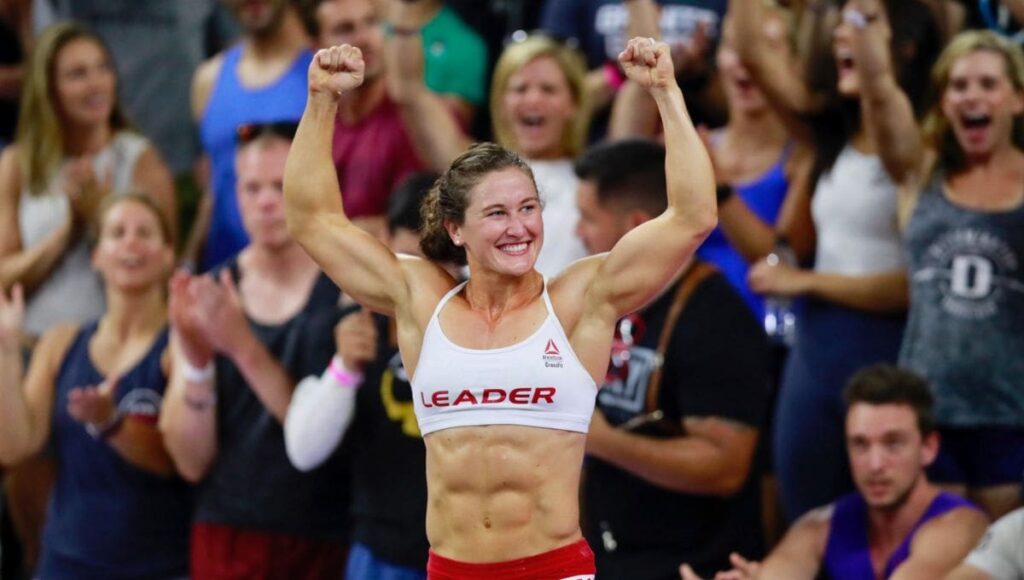
A defined midsection is one of the most sought-after fitness goals, but achieving it is less about “magic” exercises and more about applying science-backed strategies consistently. The abdominal muscles are a group of interconnected muscles — including the rectus abdominis, transverse abdominis, internal and external obliques — that serve critical functions for posture, stability, and movement.
This article reveals seven evidence-based secrets for developing stronger, more visible abs, grounded in research and physiology.


1. Train All Sections of the Core, Not Just the “Six-Pack”
The rectus abdominis (the muscle that forms the visual “six-pack”) is only one part of the abdominal region. Research shows that targeting deep core stabilizers and obliques not only improves aesthetics but also prevents injury and enhances performance.
Why Target Multiple Muscle Groups
A study in the Journal of Strength and Conditioning Research found that traditional crunches activate the rectus abdominis effectively but engage the obliques and transverse abdominis less. In contrast, exercises like planks, rollouts, and cable rotations activate more of the core musculature at once, leading to balanced development.
Best Exercises for Comprehensive Core Training
- Planks and Side Planks: High activation of the transverse abdominis and obliques.
- Hanging Leg Raises: Strong recruitment of the lower rectus abdominis and hip flexors.
- Pallof Presses: Anti-rotation movement that strengthens the obliques.
- Ab Wheel Rollouts: High tension through the entire anterior core.
2. Apply Progressive Overload to Ab Training
Just like any other muscle group, abdominal muscles respond to progressive overload — gradually increasing training difficulty over time.

The Science Behind Overload
A controlled trial in the European Journal of Applied Physiology demonstrated that when resistance was added to core exercises (e.g., weighted sit-ups or decline crunches), muscle thickness increased significantly compared to bodyweight-only groups over eight weeks.
How to Implement It
- Increase resistance using weight plates, cables, or bands.
- Increase time under tension by slowing down the eccentric phase.
- Increase exercise complexity (e.g., moving from planks to stability ball planks).
3. Reduce Body Fat with a Calorie Deficit and High-Protein Diet
You can have strong abs without them being visible. For definition, body fat levels must drop low enough to reveal the underlying muscle. For most men, this is typically 10–15% body fat; for women, 18–22%, although genetic distribution plays a role.
Dietary Approach
A meta-analysis in The American Journal of Clinical Nutrition found that higher protein diets (>1.6 g/kg/day) improve fat loss while preserving lean mass during calorie restriction. This preservation is essential to maintain muscle definition during cutting phases.
Practical Guidelines
- Consume protein with every meal (lean meats, fish, dairy, legumes).
- Track calorie intake to maintain a sustainable 300–500 kcal/day deficit.
- Incorporate resistance training alongside cardiovascular exercise.
4. Prioritize Compound Lifts for Indirect Core Development
Many lifters underestimate how much heavy compound movements work the core. Deadlifts, squats, and overhead presses require significant core bracing, which strengthens the deep stabilizing muscles.
Supporting Evidence
EMG studies published in The Journal of Electromyography and Kinesiology show that the transverse abdominis and obliques experience substantial activation during heavy barbell lifts, even without direct abdominal work.
Training Strategy
- Include compound lifts 2–3 times per week.
- Use proper bracing techniques: inhale deeply into the diaphragm and maintain intra-abdominal pressure.
- Progressively increase loads to continue stimulating adaptation.
5. Improve Posture and Breathing Mechanics
Postural imbalances can hinder core development. An anterior pelvic tilt, for example, can cause the abs to lengthen and reduce their ability to contract effectively.
The Role of Breathing
The diaphragm works closely with the transverse abdominis. Dysfunctional breathing patterns (e.g., chest-dominant breathing) can weaken core stability. A clinical review in Physical Therapy in Sport found that diaphragmatic breathing improved trunk stability and reduced low-back pain.
Action Steps
- Practice diaphragmatic breathing: inhale into the lower ribs and abdomen.
- Strengthen glutes and hamstrings to correct pelvic tilt.
- Include mobility work for the hip flexors and thoracic spine.
6. Train Abs with Multiple Rep Ranges and Tempos

Muscle fibers in the abs include both slow-twitch (endurance) and fast-twitch (strength and hypertrophy). Targeting both requires variety.
Research Insight
A study in Medicine & Science in Sports & Exercise showed that abdominal muscles respond to both high-repetition endurance training and low-repetition, high-resistance training, suggesting a blend yields optimal results.
Program Design
- Endurance Work: 15–25 reps or long-duration holds (planks).
- Strength Work: 8–12 reps with added resistance.
- Tempo Variations: Slow eccentrics to increase time under tension.
7. Sleep, Recovery, and Stress Management for Optimal Definition
Even the best training and diet won’t maximize abdominal visibility if recovery is lacking. Sleep deprivation and chronic stress both increase cortisol, which can promote central fat storage.
Evidence from Sleep Research
A study in Annals of Internal Medicine found that participants on a calorie deficit lost more lean mass and less fat when sleep was restricted to 5.5 hours compared to 8.5 hours per night.
Stress and Cortisol
Chronic stress elevates cortisol, which has been linked in Obesity Research to increased abdominal fat storage. Recovery strategies help manage hormonal balance and fat distribution.
Recovery Checklist
- Get 7–9 hours of quality sleep per night.
- Include active recovery days.
- Practice stress-reduction techniques like mindfulness or light aerobic activity.
Bibliography
- American Journal of Clinical Nutrition. (2016). Higher protein intake preserves lean mass during weight loss. Am J Clin Nutr, 103(3), 738–746.
- Annals of Internal Medicine. (2010). Insufficient sleep undermines dietary efforts to reduce adiposity. Ann Intern Med, 153(7), 435–441.
- European Journal of Applied Physiology. (2011). The effect of resistance training on abdominal muscle thickness. Eur J Appl Physiol, 111(8), 1641–1650.
- Journal of Electromyography and Kinesiology. (2015). Core muscle activation during resistance training exercises. J Electromyogr Kinesiol, 25(6), 973–979.
- Journal of Strength and Conditioning Research. (2014). EMG activity of selected core exercises. J Strength Cond Res, 28(2), 353–358.
- Medicine & Science in Sports & Exercise. (2008). Fiber type distribution and response in abdominal muscles. Med Sci Sports Exerc, 40(8), 1521–1528.
- Obesity Research. (2000). Cortisol and abdominal obesity in adults. Obes Res, 8(8), 445–454.
- Physical Therapy in Sport. (2017). The effect of diaphragmatic breathing on core stability. Phys Ther Sport, 23, 58–64.
Key Takeaways
| Secret | Key Action | Scientific Basis |
|---|---|---|
| Train All Sections | Use planks, rotations, leg raises | Activates full core musculature |
| Progressive Overload | Add resistance or complexity | Increases muscle thickness |
| Calorie Deficit + Protein | 300–500 kcal/day deficit, 1.6 g/kg protein | Preserves lean mass during fat loss |
| Compound Lifts | Squats, deadlifts, presses | High core activation during lifts |
| Posture & Breathing | Correct pelvic tilt, diaphragmatic breathing | Improves stability, reduces back pain |
| Multiple Rep Ranges | Mix endurance and strength work | Targets all muscle fiber types |
| Recovery & Stress Control | Sleep 7–9 hrs, manage cortisol | Reduces fat storage, maintains muscle |