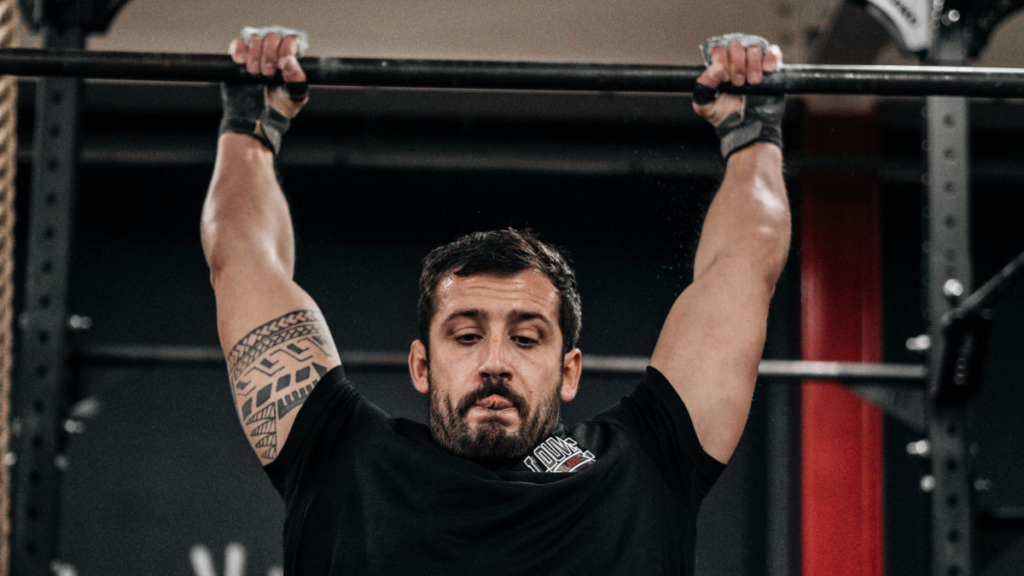
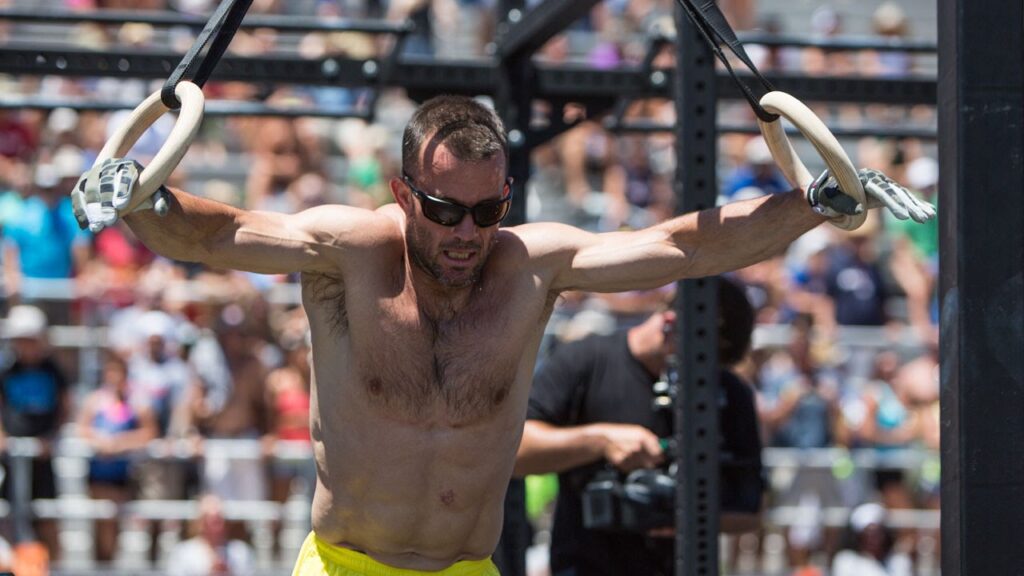
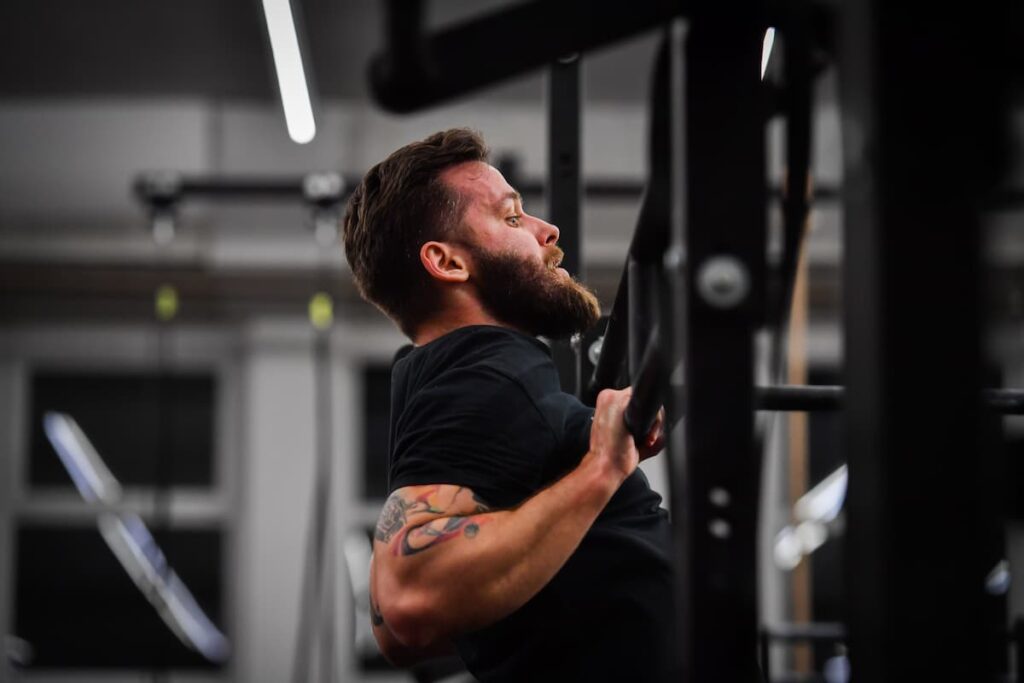
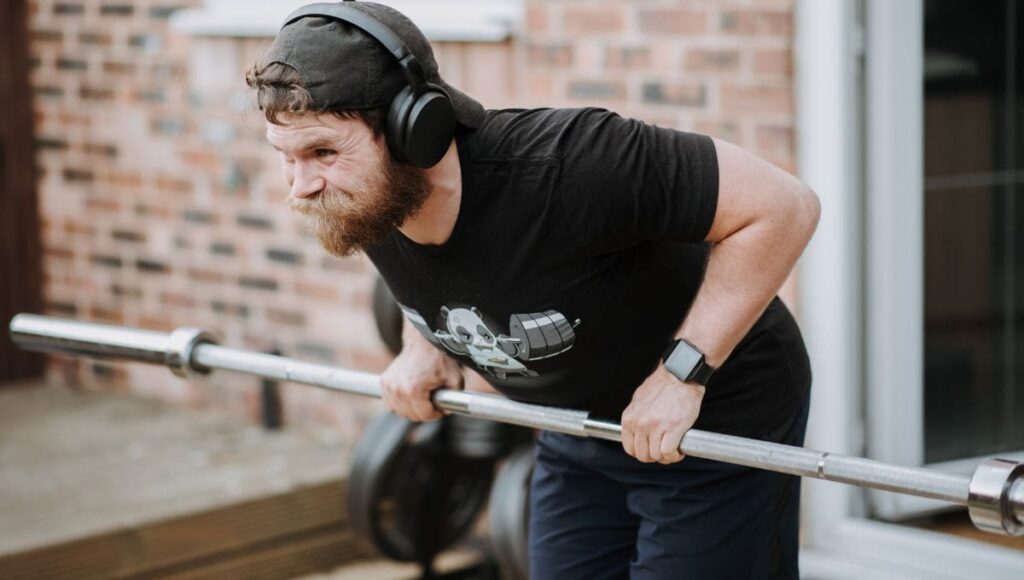
The V-shaped torso, characterized by broad shoulders tapering down to a lean waist, has long been considered a hallmark of physical attractiveness and strength. Achieving this physique requires more than simply lifting weights at random; it demands a strategic approach grounded in science.
In this article, we will examine three training secrets that can help you build a V-shaped torso faster, supported by biomechanical insights, physiological evidence, and peer-reviewed research.


The Science of the V Shape
The V-shape aesthetic relies on three main physical qualities:
- Wide shoulders and upper back (latissimus dorsi, deltoids, trapezius).
- A narrow, lean waist (low body fat, strong core).
- Proportional muscular development (avoiding imbalance).
These qualities are not merely cosmetic. A wider shoulder-to-waist ratio has been linked to greater perceived physical strength and attractiveness in multiple studies (Sell et al., 2012). From a performance perspective, a stronger back and core also improve posture, athletic ability, and injury resistance (Behm et al., 2010).
The following training secrets target the key muscle groups and physiological factors that accelerate progress toward this goal.
Secret 1: Prioritize Targeted Shoulder and Lat Hypertrophy
Why Shoulder and Back Width Matter
The shoulders and lats are the cornerstone of the V-shape. Increasing their width expands the upper frame, creating the illusion of a smaller waist. The deltoids—particularly the lateral head—and the latissimus dorsi provide the visual “wingspan” effect. Research shows that hypertrophy is most effective when exercises emphasize both mechanical tension and metabolic stress (Schoenfeld, 2010).
Science-Backed Shoulder Training
- Lateral Raises with Progressive Overload
The lateral raise specifically targets the lateral deltoid fibers. A study by Wakahara et al. (2012) demonstrated that localized muscle activation strongly correlates with regional hypertrophy. To maximize growth, lifters should progressively increase load or volume while maintaining strict form. - Overhead Press Variations
Multi-joint pressing not only builds overall deltoid mass but also recruits the trapezius and triceps. Barnett et al. (1995) showed that pressing movements elicit higher electromyographic activity in the anterior and medial deltoid compared to isolation movements, supporting their role in foundational strength and mass.
Science-Backed Lat Training
- Pull-Ups and Lat Pulldowns
Both exercises activate the latissimus dorsi effectively, but grip variation alters recruitment. Signorile et al. (2002) found that a wide pronated grip increases lat activation compared to neutral or supinated grips, making it ideal for building width. - Rowing Movements for Thickness
While vertical pulling emphasizes width, horizontal pulling contributes to back thickness. Lehman et al. (2004) demonstrated that different rowing angles preferentially activate the middle trapezius and rhomboids, helping balance posterior chain development.
Training Frequency and Volume
Meta-analyses suggest that training each muscle group twice per week with a total weekly volume of 10–20 sets is optimal for hypertrophy (Schoenfeld et al., 2016). Splitting volume across multiple sessions prevents overtraining while maximizing protein synthesis cycles.
Secret 2: Achieve and Maintain a Lean Waistline

Why Waist Size Determines the V-Taper
No matter how broad your shoulders are, a thicker waist diminishes the V-shape illusion. A leaner waist amplifies shoulder-to-waist ratio. In anthropometric research, men with lower waist-to-chest ratios were rated significantly more attractive (Dixson et al., 2003).
Reducing Body Fat Through Training
- Strength Training and Resting Metabolic Rate
Resistance training elevates post-exercise energy expenditure and preserves lean body mass during caloric restriction. Hunter et al. (2000) found that strength training maintained resting metabolic rate better than aerobic exercise alone. - High-Intensity Interval Training (HIIT)
HIIT has been shown to burn fat more effectively than steady-state cardio. Trapp et al. (2008) reported that women performing 20 minutes of HIIT three times per week experienced greater fat loss compared to those performing 40 minutes of steady-state cardio.
Core Strength Without Waist Thickening
Heavy weighted ab exercises can sometimes increase muscle thickness in the obliques, which may reduce the taper. Instead, research supports anti-extension and anti-rotation exercises for core stability without hypertrophic thickening (Behm et al., 2010). Examples include:
- Plank variations
- Pallof presses
- Ab rollouts
These exercises strengthen the transverse abdominis and improve spinal stability while maintaining a narrow waistline.
Secret 3: Manipulate Training Variables for Faster Results
The Role of Progressive Overload
Progressive overload—the gradual increase in stress placed upon the musculoskeletal system—is essential for hypertrophy. Without it, adaptation plateaus. Morton et al. (2016) concluded that both high and low loads can build muscle effectively if sets are taken close to failure, emphasizing intensity over absolute load.
Time Under Tension (TUT) and Eccentric Control
Eccentric training has been shown to elicit greater hypertrophy compared to concentric-focused lifting due to higher force production and microtrauma (Roig et al., 2009). Slowing down the eccentric phase during lateral raises, pull-ups, and presses can accelerate growth.
Exercise Order and Neuromuscular Efficiency
Placing the most important V-shape exercises (lateral raises, wide-grip pull-ups, overhead presses) at the beginning of the workout ensures they are performed with maximal intensity. Simao et al. (2010) demonstrated that exercise order significantly affects total volume and strength outcomes.
Recovery and Growth Hormone Response
Muscular growth occurs during recovery, not training itself. Sleep deprivation reduces anabolic hormone secretion and impairs recovery. Dattilo et al. (2011) found that poor sleep is linked to reduced growth hormone release, underscoring the importance of 7–9 hours of quality sleep.
Putting It All Together: Practical Programming
A sample weekly structure for maximizing V-shape development:
- Day 1: Shoulders & Lats
Overhead press, lateral raises, wide-grip pull-ups, straight-arm pulldowns - Day 2: Lower Body & Core Stability
Squats, hip thrusts, plank variations, Pallof press - Day 3: Chest & Back
Bench press, rows, face pulls, lat pulldown - Day 4: Active Recovery/HIIT
Sprint intervals or cycling HIIT - Day 5: Shoulders & Back Emphasis
Arnold press, upright rows, weighted pull-ups, cable rows
This framework ensures shoulders and lats are hit multiple times weekly, while waistline control and fat loss are supported through HIIT and core stability training.
Conclusion
The V-shaped torso is a product of science-based training and nutrition strategies. By prioritizing targeted hypertrophy of the shoulders and lats, keeping the waist lean through fat reduction and smart core training, and manipulating training variables like progressive overload and eccentric control, athletes can accelerate their progress significantly. Research consistently supports these methods, making them essential tools for anyone serious about building the iconic V-shape physique.
Key Takeaways
| Training Secret | Core Principle | Practical Application | Supporting Evidence |
|---|---|---|---|
| Prioritize Shoulder & Lat Hypertrophy | Expand upper frame width | Overhead presses, lateral raises, pull-ups, rows | Wakahara et al. (2012), Signorile et al. (2002) |
| Achieve a Lean Waistline | Increase shoulder-to-waist ratio | HIIT, resistance training, core stability exercises | Trapp et al. (2008), Behm et al. (2010) |
| Manipulate Training Variables | Accelerate hypertrophy & recovery | Progressive overload, eccentric control, exercise order, sleep | Roig et al. (2009), Dattilo et al. (2011) |
References
- Barnett, C., Kippers, V. & Turner, P. (1995). Effects of variations of the bench press exercise on the EMG activity of five shoulder muscles. Journal of Strength and Conditioning Research, 9(4), 222–227.
- Behm, D.G., Drinkwater, E.J., Willardson, J.M. & Cowley, P.M. (2010). The use of instability to train the core musculature. Applied Physiology, Nutrition, and Metabolism, 35(1), 91–108.
- Dattilo, M., Antunes, H.K.M., Medeiros, A. et al. (2011). Sleep and muscle recovery: Endocrinological and molecular basis for a new and promising hypothesis. Medical Hypotheses, 77(2), 220–222.
- Dixson, A.F., Dixson, B.J., Bishop, P.J. & Parish, A. (2003). Human physique and sexual attractiveness: Sexual preferences of men and women in Bakossiland, Cameroon. Archives of Sexual Behavior, 32(1), 29–34.
- Hunter, G.R., Bryan, D.R., Wetzstein, C.J., Zuckerman, P.A. & Bamman, M.M. (2000). Resistance training and intra-abdominal adipose tissue in older men and women. Medicine & Science in Sports & Exercise, 34(6), 1023–1028.
- Lehman, G.J., Buchan, D.D., Lundy, A., Myers, N. & Nalborczyk, A. (2004). Variations in muscle activation levels during traditional latissimus dorsi weight training exercises: An electromyographic study. Dynamic Medicine, 3(1), 4.
- Morton, R.W., Oikawa, S.Y., Wavell, C.G. et al. (2016). Neither load nor systemic hormones determine resistance training-mediated hypertrophy or strength gains in resistance-trained young men. Journal of Applied Physiology, 121(1), 129–138.
- Roig, M., O’Brien, K., Kirk, G. et al. (2009). The effects of eccentric versus concentric resistance training on muscle strength and mass in healthy adults: A systematic review with meta-analysis. British Journal of Sports Medicine, 43(8), 556–568.
- Schoenfeld, B.J. (2010). The mechanisms of muscle hypertrophy and their application to resistance training. Journal of Strength and Conditioning Research, 24(10), 2857–2872.
- Schoenfeld, B.J., Ogborn, D. & Krieger, J.W. (2016). Effects of resistance training frequency on measures of muscle hypertrophy: A systematic review and meta-analysis. Sports Medicine, 46(11), 1689–1697.
- Sell, A., Cosmides, L., Tooby, J. et al. (2012). Human adaptations for the visual assessment of strength and fighting ability from the body and face. Proceedings of the Royal Society B: Biological Sciences, 276(1656), 575–584.
- Signorile, J.F., Zink, A.J. & Szwed, S.P. (2002). A comparative electromyographical investigation of muscle utilization patterns using various hand positions during the lat pull-down. Journal of Strength and Conditioning Research, 16(4), 539–546.
- Simao, R., Farinatti, P., Polito, M.D. et al. (2010). Influence of exercise order on the number of repetitions performed and perceived exertion during resistance exercise in women. Journal of Strength and Conditioning Research, 24(11), 2953–2958.
- Trapp, E.G., Chisholm, D.J., Freund, J. & Boutcher, S.H. (2008). The effects of high-intensity intermittent exercise training on fat loss and fasting insulin levels of young women. International Journal of Obesity, 32(4), 684–691.
- Wakahara, T., Fukutani, A., Kawakami, Y. & Yanai, T. (2012). Nonuniform muscle hypertrophy: Its relation to muscle activation in training session. Medicine & Science in Sports & Exercise, 44(6), 1120–1128.