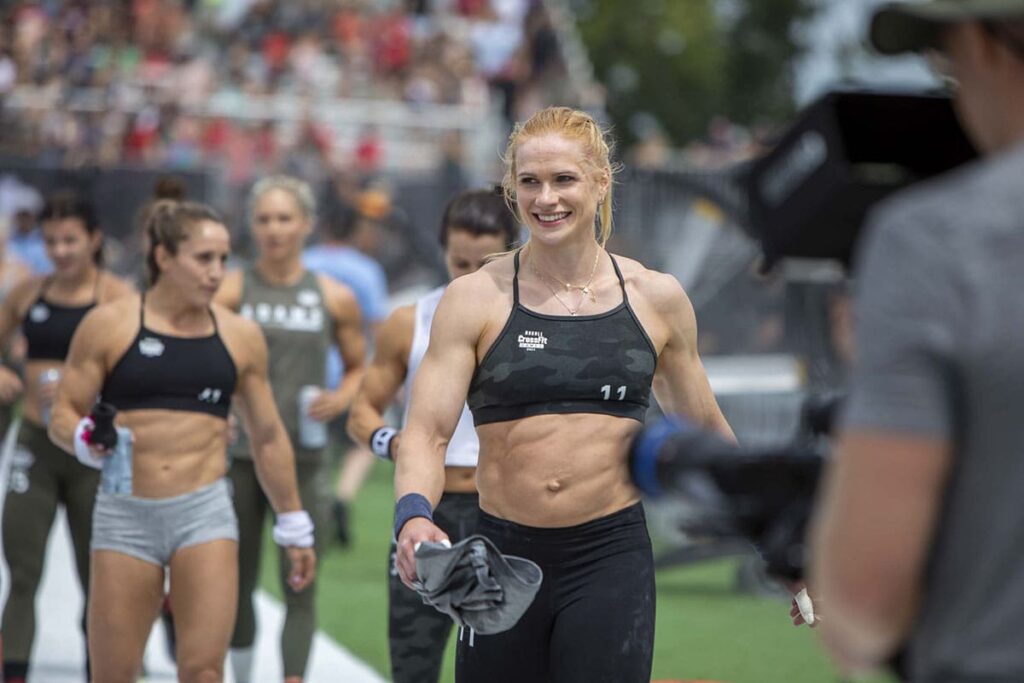
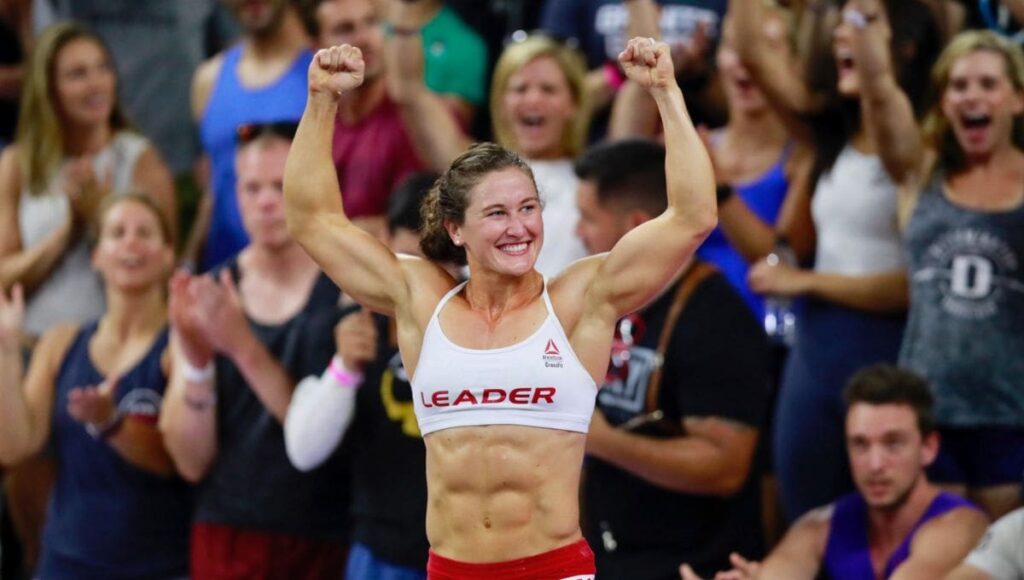
Developing a strong and defined six pack does not require an expensive gym membership or specialized equipment. Scientific research shows that targeted core training combined with proper technique and progressive overload can significantly improve abdominal strength and muscle definition.
This article outlines the three most effective home exercises for abdominal development, explains why they work from a physiological standpoint, and provides evidence-based guidance on how to maximize results.


Understanding Core Anatomy and Function
Before exploring the exercises, it is important to understand the anatomy of the abdominal wall and its role in strength and aesthetics.
The Rectus Abdominis
The rectus abdominis is the primary muscle responsible for the “six pack” appearance. It runs vertically from the pubic bone to the sternum and functions mainly in trunk flexion and stabilization. Research indicates that effective six pack development requires consistent activation of this muscle through controlled spinal flexion and static holds (Escamilla et al., 2010).
The Obliques

The external and internal obliques flank the rectus abdominis. They contribute to trunk rotation, lateral flexion, and core stabilization. Well-developed obliques enhance overall core aesthetics and protect the spine during rotational movements (Axler & McGill, 1997).
The Transversus Abdominis
The deepest layer of the abdominal wall, the transversus abdominis, functions as a stabilizer by compressing the abdominal contents and stiffening the spine. Strengthening this muscle improves functional core strength and reduces risk of lower back pain (Richardson et al., 2002).
Why Core Training Matters
Strong abdominal muscles not only create visual definition but also play a critical role in posture, athletic performance, and injury prevention. Studies show that a well-conditioned core enhances balance, improves force transfer during athletic activities, and supports lower back health (Kibler et al., 2006).
Exercise 1: Ab Wheel Rollouts
The ab wheel rollout is one of the most scientifically validated exercises for rectus abdominis activation. It requires only a simple ab wheel or can be modified using a barbell or towels on a smooth floor.
Execution
- Kneel on the floor with the ab wheel in front of you.
- Grip the handles and slowly roll forward, extending your body until you feel a strong contraction in your abdominals.
- Maintain a neutral spine and avoid arching your lower back.
- Engage the core to roll back into the starting position.
Scientific Evidence
Electromyographic (EMG) studies have consistently shown that ab wheel rollouts produce some of the highest levels of rectus abdominis activation compared to other exercises. A study by Escamilla et al. (2016) found that rollouts generated greater core muscle activity than standard crunches or planks, making them one of the most efficient tools for abdominal development.
Benefits
- Maximal rectus abdominis activation
- High demand on spinal stabilization
- Progressively overloadable by increasing rollout distance
Programming
Perform 3–4 sets of 8–12 controlled repetitions, focusing on form rather than speed. Beginners may reduce range of motion until sufficient strength is built.
Exercise 2: Hanging Leg Raises

Hanging leg raises target both the rectus abdominis and hip flexors, with a strong emphasis on the lower portion of the abdominal wall. While this exercise traditionally requires a pull-up bar, modifications such as lying leg raises can be performed at home.
Execution
- Hang from a pull-up bar with arms fully extended.
- Engage your core and slowly lift your legs upward until they are parallel to the floor or higher.
- Avoid swinging; use controlled movement.
- Lower legs back to the starting position.
Scientific Evidence
EMG research demonstrates that hanging leg raises produce significant activation in the lower rectus abdominis compared to traditional sit-ups (Andersson et al., 1997). Controlled studies have shown that this exercise also engages the obliques when combined with rotational variations (Parkhouse & Ball, 2011).
Benefits
- Emphasizes lower rectus abdominis development
- Improves hip flexor strength
- Scalable with ankle weights or rotational variations
Programming
Start with 3 sets of 10–15 repetitions. If full leg raises are too difficult, begin with bent-knee raises and progress over time.
Exercise 3: Plank Variations
Planks are a cornerstone of core stability training, emphasizing isometric contraction of the abdominal wall and deep stabilizers. Variations such as side planks, RKC planks, and plank reach-unders increase demand on both rectus abdominis and obliques.
Execution
- Begin in a forearm plank position with elbows under shoulders.
- Engage your core, glutes, and maintain a straight line from head to heels.
- Hold the position without sagging or arching.
- For increased intensity, add movement such as shoulder taps or reach-unders.
Scientific Evidence
Planks are consistently ranked as one of the most effective exercises for overall abdominal activation. Ekstrom et al. (2007) demonstrated that planks, particularly side planks, strongly engage the obliques and transversus abdominis. Furthermore, McGill (2010) emphasized the importance of isometric core endurance for spinal health and performance.
Benefits
- Enhances endurance and stability
- Low risk of spinal compression compared to flexion-based exercises
- Scalable through time, instability devices, or added movement
Programming
Hold planks for 30–90 seconds across 3–5 sets. Gradually increase hold time or add challenging variations as strength improves.
Additional Considerations for Six Pack Development
The Role of Body Fat
Visible abdominal definition depends not only on muscle development but also on body fat percentage. Research indicates that men typically require a body fat level of 10–12% and women 16–19% for abdominal visibility (Heymsfield et al., 2005). This emphasizes the need for proper nutrition and overall energy balance.
Progressive Overload
Just like any other muscle group, abdominal muscles respond best to progressive overload. Increasing resistance, volume, or time under tension ensures continual adaptation and hypertrophy (Schoenfeld, 2010).
Training Frequency
Studies suggest that training the abdominals 2–4 times per week provides optimal stimulus without compromising recovery (Willardson, 2007). Adequate rest is essential for both muscle repair and neural recovery.
Injury Prevention
Core training should prioritize quality over quantity. Excessive spinal flexion under load, such as repeated heavy sit-ups, may increase lumbar stress and injury risk (McGill, 1995). Choosing exercises with a strong evidence base for both effectiveness and safety is essential.
Conclusion
The three best home exercises for building a defined and strong six pack—ab wheel rollouts, hanging leg raises, and plank variations—are all supported by scientific evidence for their effectiveness. When performed consistently with proper technique, integrated into a progressive training program, and combined with a nutrition plan that reduces body fat, these exercises can significantly enhance abdominal definition and strength.
Key Takeaways
| Exercise | Primary Muscles Targeted | Key Benefits | Scientific Support |
|---|---|---|---|
| Ab Wheel Rollouts | Rectus abdominis, stabilizers | Maximal activation, progressive overload | Escamilla et al., 2016 |
| Hanging Leg Raises | Lower rectus abdominis, hip flexors, obliques | Lower ab emphasis, scalable with variations | Andersson et al., 1997 |
| Plank Variations | Rectus abdominis, obliques, transversus abdominis | Stability, endurance, spine health | Ekstrom et al., 2007 |
References
- Andersson, E., Ma, Z., Thorstensson, A., (1997). Relative EMG levels in abdominal muscles during daily activities and different physical exercises. Journal of Electromyography and Kinesiology, 7(3), pp. 203–211.
- Axler, C.T. & McGill, S.M., (1997). Low back loads over a variety of abdominal exercises: searching for the safest abdominal challenge. Medicine and Science in Sports and Exercise, 29(6), pp.804–811.
- Ekstrom, R.A., Donatelli, R.A. & Carp, K.C., (2007). Electromyographic analysis of core trunk, hip, and thigh muscles during 9 rehabilitation exercises. Journal of Orthopaedic & Sports Physical Therapy, 37(12), pp.754–762.
- Escamilla, R.F., Babb, E., DeWitt, R., et al., (2010). Electromyographic analysis of traditional and nontraditional abdominal exercises: implications for rehabilitation and training. Journal of Orthopaedic & Sports Physical Therapy, 40(5), pp.265–276.
- Escamilla, R.F., McTaggart, M.S., Fricklas, E.J., et al., (2016). An electromyographic analysis of abdominal and hip flexor muscle activity during various abdominal exercises. Journal of Strength and Conditioning Research, 30(4), pp. 917–929.
- Heymsfield, S.B., Lohman, T.G., Wang, Z., Going, S.B., (2005). Human Body Composition. Champaign: Human Kinetics.
- Kibler, W.B., Press, J. & Sciascia, A., (2006). The role of core stability in athletic function. Sports Medicine, 36(3), pp.189–198.
- McGill, S.M., (1995). The mechanics of torso flexion: sit-ups and standing dynamic flexion manoeuvres. Clinical Biomechanics, 10(4), pp.184–192.
- McGill, S.M., (2010). Ultimate Back Fitness and Performance. 4th ed. Waterloo: Backfitpro Inc.
- Parkhouse, W.S. & Ball, N., (2011). EMG activity of abdominal and hip flexor muscles during abdominal exercises. Journal of Strength and Conditioning Research, 25(6), pp.1579–1584.
- Richardson, C., Jull, G., Hodges, P., Hides, J., (2002). Therapeutic Exercise for Spinal Segmental Stabilization in Low Back Pain: Scientific Basis and Clinical Approach. Edinburgh: Churchill Livingstone.
- Schoenfeld, B.J., (2010). The mechanisms of muscle hypertrophy and their application to resistance training. Journal of Strength and Conditioning Research, 24(10), pp.2857–2872.
- Willardson, J.M., (2007). Core stability training: applications to sports conditioning programs. Journal of Strength and Conditioning Research, 21(3), pp.979–985.