Developing visible, strong abdominal muscles is a goal shared by athletes, fitness enthusiasts, and everyday exercisers alike. Yet the path to sculpted abs is often misunderstood.
Many people rely on endless crunches or trendy gadgets, when in reality, building defined and functional abdominal muscles requires a science-backed approach. This article explores six evidence-based strategies to improve abdominal strength, appearance, and performance.


Secret 1: Nutrition Dictates Visibility
Energy Balance and Fat Loss
Abdominal muscles exist in everyone, but their visibility depends largely on body fat percentage. Research consistently shows that localized fat loss through targeted exercises is a myth. Spot reduction has been debunked in multiple studies, demonstrating that fat loss occurs systemically, not in isolated areas (Vispute et al., 2011). Therefore, achieving visible abs requires creating a caloric deficit through diet and overall activity.
Protein Intake and Muscle Retention
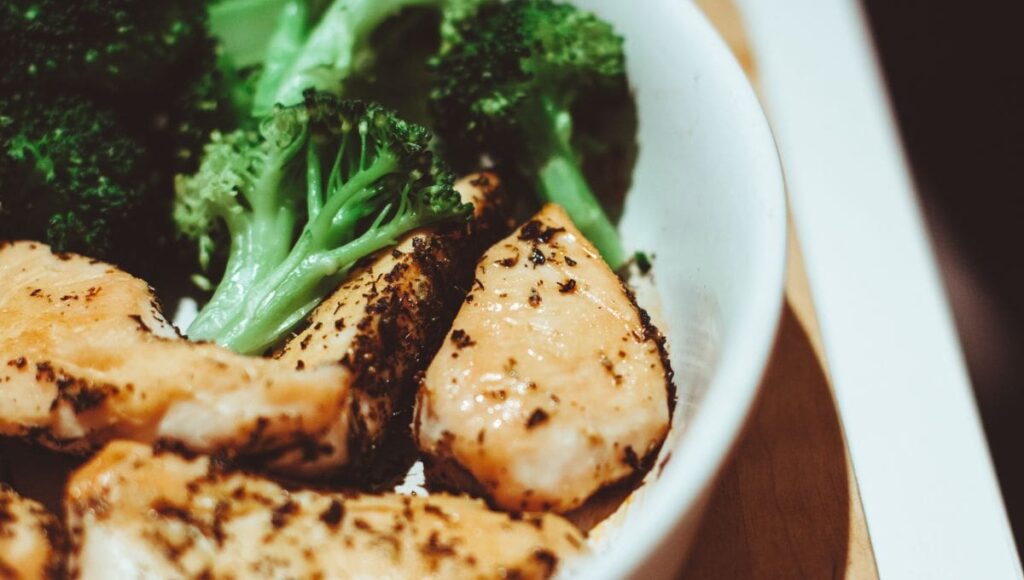
Adequate protein intake is essential during fat loss. Protein not only supports satiety but also helps preserve lean mass, including the abdominal musculature, during periods of energy restriction (Pasiakos et al., 2013). Recommendations for active individuals generally fall between 1.6–2.2 grams of protein per kilogram of body weight per day.
Dietary Quality and Macronutrient Balance
A diet rich in whole foods, including vegetables, fruits, lean proteins, and whole grains, supports fat loss while providing essential micronutrients. Low-quality, highly processed foods can impair fat loss efforts by increasing energy intake and lowering satiety. Evidence also supports that balanced macronutrient distribution—whether lower carbohydrate or higher carbohydrate—can be effective, provided protein intake and calorie control are maintained (Johnston et al., 2014).
Secret 2: Core Training Must Be Comprehensive
Beyond the Rectus Abdominis
The abdominal wall is not limited to the rectus abdominis (“six-pack” muscles). A complete core includes the obliques, transverse abdominis, multifidus, and even the diaphragm and pelvic floor. Neglecting these muscles can reduce stability and increase injury risk (Akuthota & Nadler, 2004).
Anti-Movement Training
Evidence suggests that exercises resisting motion (anti-extension, anti-rotation, and anti-lateral flexion) are more effective for core stability than traditional sit-ups (McGill, 2010). Movements such as planks, Pallof presses, and dead bugs engage deeper stabilizers and improve functional strength.
Functional Transfer
Core stability translates directly to athletic performance. Studies show that enhanced trunk muscle endurance improves balance, reduces injury risk, and contributes to strength in compound lifts (Hibbs et al., 2008). Thus, core training should progress beyond aesthetics to prioritize function.
Secret 3: Resistance Training Builds Stronger Abs

Compound Lifts as Ab Stimulus
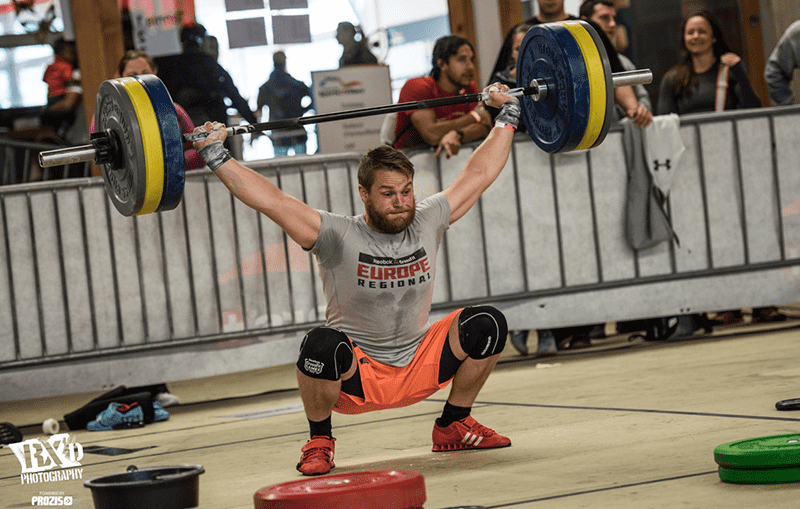
Heavy compound lifts such as squats and deadlifts significantly activate the core muscles, sometimes to a greater extent than isolated abdominal exercises. Research using electromyography (EMG) demonstrates substantial engagement of the rectus abdominis and obliques during multi-joint movements (Hamlyn, Behm & Young, 2007).
Overload and Hypertrophy
Like any muscle group, the abdominals require progressive overload to grow. Training solely with bodyweight may limit hypertrophy unless progressive variations or external load are applied. Weighted planks, cable crunches, or resistance-based rotational work can provide the necessary stimulus.
Volume and Frequency
Current hypertrophy literature supports training each muscle group at least twice per week with sufficient volume (Schoenfeld et al., 2016). This principle applies equally to abdominal training, where consistent, progressive overload is more effective than occasional high-rep sessions.
Secret 4: Cardiovascular Training Supports Fat Loss
High-Intensity Interval Training (HIIT)
Research highlights the effectiveness of HIIT for fat loss and metabolic health. Short bursts of high-intensity effort followed by rest intervals have been shown to reduce body fat and improve insulin sensitivity more efficiently than steady-state cardio (Boutcher, 2011).

Steady-State Cardio as a Tool
Steady-state aerobic training also plays a role, particularly as a sustainable method of increasing total energy expenditure. For many individuals, combining HIIT with moderate-intensity cardio provides the most practical balance between calorie burn and recovery demands.
Non-Exercise Activity Thermogenesis (NEAT)
Beyond structured exercise, non-exercise activity—including walking, standing, and daily movement—has a significant impact on total energy expenditure. Levine (2002) found that differences in NEAT could explain large variations in fat storage between individuals. Increasing step count and general activity enhances fat loss efforts, indirectly revealing abdominal definition.
Secret 5: Sleep and Stress Management Enhance Results
Sleep and Hormonal Regulation
Poor sleep negatively impacts fat loss and muscle retention. A landmark study demonstrated that sleep restriction during a calorie deficit shifted weight loss toward lean mass rather than fat loss (Nedeltcheva et al., 2010). Sleep deprivation also disrupts hunger-regulating hormones, increasing ghrelin and decreasing leptin, which promotes overeating.
Stress, Cortisol, and Fat Distribution
Chronic stress elevates cortisol, a hormone linked to central fat deposition, including visceral fat around the abdomen (Epel et al., 2000). While cortisol is not inherently harmful, prolonged elevation can impair fat loss efforts and contribute to muscle breakdown. Stress-management techniques, such as mindfulness, yoga, or breathing practices, may indirectly benefit abdominal appearance.
Secret 6: Consistency and Patience Trump Quick Fixes
Misconceptions About Spot Reduction and “Ab Workouts”
The fitness industry often promotes shortcuts like “10-minute ab workouts” or devices claiming to melt fat from the stomach. Evidence consistently shows that these approaches are ineffective. Visible abs result from systemic fat loss, proper training, and long-term adherence.
The Time Factor
Even with optimal diet and training, meaningful changes in abdominal definition take weeks to months. Patience is required, as rushing the process through extreme dieting or overtraining can backfire by increasing injury risk, hormonal disruption, and unsustainable habits.
Lifestyle Integration
Consistency arises when habits are sustainable. Establishing routines in nutrition, training, sleep, and stress management ensures steady progress. Research emphasizes that long-term adherence, not short-term intensity, determines outcomes (Wing & Phelan, 2005).
Key Takeaways Table
| Secret | Key Point | Supporting Evidence |
|---|---|---|
| Nutrition Dictates Visibility | Abs are revealed through fat loss, not spot reduction | Vispute et al., 2011 |
| Core Training Must Be Comprehensive | Train all abdominal muscles with anti-movement exercises | McGill, 2010 |
| Resistance Training Builds Stronger Abs | Progressive overload applies to abdominal muscles | Schoenfeld et al., 2016 |
| Cardiovascular Training Supports Fat Loss | HIIT and steady-state both contribute to calorie expenditure | Boutcher, 2011 |
| Sleep and Stress Management Enhance Results | Sleep and cortisol regulate fat loss and muscle retention | Nedeltcheva et al., 2010; Epel et al., 2000 |
| Consistency and Patience | Sustainable habits determine long-term success | Wing & Phelan, 2005 |
References
- Akuthota, V. & Nadler, S.F., 2004. Core strengthening. Archives of Physical Medicine and Rehabilitation, 85(3 Suppl 1), pp.S86–S92.
- Boutcher, S.H., 2011. High-intensity intermittent exercise and fat loss. Journal of Obesity, 2011, pp.1–10.
- Epel, E.S., McEwen, B., Seeman, T., Matthews, K., Castellazzo, G., Brownell, K.D., Bell, J. & Ickovics, J.R., 2000. Stress and body shape: stress-induced cortisol secretion is consistently greater among women with central fat. Psychosomatic Medicine, 62(5), pp.623–632.
- Hamlyn, N., Behm, D.G. & Young, W.B., 2007. Trunk muscle activation during dynamic weight-training exercises and isometric instability activities. Journal of Strength and Conditioning Research, 21(4), pp.1108–1112.
- Hibbs, A.E., Thompson, K.G., French, D., Wrigley, A. & Spears, I., 2008. Optimizing performance by improving core stability and core strength. Sports Medicine, 38(12), pp.995–1008.
- Johnston, B.C., Kanters, S., Bandayrel, K., Wu, P., Naji, F., Siemieniuk, R.A. & Guyatt, G., 2014. Comparison of weight loss among named diet programs in overweight and obese adults. JAMA, 312(9), pp.923–933.
- Levine, J.A., 2002. Non-exercise activity thermogenesis (NEAT). Best Practice & Research Clinical Endocrinology & Metabolism, 16(4), pp.679–702.
- McGill, S.M., 2010. Core training: Evidence translating to better performance and injury prevention. Strength and Conditioning Journal, 32(3), pp.33–46.
- Nedeltcheva, A.V., Kilkus, J.M., Imperial, J., Kasza, K., Schoeller, D.A. & Penev, P.D., 2010. Sleep curtailment is accompanied by increased intake of calories from snacks. Annals of Internal Medicine, 153(7), pp.435–441.
- Pasiakos, S.M., Vislocky, L.M., Carbone, J.W., Altieri, N., Konopelski, K., Freake, H.C. & Rodriguez, N.R., 2013. Acute protein intake and muscle protein synthesis after resistance exercise in young men and women: A meta-analysis. Sports Medicine, 43(5), pp.467–478.
- Schoenfeld, B.J., Ogborn, D. & Krieger, J.W., 2016. Effects of resistance training frequency on measures of muscle hypertrophy: a systematic review and meta-analysis. Sports Medicine, 46(11), pp.1689–1697.
- Vispute, S.S., Smith, J.D., LeCheminant, J.D. & Hurley, K.S., 2011. The effect of abdominal exercise on abdominal fat. Journal of Strength and Conditioning Research, 25(9), pp.2559–2564.
- Wing, R.R. & Phelan, S., 2005. Long-term weight loss maintenance. American Journal of Clinical Nutrition, 82(1 Suppl), pp.222S–225S.