The CrossFit Games are designed to test the fittest on Earth across every domain of athletic performance. But in 2025 it was not a barbell or a sled push that commanded attention. It was a sheet of plexiglass and two wooden pegs.
The pegboard, familiar to Games veterans, turned into the lightning rod of Albany. Athletes slipped, stalled and in some cases froze halfway up the wall. Frustration poured out on the competition floor and online, instantly making the event the most talked-about moment of the week.


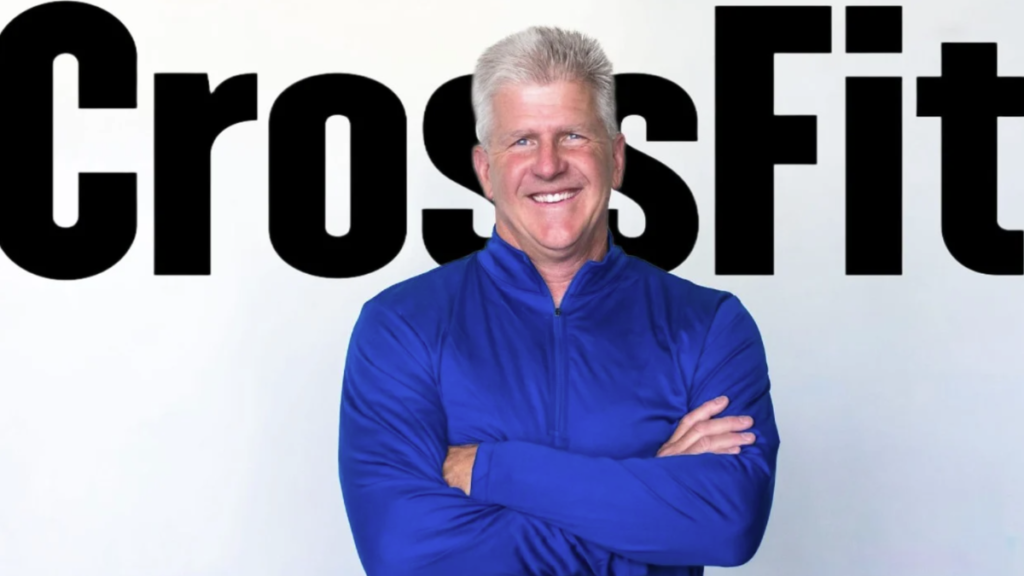
In his Weekend in Review broadcast, CrossFit Director of Sport Dave Castro fielded questions about the pegboard along with issues around the Masters divisions and the future of affiliates. But reaction from athletes and fans showed the debate goes far beyond one man’s explanation.
Pegboard at the Center of the Storm

The challenge split opinion almost immediately. Clips of athletes sliding back down the wall or hanging helplessly mid-climb spread across social media. Supporters called it a legitimate test of composure under pressure. Critics argued it was a programming misstep that risked overshadowing the rest of the competition.
Even six-time champion Tia Clair Toomey admitted she was caught off guard. “I do not want to be a bad sport because everyone did so good, but it is crazy how inconsistent I was,” she said in her Day 1 recap. “I knew they were going to be slippery but not like that. I have never had that. That was hectic. I was like, I am not this bad at pegboard. I think I am actually decent at these.”

Castro defended the inclusion. “This is CrossFit. We create problems. Athletes have to solve them. That is the point of the Games.”
Strength and Endurance Still on Display

Away from the controversy, the Games delivered the kind of highlights that have defined Madison. Colten Mertens brought the Coliseum to its feet with a personal best back squat of 570lb, one of the loudest moments of the week.
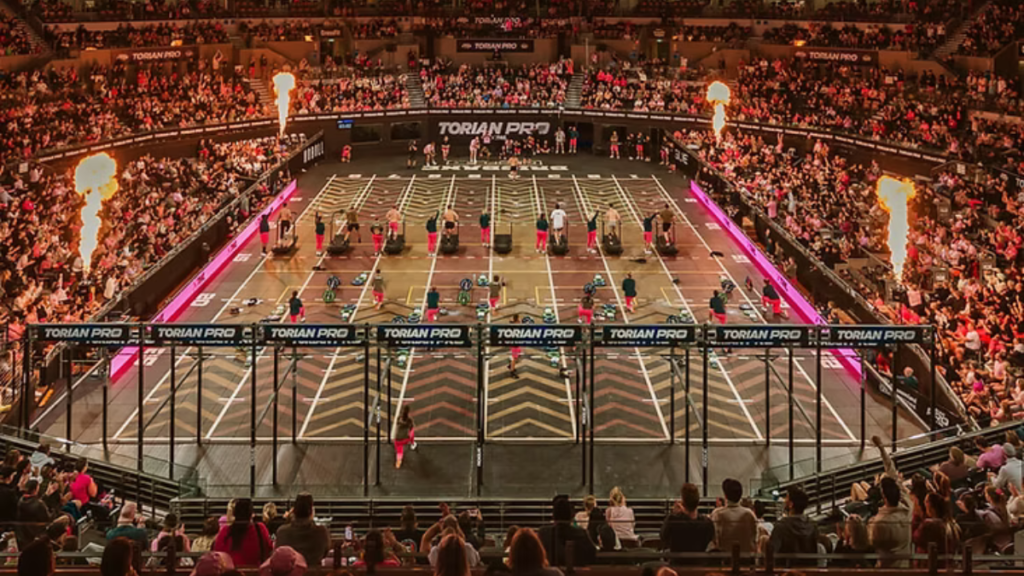
The Run Row Run event, combining four miles on foot, a 3,000 meter row and another two miles in the summer heat, left athletes visibly drained. Precision tests like All Crossed Up, which mixed wall walks with double under crossovers, punished any lapse in concentration.
These displays of raw strength and resilience reminded fans why the Games remain the pinnacle of the sport.
2025 Prize Purse Falls

Prize money told a quieter but no less important story. The total purse for 2025 was $2.35 million, down from $2.42 million the year before. Event winners still earned close to $290,000, but the dip was noticed at a time when rival competitions such as HYROX are drawing bigger crowds and expanding prize structures.
For many athletes, the size of the purse now carries as much weight as the workouts themselves. Sponsorships and careers often hinge on these payouts, and a shrinking prize fund has raised questions about where CrossFit fits in a crowded fitness landscape.
Masters Call for Respect
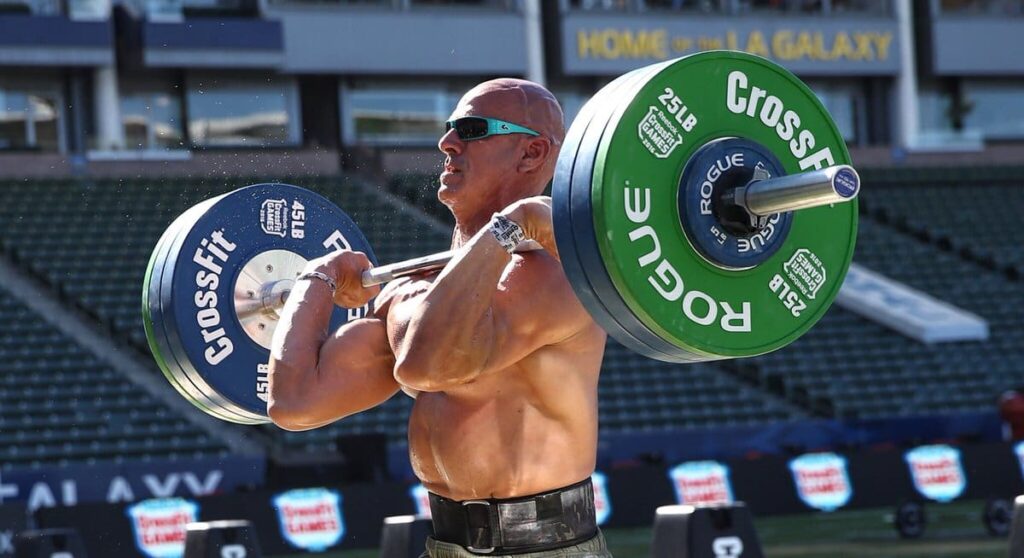
Another ongoing debate centered on the Masters divisions. Competitors over 35 have long been seen as the backbone of the community, proving that high performance can continue deep into adulthood while inspiring everyday members in affiliates around the world.
This year some felt they were pushed further out of the spotlight. “The Masters built this sport,” one coach commented. “They deserve more visibility.”
Castro acknowledged the discussion but stopped short of promising reform, calling it a balance to be addressed as the twentieth anniversary of the Games approaches. For many, that answer only sharpened the sense that the Masters divisions are overdue for greater recognition.
Affiliates and the Bigger Picture
If there was one theme Castro emphasized it was the importance of affiliates. The Games coincided with the Affiliate Summit, where gym owners and coaches from around the world met to discuss the future of the sport.
“Affiliates are the backbone of CrossFit,” Castro said. “Without them there is no sport, no community, no Games.”
The relaunch of the Affiliate Series, grassroots competitions staged in local gyms, reflected this push. Yet not everyone agrees affiliates alone will sustain the sport’s growth, particularly with other hybrid fitness events gaining ground globally.
A Turning Point for 2026

The focus now shifts to 2026 and the twentieth CrossFit Games. Fans are already speculating about throwback events, expanded Masters divisions and whether another surprise test will dominate the headlines.
Castro offered few hints. “The events are not supposed to be easy,” he said. “They are supposed to test what is possible.”
But the next chapter of CrossFit is about more than programming. CrossFit LLC itself is officially up for sale, a move that has added uncertainty to the sport’s direction. Who owns the company by the time the anniversary Games begin may prove just as important as what challenges appear on the competition floor.
For athletes, affiliates and fans alike, the questions go beyond whether the pegboard returns. They reach to the heart of what CrossFit will look like under new leadership, and whether the Games can keep their place as the ultimate test of fitness.