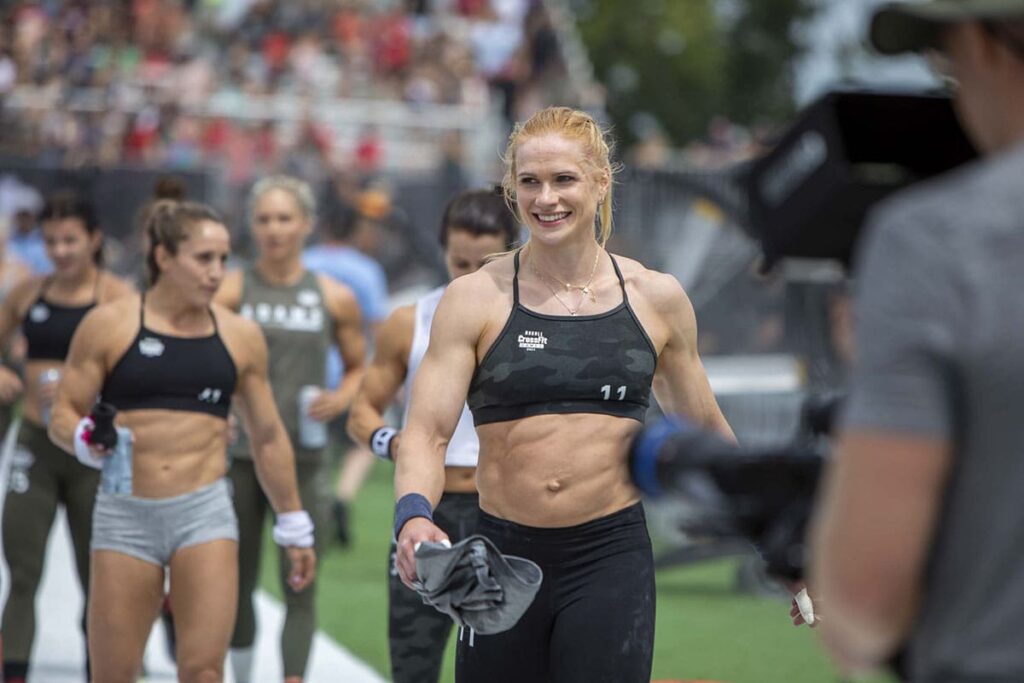
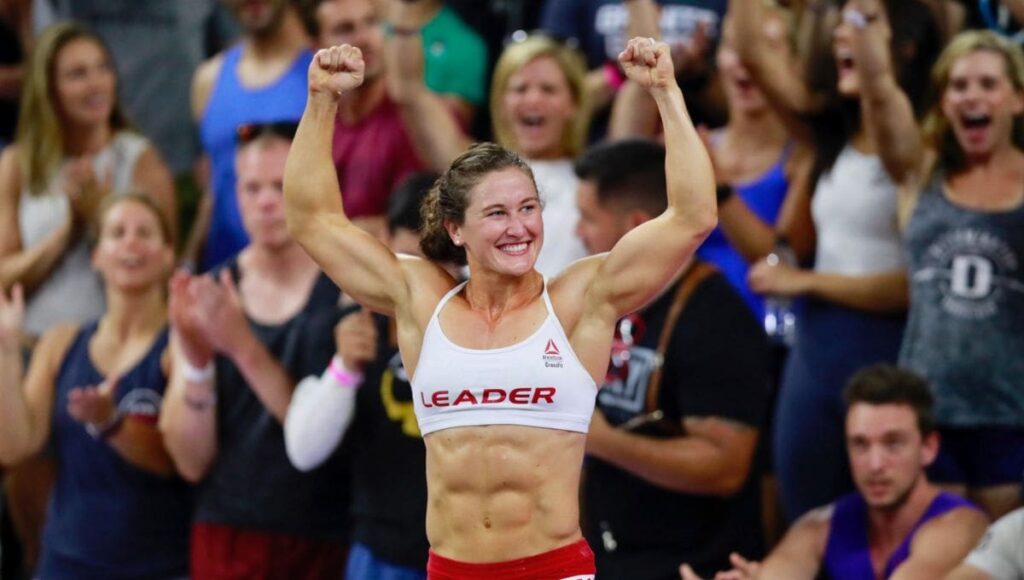
Achieving a six-pack goes beyond vanity—it represents a combination of disciplined nutrition, targeted training, and optimized recovery. While many people chase quick fixes, science provides a clear roadmap for building visible and strong abdominal muscles.
This article will outline seven research-backed steps to develop a super strong six-pack, backed by physiology and peer-reviewed studies.


Step 1: Reduce Body Fat Through a Sustainable Caloric Deficit
Visible abdominal muscles are primarily a function of low body fat. Research consistently shows that reducing fat requires a sustained caloric deficit, where energy expenditure exceeds energy intake.
Energy Balance Fundamentals
The principle of energy balance is central to fat loss. Hall et al. (2015) demonstrated that both low-carbohydrate and low-fat diets produced similar fat loss when calories and protein were matched, highlighting the primacy of total calorie intake.
Practical Implementation
- Track food intake to increase dietary awareness.
- Aim for a moderate caloric deficit of 300–500 kcal/day, which has been shown to preserve lean muscle mass while reducing fat.
- Ensure sufficient protein intake (~1.6–2.2 g/kg body weight daily) to maintain muscle during weight loss.
Step 2: Prioritize Resistance Training to Preserve Muscle Mass
Simply dieting without resistance training often leads to muscle loss, undermining the development of a defined six-pack. Resistance training is crucial for maintaining and even increasing lean mass during caloric restriction.
Muscle Retention Under Caloric Deficit
A landmark study by Layman et al. (2005) showed that combining resistance training with higher protein intake significantly improved body composition compared to diet alone. Resistance exercise stimulates muscle protein synthesis, protecting against muscle breakdown.
Abdominal-Specific Training
While compound lifts like squats and deadlifts recruit the core heavily, targeted exercises such as hanging leg raises, cable crunches, and ab rollouts further increase hypertrophy of the rectus abdominis and obliques.
Step 3: Train the Core with Progressive Overload
Many people perform endless sit-ups without progression. Like any other muscle group, abdominal muscles respond best to progressive overload.
Progressive Overload and Hypertrophy
Schoenfeld et al. (2016) demonstrated that progressive overload—gradually increasing resistance, volume, or intensity—drives muscular hypertrophy. Abdominal muscles are no exception and require systematic loading to grow.
Practical Core Training Approach
- Train abs 2–3 times per week.
- Incorporate weighted exercises, not just bodyweight.
- Vary rep ranges (8–20 reps) for both strength and endurance adaptations.
Step 4: Improve Nutritional Quality Beyond Calories
Calories determine fat loss, but nutritional quality influences health, recovery, and satiety—all critical for sustaining progress toward a six-pack.
Macronutrient Distribution
- Protein: Supports muscle repair and satiety.
- Carbohydrates: Provide energy for high-intensity training. Ivy (2004) emphasized carbohydrate’s role in glycogen replenishment for performance.
- Fats: Essential for hormonal balance, particularly testosterone and cortisol regulation.
Micronutrient Considerations
Deficiencies in vitamin D, magnesium, and zinc can impair muscle function and recovery. Optimal nutrition ensures metabolic efficiency and supports long-term training adaptations.
Step 5: Optimize Recovery and Sleep

Recovery is often overlooked but is essential for abdominal definition and strength. Sleep quality and stress management profoundly influence fat metabolism and muscle repair.
Sleep and Body Composition
Spiegel et al. (2004) found that sleep restriction reduced leptin, increased ghrelin, and elevated hunger, leading to impaired fat loss. Short sleep also reduces insulin sensitivity, making fat loss more challenging.
Stress and Cortisol
Chronic stress elevates cortisol, a hormone associated with central fat storage. Effective stress management—through mindfulness, breathwork, or structured relaxation—improves recovery and supports fat loss.
Step 6: Include Cardiovascular Exercise Strategically
Cardio can accelerate fat loss, but when misapplied, it may compromise strength and muscle. The goal is to use cardio to enhance energy expenditure without interfering with recovery or hypertrophy.
High-Intensity Interval Training (HIIT)
Boutcher (2011) demonstrated that HIIT promotes significant fat loss and improves cardiovascular fitness with relatively short time investments. HIIT also spares lean mass compared to excessive steady-state cardio.
Low-Intensity Steady State (LISS)
Walking or cycling at low intensities increases daily energy expenditure without taxing recovery systems. This makes it an excellent complement to resistance training and HIIT.
Step 7: Adopt Long-Term Consistency and Lifestyle Integration
A six-pack is not achieved in weeks—it requires months of disciplined training and sustainable nutrition. Consistency is more predictive of results than any individual strategy.
Behavior Change and Adherence
Wing and Phelan (2005) highlighted that individuals who maintained long-term weight loss reported consistent exercise and dietary habits. Building habits that can be sustained indefinitely ensures six-pack results are maintained, not just achieved temporarily.
Practical Lifestyle Strategies
- Plan meals to avoid impulsive eating.
- Schedule workouts consistently.
- Reframe fitness as part of identity rather than a short-term goal.
Conclusion
A super strong six-pack requires more than crunches and extreme diets. Science shows that body fat reduction, resistance training, progressive overload, nutrient quality, recovery, strategic cardio, and consistency form the foundation.
Applying these seven steps in unison creates not only a visually impressive midsection but also a healthier, stronger body overall.
Key Takeaways
| Step | Core Principle | Scientific Support |
|---|---|---|
| 1 | Reduce body fat with a caloric deficit | Hall et al. (2015) |
| 2 | Preserve muscle through resistance training | Layman et al. (2005) |
| 3 | Apply progressive overload to ab training | Schoenfeld et al. (2016) |
| 4 | Optimize macronutrient and micronutrient intake | Ivy (2004) |
| 5 | Prioritize recovery and quality sleep | Spiegel et al. (2004) |
| 6 | Use HIIT and LISS strategically | Boutcher (2011) |
| 7 | Focus on long-term consistency | Wing & Phelan (2005) |
Bibliography
- Boutcher, S.H. (2011) ‘High-intensity intermittent exercise and fat loss’, Journal of Obesity, 2011, pp.1–10.
- Hall, K.D., Bemis, T., Brychta, R., Chen, K.Y., Courville, A., Crayner, E., Goodwin, S., Guo, J., Howard, L., Knuth, N.D. & Miller, B.V. (2015) ‘Calorie for calorie, dietary fat restriction results in more body fat loss than carbohydrate restriction in people with obesity’, Cell Metabolism, 22(3), pp.427–436.
- Ivy, J.L. (2004) ‘Role of carbohydrate in exercise training adaptation and performance’, Nutrition, 20(7–8), pp.586–590.
- Layman, D.K., Evans, E., Baum, J.I., Seyler, J., Erickson, D.J. & Boileau, R.A. (2005) ‘Dietary protein and exercise have additive effects on body composition during weight loss in adult women’, Journal of Nutrition, 135(8), pp.1903–1910.
- Schoenfeld, B.J., Ogborn, D. & Krieger, J.W. (2016) ‘Effects of resistance training frequency on measures of muscle hypertrophy: a systematic review and meta-analysis’, Sports Medicine, 46(11), pp.1689–1697.
- Spiegel, K., Tasali, E., Penev, P. & Van Cauter, E. (2004) ‘Sleep curtailment in healthy young men is associated with decreased leptin levels, elevated ghrelin levels, and increased hunger and appetite’, Annals of Internal Medicine, 141(11), pp.846–850.
- Wing, R.R. & Phelan, S. (2005) ‘Long-term weight loss maintenance’, American Journal of Clinical Nutrition, 82(1), pp.222S–225S.