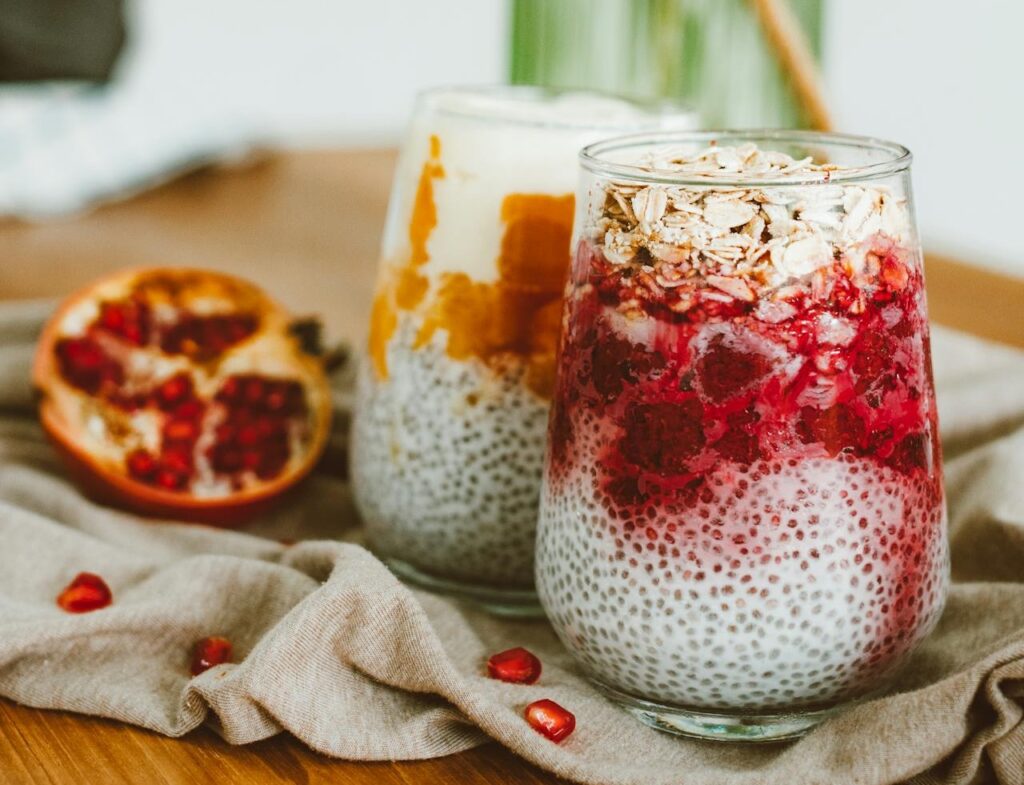
Improving diet quality does not have to be overwhelming. Many people think healthy eating requires a complete lifestyle overhaul, but research consistently shows that even small, incremental changes can have significant long-term benefits for health, performance, and longevity.
This article outlines 10 science-backed, practical tips that anyone can apply immediately.


Each strategy is supported by peer-reviewed evidence, ensuring that these recommendations are not only accessible but also grounded in robust science.
1. Prioritize Protein with Every Meal
Protein is essential for muscle repair, immune function, and satiety regulation. Research shows that higher-protein diets increase thermogenesis and improve appetite control compared to low-protein diets (Westerterp-Plantenga et al., 2009). Including protein at every meal—whether from lean meats, fish, eggs, legumes, or dairy—helps balance blood sugar and reduces overeating later in the day.

A target of 1.2–2.0 g of protein per kilogram of body weight per day is generally recommended for active individuals (Phillips & Van Loon, 2011). Distributing protein intake evenly across meals enhances muscle protein synthesis, which is more effective than consuming it all in one sitting.
2. Increase Fiber Intake Gradually
Fiber improves digestion, supports gut microbiota, and reduces the risk of chronic diseases such as cardiovascular disease and type 2 diabetes. A meta-analysis of 185 studies found that higher fiber intake (25–29 g per day) was associated with lower mortality and reduced incidence of major diseases (Reynolds et al., 2019).
Simple ways to increase fiber include adding beans to salads, choosing whole-grain bread, and eating fruit instead of fruit juice. It is important to increase fiber gradually to avoid gastrointestinal discomfort.
3. Stay Hydrated—Water First
Adequate hydration supports physical and cognitive performance. Even mild dehydration (as little as 1–2% of body weight) can impair focus, mood, and exercise capacity (Ganio et al., 2011). Water should be the primary source of hydration, rather than sugar-sweetened beverages, which increase the risk of obesity and metabolic disorders (Malik et al., 2010).

Carrying a reusable water bottle and drinking before meals are simple habits that can help maintain hydration levels throughout the day.
4. Eat More Vegetables of Different Colors
Vegetables are nutrient-dense, rich in vitamins, minerals, and phytochemicals with antioxidant and anti-inflammatory properties. The U.S. Dietary Guidelines recommend filling half your plate with vegetables and fruits. Research confirms that higher vegetable intake reduces risk of all-cause mortality and chronic diseases (Wang et al., 2014).
Diversity matters: different colors reflect different phytonutrients. For example, red vegetables often contain lycopene, while leafy greens are rich in lutein and vitamin K.
5. Limit Ultra-Processed Foods
Ultra-processed foods (UPFs)—such as packaged snacks, sugary cereals, and fast food—are typically high in refined carbohydrates, unhealthy fats, and sodium, while low in fiber and essential nutrients. Studies show that high UPF consumption is linked to obesity, cardiovascular disease, and overall mortality (Srour et al., 2019).
A practical approach is to focus on whole or minimally processed foods. Cooking at home more often is one of the most effective strategies to naturally reduce UPF intake.
6. Practice Mindful Eating
Mindful eating involves paying attention to hunger and satiety cues, eating without distractions, and savoring food. Research shows that mindful eating practices reduce binge eating and emotional eating, and can improve long-term weight management (Kristeller & Wolever, 2011).
Practical steps include eating slowly, putting down utensils between bites, and avoiding meals in front of screens.
7. Choose Healthy Fats, Not Low-Fat Labels
Dietary fats are essential for hormone production, cell membrane health, and nutrient absorption. The type of fat matters more than total fat intake. Replacing saturated fats with unsaturated fats reduces cardiovascular risk (Mensink et al., 2003).
Sources of healthy fats include olive oil, fatty fish, nuts, seeds, and avocados. Conversely, trans fats—often found in partially hydrogenated oils—are strongly linked to increased disease risk and should be avoided completely (Mozaffarian et al., 2006).
8. Plan Balanced Snacks
Snacking is not inherently unhealthy. However, the quality of snacks determines their impact on health. Balanced snacks combining protein, fiber, and healthy fats help stabilize blood sugar and control appetite. For example, Greek yogurt with berries or apple slices with peanut butter are superior to high-sugar options like pastries or chips.
Research indicates that well-chosen snacks can support diet quality and nutrient adequacy (Murakami & Livingstone, 2016).
9. Reduce Added Sugars
Excess sugar intake contributes to obesity, type 2 diabetes, and cardiovascular disease. The World Health Organization recommends limiting free sugars to less than 10% of total daily energy intake, with further benefits below 5% (WHO, 2015).
Reading nutrition labels and being aware of hidden sugars in sauces, condiments, and beverages is crucial. Replacing sugary drinks with water, unsweetened tea, or sparkling water is one of the most effective dietary changes for reducing added sugar.
10. Prepare Meals Ahead of Time
Meal preparation increases control over ingredients and portion sizes. Studies show that individuals who prepare meals at home more frequently consume fewer calories, less fat, and more vegetables compared to those who eat out (Wolfson & Bleich, 2015).
Batch cooking grains, proteins, and vegetables can simplify weeknight dinners and reduce reliance on takeout. Even preparing lunches for work reduces decision fatigue and supports healthier eating patterns.
Conclusion
Eating healthier does not require extreme restrictions or complicated plans. These 10 evidence-based strategies represent easy wins—small, manageable steps that compound into lasting improvements in health, energy, and well-being. By focusing on gradual, sustainable changes, anyone can shift their nutrition toward a diet that supports long-term performance and vitality.
Key Takeaways
| Tip | Practical Action |
|---|---|
| Prioritize Protein | Include a protein source in every meal |
| Increase Fiber | Add beans, whole grains, and fruit gradually |
| Hydrate with Water | Carry a reusable bottle, drink before meals |
| Eat More Vegetables | Aim for a variety of colors daily |
| Limit UPFs | Cook more meals at home, avoid packaged snacks |
| Practice Mindful Eating | Slow down, eat without distractions |
| Choose Healthy Fats | Favor olive oil, fish, nuts; avoid trans fats |
| Balanced Snacks | Pair protein, fiber, and healthy fat |
| Reduce Added Sugars | Replace sugary drinks with water or tea |
| Meal Prep | Batch cook and pack meals for the week |
References
- Ganio, M.S., Armstrong, L.E., Casa, D.J., McDermott, B.P., Lee, E.C., Yamamoto, L.M. & Marzano, S. (2011) Evidence-based approach to lingering hydration questions. Clinical Journal of Sport Medicine, 21(4), pp.375–382.
- Kristeller, J.L. & Wolever, R.Q. (2011) Mindfulness-based eating awareness training for treating binge eating disorder: The conceptual foundation. Eating Disorders, 19(1), pp.49–61.
- Malik, V.S., Schulze, M.B. & Hu, F.B. (2010) Intake of sugar-sweetened beverages and weight gain: a systematic review. American Journal of Clinical Nutrition, 84(2), pp.274–288.
- Mensink, R.P., Zock, P.L., Kester, A.D. & Katan, M.B. (2003) Effects of dietary fatty acids and carbohydrates on the ratio of serum total to HDL cholesterol and on serum lipids and apolipoproteins: a meta-analysis of 60 controlled trials. American Journal of Clinical Nutrition, 77(5), pp.1146–1155.
- Mozaffarian, D., Katan, M.B., Ascherio, A., Stampfer, M.J. & Willett, W.C. (2006) Trans fatty acids and cardiovascular disease. New England Journal of Medicine, 354(15), pp.1601–1613.
- Murakami, K. & Livingstone, M.B.E. (2016) Associations between meal and snack frequency and diet quality and adiposity measures in British adults. Public Health Nutrition, 19(9), pp.1624–1634.
- Phillips, S.M. & Van Loon, L.J.C. (2011) Dietary protein for athletes: From requirements to optimum adaptation. Journal of Sports Sciences, 29(sup1), pp.S29–S38.
- Reynolds, A., Mann, J., Cummings, J., Winter, N., Mete, E. & Te Morenga, L. (2019) Carbohydrate quality and human health: a series of systematic reviews and meta-analyses. The Lancet, 393(10170), pp.434–445.
- Srour, B., Fezeu, L.K., Kesse-Guyot, E., Allès, B., Méjean, C., Andrianasolo, R.M., Chazelas, E., Deschasaux, M., Hercberg, S., Galan, P. & Touvier, M. (2019) Ultra-processed food intake and risk of cardiovascular disease: prospective cohort study. BMJ, 365, l1451.
- Wang, X., Ouyang, Y., Liu, J., Zhu, M., Zhao, G., Bao, W. & Hu, F.B. (2014) Fruit and vegetable consumption and mortality from all causes, cardiovascular disease, and cancer: systematic review and dose-response meta-analysis of prospective cohort studies. BMJ, 349, g4490.
- Westerterp-Plantenga, M.S., Lemmens, S.G. & Westerterp, K.R. (2009) Dietary protein – its role in satiety, energetics, weight loss and health. British Journal of Nutrition, 108(S2), pp.S105–S112.
- WHO (2015) Guideline: Sugars intake for adults and children. World Health Organization.
- Wolfson, J.A. & Bleich, S.N. (2015) Is cooking at home associated with better diet quality or weight-loss intention? Public Health Nutrition, 18(8), pp.1397–1406.