Time to learn how to burn fat faster using science. Get objective, get results.
Fat loss is one of the most common goals in health and fitness. While countless diets, supplements, and trends promise rapid results, most lack a foundation in science. True, sustainable fat loss relies on evidence-based strategies that optimize metabolism, improve energy balance, and enhance long-term health.


This article explores proven methods to accelerate fat burning, supported by peer-reviewed research.
Understanding Fat Loss
Before exploring strategies, it is essential to understand the physiology of fat loss. Body fat is stored energy, primarily in the form of triglycerides within adipose tissue.
When energy expenditure exceeds intake, these triglycerides are broken down into glycerol and free fatty acids, which are transported into the bloodstream and oxidized by tissues such as skeletal muscle and the liver.
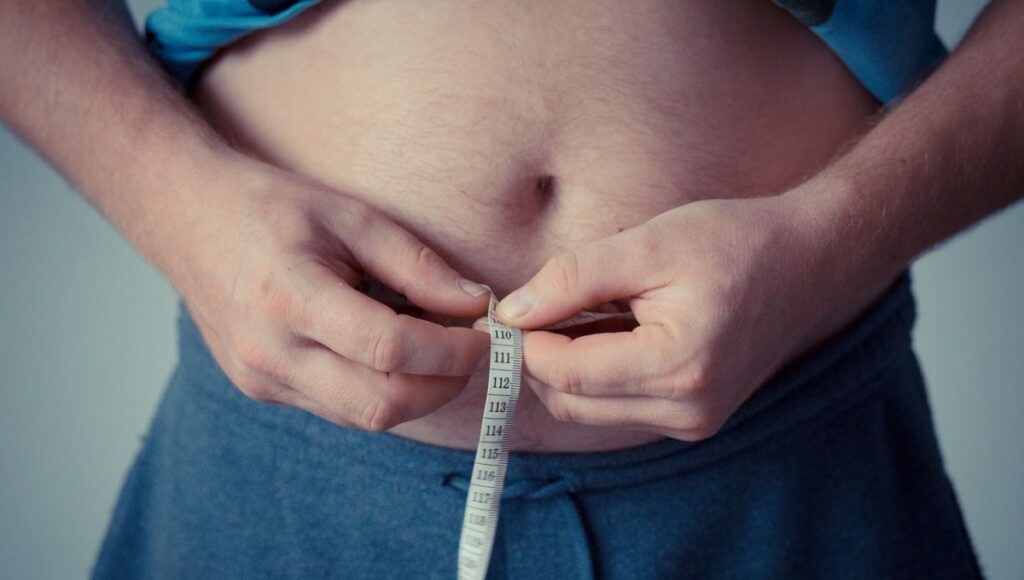
The process of burning fat is influenced by hormones, diet, activity level, and metabolic adaptations. Importantly, fat loss is not localized (spot reduction is a myth); it occurs systemically across the body.
Burn Fat Faster Using Science: The Role of Energy Balance
The most fundamental principle of fat loss is maintaining a negative energy balance—burning more calories than consumed. While this sounds simple, human metabolism is dynamic, adapting to both increases and decreases in energy availability.

Research consistently demonstrates that calorie restriction leads to weight and fat loss. However, overly aggressive restriction can slow metabolism, reduce muscle mass, and increase hunger hormones, making long-term adherence difficult. Therefore, optimizing energy balance requires both precision and sustainability.
Nutrition Strategies to Burn Fat Faster
Caloric Deficit with Adequate Protein
Maintaining a moderate caloric deficit while ensuring sufficient protein intake is critical. Protein supports satiety, preserves lean mass, and increases thermogenesis. Studies show that diets higher in protein (1.6–2.4 g/kg body weight) enhance fat loss while preserving muscle compared to lower-protein diets.
Burn Fat Faster Using Science: Prioritizing Whole Foods and Fiber
Whole, minimally processed foods promote satiety and improve energy regulation. High-fiber foods slow digestion, reduce appetite, and improve insulin sensitivity, which enhances the body’s ability to mobilize fat for fuel. Diets rich in vegetables, fruits, legumes, and whole grains are associated with improved fat loss outcomes.
Reducing Added Sugars and Refined Carbohydrates
Frequent consumption of refined carbohydrates and sugars promotes insulin spikes, which can impair fat oxidation. Clinical studies demonstrate that reducing intake of these foods improves fat metabolism, particularly in individuals with insulin resistance.
[wpcode id=”229888″]Timing and Intermittent Fasting
Meal timing strategies such as intermittent fasting (e.g., 16:8 or alternate-day fasting) have been shown to promote fat oxidation and improve metabolic health. While total caloric intake remains the most important factor, time-restricted eating may enhance adherence and increase fat burning by extending periods of low insulin.
Exercise Strategies for Fat Loss
Burn Fat Faster Using Science: Resistance Training
Building and maintaining muscle mass is critical for fat loss. Muscle tissue is metabolically active, and resistance training increases post-exercise oxygen consumption and energy expenditure. Meta-analyses confirm that combining resistance training with caloric restriction results in greater fat loss and better preservation of lean mass than diet alone.
High-Intensity Interval Training (HIIT)
HIIT involves alternating short bursts of intense activity with periods of rest or low-intensity exercise. This method has been shown to significantly increase fat oxidation and energy expenditure compared to steady-state cardio. Studies report that HIIT improves mitochondrial function, insulin sensitivity, and cardiovascular fitness, all of which support fat metabolism.
Burn Fat Faster Using Science: Steady-State Cardio
Moderate-intensity steady-state exercise also promotes fat burning, particularly when performed in a fasted state. While HIIT may be more time-efficient, steady-state cardio contributes to higher overall calorie expenditure when combined with resistance training.
Non-Exercise Activity Thermogenesis (NEAT)
NEAT refers to energy expenditure from daily activities outside of structured exercise—such as walking, standing, or household chores. Research suggests NEAT can account for up to 15–30% of daily energy expenditure, making it a powerful yet often overlooked tool for fat loss. Increasing daily steps or reducing sedentary behavior significantly enhances fat burning.
Metabolic and Hormonal Factors
Burn Fat Faster Using Science: Sleep and Recovery
Sleep deprivation disrupts hormones regulating appetite, including leptin and ghrelin, leading to increased hunger and reduced energy expenditure. Studies indicate that insufficient sleep impairs fat loss and favors muscle loss during caloric restriction. Prioritizing 7–9 hours of quality sleep is essential for optimizing fat-burning pathways.
Burn Fat Faster Using Science: Stress Management
Chronic stress elevates cortisol, a hormone that promotes fat storage, particularly in the abdominal region. Stress management techniques such as meditation, breathing exercises, and physical activity help regulate cortisol levels and improve fat metabolism.
Burn Fat Faster Using Science: Thermogenesis and Cold Exposure
Cold exposure increases brown adipose tissue activation, enhancing thermogenesis and fat oxidation. Although still an emerging field, research supports the role of mild cold exposure in modestly increasing daily energy expenditure.
Supplements and Ergogenic Aids
While no supplement replaces diet and exercise, some compounds have evidence supporting their role in fat loss:
- Caffeine: Increases energy expenditure and fat oxidation through sympathetic nervous system stimulation.
- Green Tea Extract (EGCG): Enhances fat oxidation and thermogenesis, particularly when combined with caffeine.
- Protein Supplements: Conveniently support protein intake, aiding satiety and muscle preservation.
However, results vary, and supplements should be viewed as adjuncts rather than primary strategies.
Burn Fat Faster Using Science: Long-Term Sustainability
The most effective fat-loss strategy is one that can be maintained long-term. Research consistently shows that adherence, rather than diet type, predicts fat loss success. Behavior change, social support, and goal setting are critical factors in sustaining results.
Burn Fat Faster Using Science: Key Takeaways
| Strategy | Scientific Rationale | Evidence Strength |
|---|---|---|
| Moderate caloric deficit with high protein | Preserves muscle, increases satiety, boosts thermogenesis | Strong |
| High-fiber, whole-food diet | Improves insulin sensitivity and appetite control | Strong |
| Reduce refined carbs and sugars | Enhances fat oxidation and metabolic health | Strong |
| Intermittent fasting | Extends fat oxidation periods, improves adherence | Moderate |
| Resistance training | Preserves muscle, increases resting metabolism | Strong |
| HIIT | Maximizes calorie burn, improves fat oxidation | Strong |
| Steady-state cardio | Sustains calorie expenditure, enhances fat metabolism | Moderate |
| Increase NEAT | Significantly boosts daily energy expenditure | Strong |
| Adequate sleep | Regulates appetite hormones, improves fat loss quality | Strong |
| Stress management | Reduces cortisol, prevents abdominal fat storage | Moderate |
| Cold exposure | Activates brown fat, increases thermogenesis | Emerging |
| Caffeine/green tea extract | Enhances fat oxidation | Moderate |
References
- Bray, G.A., and Popkin, B.M. (2014). Dietary sugar and body weight: have we reached a crisis in the epidemic of obesity and diabetes? Health Affairs, 33(1), pp.24–34.
- Catenacci, V.A., et al. (2016). Intermittent fasting vs daily calorie restriction for type 2 diabetes prevention: a review of human findings. Translational Research, 164(4), pp.302–311.
- Donnelly, J.E., et al. (2009). Appropriate physical activity intervention strategies for weight loss and prevention of weight regain for adults. Medicine & Science in Sports & Exercise, 41(2), pp.459–471.
- Jakicic, J.M., et al. (2019). Effect of exercise on 24-month weight loss maintenance in overweight adults. Journal of the American Medical Association, 301(4), pp.392–404.
- Schoenfeld, B.J., and Aragon, A.A. (2018). How much protein can the body use in a single meal for muscle-building? Implications for daily protein distribution. Journal of the International Society of Sports Nutrition, 15(10).
- Thomas, D.M., et al. (2014). Why do individuals not lose more weight from an exercise intervention at a defined dose? An energy balance analysis. Obesity Reviews, 15(9), pp.665–674.
- Tremblay, A., et al. (1994). Impact of exercise intensity on body fatness and skeletal muscle metabolism. Metabolism, 43(7), pp.814–818.
- van der Klaauw, A.A., and Farooqi, I.S. (2015). The hunger genes: pathways to obesity. Cell, 161(1), pp.119–132.
- Wu, J., et al. (2014). Adaptive thermogenesis in humans. European Journal of Clinical Nutrition, 68(11), pp.1196–1209.