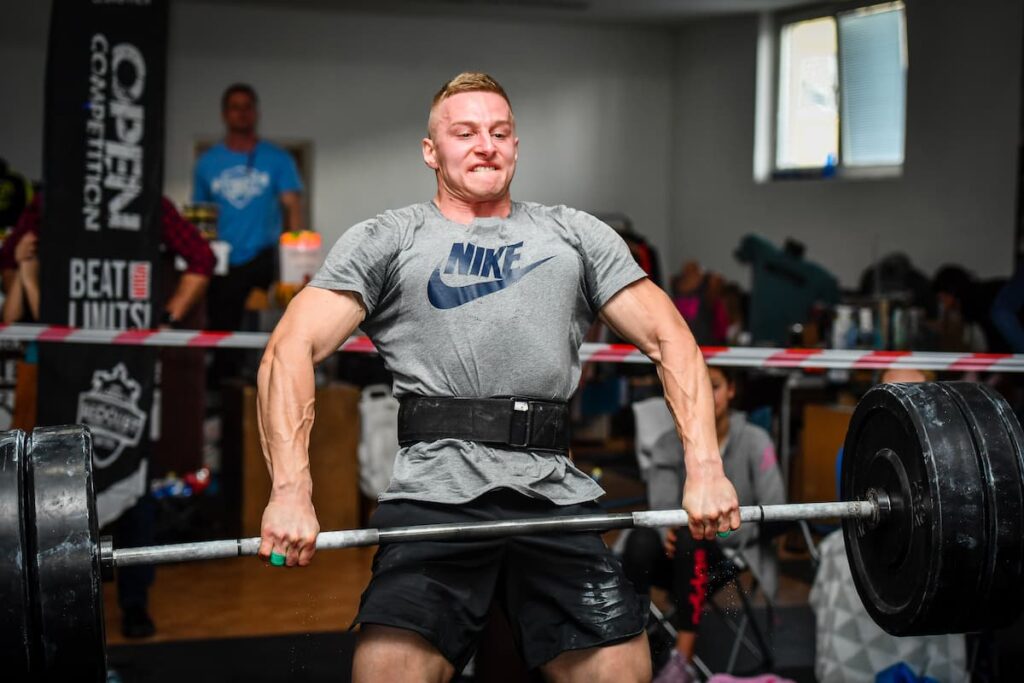
Optimal recovery after training does not end when the weights are racked or the last sprint is finished. Nutrition plays a decisive role in how quickly the body rebuilds muscle, replenishes energy, and adapts to training.
Post-workout meals must be strategically designed to maximize strength, repair, and performance. This article examines the 7 best post workout meals, each supported by scientific evidence, and explains why they are superior for strength and recovery.


Why Post Workout Nutrition Matters
Intense training disrupts muscle tissue and depletes glycogen, the stored form of carbohydrate in muscles. Recovery nutrition has two primary goals: restoring glycogen and stimulating muscle protein synthesis (MPS). Carbohydrates and proteins are the most important macronutrients in this process.
- Protein provides amino acids, particularly leucine, that activate MPS through the mTOR pathway (Phillips et al., 2016).
- Carbohydrates replenish glycogen by stimulating insulin release, which accelerates glucose uptake into muscle (Ivy, 1998).
- Fluids and electrolytes restore hydration and maintain cellular function (Sawka et al., 2007).
Combining these nutrients in the right ratios ensures optimal recovery and adaptations to training.
1. Grilled Chicken with Quinoa and Steamed Vegetables
A balanced, whole-food meal of lean protein, complex carbohydrates, and micronutrients.
Nutritional Benefits
- Chicken breast is rich in high-quality protein with a complete amino acid profile.
- Quinoa provides carbohydrates, fiber, and all essential amino acids, making it superior to many other grains.
- Vegetables supply antioxidants and micronutrients that reduce oxidative stress caused by exercise.
Scientific Evidence
Studies show that consuming lean protein and carbohydrate sources within 2 hours of exercise enhances glycogen resynthesis and promotes muscle repair (Jentjens & Jeukendrup, 2003).
2. Salmon with Sweet Potato and Spinach
A nutrient-dense option that combines protein, omega-3 fats, and slow-digesting carbohydrates.

Nutritional Benefits
- Salmon contains omega-3 fatty acids (EPA and DHA), which reduce exercise-induced inflammation and improve muscle cell signaling.
- Sweet potato delivers complex carbohydrates with a low glycemic load for sustained glycogen restoration.
- Spinach adds iron and nitrates, which improve oxygen delivery and recovery.
Scientific Evidence
Omega-3 supplementation has been shown to enhance anabolic signaling and reduce muscle soreness after exercise (Smith et al., 2011).
3. Greek Yogurt with Berries and Honey
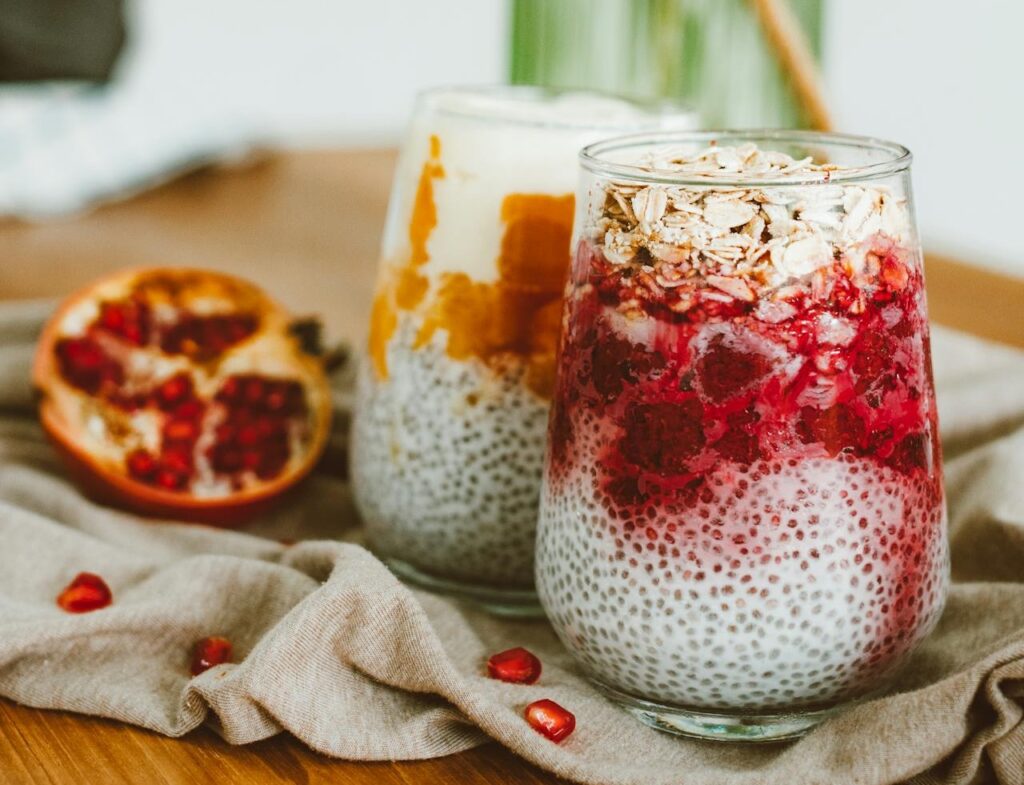
A quick, protein-rich snack ideal for those short on time.
Nutritional Benefits
- Greek yogurt offers casein and whey, a slow and fast-digesting protein combination.
- Berries provide antioxidants like anthocyanins, which reduce muscle damage.
- Honey acts as a rapid carbohydrate source to replenish glycogen.
Scientific Evidence
Dairy proteins stimulate MPS more effectively than plant proteins due to higher leucine content (Tang et al., 2009).
4. Eggs with Whole Grain Toast and Avocado

A simple, balanced meal with protein, healthy fats, and complex carbs.
Nutritional Benefits
- Eggs are highly bioavailable proteins rich in leucine.
- Whole grain toast provides complex carbohydrates and fiber.
- Avocado adds monounsaturated fats and potassium, aiding muscle function.
Scientific Evidence
Egg protein ingestion after resistance exercise significantly increases muscle protein synthesis compared to iso-nitrogenous protein substitutes (van Vliet et al., 2017).
5. Whey Protein Shake with Banana and Oats

A convenient, fast-absorbing meal for athletes on the go.
Nutritional Benefits
- Whey protein is rapidly absorbed and high in leucine.
- Banana delivers quick-digesting carbohydrates and potassium.
- Oats provide slower-releasing carbohydrates for sustained recovery.
Scientific Evidence
Whey protein stimulates MPS more effectively than casein or soy, especially when combined with carbohydrates (Tipton et al., 2004).
6. Tuna Salad with Brown Rice and Mixed Greens
A lean, high-protein meal with whole-grain carbohydrates and fiber.
Nutritional Benefits
- Tuna is rich in protein and omega-3 fatty acids with minimal fat.
- Brown rice restores glycogen steadily due to its lower glycemic index.
- Greens enhance antioxidant defenses and provide essential micronutrients.
Scientific Evidence
Combining protein and carbohydrate post-exercise accelerates glycogen resynthesis compared to carbohydrate alone (Zawadzki et al., 1992).
[wpcode id=”229888″]7. Cottage Cheese with Pineapple and Almonds
A slow-digesting protein meal ideal for evening recovery.
Nutritional Benefits
- Cottage cheese provides casein protein, which maintains amino acid availability overnight.
- Pineapple contains bromelain, an enzyme linked to reduced inflammation.
- Almonds contribute vitamin E and magnesium, both important for muscle repair.
Scientific Evidence
Casein protein consumed before sleep has been shown to increase overnight MPS and support recovery (Res et al., 2012).
Key Nutritional Principles for Post Workout Meals
Protein: Quantity and Timing
Consuming 20–40 g of high-quality protein within 2 hours post-exercise optimizes MPS (Schoenfeld & Aragon, 2018).
Carbohydrates: Restoring Glycogen
Carbohydrate needs depend on training intensity. For endurance sessions, 1.0–1.2 g/kg/hr of carbohydrate in the early recovery phase is recommended (Burke et al., 2017).
Hydration: Fluids and Electrolytes
Replacing 150% of fluid lost during training ensures full rehydration. Sodium intake accelerates fluid retention (Sawka et al., 2007).
Fats: Supporting Recovery
Although excessive fat may slow digestion, moderate amounts of healthy fats support hormone production and reduce inflammation.
Conclusion
The 7 best post workout meals combine fast- and slow-digesting proteins, strategic carbohydrate sources, and supportive micronutrients. They are backed by strong scientific evidence demonstrating improvements in muscle recovery, glycogen replenishment, and adaptation to training.
Selecting meals tailored to your training goals and lifestyle ensures optimal recovery and sustained strength gains.
Key Takeaways
| Meal | Key Nutrients | Recovery Benefits |
|---|---|---|
| Grilled Chicken with Quinoa | Lean protein, complex carbs, antioxidants | Muscle repair and glycogen restoration |
| Salmon with Sweet Potato | Protein, omega-3, slow carbs | Reduced inflammation, improved signaling |
| Greek Yogurt with Berries | Dairy protein, antioxidants, fast carbs | MPS stimulation, oxidative stress reduction |
| Eggs with Whole Grain Toast | High-quality protein, fiber, healthy fats | Muscle building and energy replenishment |
| Whey Protein Shake with Banana | Fast protein, quick + slow carbs | Rapid MPS and glycogen recovery |
| Tuna Salad with Brown Rice | Lean protein, omega-3, fiber | Sustained glycogen recovery, reduced inflammation |
| Cottage Cheese with Pineapple | Casein, bromelain, healthy fats | Overnight recovery and anti-inflammatory support |
References
- Burke, L. M., van Loon, L. J. C., & Hawley, J. A. (2017). Postexercise muscle glycogen resynthesis in humans. Journal of Applied Physiology, 122(5), 1055–1067.
- Ivy, J. L. (1998). Glycogen resynthesis after exercise: Effect of carbohydrate intake. International Journal of Sports Medicine, 19(S2), S142–S145.
- Jentjens, R., & Jeukendrup, A. (2003). Determinants of post-exercise glycogen synthesis during short-term recovery. Sports Medicine, 33(2), 117–144.
- Phillips, S. M., van Loon, L. J. C. (2016). Dietary protein for athletes: From requirements to optimum adaptation. Journal of Sports Sciences, 29(sup1), S29–S38.
- Res, P. T., Groen, B., Pennings, B., Beelen, M., Wallis, G. A., Gijsen, A. P., Senden, J. M., & van Loon, L. J. C. (2012). Protein ingestion before sleep improves post-exercise overnight recovery. Medicine & Science in Sports & Exercise, 44(8), 1560–1569.
- Sawka, M. N., Burke, L. M., Eichner, E. R., Maughan, R. J., Montain, S. J., & Stachenfeld, N. S. (2007). Exercise and fluid replacement. Medicine & Science in Sports & Exercise, 39(2), 377–390.
- Schoenfeld, B. J., & Aragon, A. A. (2018). How much protein can the body use in a single meal for muscle-building? Implications for daily protein distribution. Journal of the International Society of Sports Nutrition, 15(10).
- Smith, G. I., Atherton, P., Reeds, D. N., Mohammed, B. S., Rankin, D., Rennie, M. J., & Mittendorfer, B. (2011). Omega-3 polyunsaturated fatty acids augment muscle protein synthesis in older adults. The American Journal of Clinical Nutrition, 93(2), 402–412.
- Tang, J. E., Moore, D. R., Kujbida, G. W., Tarnopolsky, M. A., & Phillips, S. M. (2009). Ingestion of whey hydrolysate, casein, or soy protein isolate: Effects on MPS. Journal of Applied Physiology, 107(3), 987–992.
- Tipton, K. D., Elliott, T. A., Cree, M. G., Wolf, S. E., Sanford, A. P., & Wolfe, R. R. (2004). Stimulation of MPS by whey protein ingestion. Journal of Physiology, 573(1), 143–152.
- van Vliet, S., Burd, N. A., & van Loon, L. J. C. (2017). The skeletal muscle anabolic response to plant- vs. animal-based protein consumption. Nutrients, 7(9), 768.
- Zawadzki, K. M., Yaspelkis, B. B., & Ivy, J. L. (1992). Carbohydrate-protein complex increases muscle glycogen after exercise. Journal of Applied Physiology, 72(5), 1854–1859.