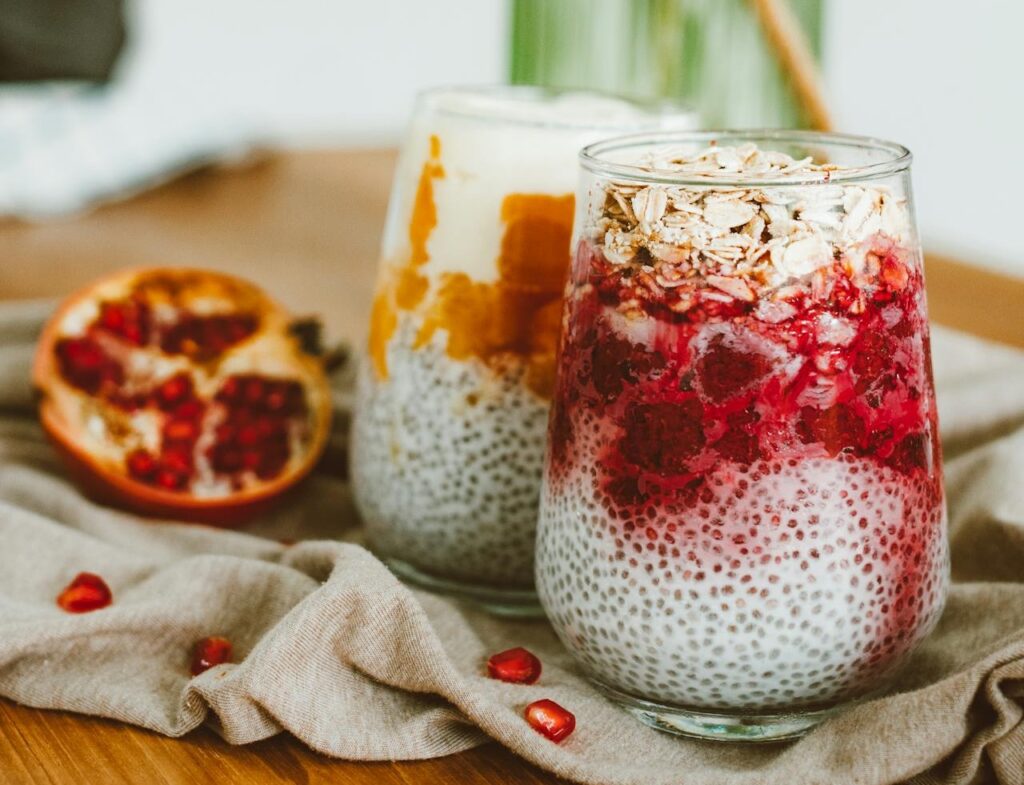
The connection between gut health and physical performance is no longer just a hunch—it is one of the most intensely researched topics in sports science and human physiology. The gut is not only responsible for digestion and nutrient absorption but also plays a critical role in immunity, inflammation, energy metabolism, and even mental focus.
For athletes and active individuals, supporting the gut can directly improve performance outcomes, recovery, and long-term health.


This article explores five gut friendly foods backed by scientific research that help optimize performance from the inside out. By incorporating these foods into a regular diet, athletes can improve digestion, reduce inflammation, support immunity, and boost endurance.
Why Gut Health Matters for Performance
The gut microbiome—comprising trillions of bacteria, fungi, and other microorganisms—acts as an internal performance enhancer when in balance. A diverse microbiota helps break down complex carbohydrates into short-chain fatty acids (SCFAs), which provide energy and regulate inflammation.
Conversely, a disrupted gut ecosystem can increase intestinal permeability (the so-called “leaky gut”), impair nutrient absorption, and elevate systemic inflammation, all of which negatively affect performance and recovery.
Studies show that endurance athletes tend to harbor specific gut bacteria that metabolize lactate and produce SCFAs, directly improving stamina and recovery capacity. For this reason, strategically eating gut friendly foods is now considered part of modern sports nutrition.
1. Fermented Foods
Role in Gut Health

Fermented foods, including yogurt, kefir, sauerkraut, kimchi, and miso, contain live probiotics—beneficial bacteria that colonize the gut. These microbes improve microbial diversity, enhance intestinal barrier function, and modulate immune responses.
Gut Friendly Foods: Impact on Performance
Clinical studies demonstrate that probiotics from fermented foods can reduce exercise-induced gastrointestinal symptoms such as cramping and diarrhea, which are particularly common in endurance athletes. Probiotics also reduce the risk of upper respiratory infections during heavy training blocks by strengthening mucosal immunity.
A randomized controlled trial found that daily probiotic supplementation reduced the duration and severity of respiratory illnesses in athletes, allowing more consistent training with fewer missed sessions. Fermented foods therefore offer a natural alternative for achieving similar outcomes through diet.
Gut Friendly Foods: Best Options
- Yogurt and kefir (with live cultures)
- Sauerkraut and kimchi
- Tempeh and miso
Consistency is key—incorporating small amounts daily is more beneficial than occasional large servings.
2. Prebiotic Fiber Foods
Role in Gut Health
Prebiotics are non-digestible fibers that serve as fuel for beneficial gut bacteria. Foods rich in prebiotics include onions, garlic, leeks, asparagus, bananas, and oats. When gut bacteria ferment these fibers, they produce SCFAs such as butyrate, acetate, and propionate, which strengthen the intestinal lining, reduce inflammation, and improve energy efficiency.
Impact on Performance
Butyrate, in particular, has been shown to improve mitochondrial function in muscle tissue, directly enhancing energy metabolism. Athletes consuming higher amounts of prebiotic fibers have been found to have more resilient gut microbiomes, better nutrient absorption, and lower levels of exercise-induced oxidative stress.
Additionally, prebiotics support mental performance by modulating the gut-brain axis. Research demonstrates that prebiotic supplementation can reduce cortisol levels and improve emotional resilience, which is critical for performance under pressure.
Best Options
- Oats and barley
- Bananas (especially slightly underripe)
- Garlic, onions, and leeks
- Asparagus and Jerusalem artichokes
These foods should be consumed regularly to create a long-term shift in the microbiome.
3. Gut Friendly Foods: Polyphenol-Rich Foods
Role in Gut Health
Polyphenols are plant compounds found in foods such as berries, green tea, dark chocolate, and pomegranates. While poorly absorbed in the small intestine, polyphenols reach the colon, where they are metabolized by gut bacteria into bioactive compounds with antioxidant and anti-inflammatory properties.
Impact on Performance
Polyphenols improve vascular function by increasing nitric oxide availability, enhancing blood flow to working muscles. They also reduce markers of muscle damage and speed recovery after intense exercise. Importantly, their interaction with gut microbes enhances microbial diversity and promotes the growth of beneficial bacteria such as Lactobacillus and Bifidobacterium.
One study on endurance athletes found that pomegranate extract improved time-to-exhaustion performance, likely due to its combined vascular and gut-mediated effects. Similarly, cocoa polyphenols have been linked to improved gut barrier integrity, reducing systemic inflammation that can hinder recovery.
Best Options
- Blueberries, raspberries, and blackberries
- Pomegranate seeds or juice
- Green tea and matcha
- Dark chocolate (minimum 70% cocoa)
These foods work synergistically with the microbiome, making them powerful performance enhancers when consumed regularly.
4. Gut Friendly Foods: Omega-3 Rich Foods
Role in Gut Health
Omega-3 fatty acids, found in fatty fish, walnuts, chia seeds, and flaxseeds, are widely recognized for their anti-inflammatory properties. Recent research highlights their role in modulating the gut microbiome by increasing bacterial diversity and promoting the growth of butyrate-producing species.
Impact on Performance
For athletes, omega-3s reduce exercise-induced inflammation, improve muscle recovery, and may even support endurance by enhancing mitochondrial efficiency. A study in elite rugby players demonstrated that omega-3 supplementation reduced markers of muscle soreness and improved neuromuscular function post-exercise.
Furthermore, omega-3 fatty acids interact with gut microbes to strengthen the gut barrier and reduce intestinal permeability, which can otherwise contribute to systemic inflammation and impaired performance.
Best Options
- Salmon, mackerel, and sardines
- Walnuts and flaxseeds
- Chia seeds and hemp seeds
Including omega-3 rich foods at least three times per week supports both gut integrity and recovery capacity.
5. Resistant Starch Foods

Role in Gut Health
Resistant starch is a unique form of carbohydrate that resists digestion in the small intestine and ferments in the large intestine, feeding beneficial gut bacteria. This fermentation process produces high levels of butyrate, a key SCFA for gut health and energy metabolism.
Impact on Performance
Resistant starch has been shown to improve insulin sensitivity and stabilize blood glucose levels, providing more consistent energy supply during endurance training. It also reduces gut inflammation, supporting resilience against gastrointestinal distress common in endurance sports.
A clinical study demonstrated that athletes who consumed resistant starch had better post-exercise glycogen replenishment, suggesting a dual benefit for both gut health and recovery.
Best Options
- Cooked and cooled potatoes
- Cooked and cooled rice
- Green bananas
- Lentils and beans
These foods provide a steady release of fuel while supporting gut microbial health, making them ideal for both training and recovery phases.
Putting It All Together: A Gut Friendly Diet for Athletes
Athletes should not view gut friendly foods as add-ons but as integral to their daily nutrition strategy. A balanced diet incorporating fermented foods, prebiotic fibers, polyphenol-rich plants, omega-3 fatty acids, and resistant starch creates a synergistic effect. Together, these foods:
- Enhance nutrient absorption
- Strengthen gut barrier integrity
- Reduce systemic inflammation
- Improve mental and physical resilience
- Support faster recovery and better endurance
Consistency, rather than perfection, is the key to leveraging gut friendly foods for performance. Over time, these dietary habits shape a microbiome that works for the athlete, not against them.
Key Takeaways
| Food Group | Mechanism of Action | Performance Benefit | Best Sources |
|---|---|---|---|
| Fermented Foods | Introduce probiotics, enhance microbial diversity | Reduce GI distress, strengthen immunity | Yogurt, kefir, sauerkraut, kimchi |
| Prebiotic Fibers | Feed beneficial bacteria, increase SCFA production | Improve energy metabolism, reduce stress | Oats, garlic, bananas, asparagus |
| Polyphenol-Rich Foods | Support microbial diversity, antioxidant effects | Enhance blood flow, reduce muscle damage | Berries, pomegranate, dark chocolate |
| Omega-3 Rich Foods | Modulate microbiome, reduce inflammation | Support recovery, strengthen gut barrier | Salmon, chia seeds, walnuts |
| Resistant Starch | Produce butyrate, improve insulin sensitivity | Stabilize energy, improve glycogen recovery | Cooked/cooled potatoes, lentils, rice |
References
- Clarke, S.F., Murphy, E.F., O’Sullivan, O., et al., 2014. Exercise and associated dietary extremes impact on gut microbial diversity. Gut, 63(12), pp.1913–1920.
- Jäger, R., Mohr, A.E., Carpenter, K.C., et al., 2019. International Society of Sports Nutrition position stand: probiotics. Journal of the International Society of Sports Nutrition, 16(1), p.62.
- Koh, A., De Vadder, F., Kovatcheva-Datchary, P., and Bäckhed, F., 2016. From dietary fiber to host physiology: short-chain fatty acids as key bacterial metabolites. Cell, 165(6), pp.1332–1345.
- Morita, E., Yokoyama, H., Imai, D., et al., 2019. Effects of exercise and prebiotic supplementation on the gut microbiota in humans. Scientific Reports, 9, p.12304.
- Mach, N. and Fuster-Botella, D., 2017. Endurance exercise and gut microbiota: a review. Journal of Sport and Health Science, 6(2), pp.179–197.
- Nieman, D.C., Gillitt, N.D., Henson, D.A., et al., 2013. Bananas as an energy source during exercise: a metabolomics approach. PLoS One, 8(5), p.e56144.
- Sánchez-Calvo, J.M., Rodríguez-Iglesias, M.A., Molinillo, J.M.G., and Macías, F.A., 2020. Bioactive flavonoids in functional food and nutraceuticals: Structure-activity relationship and bioavailability. Nutrients, 12(9), p.2546.
- Black, K.E., Witard, O.C., Baker, D., et al., 2018. Adding omega-3 fatty acids to a protein-based supplement during pre-season training in professional rugby union players: A randomized, double-blind, placebo-controlled trial. European Journal of Sport Science, 18(10), pp.1357–1367.
- Bindels, L.B., Delzenne, N.M., Cani, P.D., and Walter, J., 2015. Towards a more comprehensive concept for prebiotics. Nature Reviews Gastroenterology & Hepatology, 12(5), pp.303–310.
- Birt, D.F., Boylston, T., Hendrich, S., et al., 2013. Resistant starch: Promise for improving human health. Advances in Nutrition, 4(6), pp.587–601.