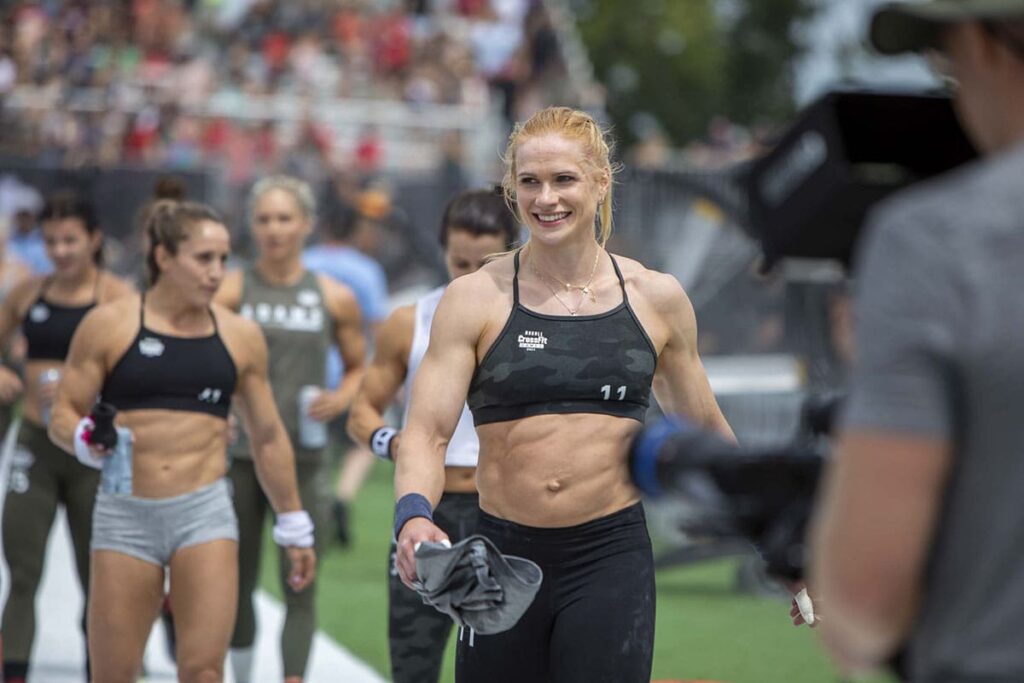
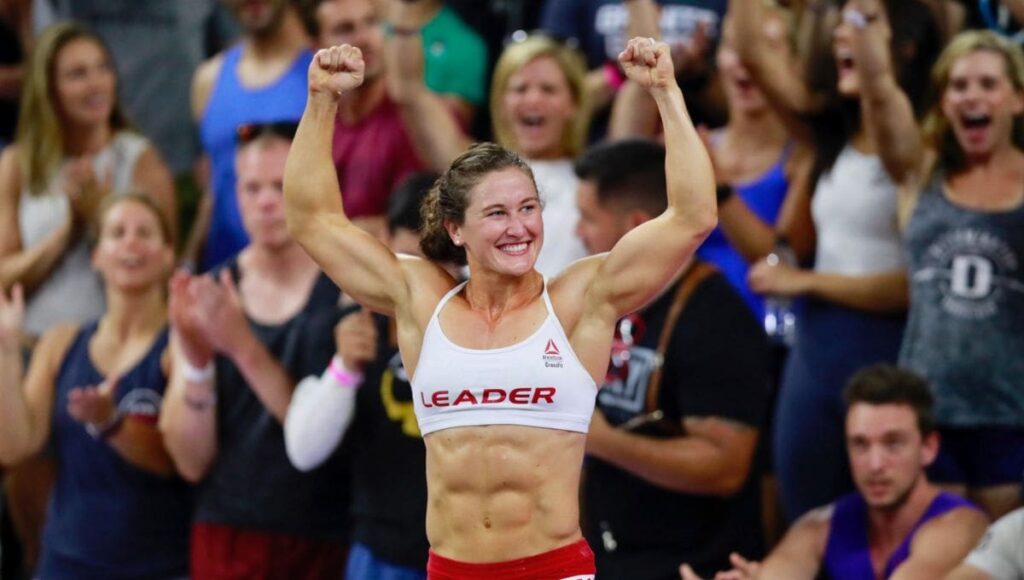
Building strong, well-defined upper abs requires more than just random crunches. Targeted exercises, supported by scientific understanding of abdominal anatomy and training principles, can help you develop definition and function in this region.

This article explores seven of the most effective upper ab moves, why they work, and how to execute them correctly, backed by evidence from sports science and physiology.


Anatomy of the Upper Abs
The “upper abs” are not a separate muscle group. They refer to the upper portion of the rectus abdominis, the long paired muscle running from the pubic symphysis to the sternum. The rectus abdominis is segmented by tendinous intersections, giving the “six-pack” appearance. While the muscle contracts as a whole, electromyographic (EMG) studies demonstrate that different regions can show higher activation depending on the exercise performed. For example, crunching motions preferentially activate the upper portion, whereas leg raises emphasize the lower portion (Park et al., 2014).
Understanding this distinction is key to choosing the right upper ab moves for definition.
Training Principles for Upper Ab Development
Before detailing the seven exercises, it’s essential to understand three principles:
- Progressive overload: Like any muscle, the rectus abdominis requires increased stimulus over time to grow and define (Schoenfeld et al., 2017).
- Movement specificity: Exercises that involve thoracic spinal flexion—bringing the rib cage toward the pelvis—tend to emphasize upper ab activation (Lehman & McGill, 2001).
- Low body fat levels: Abdominal definition is primarily revealed through reduced subcutaneous fat, requiring nutritional strategies and overall energy balance (Ross & Janssen, 2001).
With these fundamentals in mind, let’s examine the seven most effective upper ab moves.
1. Upper Ab Moves – Standard Crunch
The crunch remains the most researched and validated upper ab move. Unlike a sit-up, which recruits hip flexors extensively, the crunch isolates thoracic flexion, maximizing rectus abdominis activation.
How to Perform:
- Lie on your back with knees bent, feet flat.
- Cross arms over chest or lightly support the head.
- Curl the shoulders and upper back off the floor, keeping lower back in contact.
- Pause briefly, then slowly return.
Evidence:
Lehman and McGill (2001) showed that crunches elicit significantly greater rectus abdominis activation compared to sit-ups, particularly in the upper portion.
2. Upper Ab Moves – Reverse Crunch with Upper Emphasis
While the reverse crunch is traditionally considered a lower ab exercise, modifying the movement by combining a crunching action increases upper ab involvement.
How to Perform:
- Begin supine, knees bent at 90 degrees.
- Pull knees toward chest while simultaneously curling shoulders off the ground.
- Focus on bringing sternum toward pelvis.
Evidence:
Contreras et al. (2010) demonstrated that compound crunch variations combining thoracic and pelvic flexion engage the rectus abdominis comprehensively.
3. Upper Ab Moves – Cable Crunch
Using resistance allows progressive overload, making the cable crunch a powerful hypertrophy tool.
How to Perform:
- Attach a rope handle to a high pulley.
- Kneel facing the machine, holding rope behind the neck.
- Flex spine, bringing elbows toward thighs.
- Control the return phase.
Evidence:
Escamilla et al. (2010) reported that cable crunches, when performed correctly, generate high rectus abdominis activation due to external load and controlled spinal flexion.
4. Upper Ab Moves – Stability Ball Crunch
The instability of the ball increases core demand and allows a greater range of motion compared to floor crunches.
How to Perform:
- Sit on a stability ball, walk feet forward until lower back rests on the ball.
- Cross arms or place hands behind head.
- Curl trunk upward until upper abs contract strongly.
- Lower slowly into spinal extension for a stretch.
Evidence:
Vera-Garcia et al. (2000) found that stability ball crunches activate abdominal musculature more than traditional crunches due to increased instability and ROM.

5. Weighted Decline Crunch
The decline bench increases gravitational resistance and range of motion, especially when adding load.
How to Perform:
- Lie on a decline bench, secure feet.
- Hold a plate or dumbbell on chest.
- Curl shoulders toward pelvis with control.
- Avoid pulling with arms or straining neck.
Evidence:
Schoenfeld et al. (2017) confirmed that external resistance enhances muscle hypertrophy in core training, provided form and spinal health are preserved.
6. Toe Touches
Toe touches combine trunk flexion with an isometric hold, creating high tension in the upper abs.
How to Perform:
- Lie on back with legs extended vertically.
- Reach hands toward toes, curling upper back off the ground.
- Pause briefly at the top.
- Slowly lower.
Evidence:
EMG research by Park et al. (2014) showed high rectus abdominis activity during straight-leg vertical crunches, making toe touches highly effective for upper abs.
7. Hanging Knee Raise with Crunch
Although often considered a lower ab exercise, adding a forward crunch at the top recruits the upper abs significantly.
How to Perform:
- Hang from a bar with overhand grip.
- Raise knees toward chest.
- At top, curl trunk forward, bringing rib cage toward pelvis.
- Lower slowly.
Evidence:
Youk & Lee (2019) observed that combining hip flexion with spinal flexion produces synergistic activation of rectus abdominis regions, particularly in advanced athletes.
Additional Considerations
Training Frequency
Research supports training abs 2–3 times per week for optimal results, allowing recovery while providing adequate stimulus (Gentil et al., 2015).
Rep Ranges
Higher-rep ranges (15–20) are common for ab training, but incorporating weighted moves allows hypertrophy in the 8–12 rep range (Schoenfeld, 2010).
Breathing
Exhaling during the concentric phase enhances core bracing and contraction intensity (McArdle et al., 2014).
Injury Prevention
Excessive spinal flexion under heavy load can increase lumbar strain. Exercises should be executed with controlled tempo and without jerking motions (McGill, 2002).
Conclusion
Building defined upper abs requires a combination of targeted upper ab moves, progressive overload, and body composition management. The seven exercises outlined—standard crunch, reverse crunch with upper emphasis, cable crunch, stability ball crunch, weighted decline crunch, toe touches, and hanging knee raise with crunch—offer a comprehensive approach supported by science. Incorporating these moves into a structured program can maximize rectus abdominis development and definition.
Key Takeaways
| Exercise | Primary Benefit | Scientific Evidence |
|---|---|---|
| Standard Crunch | Isolates thoracic flexion; strong upper ab activation | Lehman & McGill, 2001 |
| Reverse Crunch with Upper Emphasis | Engages both upper and lower abs | Contreras et al., 2010 |
| Cable Crunch | Allows progressive overload for hypertrophy | Escamilla et al., 2010 |
| Stability Ball Crunch | Greater ROM and instability challenge | Vera-Garcia et al., 2000 |
| Weighted Decline Crunch | Increased resistance and intensity | Schoenfeld et al., 2017 |
| Toe Touches | High rectus abdominis activity with isometric hold | Park et al., 2014 |
| Hanging Knee Raise with Crunch | Synergistic activation of rectus abdominis regions | Youk & Lee, 2019 |
References
- Contreras, B., Schoenfeld, B., Beardsley, C., Cronin, J. & Ogborn, D. (2010) ‘A comparison of two abdominal training exercises’, Journal of Strength and Conditioning Research, 24(6), pp.1602–1607.
- Escamilla, R.F., Babb, E., DeWitt, R., Jew, P., Kelleher, P., Burnham, T., Busch, J., D’Anna, K., Mowbray, R. & Imamura, R. (2010) ‘Electromyographic analysis of traditional and nontraditional abdominal exercises: implications for rehabilitation and training’, Journal of Orthopaedic and Sports Physical Therapy, 40(5), pp.220–230.
- Gentil, P., Oliveira, E. & Bottaro, M. (2015) ‘Time course of muscle strength and hypertrophy in response to resistance training in beginners’, Journal of Strength and Conditioning Research, 29(1), pp.108–113.
- Lehman, G.J. & McGill, S.M. (2001) ‘Quantification of the differences in electromyographic activity magnitude between the upper and lower portions of the rectus abdominis muscle’, Journal of Strength and Conditioning Research, 15(4), pp.480–485.
- McArdle, W.D., Katch, F.I. & Katch, V.L. (2014) Exercise Physiology: Nutrition, Energy, and Human Performance. Philadelphia: Wolters Kluwer.
- McGill, S.M. (2002) Low Back Disorders: Evidence-Based Prevention and Rehabilitation. Champaign, IL: Human Kinetics.
- Park, H., Lee, S. & Lee, Y. (2014) ‘Electromyographic analysis of abdominal muscle activation during various abdominal exercises’, Journal of Physical Therapy Science, 26(7), pp.1071–1074.
- Ross, R. & Janssen, I. (2001) ‘Physical activity, total and regional obesity: dose-response considerations’, Medicine & Science in Sports & Exercise, 33(6 Suppl), pp.S521–S527.
- Schoenfeld, B.J. (2010) ‘The mechanisms of muscle hypertrophy and their application to resistance training’, Journal of Strength and Conditioning Research, 24(10), pp.2857–2872.
- Schoenfeld, B.J., Ogborn, D. & Krieger, J.W. (2017) ‘Dose-response relationship between weekly resistance training volume and increases in muscle mass: A systematic review and meta-analysis’, Journal of Sports Sciences, 35(11), pp.1073–1082.
- Vera-Garcia, F.J., Grenier, S.G. & McGill, S.M. (2000) ‘Abdominal muscle response during curl-ups on both stable and labile surfaces’, Physical Therapy, 80(6), pp.564–569.
- Youk, S. & Lee, H. (2019) ‘Effect of combined hip and spinal flexion exercises on abdominal muscle activation’, Journal of Exercise Rehabilitation, 15(3), pp.386–392.