You feel a knee tighten during front squats or an elbow flare after kipping pull-ups. The joint is not catastrophic, it is just not bouncing back like it used to.
Many lifters and runners now explore biologic options for joint pain relief without surgery. One option is bone marrow concentrate, a same-day procedure that uses your own cells to support healing in damaged joint tissues.



Photo by Anastasia Shuraeva
What Bone Marrow Concentrate Is
Bone marrow concentrate, often called BMAC, is made from a small sample of your own bone marrow. Clinicians process the sample to concentrate cells and signaling proteins that can support tissue repair. Patient-friendly overviews describe BMAC as an orthobiologic used in arthritis and sports injuries affecting cartilage, tendons, and ligaments.
For functional fitness athletes, the interest is straightforward. If cartilage wears, tendons protest, or a past sprain limits training volume, a targeted injection that aims to reduce pain and improve function may help you stay consistent with strength work, conditioning, and skill practice.
Results vary, and it does not replace a sound program, but it can be part of a broader plan.
How the Procedure Works and What Recovery Looks Like
Most BMAC visits follow three steps. First, a clinician numbs a spot over the back of the pelvis, draws a small volume of bone marrow, and processes it in a centrifuge. Second, imaging such as ultrasound guides the injection into the affected joint or surrounding tissues. Third, you go home the same day, usually with mild soreness for a few days.
Many clinics allow light activity soon after, with progressive return to training over one to three weeks depending on the joint treated and your symptoms.
Athletes should plan their deload accordingly. Keep mobility work, easy aerobic sessions, and coach-approved accessory training in the schedule. Avoid heavy eccentrics and high-impact plyometrics until pain and joint irritability settle.
What the Evidence Says
Research on BMAC is growing but not uniform. A comparative study of people with knee osteoarthritis found BMAC and platelet-rich plasma produced similar improvements in pain and function out to two years. This suggests BMAC is at least on par with another common orthobiologic option for knees.
Reviews and cohort studies report symptom improvements for many patients, yet protocols differ across studies, which makes firm conclusions difficult. Expect variability in candidate selection, injection targets, and rehab plans. Honest providers will set expectations around likely relief, the need for graded loading, and the possibility of additional care if symptoms persist.
Early data in tendinopathy and focal cartilage lesions is encouraging, but sample sizes are small and effect sizes vary. Imaging guidance appears to improve placement accuracy. Placebo response can be meaningful, so patient selection and rehab matter. Insurance coverage is inconsistent, and costs differ by clinic. Several randomized trials are in progress.
Who Might Consider It
BMAC may be reasonable to discuss if you have persistent joint pain from early to moderate osteoarthritis or overuse injuries that have not responded to a solid block of conservative care, including strength work, technique changes, sleep, and nutrition. It is not a quick fix for severe deformity or advanced joint collapse, and it is not a substitute for fundamental training hygiene.
Endurance athletes with knee or ankle irritation, lifters with hip or shoulder pain during deep ranges, and masters athletes with morning stiffness are typical profiles. A thorough assessment should rule out red flags, confirm the pain generator, and map an aftercare plan that supports your goals.
Safety, Standards, and Smart Questions
BMAC uses your own tissue, so serious adverse events are uncommon, but any procedure carries risk. Ask about imaging guidance, sterile technique, and post-injection rehab. Clarify whether your case fits clinic inclusion criteria, what outcomes they track, and how they define success.
Reliable clinics anchor their approach to published evidence and standardize preparation and dosing, rather than relying on vague claims.
Good questions for your consult:
- What diagnosis best explains my pain and how did you confirm it
- What is the expected timeline for pain reduction and function gains
- How will my training be progressed week by week after the injection
- What are the alternatives if BMAC does not help enough
How to Integrate BMAC With Training
Think in phases. In the first week, prioritize sleep, light cyclical work, and range of motion. Weeks two to four, add isometrics and controlled tempo lifts that do not spike symptoms.
When daily activities and simple training are comfortable, reintroduce compound lifts and sport-specific drills. Track RPE, volume, and next-day stiffness to guide progression. A coach and clinician who communicate can keep you moving without losing the gains you just paid for.
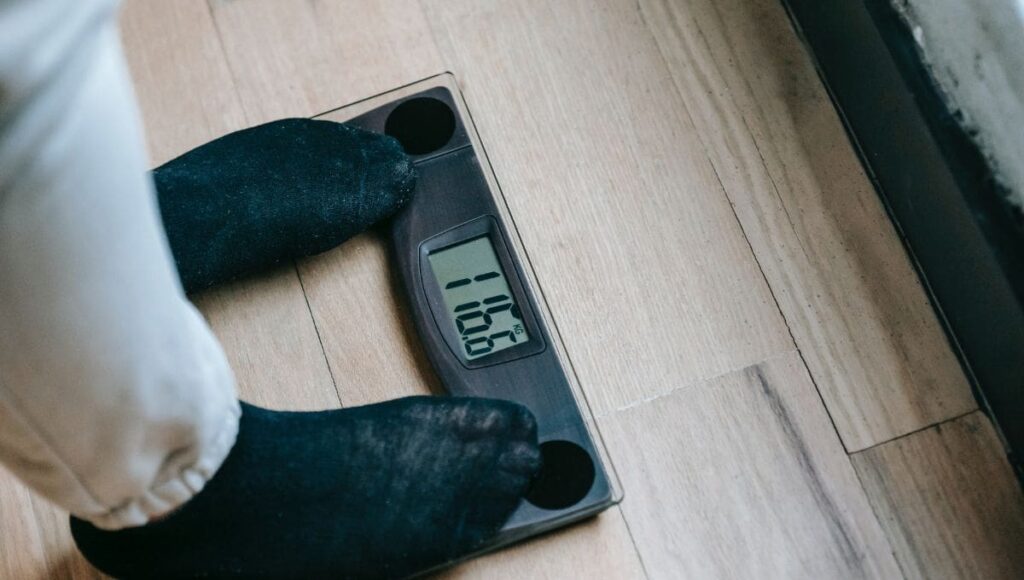
A nutrition check helps as well. Keep protein intake steady, monitor body mass if weight-bearing joints are involved, and treat alcohol like a performance limiter during recovery. None of this replaces the procedure, it makes the response more consistent.

Photo by Quyn Phạm
Conclusion
Bone marrow concentrate is a credible non-surgical option for active people who want to keep training while addressing stubborn joint symptoms. Learn what the procedure involves, understand the evidence, and pair it with disciplined rehab and smart programming. If you choose it, plan your training blocks so the joint and your goals line up.
Work with a clinician and coach who share information, agree on benchmarks, and adjust loads based on symptoms. Track simple metrics such as morning stiffness, session RPE, and next day function. Budget for follow up care, including physical therapy. Progress patiently. The aim is fewer setbacks and more consistent time under the bar.