You see more older athletes on the gym floor, in the park, and at local competitions. Many train hard, eat well, and live independently. They also want quick help if a fall or faint spell happens.
That is where medical alert devices come in. Brands like Life Assure give active seniors simple gear that works at home and on the move. Used well, these tools add a quiet layer of safety so training can stay focused and fun.


Why Active Seniors Benefit
Training days are full of movement, from kettlebell swings to step-ups and rower intervals. Balance, blood pressure, and hydration can change with age and hard effort. A small trip on a curb, a dizzy spell after a tough set, or a cramp on a trail can turn into a bigger problem if you are alone.

A medical alert device shortens the time between a mishap and help. Press a button, talk to trained staff, and share your location. If your plan includes fall detection and GPS, support can start even if you cannot speak. The goal is not to limit training, it is to reduce risk while you keep moving.
Features That Match an Active Life
Look for water resistance so you can keep the device on during sweaty WODs and rainy walks. A pendant with two-way voice helps you talk hands free if you feel off mid-session.
If you often train outside, GPS tracking can guide help to a trailhead or park bench. Fall detection adds another net during stair work or balance drills.
Battery life matters. Choose a unit that lasts through a busy day and charges overnight. Simple chargers make daily use easier. A bright, easy button is key when you are tired after intervals. If you have arthritis, check that the pendant shape is easy to grip.
Use It During Training
Treat the device like your jump rope or wrist wraps. Put it on before warm-up and keep it on until cool-down. For barbell work, a pendant worn under a shirt reduces snag risk. For rowing, biking, and long walks, a lanyard that sits flat works well. For yoga, tuck it inside a top so it stays in place.
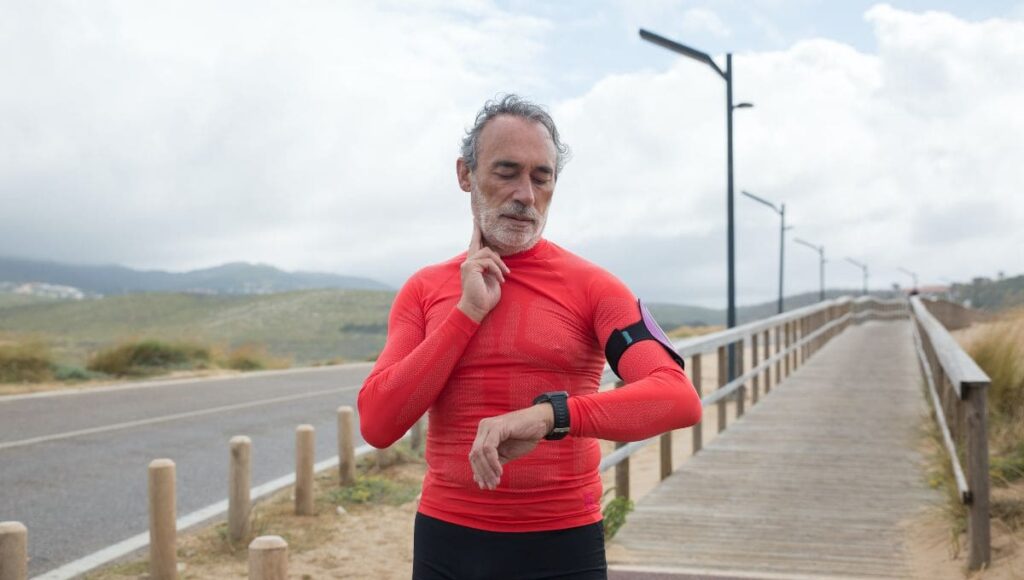
Pick one or two “check points” where you pause and notice how you feel, such as right after strength sets and again after conditioning. If something feels wrong, press the button early. It is better to call and cancel than to wait too long.
Set Up and Wear It Right
Good setup makes the device low effort. Add your home address, common training spots, and a primary contact. Save your medications and any allergies. Test the two-way voice so you know the sound level in your living room, garage gym, and backyard.
Wear the pendant on a durable cord or chain. If you prefer a clip, test it with burpees, step-ups, and get-ups to check that it stays secure. Clean sweat and chalk off the device after each session. Set a weekly time to test the button and confirm the battery level.
Outdoor and Travel Use
Many athletes enjoy parkruns, hiking groups, and community events. Before heading out, charge the unit and confirm cell coverage on your route. For trail days, keep the device outside your pack for clear signal and quick access. Share your plan with a friend and set a return time.
For short trips, take the charger and a spare cord. If your device uses a base station at home, ask support about on-the-go options and how they switch between home range and wide-area coverage.
Fall Detection, Balance, and Recovery
Automatic fall detection uses motion sensors to spot sudden changes that look like a fall. It is not perfect, so keep the button within reach. You can reduce false alerts by wearing the pendant close to the chest and avoiding loose swings during dynamic moves.
Pair the device with balance work two to three days a week. Simple drills, such as single-leg stands and step-ups, help lower fall risk.
The CDC suggests older adults aim for at least 150 minutes of moderate activity each week, plus strength and balance. That volume supports heart health, bone strength, and stability, which makes falls less likely.
Comfort, Privacy, and Cost Basics
Comfort decides whether you will wear it daily. Try a few cord lengths, check skin contact points, and make small adjustments so it fades into the background during movement. If you swim or sweat a lot, confirm the water rating and cleaning steps.
Ask how the company protects your data. A clear policy should explain who can access your info and when. Many services offer monthly plans without long commitments or setup fees. Compare what is included, such as fall detection and GPS, so you do not pay for extras you will not use.
Build Your Support Circle
Share your plan with your spouse, adult child, neighbor, or coach. Save their numbers as contacts with clear labels. Show them how the device works and when the monitoring team might call. If you train at a gym, tell a coach where you keep the pendant during sessions.
Keep an index card in your gym bag with your device number, medical info, and emergency contacts. A small step like this helps others help you faster.
A Simple Setup Checklist
Start with a quick checklist to lock in the basics. Charge fully, wear-test during a workout, confirm voice quality in a noisy room, and run a button test call. Add contacts, medications, and your common training locations. Mark a weekly five-minute slot to clean the device, check battery status, and review contacts.
Round out your routine with hydration, a light snack before long sessions, and a short cool-down walk. Review any dizziness, trips, or near-falls in a small notebook. Patterns help you and your clinician adjust training or meds.
For balanced, joint-friendly activity ideas, see overviews on strength, cardio, and flexibility from sources like Healthline.

Keep Moving With Confidence
A medical alert device will not lift the weight or finish the last 400 meters for you, it simply adds quick access to help when you need it. Set it up well, wear it during training and outings, and loop in a few trusted people.
With that layer in place, you can keep building strength, balance, and stamina while living the independent life you enjoy.