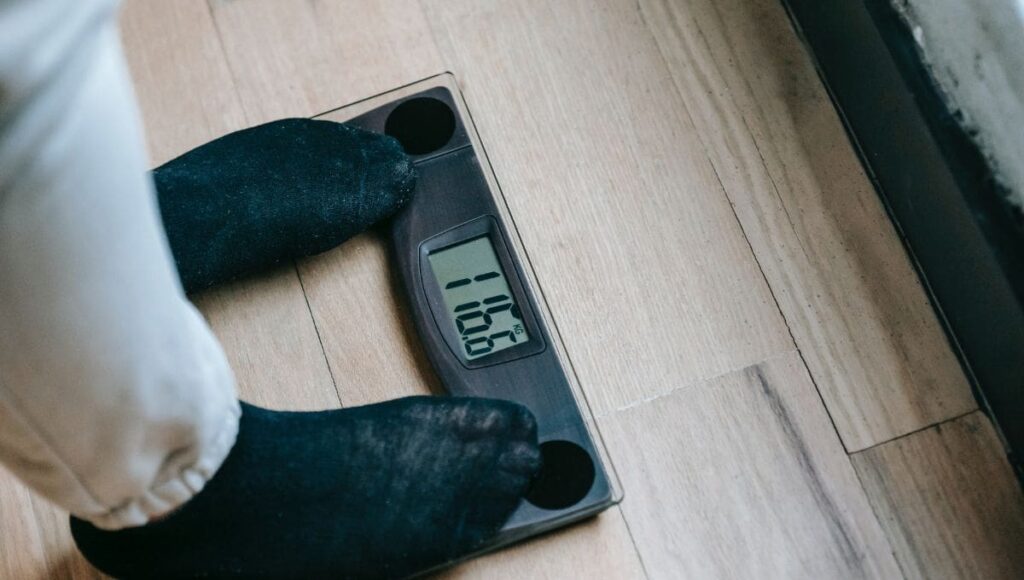
Losing belly fat is one of the most common fitness goals—and one of the most misunderstood. Contrary to popular belief, you can’t “spot-reduce” fat from a specific area, but you can create the right conditions for your body to burn more fat overall, including visceral fat around your abdomen.
Below are five science-backed strategies that accelerate fat loss, supported by research in exercise physiology, endocrinology, and nutrition science.


1. Prioritize High-Intensity Interval Training (HIIT)
Why HIIT Works for Fat Loss
High-Intensity Interval Training (HIIT) is repeatedly shown to be one of the most effective forms of exercise for reducing body fat, particularly visceral abdominal fat. HIIT alternates short bursts of intense exercise with brief recovery periods, pushing your body to burn more calories during and after training due to the “afterburn” effect—also known as excess post-exercise oxygen consumption (EPOC).

A meta-analysis in Sports Medicine found that HIIT can significantly reduce both total and abdominal fat compared to moderate-intensity continuous training (MICT) (Keating et al., 2017). This happens because HIIT enhances mitochondrial density and increases lipolytic hormone response—specifically epinephrine and norepinephrine—promoting fat oxidation (Boutcher, 2011).
How to Apply It
To maximize results, aim for two to four HIIT sessions per week. A typical workout might include:
- 30 seconds of all-out effort (sprints, cycling, burpees)
- 90 seconds of active rest (walking or slow cycling)
- Repeat for 15–20 minutes
Consistency matters more than intensity extremes—ensure proper recovery and progressive overload.
2. Focus on Strength Training to Build Lean Mass

The Role of Muscle in Fat Metabolism
Resistance training doesn’t just build strength—it transforms your metabolism. Muscle tissue is metabolically active, meaning it burns calories even at rest. Research in The Journal of Applied Physiology found that resistance training increases resting metabolic rate by up to 7% after 10 weeks of consistent training (Campbell et al., 1994).
Additionally, strength training improves insulin sensitivity and glucose utilization. Enhanced insulin sensitivity promotes better fat metabolism, especially in the abdominal region where insulin-resistant adipocytes tend to accumulate (Irvine & Taylor, 2009).
Program Design for Fat Loss
For optimal fat reduction, structure workouts to include:
- Compound movements: squats, deadlifts, presses, and rows.
- 3–4 sets per exercise at 8–12 reps.
- Minimal rest (30–60 seconds) to maintain metabolic stress.
Combining resistance training with HIIT enhances body recomposition—reducing fat while preserving or increasing muscle mass.
3. Adjust Nutrition to Target Visceral Fat Reduction
Caloric Deficit with Macronutrient Precision
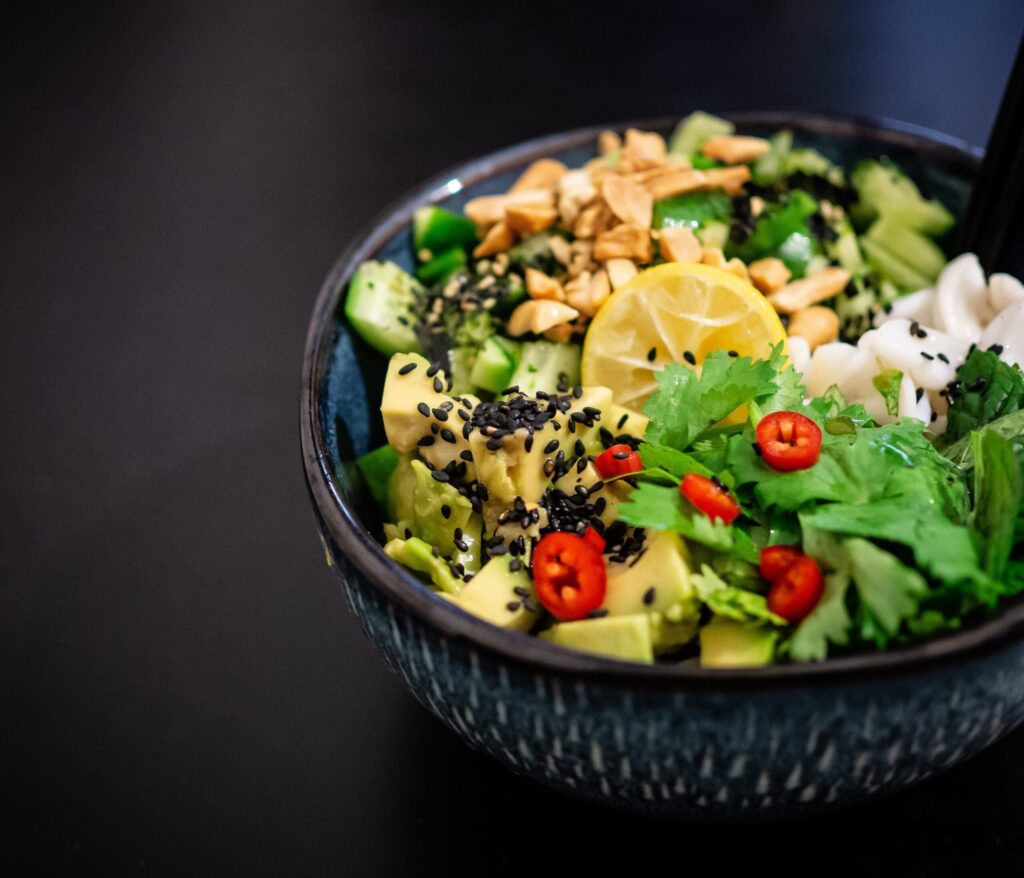
Fat loss fundamentally depends on energy balance. However, the composition of your diet determines how effectively you lose fat without losing muscle. Studies show that a moderate caloric deficit (approximately 500 kcal/day) is ideal for sustainable fat loss without compromising lean mass (Weiss et al., 2017).
Protein intake is critical: consuming 1.6–2.2 g/kg of body weight per day supports muscle maintenance and satiety. Protein increases thermogenesis and helps regulate appetite via peptide YY and GLP-1 signaling (Leidy et al., 2015).
Limit Added Sugars and Refined Carbohydrates
Diets high in refined sugars and processed carbohydrates lead to higher insulin levels and greater abdominal fat deposition. Research published in The Journal of Clinical Investigation demonstrated that excessive fructose intake promotes visceral adiposity independently of caloric intake (Stanhope et al., 2009).
Incorporate Fiber and Whole Foods
Dietary fiber, especially soluble fiber, slows digestion and stabilizes blood sugar. A study in Obesity found that each 10 g increase in soluble fiber intake was associated with a 3.7% reduction in visceral fat over five years (Hairston et al., 2012). Whole grains, legumes, and vegetables should form the basis of your carbohydrate intake.
4. Optimize Sleep and Manage Stress Hormones

The Cortisol Connection
Cortisol, the primary stress hormone, directly influences fat storage—particularly around the abdomen. Chronic elevation of cortisol increases gluconeogenesis and insulin resistance, signaling the body to store more fat centrally (Epel et al., 2000). This “stress belly” effect is well-documented in both human and animal studies.
Sleep: The Fat-Loss Multiplier
Insufficient sleep disrupts appetite-regulating hormones leptin and ghrelin, leading to increased hunger and cravings for high-calorie foods. A landmark study in Annals of Internal Medicine showed that individuals sleeping 5.5 hours per night lost 55% less fat compared to those sleeping 8.5 hours, despite identical caloric restriction (Nedeltcheva et al., 2010).
Strategies for Better Sleep and Lower Stress
- Aim for 7–9 hours of sleep per night.
- Maintain a consistent sleep schedule and avoid blue light exposure before bedtime.
- Integrate stress-reduction techniques such as mindfulness, breathing exercises, or low-intensity yoga.
- Avoid late-night caffeine or alcohol, which interfere with sleep architecture.
5. Maintain Metabolic Health with Lifestyle Habits
Move More Throughout the Day
Non-Exercise Activity Thermogenesis (NEAT)—the calories you burn through everyday movement—plays a major role in fat balance. Research in Mayo Clinic Proceedings highlighted that individuals with higher NEAT levels can burn up to 2,000 additional calories per day compared to sedentary individuals (Levine et al., 2005).
Simple strategies include:
- Taking walking breaks every hour.
- Using stairs instead of elevators.
- Parking farther away or walking to errands.
Stay Hydrated for Metabolic Efficiency
Water plays a direct role in lipolysis. A study in The Journal of Clinical Endocrinology & Metabolism found that drinking 500 mL of water increased metabolic rate by 30% within 30 minutes, primarily through sympathetic nervous system activation (Boschmann et al., 2003). Staying hydrated ensures optimal cellular function and fat oxidation.

Moderate Alcohol Consumption
Excess alcohol intake contributes directly to abdominal fat gain. Ethanol metabolism suppresses lipid oxidation, forcing the body to prioritize alcohol breakdown before burning fat (Siler et al., 1999). Limiting intake to one to two drinks per week or abstaining entirely enhances hormonal balance and caloric control.
Integrating the Five Tips for Sustainable Results
The most effective approach combines all five strategies into a holistic program. Fat loss is a physiological adaptation driven by consistent energy balance, hormonal regulation, and muscular activity. Here’s how to integrate them practically:
- Perform 3–4 strength training sessions and 2 HIIT workouts weekly.
- Maintain a mild caloric deficit with high protein and whole-food carbohydrates.
- Sleep at least 7 hours nightly and reduce stress exposure.
- Stay active daily with frequent movement breaks.
- Track progress through waist circumference, not just scale weight.
Remember: quick fat loss is achievable, but sustainability comes from behavioral consistency, not extremes.
Common Myths About Belly Fat
Myth 1: You Can Burn Fat from Specific Areas
Spot reduction has been disproven in multiple controlled studies. Localized fat loss does not occur simply by training the muscles under fat deposits (Vispute et al., 2011). Fat loss happens systemically—your body draws from overall fat stores based on genetics and hormonal balance.
Myth 2: Fad Diets Speed Up Fat Loss
Keto, intermittent fasting, and low-carb diets can help some individuals—but only insofar as they create a caloric deficit. No diet inherently burns belly fat faster without sustained adherence and total energy balance control (Hall et al., 2016).
Myth 3: Fat Burners and Detoxes Work
Most “fat-burning” supplements rely on caffeine or thermogenic agents that have minimal effects on total energy expenditure. Detox products have no proven mechanism for reducing adipose tissue (Onakpoya et al., 2011). Focus on evidence-based lifestyle strategies instead.
Conclusion
Belly fat loss requires precision—not shortcuts. Combining HIIT, resistance training, optimal nutrition, stress management, and daily activity forms a scientifically sound approach that targets visceral fat and improves long-term metabolic health.
Every tip presented here is backed by peer-reviewed evidence, ensuring your efforts yield sustainable, measurable results.
Key Takeaways
| Tip | Key Mechanism | Supporting Evidence | Practical Action |
|---|---|---|---|
| HIIT Training | Boosts post-exercise metabolism (EPOC) | Keating et al., 2017; Boutcher, 2011 | 2–4 sessions/week of 20 min HIIT |
| Strength Training | Increases resting metabolic rate | Campbell et al., 1994 | 3–4 full-body sessions/week |
| Nutrition Optimization | Caloric deficit with high protein | Weiss et al., 2017; Leidy et al., 2015 | 1.6–2.2 g/kg protein; whole foods |
| Sleep & Stress | Regulates cortisol and appetite hormones | Epel et al., 2000; Nedeltcheva et al., 2010 | 7–9 hrs sleep; stress reduction |
| Daily Activity & Hydration | Boosts NEAT and fat oxidation | Levine et al., 2005; Boschmann et al., 2003 | Move frequently; 2–3 L water/day |
Bibliography
- Boutcher, S.H. (2011). High-intensity intermittent exercise and fat loss. Journal of Obesity, 2011, 868305.
- Boschmann, M., et al. (2003). Water-induced thermogenesis. The Journal of Clinical Endocrinology & Metabolism, 88(12), 6015–6019.
- Campbell, W.W., et al. (1994). The effect of resistance training on energy expenditure and fat oxidation. Journal of Applied Physiology, 78(3), 804–811.
- Epel, E.S., et al. (2000). Stress and body shape: Stress-induced cortisol secretion and fat distribution in women. Psychosomatic Medicine, 62(5), 623–632.
- Hairston, K.G., et al. (2012). Dietary fiber intake and changes in abdominal fat. Obesity, 20(9), 1743–1748.
- Hall, K.D., et al. (2016). Energy expenditure and body composition changes after an isocaloric ketogenic diet. American Journal of Clinical Nutrition, 104(2), 324–333.
- Irvine, C. & Taylor, N. (2009). Insulin sensitivity and fat distribution in resistance training. Metabolism, 58(8), 1089–1098.
- Keating, S.E., et al. (2017). Effect of HIIT vs. MICT on body composition. Sports Medicine, 47(3), 489–509.
- Leidy, H.J., et al. (2015). The role of protein in weight management. American Journal of Clinical Nutrition, 101(6), 1263–1271.
- Levine, J.A., et al. (2005). Non-exercise activity thermogenesis (NEAT): Environment and biology. Mayo Clinic Proceedings, 80(7), 1021–1030.
- Nedeltcheva, A.V., et al. (2010). Sleep curtailment and fat loss. Annals of Internal Medicine, 153(7), 435–441.
- Onakpoya, I.J., et al. (2011). The efficacy of weight loss supplements: A systematic review. International Journal of Obesity, 35(9), 1219–1228.
- Siler, S.Q., et al. (1999). Alcohol’s effect on fat metabolism. The American Journal of Clinical Nutrition, 69(5), 1058–1063.
- Stanhope, K.L., et al. (2009). Consuming fructose-sweetened beverages increases visceral adiposity. The Journal of Clinical Investigation, 119(5), 1322–1334.
- Vispute, S.S., et al. (2011). The effect of abdominal exercise on abdominal fat. Journal of Strength and Conditioning Research, 25(9), 2559–2564.
- Weiss, E.P., et al. (2017). Caloric restriction and lean mass preservation. Obesity, 25(11), 1864–1870.