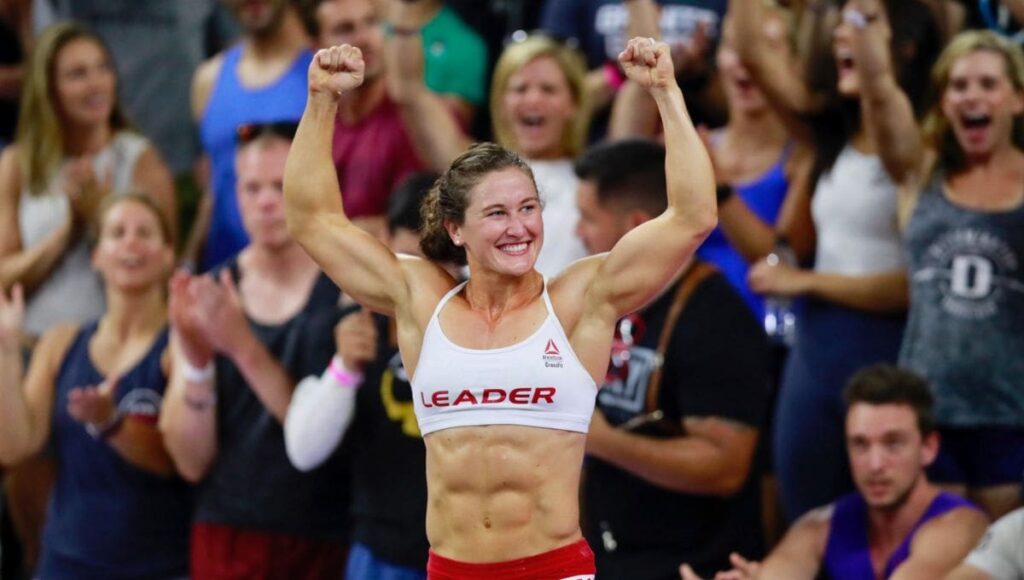
Building great abs is not just about endless crunches or fancy gym equipment. It’s a science-driven process involving muscle physiology, nutrition, and metabolic optimization. Whether your goal is to achieve visible six-pack definition or enhance core performance, understanding how to build great abs faster requires evidence-based strategies—not fitness myths.
This article breaks down the five scientifically proven secrets that will help you develop stronger, more defined abs efficiently and safely.


1. Train All Layers of the Core—Not Just the Rectus Abdominis
The abdominal wall isn’t a single slab of muscle. It’s a complex, multi-layered structure that includes the rectus abdominis, external and internal obliques, and the transversus abdominis (TVA). Neglecting any of these can slow your progress and create imbalances.
Understanding the Core’s Structure
The rectus abdominis is the muscle responsible for the “six-pack” appearance. However, it’s the TVA—the deepest abdominal layer—that stabilizes the spine and enhances core efficiency. Research published in the Journal of Orthopaedic & Sports Physical Therapy (Kibler et al., 2006) emphasizes that functional core training improves movement efficiency, power transfer, and injury resistance.

The Science Behind Multi-Layer Activation
A study in the Journal of Strength and Conditioning Research (Escamilla et al., 2010) found that exercises like plank variations, ab rollouts, and hanging leg raises activate deeper core muscles far more than traditional crunches. By incorporating such movements, you can engage multiple abdominal layers simultaneously, leading to greater hypertrophy and strength gains.
Practical Application
To build great abs faster:
- Use anti-extension exercises (ab wheel rollout, stability ball pike).
- Add anti-rotation exercises (Pallof press, cable chop).
- Include compression-focused movements (reverse crunch, hanging leg raise).
This variety ensures full activation across the abdominal wall, accelerating visible and functional improvements.
2. Prioritize Progressive Overload for the Abdominals
Many treat abdominal training differently from other muscles, opting for high-rep bodyweight movements without added resistance. This limits growth potential.

The Principle of Progressive Overload
Progressive overload—gradually increasing the training stimulus—is the cornerstone of muscle development. According to Schoenfeld (2010) in Sports Medicine, mechanical tension and progressive overload are the most critical drivers of hypertrophy. Your abs respond to resistance just like your biceps or quadriceps.
Science of Load and Rep Range
A study in The Journal of Strength and Conditioning Research (Willardson et al., 2007) demonstrated that performing weighted ab exercises (like cable crunches or loaded leg raises) in moderate rep ranges (8–15 reps) leads to significantly greater muscle thickness compared to high-repetition, unweighted routines.
Progressive Core Loading Plan
To apply progressive overload for abs:
- Add external resistance – Use cables, dumbbells, or resistance bands.
- Control tempo – Slow eccentric (lowering) phases increase muscle tension.
- Track overload – Gradually increase resistance or total time under tension weekly.
By treating your ab training with the same structure as any strength program, you stimulate faster muscular adaptation.
3. Optimize Body Fat Reduction Through Energy Balance and Macronutrient Precision
No matter how strong your core is, abs will remain invisible without low subcutaneous fat levels. Visible abdominal definition typically appears when men reach around 10–12% body fat and women around 18–20%.
Caloric Deficit and Metabolic Adaptation
Body fat reduction is governed by energy balance: consuming fewer calories than expended. A systematic review in Obesity Reviews (Hall et al., 2016) found that sustained caloric deficits—when coupled with resistance training—lead to optimal fat loss and muscle preservation. However, extreme deficits can reduce metabolic rate, making moderate, sustainable reductions (10–20% below maintenance) more effective.
Protein Intake and Muscle Preservation
Adequate protein is critical during fat loss. A meta-analysis by Morton et al. (2018) in The British Journal of Sports Medicine found that consuming 1.6–2.2 g of protein per kg of body weight per day maximizes muscle retention during caloric restriction. Maintaining lean mass while cutting ensures that as fat diminishes, muscular definition—including abs—becomes more pronounced.

Macronutrient Distribution for Core Definition
- Protein: 30–35% of total intake
- Carbohydrates: 40–50% to sustain performance
- Fat: 20–30% for hormonal balance
Combining high-protein intake with resistance training accelerates visible abdominal definition by supporting recovery and energy levels while minimizing muscle catabolism.
4. Leverage High-Intensity Interval Training (HIIT) for Fat Loss and Core Activation
Traditional steady-state cardio is effective for overall calorie expenditure, but HIIT offers a superior metabolic advantage when the goal is to build great abs faster.
HIIT’s Fat-Burning Advantage
HIIT alternates short bursts of intense activity with recovery periods. Studies such as Boutcher (2011) in Journal of Obesity have shown that HIIT significantly reduces visceral and subcutaneous fat compared to steady-state cardio, largely due to elevated post-exercise oxygen consumption (EPOC)—the afterburn effect.
Hormonal and Metabolic Effects
HIIT stimulates growth hormone (GH) and catecholamine secretion, both of which enhance lipolysis (fat breakdown). Research from Trapp et al. (2008) found that women who performed HIIT three times per week for 15 weeks reduced body fat significantly more than those performing moderate-intensity exercise.
Core Activation Through HIIT Movements
Incorporating compound, multi-joint HIIT movements—such as mountain climbers, burpees, kettlebell swings, and battle ropes—provides both cardiovascular benefits and deep core engagement. These movements challenge trunk stabilization dynamically, leading to improved abdominal activation and fat oxidation simultaneously.
5. Prioritize Recovery, Sleep, and Stress Management
Even the most scientifically optimized training and nutrition program fails without recovery. The physiological processes that lead to muscle growth and fat loss occur during rest—not during workouts.
Sleep and Muscle Recovery

Research in Sleep (Dattilo et al., 2011) highlights that inadequate sleep reduces muscle protein synthesis and elevates cortisol levels, hindering abdominal muscle repair and promoting fat storage. Adults aiming to build great abs faster should target 7–9 hours of quality sleep nightly.
Cortisol and Fat Distribution
Chronic stress elevates cortisol, a glucocorticoid hormone linked to central fat accumulation—especially around the abdomen. Studies in Obesity (Epel et al., 2000) demonstrate a strong correlation between high cortisol levels and increased visceral fat. Stress management techniques like controlled breathing, mindfulness, and low-intensity recovery activities (e.g., walking, yoga) can enhance fat mobilization and core definition.
Active Recovery and Periodization
Integrating deload weeks—planned reductions in training volume—and active recovery days prevents overtraining and supports consistent progression. This aligns with the muscle adaptation model outlined by Kraemer & Ratamess (2004) in Medicine & Science in Sports & Exercise, which shows that recovery-driven periodization yields superior strength and hypertrophy results compared to constant high-intensity training.
Putting It All Together: The Science-Backed Formula to Build Great Abs Faster
Achieving impressive abs quickly is not about shortcuts—it’s about applying scientific precision. Each of the five secrets interacts synergistically:
- Comprehensive core training ensures structural balance and maximal activation.
- Progressive overload builds thicker, stronger abdominal muscles.
- Nutritional control reveals those muscles through sustainable fat loss.
- HIIT conditioning accelerates fat metabolism while stimulating the core dynamically.
- Recovery and hormonal optimization sustain long-term progress.
Consistency in applying these principles—combined with disciplined nutrition and intelligent programming—transforms core development from guesswork into measurable, evidence-based progress.
Key Takeaways
| Principle | Key Action | Scientific Benefit | Source |
|---|---|---|---|
| Train all core layers | Use anti-extension and anti-rotation movements | Enhances deep core activation and spinal stability | Kibler et al., 2006 |
| Apply progressive overload | Add resistance and increase load gradually | Increases muscle thickness and definition | Willardson et al., 2007 |
| Control diet and macros | Maintain 10–20% caloric deficit, 1.6–2.2 g/kg protein | Preserves muscle while reducing fat | Hall et al., 2016; Morton et al., 2018 |
| Incorporate HIIT | Perform 2–3 HIIT sessions weekly | Maximizes fat loss and metabolic rate | Boutcher, 2011; Trapp et al., 2008 |
| Prioritize recovery | Sleep 7–9 hours and manage stress | Optimizes hormones and muscle repair | Dattilo et al., 2011; Epel et al., 2000 |
References
- Boutcher, S.H. (2011) ‘High-intensity intermittent exercise and fat loss’, Journal of Obesity, 2011(868305), pp.1–10.
- Dattilo, M. et al. (2011) ‘Sleep and muscle recovery: endocrine and molecular basis for a new and promising hypothesis’, Sleep Science, 4(1), pp.3–10.
- Epel, E.S. et al. (2000) ‘Stress and body shape: stress-induced cortisol secretion is consistently greater among women with central fat’, Obesity Research, 8(7), pp.504–511.
- Escamilla, R.F. et al. (2010) ‘Core muscle activation during Swiss ball and traditional abdominal exercises’, Journal of Strength and Conditioning Research, 24(2), pp.372–379.
- Hall, K.D. et al. (2016) ‘Energy balance and its components: implications for body weight regulation’, Obesity Reviews, 17(5), pp.421–440.
- Kibler, W.B., Press, J. and Sciascia, A. (2006) ‘The role of core stability in athletic function’, Journal of Orthopaedic & Sports Physical Therapy, 36(8), pp.533–540.
- Kraemer, W.J. and Ratamess, N.A. (2004) ‘Fundamentals of resistance training: progression and exercise prescription’, Medicine & Science in Sports & Exercise, 36(4), pp.674–688.
- Morton, R.W. et al. (2018) ‘Protein intake to maximize resistance training-induced gains in muscle mass: a systematic review and meta-analysis’, British Journal of Sports Medicine, 52(6), pp.376–384.
- Schoenfeld, B.J. (2010) ‘The mechanisms of muscle hypertrophy and their application to resistance training’, Sports Medicine, 40(9), pp.749–763.
- Trapp, E.G. et al. (2008) ‘The effects of high-intensity intermittent exercise training on fat loss and fasting insulin levels of young women’, International Journal of Obesity, 32(4), pp.684–691.
- Willardson, J.M., Fontana, F.E. and Bressel, E. (2007) ‘Effect of surface stability on core muscle activity for dynamic resistance exercises’, Journal of Strength and Conditioning Research, 21(2), pp.343–347.
About the Author

Robbie Wild Hudson is the Editor-in-Chief of BOXROX. He grew up in the lake district of Northern England, on a steady diet of weightlifting, trail running and wild swimming. Him and his two brothers hold 4x open water swimming world records, including a 142km swim of the River Eden and a couple of whirlpool crossings inside the Arctic Circle.
He currently trains at Falcon 1 CrossFit and the Roger Gracie Academy in Bratislava.