If you’ve ever tried to get leaner and noticed that the soft fat under your skin seems to “stick around” longer than you’d like, you’re not imagining it. That’s subcutaneous fat—the layer of fat that sits right under your skin.
While it’s not as dangerous as visceral fat (the type that wraps around your organs), too much of it can still affect your health, performance, and confidence.


The good news? Science offers several proven ways to reduce subcutaneous fat effectively and sustainably—without gimmicks or pseudoscience. Let’s break down what subcutaneous fat is, why it matters, and five evidence-based strategies to lose it safely and effectively.
What Exactly Is Subcutaneous Fat?
Subcutaneous fat is the fat stored directly beneath your skin. It’s the “pinchable” kind you can feel around your belly, thighs, arms, or hips. Unlike visceral fat, which is deep inside the abdomen, subcutaneous fat acts as an energy reserve, an insulator, and even a cushion to protect muscles and bones.
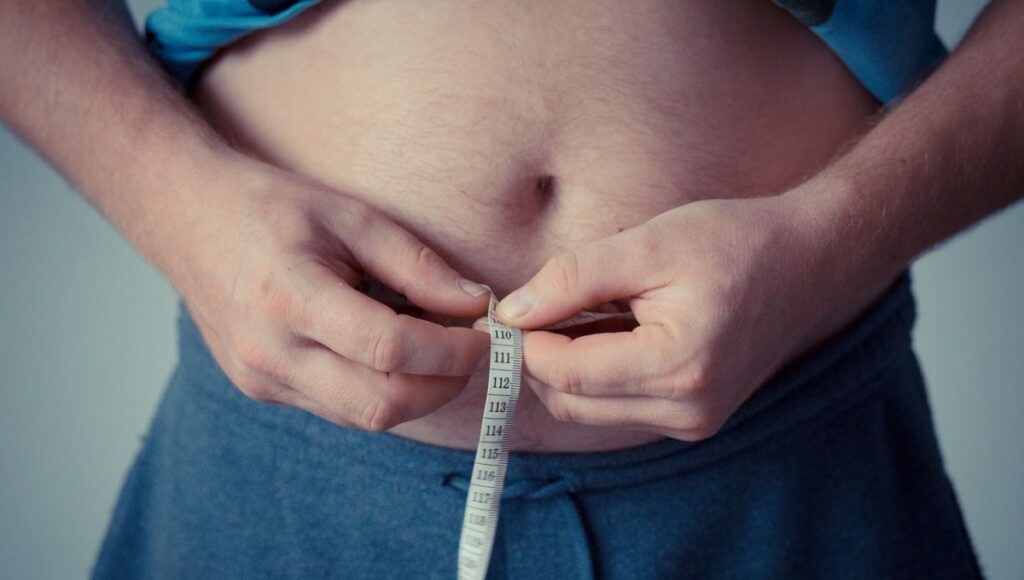
It’s not all bad. Subcutaneous fat stores energy and produces hormones called adipokines that help regulate metabolism and inflammation. The problem arises when there’s too much of it. High levels of total body fat—especially subcutaneous fat—can still strain the heart, joints, and endocrine system, even if visceral fat levels are normal.
Research shows that while subcutaneous fat isn’t as strongly linked to chronic disease as visceral fat, excess amounts can worsen insulin resistance, contribute to low-grade inflammation, and make weight management harder.
Why Is It So Hard to Lose?
Here’s a frustrating truth: subcutaneous fat tends to come off more slowly than visceral fat. Studies show that during weight loss, visceral fat often decreases at a faster rate—especially in the early weeks—because it’s more metabolically active. Subcutaneous fat, by contrast, is more stubborn.
That doesn’t mean it’s impossible. In fact, when you look at total volume (not just percentage), people actually lose more subcutaneous fat than visceral fat over time. It just takes longer and requires consistency with both nutrition and exercise.
Genetics also play a role in where your body prefers to store and release fat. Some people lose fat from their face or arms first, others from their midsection or legs. The key is patience: fat loss happens gradually, not in specific “spots.”
Tip 1: Create a Consistent Caloric Deficit
Every credible fat-loss strategy starts with one principle: burn more calories than you consume. This caloric deficit forces the body to use stored fat—including subcutaneous fat—for energy.
A large-scale review published in the European Journal of Clinical Nutrition found a strong link between total body-fat loss and reductions in abdominal subcutaneous fat. Another meta-analysis reported that even though visceral fat percentage dropped faster, the absolute amount of subcutaneous fat lost was typically larger.
So, how much of a deficit should you aim for? Research suggests a moderate reduction—about 300 to 500 calories below your maintenance level per day—is ideal. Bigger deficits might make the number on the scale drop faster, but they often lead to muscle loss, fatigue, and rebound weight gain.
How to Apply It
- Use a food-tracking app or meal plan to stay consistent.
- Focus on sustainable eating habits, not starvation.
- Keep protein high (1.6–2.2 g per kg of body weight).
- Reassess calorie intake every few weeks as your body adapts.
- Combine diet changes with exercise for better results.
Remember, subcutaneous fat loss doesn’t happen overnight. Even a 1% drop in body fat per month is a solid, sustainable rate for most people.
Tip 2: Combine Strength and Cardio Training
You can’t out-train a poor diet, but exercise plays a massive role in fat distribution and metabolism. The best approach for reducing subcutaneous fat is combining resistance training with aerobic exercise.
A University of Michigan study showed that three months of endurance exercise improved the metabolic profile of abdominal subcutaneous fat—even without weight loss. Other research found that combined aerobic and resistance training reduced subcutaneous fat more effectively than either method alone.
Why the Combo Works
- Cardio boosts calorie expenditure and fat oxidation.
- Strength training preserves and builds lean muscle, which increases resting metabolism.
- Together, they create a stronger hormonal and metabolic environment for fat loss.
How to Apply It
- Do 3–4 sessions of moderate-to-vigorous cardio per week (running, rowing, cycling).
- Lift weights at least 2–3 times weekly, hitting all major muscle groups.
- Use compound lifts (squats, deadlifts, presses) for maximum effect.
- Gradually increase load or intensity every few weeks.
- Include recovery days to avoid burnout or overtraining.
Consistency matters more than perfection. A steady training routine, maintained over months, will reliably reduce subcutaneous fat stores.
Tip 3: Optimize Your Diet Beyond Calories
While total calories determine if you lose fat, macronutrient balance influences how you lose it. A diet rich in high-quality protein, fiber, and unsaturated fats helps the body hold onto muscle while promoting fat oxidation.
Protein and Muscle Retention
Research consistently shows that higher-protein diets improve body composition by supporting lean mass retention during weight loss. More muscle means a higher metabolic rate and more efficient fat burning—even at rest.
Carbohydrate Quality and Fat Storage
Refined carbs and sugary foods spike insulin and make it harder for the body to tap into fat stores. Choose complex carbohydrates—whole grains, legumes, fruits, and vegetables—to stabilise blood sugar and promote steady energy.
Fats and Hormonal Balance
Healthy fats from sources like olive oil, avocado, and fish support hormone production, including hormones involved in metabolism and appetite regulation.
Meal Timing and Frequency
Emerging evidence suggests that eating earlier in the day and maintaining consistent meal timing may improve insulin sensitivity and lipid metabolism. While not the main driver, it can enhance the effectiveness of your fat-loss efforts.
Practical Diet Tips
- Focus on whole, minimally processed foods.
- Eat protein with every meal.
- Limit alcohol and liquid calories.
- Stay hydrated—water intake supports fat metabolism.
- Avoid extreme “crash” diets that destroy performance and lean mass.
In short, make your diet a sustainable lifestyle, not a punishment.
Tip 4: Manage Stress and Prioritise Sleep

Your hormones can either help or sabotage your efforts to lose subcutaneous fat. Two of the most powerful regulators—cortisol and sleep hormones—are heavily influenced by stress and rest.
Sleep and Fat Storage
Studies show that adults who consistently sleep fewer than six hours per night tend to have higher levels of both subcutaneous and visceral fat. Sleep deprivation raises cortisol, disrupts appetite-regulating hormones like ghrelin and leptin, and reduces metabolic rate.
Stress and Cortisol
Chronic stress keeps cortisol levels elevated, encouraging fat storage—especially around the abdomen. While most research focuses on visceral fat, the same mechanisms can affect subcutaneous stores. Managing stress improves adherence to diet and exercise, which indirectly drives fat loss.
Practical Recovery Strategies
- Sleep 7–9 hours a night and keep a consistent schedule.
- Limit screen time before bed and create a dark, cool environment.
- Use mindfulness or breathing techniques to manage daily stress.
- Schedule rest days and listen to your body.
Without adequate recovery, even the best training plan can backfire. Your body needs downtime to burn fat efficiently and adapt to workouts.
Tip 5: Stay Consistent and Patient
Subcutaneous fat reduction takes time. Research shows that even under optimal conditions—caloric deficit, training, and good sleep—it can take 12 to 16 weeks to see noticeable changes in skinfold thickness or body-composition scans.
Fat loss is rarely linear. Water retention, hormones, and glycogen levels can mask real progress. The key is long-term consistency, not chasing quick fixes.
What Works Long-Term
- Track progress with photos, measurements, and how clothes fit—not just scale weight.
- Focus on habits you can maintain, not extremes.
- Remember: the slower you lose it, the more likely you’ll keep it off.
Sustainable fat loss is a marathon, not a sprint. A year of steady, evidence-based habits will always outperform a few weeks of crash dieting.
Key Takeaways
| Tip | Strategy | Key Benefit |
|---|---|---|
| 1 | Maintain a moderate caloric deficit | Drives total body and subcutaneous fat loss |
| 2 | Combine strength and cardio training | Preserves muscle, increases fat oxidation |
| 3 | Eat nutrient-dense foods and enough protein | Improves body composition and metabolism |
| 4 | Manage stress and sleep | Balances hormones and improves fat mobilisation |
| 5 | Stay consistent | Ensures sustainable, long-term results |
References
- Merlotti, C., Ceriani, V., Morabito, A. et al. (2017) ‘Subcutaneous fat loss is greater than visceral fat loss with various interventions’, International Journal of Obesity, 41(4), pp. 672–677.
- Chaston, T.B., Dixon, J.B. and O’Brien, P.E. (2007) ‘Changes in fat-free mass during significant weight loss: a systematic review’, International Journal of Obesity, 31(5), pp. 743–750.
- Irving, B.A. et al. (2008) ‘Effects of exercise training intensity on abdominal visceral fat and body composition’, Metabolism, 57(4), pp. 538–546.
- Ohkawara, K. et al. (2007) ‘Resistance exercise and fat distribution in older adults’, Obesity, 15(3), pp. 644–652.
- Ross, R. et al. (2000) ‘Reduction in obesity and related comorbid conditions after diet and exercise intervention’, Annals of Internal Medicine, 133(2), pp. 92–103.
- St-Onge, M.P. et al. (2011) ‘Short sleep duration and increased adiposity’, Sleep, 34(4), pp. 481–489.
- Schmid, S.M. and Hallschmid, M. (2009) ‘Sleep, food intake, and energy balance’, Physiology & Behavior, 97(4), pp. 466–472.
- Smith, G.I. et al. (2019) ‘Dietary protein for body composition and health: beyond satiety and thermogenesis’, Nutrition Reviews, 77(6), pp. 347–359.
- Epel, E.S. et al. (2000) ‘Stress and body fat distribution: the role of cortisol’, Psychosomatic Medicine, 62(5), pp. 623–632.
- Johannsen, D.L. et al. (2016) ‘Effect of calorie restriction on fat distribution and metabolic function in humans’, Obesity, 24(2), pp. 469–476.
- Verheggen, R.J.H.M. et al. (2016) ‘Physical activity and visceral fat: a meta-analysis of randomized controlled trials’, Obesity Reviews, 17(7), pp. 665–690.
- Chaput, J.P. et al. (2008) ‘Short sleep duration as a risk factor for the development of the metabolic syndrome’, Diabetes Care, 31(5), pp. 983–989.