Everybody wants joints that move freely, support daily activity and hold up well into later life. Good news: what you eat can help.
In this article we’ll walk through seven nutrient-dense foods with solid scientific backing for supporting joint health—what they do, why they matter, and how to include them.


Why joint health matters
Your joints—the places where bones meet—rely on cartilage, synovial fluid, connective tissue and surrounding muscles and ligaments. Over time or under stress (such as inflammation, injury, excess weight or repetitive use), joint cartilage can wear down, inflammation can increase and mobility can decrease.
A growing body of research shows that diet plays a meaningful role in joint health. For example, diets rich in anti-inflammatory foods such as fruits, vegetables and healthy fats, and low in ultra-processed foods, are associated with better joint outcomes. Research from Harvard has noted that anti-inflammatory dietary patterns may help prevent joint problems such as gout and osteoarthritis.
While diet isn’t a magic cure, pairing good foods with sensible movement and weight control can give your joints a real boost.
1. Fatty fish (or other high-omega-3 sources)
What it is
Fatty fish include salmon, mackerel, trout, sardines and herring. They’re rich in long-chain omega-3 polyunsaturated fatty acids (PUFAs) such as EPA and DHA.

Why it matters for joints
Omega-3s help moderate inflammation, one of the key processes that drives joint degeneration in conditions like osteoarthritis. When inflammation is reduced, cartilage and joint tissues are less likely to sustain damage. Meta-analyses of omega-3 supplementation in people with osteoarthritis have shown significant pain relief and improved joint function.
What the science shows
- A meta-analysis of nine randomised controlled trials involving more than 2,000 patients with osteoarthritis found that omega-3 PUFA supplementation reduced pain and improved joint function compared to placebo.
- Observational data show that adults with higher omega-3 intake had lower odds of osteoarthritis, though more research is needed for causal conclusions.
- Diet-guidance reports frequently highlight fatty fish as a primary food for joint health because of its anti-inflammatory properties.
How to include it
Aim for two to three servings per week of fatty fish. If you’re vegetarian or vegan, flaxseeds, chia seeds, walnuts and algae-based omega-3 supplements (containing DHA and EPA) are alternatives. Baking or grilling fish preserves its healthy fats.
2. Leafy greens and brightly colored vegetables
What it is
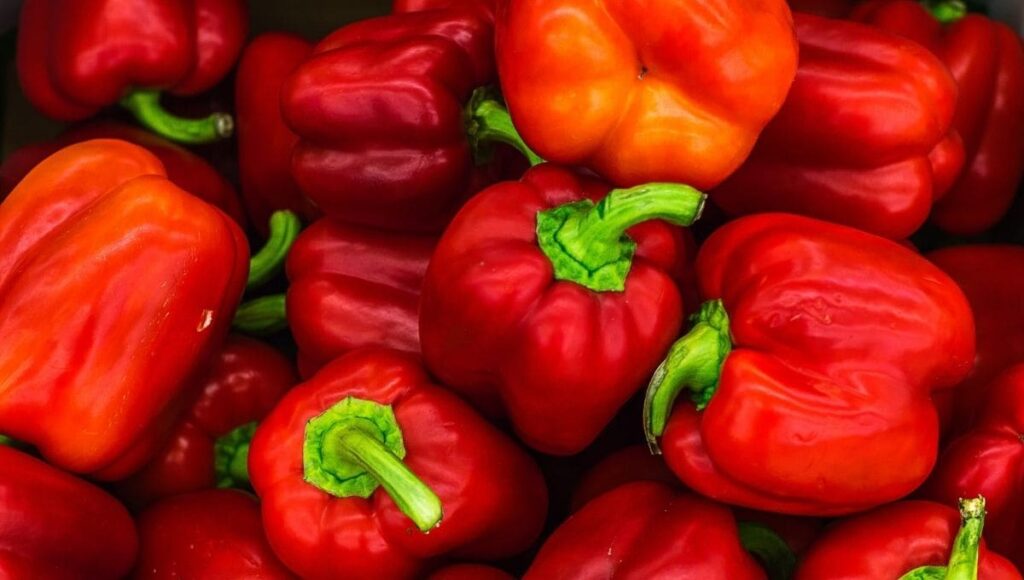
Leafy greens include spinach, kale, collards and Swiss chard. Brightly coloured vegetables include bell peppers, broccoli, carrots and beets.
Why it matters for joints
- These vegetables are rich in antioxidants such as vitamin C, beta-carotene and polyphenols, which help neutralise oxidative stress and inflammation that can damage joint tissues.
- Vitamin C acts as a co-factor for collagen synthesis—the protein network that makes up cartilage and connective tissue.
- Diets rich in plants are consistently associated with reduced inflammation and improved joint comfort.
What the science shows
- A large cohort study found that people with higher intakes of vitamins C and D had more favorable MRI measures of cartilage health, suggesting slower degeneration.
- Nutrition reviews highlight plant-rich diets as a central strategy for managing or preventing arthritis-related symptoms.
How to include it
- Make half your plate vegetables at lunch and dinner.
- Include at least one leafy green each day.
- Add colourful vegetables for a variety of phytonutrients.
- Avoid deep-frying or heavy sauces that reduce nutritional value.
3. Berries and other antioxidant-rich fruits
What it is
Examples include strawberries, blueberries, raspberries, blackberries, cherries, pomegranates and grapes. Berries are especially rich in anthocyanins.
Why it matters for joints
Antioxidants reduce oxidative stress, one of the contributors to cartilage breakdown. Berries contain polyphenols that help dampen inflammatory processes and protect joint tissues.
What the science shows

While specific controlled trials using berries for joint pain are limited, multiple nutrition authorities consistently list berries as a joint-supportive food due to their high antioxidant activity.
How to include it
- Add a serving of berries (½ to 1 cup) to breakfast or snacks.
- Keep frozen berries for smoothies and yogurt toppings.
- Use them as a healthier alternative to processed sweets.
4. Nuts, seeds and healthy plant-based fats
What it is
This includes walnuts, almonds, flaxseeds, chia seeds, hemp seeds and healthy oils such as extra-virgin olive oil.
Why it matters for joints
- Walnuts, flaxseeds and chia seeds contain ALA, a plant-based omega-3 that contributes to anti-inflammatory effects.
- Extra-virgin olive oil contains bioactive compounds like oleocanthal, which may have anti-inflammatory properties similar to mild pain-relief medications.
- Nuts and seeds also supply vitamin E, magnesium and plant fiber, supporting tissue repair and recovery.
What the science shows
Major joint-health dietary guidance consistently includes nuts, seeds and olive oil in anti-inflammatory eating patterns thanks to their nutrient density and beneficial fat profile.
How to include it
- Eat a small handful of nuts daily.
- Add a tablespoon of flaxseed or chia seeds to cereal, oatmeal or yogurt.
- Use extra-virgin olive oil in place of highly processed oils or butter.
5. Legumes and whole grains
What it is
Legumes include beans, lentils and chickpeas. Whole grains include oats, quinoa, brown rice, barley and whole-wheat pasta.
Why it matters for joints
- These foods are high in fiber, vitamins, minerals and plant-based proteins that support tissue repair and help regulate weight—an essential factor in joint health.
- Whole grains provide minerals like magnesium that support connective tissue.
- Diets high in refined grains and processed carbs are associated with increased inflammation and joint discomfort.
What the science shows
- Research shows that whole-food, plant-centric diets reduce markers of inflammation and correlate with improved joint health.
- Reviews of dietary patterns highlight that reducing ultra-processed foods while increasing legumes and whole grains supports better mobility and joint comfort.
How to include it
- Replace refined grains with whole-grain versions.
- Include legumes in meals two to three times weekly.
- Combine legumes and grains (such as beans and rice) for complete proteins.
6. Yogurt (and fermented dairy or fortified plant-based alternatives)
What it is
Plain yogurt and other fermented dairy products—or plant-based alternatives fortified with calcium and vitamin D.
Why it matters for joints
- Cartilage and connective tissue rely on protein, calcium and vitamin D. Yogurt provides all three.
- Fermented foods may support gut health, and emerging research suggests a link between gut microbiota and systemic inflammation, including inflammation affecting joints.
What the science shows
Nutrition reviews commonly recommend yogurt or fortified alternatives as convenient sources of protein, calcium and vitamin D, all of which indirectly support joint integrity.
How to include it
- Eat one serving of yogurt on most days.
- Choose plain yogurt and add your own fruit.
- Plant-based yogurts can be good options if they contain added calcium and vitamin D.
7. Turmeric/curcumin
What it is
Turmeric is a yellow spice containing curcumin, the compound largely responsible for its anti-inflammatory effects.
Why it matters for joints
Curcumin blocks inflammatory pathways such as COX-2 and TNF-α and reduces oxidative stress—two processes heavily involved in joint degeneration and osteoarthritis.
What the science shows
- Systematic reviews of randomised controlled trials show that curcumin extracts reduce pain and improve physical function in knee osteoarthritis, in some cases performing similarly to NSAIDs.
- Several narrative reviews describe curcumin as having significant anti-osteoarthritic effects through modulation of inflammation and cartilage breakdown.
- Some medical sources caution that while promising, the evidence still needs more long-term, high-quality trials.
How to include it
- Add turmeric to soups, curries, roasted vegetables and marinades.
- Combine turmeric with black pepper and healthy fats to enhance absorption.
- For supplements, speak with a healthcare professional.
Practical considerations and nutrition synergy
- Weight control matters: Excess weight puts greater force on joints, particularly hips and knees, increasing wear and tear. Diets rich in whole, plant-based foods are associated with easier weight regulation.
- Dietary patterns matter more than individual foods: Long-term eating habits—particularly diets high in fruits, vegetables, whole grains, plant proteins and healthy fats—show the strongest associations with healthy joints.
- Movement enhances nutrition: Exercise increases synovial fluid flow, strengthens supporting muscles and improves cartilage health.
- Limit ultra-processed foods: These foods are linked with increased inflammation and poorer joint outcomes.
- Personal variation exists: Joint issues can stem from injury, genetics, autoimmune disorders or biomechanics. Diet helps, but medical advice may still be necessary.
Summary
By focusing on foods that reduce inflammation, provide structural nutrients for cartilage, and support healthy weight, you significantly improve joint health. Incorporating fatty fish, leafy greens, colorful vegetables, berries, nuts and seeds, legumes, whole grains, yogurt or fortified alternatives, and turmeric can make a meaningful difference when eaten consistently as part of an overall balanced diet.
Key Takeaways
| Food Category | Primary Benefit for Joints |
|---|---|
| Fatty fish / Omega-3 sources | Anti-inflammatory fats support pain relief & joint function |
| Leafy greens & colourful vegetables | Antioxidants & vitamin C support cartilage & connective tissue |
| Berries & antioxidant fruits | Polyphenols reduce oxidative stress in joint tissues |
| Nuts, seeds & healthy plant fats | Plant fats + nutrients support joint and tissue health |
| Legumes & whole grains | Fiber, protein and nutrients support joint structure & weight control |
| Yogurt (fermented dairy or plant) | Protein, calcium, vitamin D help cartilage & bone support |
| Turmeric / curcumin | Anti-inflammatory spice that may reduce joint pain |
Bibliography
- Lynch N.E., Lane N.E., Link T.M. (2019) ‘Associations Between Vitamins C and D Intake and Cartilage Composition Using MRI Measures’, Arthritis Care & Research.
- Su W.W., Pathomwichaiwat T., Suansanae T., Nathisuwan S., Rattanavipanon W. (2025) ‘Effect of turmeric products on knee osteoarthritis: a systematic review and network meta-analysis’, BMC Complementary Medicine and Therapies.
- Ferdi J., et al. (2023) ‘Effect of omega-3 supplementation on osteoarthritis: An evidence-based review’, World Nutrition Journal.
- Harvard Health Publishing (2021) ‘Anti-inflammatory diet may be good for your joints’, Harvard Health Nutrition.
- Oliveira N. (2023) ‘Anti-inflammatory Foods for Arthritis and Joint Pain’, Mass General Brigham News.
About the Author

Robbie Wild Hudson is the Editor-in-Chief of BOXROX. He grew up in the lake district of Northern England, on a steady diet of weightlifting, trail running and wild swimming. Him and his two brothers hold 4x open water swimming world records, including a 142km swim of the River Eden and a couple of whirlpool crossings inside the Arctic Circle.
He currently trains at Falcon 1 CrossFit and the Roger Gracie Academy in Bratislava.