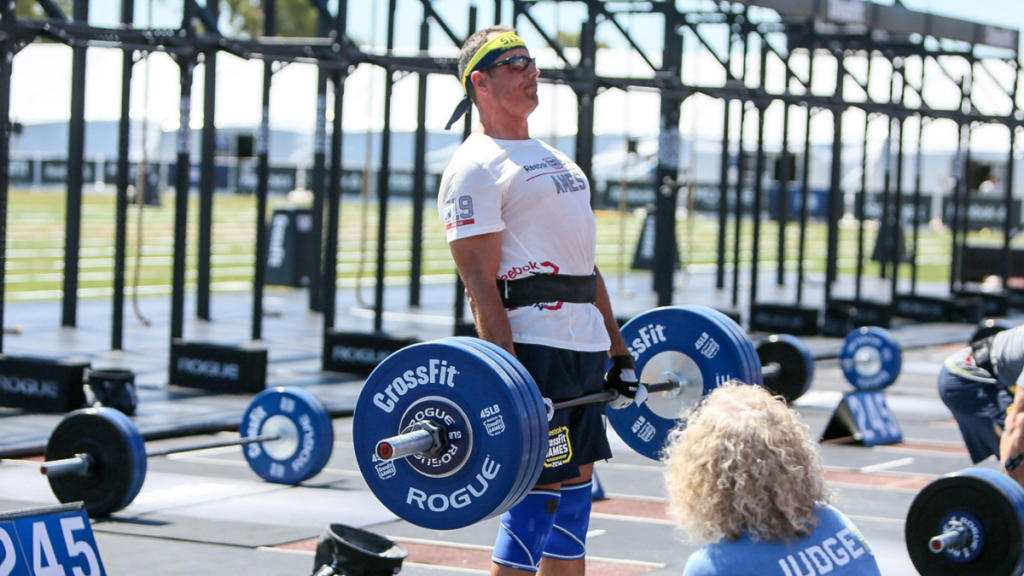
Staying motivated to lift weights consistently can be challenging, but understanding the science behind motivation can make a big difference.
Motivation is not just about willpower; it’s deeply linked to psychological needs, goals, habits, and personal satisfaction. This article breaks down five research-backed tips to help you sustain motivation for weightlifting.


Understand Your Psychological Needs and Set Clear Goals
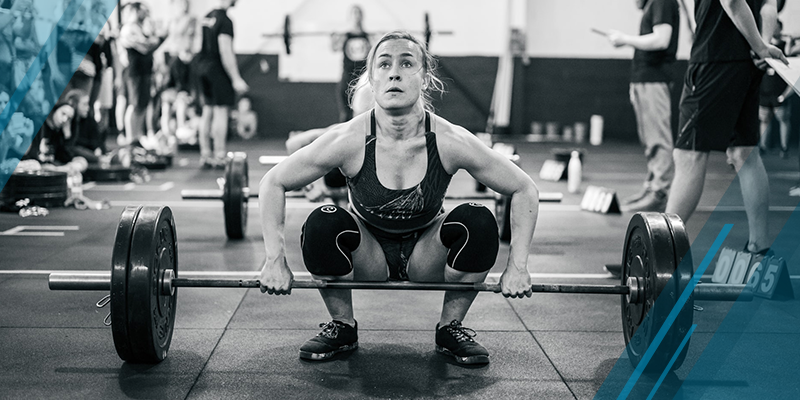
Meet Basic Psychological Needs for Competence and Autonomy
Research shows that motivation improves when basic psychological needs—competence (feeling capable) and autonomy (having control over your choices)—are satisfied (Martinez Kercher et al., 2024). Feeling successful in your workouts by tracking progress or mastering new lifts enhances competence, fueling motivation. At the same time, choosing exercises and workout times that suit you reinforces your sense of autonomy, making you more likely to stick to lifting.
Set Specific, Measurable Goals
Science supports goal-setting as a key to motivation. Studies find that specific, measurable, achievable, relevant, and time-bound (SMART) goals improve exercise adherence (Locke & Latham, 2002). For example, aiming to add 10 pounds to your bench press within eight weeks provides clear direction and a sense of achievement when met.
Build and Maintain Self-Efficacy Through Mastery Experiences
Strengthen Confidence by Tracking Progress
Self-efficacy—the belief in your ability to succeed—increases motivation for weightlifting. Longitudinal research found that individuals who experienced mastery through consistent training improved both their self-efficacy and muscular strength (Martinez Kercher et al., 2024). Tracking progress with a training log or app reinforces this feeling of mastery.
Use Positive Feedback and Celebrate Small Wins
Celebrating small milestones, like adding weight or completing an extra rep, reinforces motivation by boosting self-confidence. Positive feedback, whether from yourself or a trainer, strengthens the connection between effort and success, encouraging continued lifting adherence.
Create Sustainable Habits and Consistent Routines

Develop a Regular, Manageable Schedule
Consistency drives motivation by turning lifting into a habitual behavior. Psychologists find that behaviors repeated consistently at a similar time and context become automatic over time (Lally et al., 2010). Scheduling workouts on the same days and times each week helps entrench lifting as a natural part of your lifestyle.
Use Cue-Based Triggers and Environmental Support
Setting cues, such as packing your gym bag the night before or placing your lifting shoes by the door, primes the brain to automatically prepare for exercise. Studies have shown that cue-based habits reduce the mental effort needed to start workouts, sustaining long-term motivation (Wood & Rünger, 2016).
Find Enjoyment and Intrinsic Motivation in Weightlifting
Engage in Activities You Enjoy
Research indicates intrinsic motivation—finding joy and satisfaction in lifting itself—leads to greater long-term adherence than extrinsic motivations like appearance or social recognition (Feito et al., 2018). Experiment with varied exercises or styles to discover what you enjoy, such as powerlifting, bodybuilding, or group lifting sessions.
Emphasize Benefits Beyond Physical Appearance
Focusing on health improvements, emotional well-being, and functional strength enhances intrinsic motivation. Exercise has been proven to reduce symptoms of depression and anxiety, contributing to better mental health (Snell, 2023). Recognizing these benefits can transform lifting from a chore into a valued activity.
Cultivate Social Support and Accountability

Workout With Friends or a Coach
Social connections enhance motivation. Studies show people who lift with partners or coaches have higher adherence rates and report workouts as more enjoyable (Can, 2010). The encouragement and accountability that come from seeing others regularly can push you to show up even when motivation wanes.
Join Communities or Groups
Belonging to a fitness community, whether in person or online, fosters motivation through shared goals and support. Research on social motivation reveals that communal reinforcement increases exercise adherence by making lifting feel socially rewarding (Feito et al., 2018).
Table of Key Takeaways
| Tip | Key Point |
|---|---|
| Psychological Needs & Goals | Satisfy competence and autonomy; set SMART goals |
| Build Self-Efficacy | Track progress and celebrate small wins to strengthen confidence |
| Sustainable Habits | Consistent schedules and cues help make lifting a regular, automatic habit |
| Enjoyment & Intrinsic Motive | Find joy in lifting; focus on health and well-being benefits |
| Social Support & Accountability | Lift with partners, coaches, or communities for encouragement and adherence |
References
- Can S. (2010). Determination of the factors motivating and motivation level of athletes who weight train. Journal of Sports Science and Medicine.
- Feito Y. et al. (2018). An Investigation Into How Motivational Factors Differed Among Those Who Continued to Participate in Resistance Training. SAGE Open Medicine.
- Lally P. et al. (2010). How are habits formed: Modelling habit formation in the real world. European Journal of Social Psychology.
- Locke E.A., Latham G.P. (2002). Building a practically useful theory of goal setting and task motivation. American Psychologist.
- Martinez Kercher V.M. et al. (2024). Psychological needs, self-efficacy, motivation, and resistance training outcomes. Frontiers in Psychology.
- Snell K. (2023). Strength training is key to physical and mental health. Penn Medicine News.
- Wood W., Rünger D. (2016). Psychology of habit. Annual Review of Psychology.
About the Author

Robbie Wild Hudson is the Editor-in-Chief of BOXROX. He grew up in the lake district of Northern England, on a steady diet of weightlifting, trail running and wild swimming. Him and his two brothers hold 4x open water swimming world records, including a 142km swim of the River Eden and a couple of whirlpool crossings inside the Arctic Circle.
He currently trains at Falcon 1 CrossFit and the Roger Gracie Academy in Bratislava.