Fueling properly before your first HYROX race can make the difference between feeling strong and finishing confidently—or hitting an energy wall far earlier than you expected. HYROX is unique: it blends running with functional strength stations, demanding both endurance and muscular power.
That means your nutrition strategy needs to prioritize sustained energy, efficient digestion, and reliable hydration.


This article breaks down the science of pre-race fueling so you know exactly what to eat, when to eat it, and why it matters physiologically.
Understanding HYROX Energy Demands
HYROX races combine 8×1km runs with 8 strength/endurance stations such as sled pushes, burpees, rowing, and lunges. That means two main systems dominate your performance: aerobic metabolism for the running and repeated high-intensity efforts supported by anaerobic glycolysis for the strength stations.
Why Carbohydrates Are the Primary Fuel
Carbohydrates are the body’s most efficient fuel for moderate-to-high-intensity exercise. During high-intensity intervals, the body increasingly relies on glycogen—stored carbohydrate in muscles and the liver. Studies consistently show that low muscle glycogen reduces time-to-exhaustion, power output, and ability to maintain pace during high-intensity exercise.
Coyle et al.(1995) demonstrated that glycogen depletion is a primary factor associated with fatigue in endurance athletes. Similarly, Romijn et al.(1993) found that carbohydrate oxidation dominates during prolonged moderate-to-vigorous activity, which closely mirrors HYROX’s demands.
HYROX as “Hybrid Endurance”
HYROX isn’t as long as a marathon and not as strength-heavy as a CrossFit competition, but it requires fast transitions between systems. This “hybrid endurance” format makes it especially important to start the race with fully loaded glycogen stores while avoiding foods that cause gastrointestinal discomfort.
Jeukendrup(2011) has written extensively about carbohydrate requirements for events lasting 60–150 minutes—exactly the duration of most HYROX races. The consensus: the body performs best when glycogen is maximized beforehand.
The 24–48 Hours Before the Race
What you eat the one or two days before HYROX matters more than what you eat the morning of. This is when you load glycogen stores and ensure your digestive system is calm and predictable on race day.
Focus on High-Carbohydrate, Moderate-Protein, Low-Fat Meals
Carbohydrate loading increases stored glycogen, which delays fatigue and supports higher-intensity output. Sherman et al.(1981) demonstrated that properly executed carbohydrate loading can significantly increase endurance performance.
For HYROX, you don’t need “super loading”—just consistently high carbohydrate intake.
Aim for:
- 7–10 g of carbohydrate per kg of bodyweight per day
- 1.2–1.7 g protein per kg to support muscle recovery without overloading digestion
- Low-to-moderate fat, since fat slows digestion and can cause digestive discomfort before events involving impact and intensity
Hydration and Electrolytes
Hydration status dramatically affects performance. Even mild dehydration reduces aerobic capacity, increases heart rate, and increases perceived exertion. Cheuvront & Kenefick(2014) found that dehydration as little as 2% of body mass impairs endurance performance.
In the 24–48 hours before HYROX:
- Focus on regular hydration throughout the day.
- Include electrolytes, especially sodium, which helps maintain plasma volume and fluid balance.
- Avoid excessive fiber and high-residue foods if you have a sensitive stomach.
Foods to Prioritize (24–48 Hours Out)
- Rice, pasta, potatoes, oats
- Bananas, berries, melons
- Lean proteins: chicken, fish, tofu, yogurt
- Low-fat dairy or dairy alternatives
- Low-fiber breads and wraps
Foods to Limit
- High-fiber vegetables (broccoli, kale, beans)
- Large amounts of high-fat foods
- New foods you aren’t accustomed to
- Excessive caffeine
- Alcohol
The Night Before Your First HYROX Race
This meal matters, but it shouldn’t be huge or experimental. Your last big meal should be easy to digest and carbohydrate-rich.
A sensible pre-race dinner might include:
- A large portion of rice, pasta, or potatoes
- A lean protein (chicken, tofu, fish)
- Cooked vegetables instead of raw
- Low-fat sauces or seasonings
The goal is to continue topping up glycogen while minimizing digestive stress.
A study by Casey et al.(2000) demonstrated that high-carbohydrate meals within 12–24 hours effectively raise muscle glycogen and support next-day endurance tasks. You don’t need a giant “carb feast”—just balanced, moderate-volume meals.
What to Eat the Morning of Your HYROX Race
Your last pre-race meal should top off liver glycogen and ensure blood glucose is stable at the start. The ideal timing for this meal is 3–4 hours before the race.
The Ideal Pre-Race Meal
Research by Thomas, Erdman & Burke(2016) recommends pre-exercise meals that:
- Are high in carbohydrates
- Are low in fat
- Are low in fiber
- Include moderate protein
- Are familiar and easy to digest
A balanced pre-HYROX meal could include:
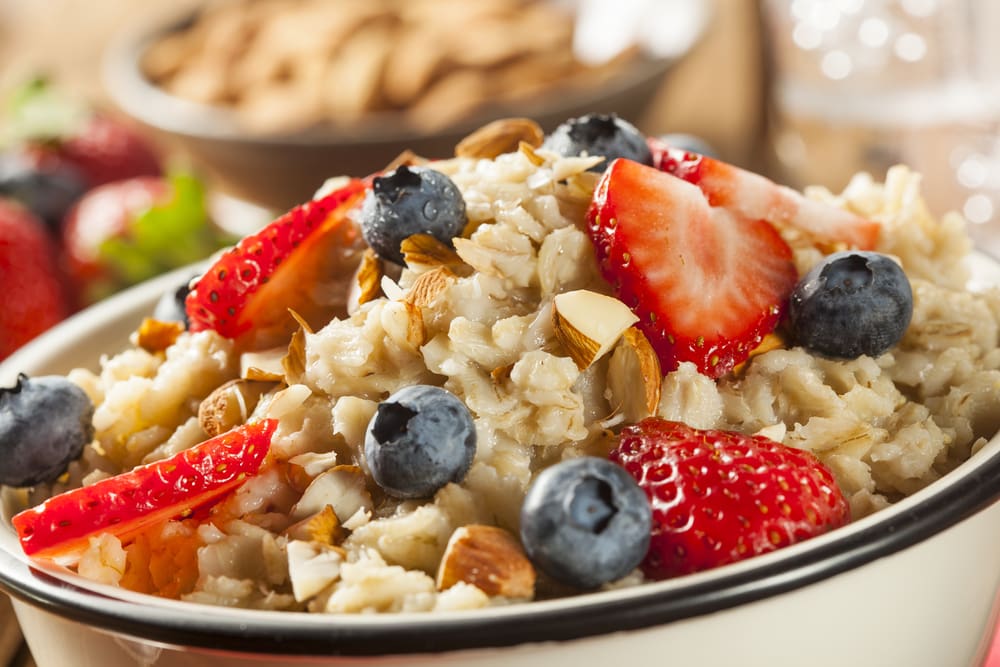
- Oatmeal made with milk or a milk alternative and topped with bananas
- A bagel with honey or jam
- Rice pudding with a small amount of fruit
- Low-fiber cereal with milk
- A simple chicken-and-rice bowl
Portion Size Matters
Eat enough to feel full but not heavy. Overeating can cause gastrointestinal distress during high-intensity efforts.
If You’re Nervous and Can’t Stomach Much
Pre-race nerves can make eating difficult. In that case:
- Eat smaller portions more frequently.
- Choose easily digestible carbohydrates: applesauce, white bread with jam, bananas, or liquid carbohydrate drinks.

A 2020 study by Hearris et al. found that low-fiber, low-fat carbohydrate meals reduce gut symptoms during high-intensity exercise. This is particularly relevant for HYROX.
60–90 Minutes Before the Race: The Top-Up Window
This window is for optional carbohydrate “topping off,” especially if your race is long or you haven’t eaten well earlier.
Good Options for the Final Hour
- A banana
- A small granola bar
- A sports drink
- Chews or gummies
- White toast with honey
These foods digest quickly and elevate blood glucose without causing heaviness. Foskett et al.(2008) showed that carbohydrate intake within 60 minutes before exercise improves performance in intermittent high-intensity sports—similar to HYROX.
What to Avoid in the Final Hour
- High-fat foods: nut butters, fried foods, pastries
- High-protein snacks: protein bars, shakes
- High-fiber foods: raw vegetables, whole-grain breads
- Very spicy or greasy foods
Pre-Race Hydration Strategy
Hydration continues until 20–30 minutes before start time. You don’t want to be overly full of liquid, but you want to begin fully hydrated.
How Much to Drink
- Drink 400–600 ml of fluid 2–3 hours before the race.
- Sip 200–300 ml in the 60 minutes before start time.
Shirreffs & Sawka(2011) found that gradually consuming fluid before exercise best supports hydration and thermoregulation.
Include Sodium
Sodium improves water absorption in the gut and helps maintain plasma volume. Research by Maughan & Shirreffs(2010) notes that sodium consumption before exercise reduces the risk of hyponatremia and helps retention of consumed fluids.
A simple electrolyte drink or lightly salted meal works perfectly.
Should You Use Caffeine Before HYROX?
Caffeine is one of the most well-supported ergogenic aids in sports science. It improves focus, reduces perceived exertion, and increases endurance. Numerous studies—including Spriet(2014)—support these benefits.

Recommended Dosage
For most individuals:
- 2–3 mg/kg taken 45–60 minutes before start time is effective.
This is equivalent to roughly 150–250 mg for many athletes.
Best Sources
- Coffee
- Caffeinated gels
- Energy chews
- Low-acid cold brew
Who Should Avoid or Reduce Dose?
- Athletes sensitive to caffeine
- Anyone with GI issues triggered by coffee
- Very anxious first-time racers
If you’ve never used caffeine before training, do not try it for the first time at HYROX.
Race-Morning Food Examples
Below are sample meals based on real sports nutrition guidelines and research on carbohydrate needs for moderate-to-high-intensity events.
Example Meal for a 3–4 Hour Pre-Race Window
- 1–2 cups cooked oatmeal
- 1–2 bananas
- A drizzle of honey or maple syrup
- A glass of juice or electrolyte drink
Example Meal for 2 Hours Out
- A large plain bagel with jam
- A yogurt or a small handful of pretzels
Example Meal for 60–90 Minutes Out
- A banana or squeezable applesauce pouch
- A sports drink
Special Considerations
If Your Race Is Very Early
Replace solid food with liquid carbohydrates (shakes, smoothies). Research by Betts et al.(2007) shows liquid carbs digest more quickly and cause fewer gut symptoms before early-morning exercise.
If You Have a Sensitive Stomach
Choose low-FODMAP, low-fiber, low-fat foods:
- White rice
- White bread
- Rice cakes
- Very ripe bananas
If You’re in the PRO Division or Expect a Longer Race
Higher race duration increases carbohydrate needs. You may benefit from slightly larger meals and more carbohydrate in the hour before the race.
The Science Behind These Recommendations
Sports nutrition research consistently demonstrates the following principles relevant to HYROX:
1. Carbohydrates Improve Performance
Carbohydrate availability directly impacts endurance and intermittent high-intensity output.
2. Low-Fat, Low-Fiber Meals Reduce GI Stress
Both fat and fiber slow gastric emptying and increase the likelihood of discomfort during exercise.
3. Hydration and Sodium Intake Improve Thermoregulation and Performance
Fluid balance is critical for aerobic capacity and muscle contraction efficiency.
4. Pre-Exercise Caffeine Enhances Focus and Reduces RPE
For most athletes, caffeine improves performance without negative side effects when dosed appropriately.
Everything recommended aligns with consensus guidelines from the International Olympic Committee and the American College of Sports Medicine.
Bibliography
- Betts, J.A. et al.,2007. Carbohydrate ingestion and early morning exercise performance. Journal of Sports Sciences,25(11), pp.1407–1415.
- Casey, A. et al.,2000. Glycogen resynthesis in human muscle is elevated post-exercise. American Journal of Physiology,278(2), pp.E346–E351.
- Cheuvront, S.N. & Kenefick, R.W.,2014. Dehydration and endurance performance. Sports Medicine,44(1), pp.13–19.
- Coyle, E.F. et al.,1995. Muscle glycogen utilization during prolonged exercise. Journal of Applied Physiology,78(2), pp.653–661.
- Foskett, A. et al.,2008. Carbohydrate intake and intermittent exercise performance. International Journal of Sport Nutrition and Exercise Metabolism,18(4), pp.328–340.
- Hearris, M.A. et al.,2020. Pre-exercise meal composition and GI tolerance. Sports Medicine,50(5), pp.961–978.
- Jeukendrup, A.E.,2011. Nutrition for endurance sports: Marathon, triathlon, and road cycling. Sports Medicine,41(10), pp.773–793.
- Maughan, R.J. & Shirreffs, S.M.,2010. Practical hydration strategies for athletes. Nutrition Reviews,68(3), pp.137–142.
- Romijn, J.A. et al.,1993. Carbohydrate and fat metabolism during exercise. American Journal of Physiology,265(3), pp.E380–E391.
- Sherman, W.M. et al.,1981. Carbohydrate loading and endurance performance. Journal of Applied Physiology,50(3), pp.673–678.
- Shirreffs, S.M. & Sawka, M.N.,2011. Fluid and electrolyte needs for training and competition. Journal of Sports Sciences,29(S1), pp.S39–S46.
- Spriet, L.L.,2014. Exercise and sport performance with low doses of caffeine. Sports Medicine,44(2), pp.175–184.
- Thomas, D.T., Erdman, K.A. & Burke, L.M.,2016. Nutrition and athletic performance. Medicine & Science in Sports & Exercise,48(3), pp.543–568.
About the Author

Robbie Wild Hudson is the Editor-in-Chief of BOXROX. He grew up in the lake district of Northern England, on a steady diet of weightlifting, trail running and wild swimming. Him and his two brothers hold 4x open water swimming world records, including a 142km swim of the River Eden and a couple of whirlpool crossings inside the Arctic Circle.
He currently trains at Falcon 1 CrossFit and the Roger Gracie Academy in Bratislava.