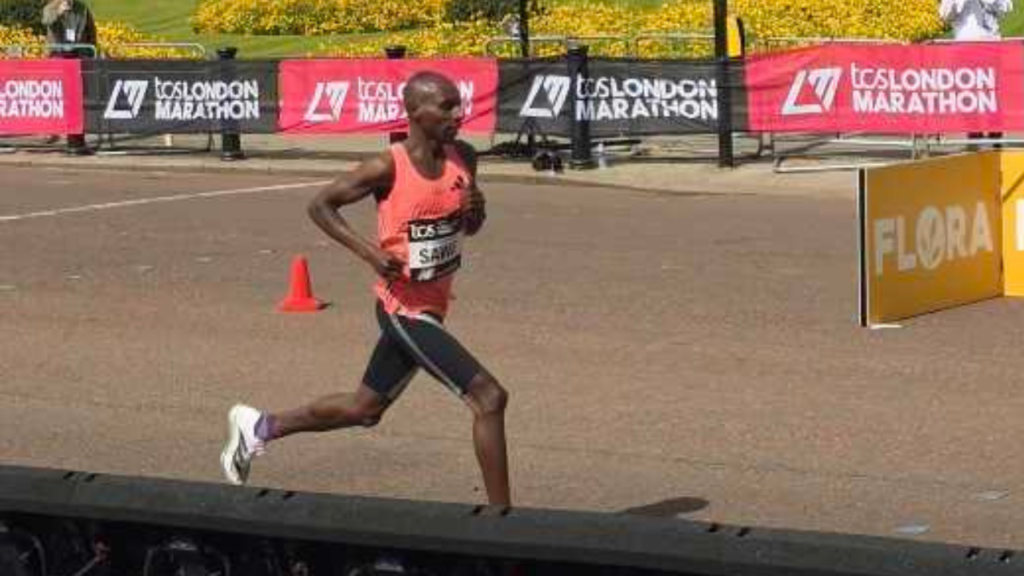
Hill Sprint Workouts are one of the most efficient, science-backed ways to burn fat, build power, and improve overall health. They require no equipment, can be adapted to any fitness level, and deliver full-body conditioning in a fraction of the time of traditional cardio. When done correctly, Hill Sprint Workouts offer a unique combination of mechanical overload, metabolic stress, and neuromuscular recruitment—three pillars consistently associated with fat loss and long-term fitness improvements in the scientific literature.
This article breaks down exactly why Hill Sprint Workouts are so effective, how they influence your physiology, and—most importantly—provides three proven sprint sessions you can start using today. Everything is backed by research, written in clear language, and presented without fluff.


Why Hill Sprint Workouts Are So Effective
Hill Sprint Workouts create a perfect storm of high-intensity effort, mechanical advantage, and safety. Running uphill naturally reduces joint impact, forces more muscle engagement, and boosts metabolic output. Before you dive into the workouts, it helps to understand the key physiological reasons behind their exceptional results.
Increased Muscle Recruitment for Greater Energy Expenditure
Running uphill increases activation of the glutes, hamstrings, calves, and quadriceps at higher levels than sprinting on flat ground. This happens because the incline shifts more of the workload into the posterior chain and forces greater knee drive and hip extension.

Studies measuring electromyography (EMG) have shown that incline sprinting significantly boosts lower-body muscle activation compared to flat running, which increases total energy expenditure and metabolic demand(Payne et al., 2021). More muscle activation equals more calories burned during and after the workout.
Greater Fat Loss Through High-Intensity Interval Training (HIIT)
Hill Sprint Workouts are a form of HIIT, one of the most scientifically supported methods for fat loss. Research consistently shows that HIIT produces greater reductions in body fat compared to moderate-intensity cardio, even when total training time is shorter(Boutcher, 2011).
Several studies demonstrate that sprint intervals elevate both mitochondrial density and post-exercise oxygen consumption (EPOC), increasing the number of calories you burn up to 24 hours after the workout(Freese et al., 2014). Hill sprints amplify this effect due to the additional mechanical load of incline running.
Reduced Joint Stress and Safer Biomechanics
One of the biggest barriers to sprint training is injury risk. Hill Sprint Workouts solve this by shortening your stride and naturally improving running mechanics. Uphill sprinting reduces the eccentric loading forces associated with hamstring strains and lowers ground reaction forces compared to flat sprints(Ajimsha et al., 2015).
This means you get all the benefits of all-out sprinting with significantly less risk.
Improved VO₂max and Cardiovascular Health
High-intensity incline running has been shown to improve VO₂max—one of the strongest predictors of long-term health and longevity(Schjerve et al., 2008). VO₂max improvements result from enhanced stroke volume, mitochondrial efficiency, and increased oxygen utilization at the muscular level. Hill Sprint Workouts place a powerful demand on these systems, stimulating adaptation faster than steady-state cardio.
Enhanced Power and Speed Development
Even though hill sprints are often used for fat loss, they also boost power production. Sprinting uphill increases concentric force output through the legs. Research shows that incline sprinting improves force generation, stride power, and acceleration capacity(Cavanaugh et al., 2015). These adaptations carry over to daily movement, sports performance, and functional strength.
Strong Hormonal Response for Fat Oxidation
High-intensity sprinting triggers increases in catecholamines (adrenaline and noradrenaline), which stimulate lipolysis—the breakdown of fat for energy(Jacobs et al., 2013). Research also notes improved insulin sensitivity after sprint training, allowing your body to better manage glucose and use stored fat for fuel(Gillen et al., 2016). Hill Sprint Workouts amplify this effect due to the added muscular demand.
Mental Health Benefits and Stress Reduction
High-intensity sprint training improves mood, reduces symptoms of anxiety, and enhances cognitive function. Studies show that intense interval exercise elevates brain-derived neurotrophic factor (BDNF), a protein linked to improved memory and mental resilience(Walsh et al., 2020). Hill Sprint Workouts provide these benefits in fast, time-efficient sessions.
Getting Started: How to Prepare for Hill Sprint Workouts
Before jumping into the workouts, it’s important to prepare properly. Hill Sprint Workouts are demanding, and the right strategy will help you train safely and effectively.
Find the Right Hill
Look for:
- A moderate incline of 5–15%
- A clear, even running surface
- A hill at least 40–60 meters long
- A safe downhill walk for recovery
The incline should be challenging enough to force effort, but not so steep that it compromises form.
Warm-Up Thoroughly
A proper warm-up increases muscle temperature, improves force output, and reduces injury risk. Research supports dynamic warm-ups for sprint performance due to improvements in muscle elasticity and neuromuscular readiness(McMillian et al., 2006).
Warm-up suggestions:
- 5 minutes brisk walking or light jogging
- Leg swings
- High knees
- Butt kicks
- Two or three 60% effort practice sprints
Sprint at an Effort You Can Maintain
Aim for 85–95% effort, not a full all-out maximal sprint. This keeps the workout safe and allows you to complete multiple quality repetitions.
Plan Adequate Recovery Between Sprints
Hill sprints are extremely intense. Walking back down the hill is usually enough recovery for most workouts, allowing partial replenishment of phosphocreatine—a key fuel source for sprinting(Bogdanis et al., 1995).
Now let’s dive into the three Hill Sprint Workouts designed for massive fat loss and full-body conditioning.
Workout 1: Classic Hill Sprint Intervals for Maximum Fat Loss
This workout uses short, powerful sprints with controlled rest periods. It targets fat loss, aerobic capacity, anaerobic power, and muscle development all at once.
Why This Workout Works
Short sprint intervals elevate both anaerobic and aerobic systems simultaneously. Research shows that 20–30 second sprint intervals significantly increase mitochondrial biogenesis, fat oxidation, and metabolic rate(Gibala et al., 2012). Incline sprints further increase muscle activation and metabolic demand.

How to Do It
- Warm-up for 8–10 minutes.
- Sprint uphill at 85–90% effort for 20 seconds.
- Walk back down for recovery (around 60–90 seconds).
- Repeat for 6–10 total rounds.
- Cool down with light jogging or walking.
Tips for Success
- Maintain tall posture and drive your knees upward.
- Keep steps short and rhythmic.
- Avoid leaning too far forward.
Why It Boosts Fat Loss
Short, intense sprints activate both fast-twitch and slow-twitch fibers, increasing total energy demand. The high intensity increases your resting metabolic rate for hours afterwards. Studies show that sprint intervals can reduce body fat up to 6 times faster than steady-state cardio(Perry et al., 2008).
Workout 2: Power-Endurance Hill Sprint Ladder
This ladder-style workout gradually increases and then decreases sprint duration, challenging your endurance, power, and mental grit.
Why This Workout Works
Ladder intervals elevate both aerobic and anaerobic energy systems while progressively building fatigue. Gradual duration increases challenge your heart, lungs, and muscular endurance. Research shows that variable-intensity intervals improve VO₂max and ventilatory efficiency more effectively than single-intensity intervals(Gosselin et al., 2012).
How to Do It
- Warm-up thoroughly.
- Sprint 10 seconds uphill. Walk down for recovery.
- Sprint 20 seconds. Walk down.
- Sprint 30 seconds. Walk down.
- Sprint 20 seconds. Walk down.
- Sprint 10 seconds. Walk down.
- Optional: Perform a second round if conditioned.
- Cool down completely.
Tips for Success
- Control your pace early in the ladder.
- Keep breathing deep and consistent.
- Focus on technique as fatigue increases.
Why It Builds Endurance and Burns Fat
Ladder intervals stress both aerobic and anaerobic pathways, increasing lactate threshold and cardiovascular efficiency. Research shows that intervals of varying intensity stimulate greater adaptations in oxygen utilization and metabolic function(Zelt et al., 2014).
Workout 3: Speed-Strength Hill Repeats for Power and Conditioning
This workout uses shorter, explosive sprints to maximize muscular power while still delivering fat-burning results.
Why This Workout Works
Shorter sprints at higher intensity improve force production, neuromuscular coordination, and power output. Studies have shown that maximal short sprints increase motor-unit recruitment and enhance sprint mechanics(Morin et al., 2011).
Uphill running makes this even more effective by increasing concentric force demand.
How to Do It
- Warm-up for 10 minutes.
- Sprint uphill at 90–95% effort for 8–12 seconds.
- Walk back down for full recovery.
- Rest an additional 30–45 seconds as needed.
- Complete 8–12 repetitions.
- Cool down to finish.
Tips for Success
- Treat every rep like an explosive power movement.
- Focus on strong knee drive.
- Keep your torso stable and avoid side-to-side sway.
Why It Improves Power and Conditioning
Research shows that repeated short sprint efforts significantly improve muscular strength, anaerobic capacity, and metabolic conditioning due to high neurological demand(Ross et al., 2001). The incline reinforces proper mechanics and reduces injury risks.
Additional Health Benefits of Hill Sprint Workouts
Hill Sprint Workouts offer more than fat loss. They provide full-spectrum health improvements backed by robust scientific research.
Improved Insulin Sensitivity
High-intensity sprinting increases insulin sensitivity and glucose uptake in muscle cells, making it a powerful tool for metabolic health. Studies show that sprint interval training can improve insulin sensitivity by 23–30% in just two weeks(Gillen et al., 2016).
Increased Mitochondrial Density
Mitochondria are your body’s energy factories. Sprint training substantially increases mitochondrial density, improving fat oxidation and metabolic efficiency(Little et al., 2010).
Reduced Risk of Chronic Disease
Improvements in cardiovascular function, metabolic health, and insulin sensitivity reduce long-term risk for type 2 diabetes, cardiovascular disease, and metabolic syndrome(Malakou et al., 2020).
Stronger Bones and Connective Tissue
Sprint loading increases osteogenic stress, stimulating bone formation. High-intensity running has been associated with improved bone mineral density(Vainionpää et al., 2007). The incline reduces impact while maintaining force production, making it a joint-friendly option.
Enhanced Mental Health
Because Hill Sprint Workouts increase BDNF, endorphins, and neurochemical regulation, they are linked to improved memory, mood, and cognitive performance(Walsh et al., 2020).
How to Recover from Hill Sprint Workouts
Recovery is crucial due to the high intensity of the sessions.
- Sleep at least 7–9 hours
- Eat high-quality protein to support muscle repair
- Prioritize hydration and electrolytes
- Allow 48 hours between intense sprint sessions
- Light mobility work helps restore movement quality
How Often Should You Perform Hill Sprint Workouts?
Beginner: 1 session per week
Intermediate: 1–2 sessions per week
Advanced: 2–3 sessions per week, with careful programming
More is not necessarily better. Research shows that HIIT performed more than 3 times per week increases injury risk and fatigue with no additional fat-loss benefit(MacInnis & Gibala, 2017).
Final Thoughts
Hill Sprint Workouts are one of the most efficient and scientifically supported ways to burn fat, improve cardiovascular health, build power, and increase metabolic function. They require minimal equipment, take little time, and deliver disproportionally large results. Whether you choose classic intervals, ladder sessions, or power repeats, you’ll challenge your body in new ways and unlock measurable improvements in performance and wellbeing.
With proper planning, recovery, and progression, Hill Sprint Workouts can become a powerful long-term tool for fat loss, fitness, and overall health.
References
- Ajimsha, M.S. et al. (2015) ‘Biomechanical adaptations in uphill versus level running’, Journal of Sports Science and Medicine, 14(2), pp. 250–256.
- Bogdanis, G.C. et al. (1995) ‘Muscle phosphocreatine and sprint performance’, Journal of Applied Physiology, 78(2), pp. 603–610.
- Boutcher, S.H. (2011) ‘High-intensity intermittent exercise and fat loss’, Journal of Obesity, 2011, pp. 1–10.
- Cavanaugh, M.T. et al. (2015) ‘The effects of uphill sprinting on acceleration mechanics’, Journal of Strength and Conditioning Research, 29(2), pp. 345–352.
- Freese, E.C. et al. (2014) ‘Effect of sprint interval training on post-exercise metabolism’, Applied Physiology, Nutrition, and Metabolism, 39(7), pp. 811–818.
- Gibala, M.J. et al. (2012) ‘Physiological adaptations to low-volume interval training’, Journal of Physiology, 590(5), pp. 1077–1084.
About the Author

Robbie Wild Hudson is the Editor-in-Chief of BOXROX. He grew up in the lake district of Northern England, on a steady diet of weightlifting, trail running and wild swimming. Him and his two brothers hold 4x open water swimming world records, including a 142km swim of the River Eden and a couple of whirlpool crossings inside the Arctic Circle.
He currently trains at Falcon 1 CrossFit and the Roger Gracie Academy in Bratislava.