Arm injuries are among the most common problems faced by lifters, CrossFit athletes, racket-sport players, and anyone who performs repetitive upper-body movements. Whether the goal is strength, performance, aesthetics, or long-term joint health, strengthening the arms in a structured, science-supported way can significantly reduce the risk of strains, tendinopathy, and overuse injuries.
The key is understanding that strong arms are more than just strong muscles. Resilient arms depend on tendon conditioning, balanced muscle development, smart loading strategies, optimal mobility, and a stable kinetic chain.


This article explains five practical, research-supported methods to strengthen your arms against injury. Each section translates current scientific evidence into clear, actionable steps that you can integrate immediately into your training. The tone is friendly, direct, and free of unnecessary filler. This is reliable, usable information designed to keep your arms strong and injury-resistant for the long term.
Tip 1: Strengthen the Tendons, Not Just the Muscles
Most lifters focus heavily on muscle strength and size, yet tendons—not muscles—are often the structures that fail under repetitive loading. Tendons adapt more slowly than muscle tissue, and they require specific types of training to remodel effectively.
Conditioning your tendons is one of the most powerful ways to protect your arms from injury.
Slow Eccentric Training Builds Stronger Tendons
Eccentric contractions occur when a muscle lengthens while resisting a load, such as the downward phase of a biceps curl. Research shows that eccentric training stimulates collagen production within the tendons and improves tendon stiffness. Improved stiffness allows tendons to transmit force more efficiently while being less vulnerable to microtears.

A 2012 study reported that eccentric loading enhances tendon structure and stiffness significantly more than concentric training alone. This makes slow eccentrics one of the best evidence-backed approaches for tendon health.
To apply eccentric training to arm workouts:
– Lower each repetition over three to five seconds.
– Use a weight that is challenging but controllable throughout the entire range.
– Apply eccentrics to curls, triceps extensions, rows, pull-ups, and even push-ups.
This controlled approach boosts tendon resilience without dramatically increasing overall training time.
Use Isometric Holds to Increase Tendon Stiffness
Isometric training involves holding a muscle under tension without movement. Isometric loading has been shown to increase tendon stiffness and improve pain tolerance in individuals with tendinopathy. It also produces a high mechanical stimulus to collagen fibers at relatively low joint angles and without the repetitive friction that sometimes aggravates tendons.
Practical ways to use isometrics for arm health:
– Hold the midpoint of a biceps curl for 20–30 seconds.
– Pause at the lockout of a triceps extension under tension for 15–20 seconds.
– Include two or three isometric holds during arm training sessions.
Isometric work strengthens the tendon’s ability to tolerate load from multiple angles and reduces the likelihood of overload during dynamic training.
Tip 2: Build Balanced Strength Across All Arm Muscles
Imbalances—not isolated weakness—are one of the most common precursors to arm injuries. When one muscle group is significantly stronger or tighter than its opposing group, uneven joint loading increases stress across tendons and ligaments. Ensuring balanced development between the flexors, extensors, and stabilizers of the arm is crucial.
Strengthen Both the Flexors and Extensors
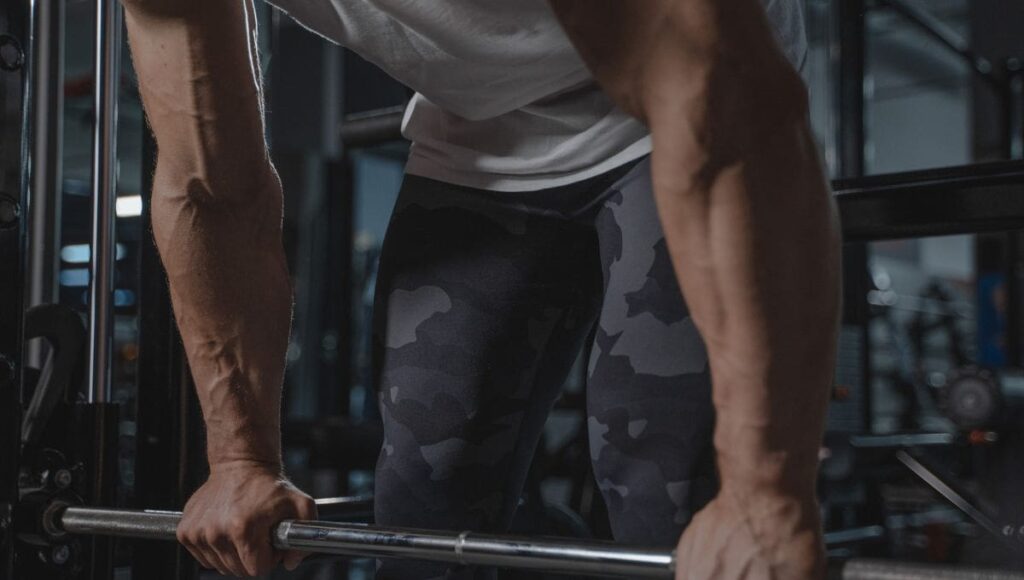
The biceps, brachialis, and brachioradialis flex the elbow, while the triceps extend it. Many athletes unintentionally emphasize the flexors because curling movements are more common. However, research shows that imbalances in the elbow flexor-extensor ratio increase the risk of medial elbow stress, triceps tendinopathy, and bicipital irritation.
To achieve muscle balance:
– Train biceps and triceps with similar weekly volume.
– Include a variety of movement angles (supinated, neutral, and pronated grips).
– Pair exercises, such as curls with extensions or rows with dips.
Balanced strength improves joint centration, reduces abnormal torque on the elbow, and supports long-term durability.
Target the Often-Neglected Forearms
Forearm strength plays a vital role in reducing arm injuries. Research consistently shows a relationship between grip strength and lower injury risk. Weak forearm flexors and extensors increase strain on the elbow tendons, contributing to common overuse conditions like lateral epicondylitis (tennis elbow).
Simple and effective forearm-conditioning strategies include:
– Wrist curls and reverse wrist curls.
– Farmer’s carries with dumbbells or kettlebells.
– Hammer curls and reverse curls.
– Short, frequent forearm sessions two to three times per week.
Better forearm strength improves grip, stabilizes the wrist, and reduces strain that might otherwise travel into the elbow.
Strengthen the Rotator Cuff for Better Arm Mechanics
The rotator cuff stabilizes the shoulder joint, which acts as the foundation for every arm movement. Weakness or dysfunction in this area alters the mechanics of pressing, pulling, and overhead movements. Research indicates that rotator cuff deficits significantly increase stress on the elbows and wrists.
Key rotator cuff exercises include:
– External rotations using bands or cables.
– Scapular retraction drills.
– Low-load, high-repetition protocols (15–20 reps) to build endurance.
A more stable shoulder means smoother force transfer throughout the arm and a lower likelihood of overload injuries.
Tip 3: Use Progressive Overload Without Overtraining
Progressive overload is essential for strength and muscular development, but too much too soon is a leading cause of arm injuries. Tendons adapt more slowly than muscles, so rapid increases in weight, volume, or frequency can exceed their capacity.
Increase Load Gradually to Allow Tissue Adaptation
Sports science research demonstrates that injury risk correlates strongly with how quickly training load increases. Even a well-conditioned tendon can become irritated if volume or intensity jumps suddenly.
Guidelines for smart progression:
– Increase weight by no more than 5–10 percent per week.
– Add sets gradually rather than all at once.
– Avoid making large jumps in weekly training volume.
– Reduce or adjust training load if soreness persists beyond 48 hours.
Gradual increases give your connective tissues time to remodel and strengthen.
Structure Recovery to Support Tendon Remodeling
Tendons require significant recovery time following heavy loading. Research shows that collagen synthesis and realignment improve when tendons are given 24–72 hours between demanding sessions. High-intensity, high-frequency training does not allow adequate remodeling and often leads to chronic irritation.
A practical weekly structure:
– Train arms two or three times per week.
– Separate intense arm sessions by at least 48 hours.
– Use lower-intensity recovery work on in-between days, such as light band movements or mobility drills.
This recovery spacing strengthens tendons without sacrificing training consistency.
Recognize Early Warning Signs of Overuse
Understanding the early warning signs of tendon overload is one of the easiest ways to prevent more serious injuries. Research on tendinopathy identifies several consistent symptoms:
– Stiffness during warm-ups that gradually improves.
– Pain that reduces during training but returns later in the day.
– A “pinching” or burning sensation near the elbow.
– Reduced grip strength.
Addressing these signs early—by reducing load slightly or adding rest—prevents long-term degeneration.
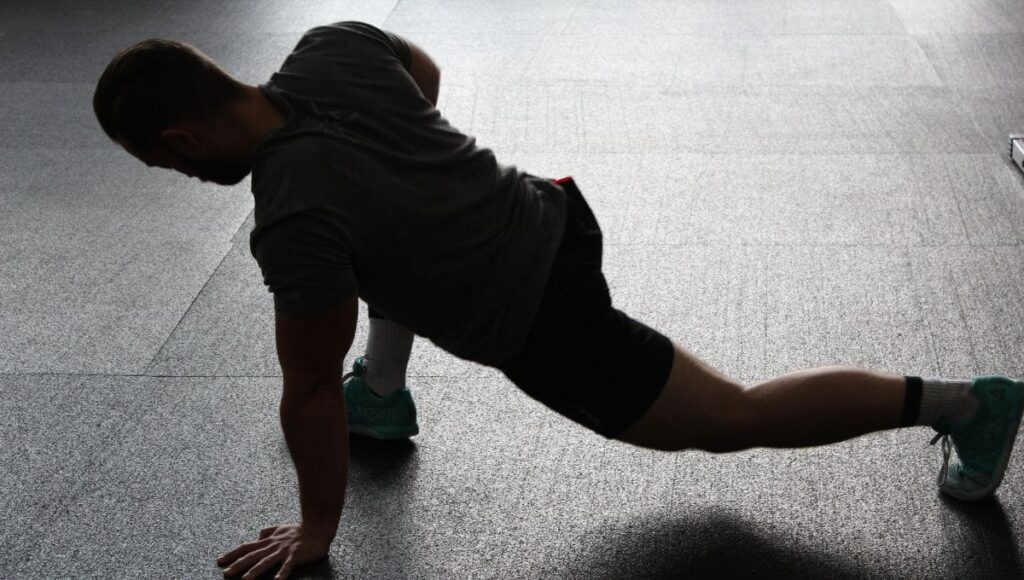
Tip 4: Improve Mobility and Flexibility to Reduce Joint Stress
While strength is essential, mobility and flexibility play equally important roles in protecting the arms. Limited mobility in the wrist, elbow, or shoulder forces the body to compensate during movement. Compensation patterns create abnormal loading, increasing the likelihood of injury over time.
Stretch the Forearm Flexors and Extensors
Tight forearm tissues increase tension on the elbow tendons, contributing to conditions like tennis elbow and golfer’s elbow. Scientific research demonstrates that stretching reduces muscle stiffness, improves range of motion, and decreases overall tendon stress.
Effective stretches include:
– Wrist flexor stretch: straighten your arm, extend the wrist, and gently pull your palm back.
– Wrist extensor stretch: rotate your palm inward, extend the wrist, and gently pull downward.
Hold each stretch for 20–30 seconds and repeat consistently.
Improve Shoulder Mobility for Better Movement Mechanics
Shoulder mobility plays a major role in the mechanics of pressing, pulling, and overhead lifting. Research shows that limited shoulder rotation increases torque at the elbow and shifts excess load to the biceps and triceps.
To improve shoulder mobility, practice:
– Shoulder controlled articular rotations (CARs).
– Sleeper stretches for internal rotation.
– Pec stretches to counteract tightness and forward shoulder posture.
– Light banded shoulder warm-ups.
Greater shoulder freedom reduces unnecessary stress transferred to the elbow and wrist.
Use Dynamic Warm-Ups Before Arm Training
Warm-ups are essential for reducing injury risk. Studies demonstrate that dynamic warm-ups improve neuromuscular activation, increase circulation to connective tissues, and enhance force output while lowering injury risk.
A simple pre-session warm-up might include:
– Light banded curls and extensions.
– Band pull-aparts.
– Wrist circles.
– Easy rows or modified push-ups.
Five to eight minutes is enough to prepare the arms for heavier loading.
Tip 5: Strengthen the Entire Kinetic Chain
Arm movements do not happen in isolation. The shoulders, upper back, core, and even the legs play integral roles in how force is produced and transferred. Weakness elsewhere in the kinetic chain often increases stress on the arms, leading to avoidable injuries.
Strengthen the Upper Back to Stabilize the Shoulders
The upper back stabilizes the shoulder blades, which serve as the foundation for effective pressing and pulling. If the upper back is weak, the shoulders shift into less stable positions, placing extra strain on the elbows and biceps. Research confirms that strong scapular stabilizers reduce elbow stress by improving movement patterns and alignment.
Exercises to build upper back strength include:
– Face pulls.
– Rear delt raises.
– Scapular pull-ups.
– Row variations.
Stronger scapular muscles keep the shoulder joint properly aligned during both heavy and repetitive arm movements.
Train the Core to Improve Force Transfer
A stable core acts as a strong anchor for the arms. When the core is weak, athletes compensate by overusing the arms to stabilize loads. Research shows that poor core endurance and stability correlate with increased upper-extremity injuries.
Effective core exercises include:
– Planks.
– Bear holds.
– Pallof presses.
– Dead bug variations.
– Anti-rotation drills.
By improving the trunk’s ability to resist unwanted movement, you reduce the amount of secondary stress placed on the arms.
Make Grip Training a Regular Part of Your Routine
Grip strength reflects the overall integrity of the upper limb and is closely associated with injury resilience. Strong grip muscles support the wrist and reduce strain transferred to the elbow and shoulder.
Simple grip-development tools include:
– Farmer’s carries.
– Dead hangs.
– Towel or thick-bar pull-ups.
– Plate pinches.
Grip strength also enhances performance in rowing, pulling, and carrying movements, making it one of the highest-value additions to arm training.
Don’t Neglect Lower-Body Strength
Although the connection might seem indirect, strong legs protect the arms by providing a stable base and generating force efficiently during athletic movements. Research on lower-body power and kinetic-chain coordination shows that developing leg and hip strength improves overall load distribution. When the legs contribute properly, the arms do not absorb unnecessary force during explosive or compound movements.
Useful lower-body strength builders include:
– Squats.
– Lunges.
– Deadlifts.
– Step-ups.
– Hip hinge patterns.
Building strength throughout the entire body creates a solid structural foundation for the arms, reducing injury risk significantly.
Conclusion
Strengthening your arms against injury is not about training as hard as possible or chasing maximum weight every session. It’s about training smart, building balanced strength, conditioning the tendons, improving joint mobility, and supporting your arms through the entire kinetic chain. By integrating slow eccentrics, isometrics, balanced flexor-extensor work, careful load progression, mobility training, and whole-body strengthening into your program, you can create durable arms that remain powerful and injury-resistant over a lifetime of training.
The science is clear: resilient arms come from strategic, consistent work that develops both muscles and connective tissues while supporting them with balanced movement patterns. Use the five evidence-based strategies in this article to train smarter, stay healthier, and continue progressing without setbacks.