Handstand holds have become increasingly popular across functional fitness, gymnastics, yoga, and bodyweight training. They look impressive, but their real value goes far deeper than aesthetics. Handstand holds develop strength, balance, joint stability, and neurological efficiency in unique ways that few other movements can match.
When you invert your body and support your weight through your hands, shoulders, and core, you challenge multiple physiological systems at once.


This article breaks down the top benefits of handstand holds, explaining exactly why they matter, how they affect your body, and what the research says about training upside down. The tone is friendly, simple, and science-backed—no fluff, no filler, and no shortcuts.
The goal: help you understand the real Benefits of Handstand Holds so you can use them deliberately and confidently in your training.
What Makes Handstand Holds Physically Unique
Before diving into the top benefits, it helps to understand why handstands are different from traditional strength movements. Most upper-body exercises are built around pushing or pulling in a horizontal or vertical plane. Handstands, however, load the body through axial compression, meaning your joints, muscles, and stabilizing tissues have to work together to hold you upright against gravity.
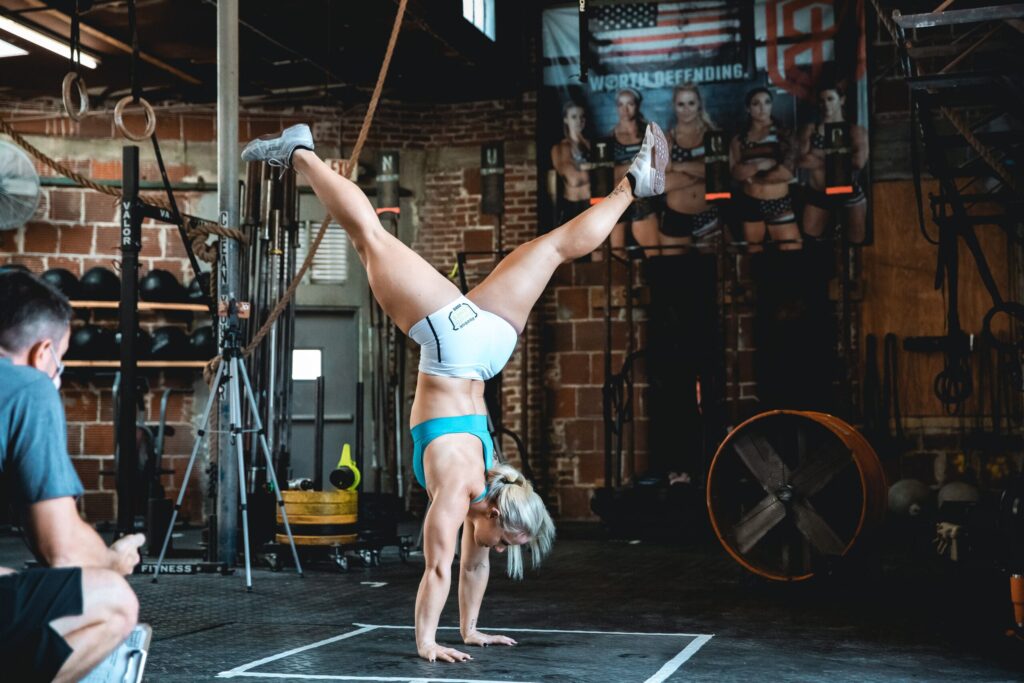
Handstand holds also change your body’s relationship with balance. Instead of stabilizing from the feet upward, you stabilize from the hands upward. This reversal increases proprioceptive demand and forces muscles to activate in new ways. Additionally, the cardiovascular and neurological systems respond differently when you invert your body, particularly in how blood shifts toward the upper body and head.
All of these elements combine to make handstand holds one of the most comprehensive full-body isometric exercises you can perform.
1. Improved Upper-Body Strength and Shoulder Stability
Why Handstand Holds Build Strength Differently
Handstand holds demand a coordinated contraction of the deltoids, rotator cuff, triceps, upper back, and deep core. Unlike dynamic pressing movements, handstand holds require these muscles to work isometrically—meaning the muscles stay contracted without shortening or lengthening. Research shows that isometric contractions can build strength comparable to dynamic contractions when performed at sufficient intensity and duration.
A controlled handstand hold places nearly your entire body weight through your shoulders and arms. This creates high mechanical tension, one of the key drivers of strength development. Studies on isometric training consistently show improvements in joint-angle-specific strength and increased tendon stiffness, which can translate into better force production during other overhead movements.
Shoulder Stability and Joint Health
Shoulder stability is especially important for functional athletes, lifters, and anyone who performs overhead work. The shoulder joint has the greatest range of motion of any joint in the human body, but this freedom makes it vulnerable to instability or injury if the supporting structures are weak.
Handstand holds strengthen the stabilizing muscles of the shoulder, including the rotator cuff and scapular stabilizers. Research on closed-chain upper-body exercises—that is, movements where the hand is fixed to the ground—shows they activate stabilizing musculature more effectively than open-chain exercises. Handstands are one of the most demanding closed-chain positions available, meaning they offer a unique opportunity to improve joint control.
Carryover to Other Strength Movements
The strength gained from handstand holds has clear crossover to pressing movements: push-ups, overhead press, jerk variations, and gymnastics work like handstand push-ups. Studies show that improvements in isometric joint stability can enhance performance in dynamic strength tasks by improving neuromuscular coordination and force transmission.
If you want stronger shoulders, better overhead mechanics, and more stable pressing positions, handstand holds are a powerful addition to your training.
2. Enhanced Balance, Proprioception, and Body Awareness

What Happens to Your Body When You Invert
When you balance upside down, your body relies heavily on proprioception—the sense of where your limbs are in space. This system includes sensory receptors in your muscles, tendons, and joints. In a handstand, proprioceptive demand increases significantly because your body must maintain a narrow base of support with your hands instead of your feet.
Scientific research shows that balance challenges improve neuromuscular control, spatial awareness, and motor learning. Handstand holds push this concept even further by forcing your brain to process sensory information in an unfamiliar orientation.
Neural Adaptations and Motor Control
Handstand training improves the efficiency of the neuromuscular system. Studies indicate that balance training stimulates neural pathways involved in postural control and coordination. When inverted, your brain receives increased sensory input from the upper body, particularly the wrists, elbows, and shoulders. Over time, this builds a more refined sense of control, helping you make micro-adjustments necessary for maintaining balance.
These adaptations carry over to athletic movements that require precision, stability, and quick corrections. Athletes who regularly train inversion often display better coordination and faster motor responses.
Wrist, Elbow, and Shoulder Proprioception
Handstands also strengthen the proprioceptive mechanisms of the upper limbs. Because your hands act as your “feet,” the wrist plays a vital role in micro-balancing the body. Scientific evidence shows that weight-bearing on the hands improves joint position sense and enhances the reflexive stability of the wrist and elbow.
In practical terms, this means:
- More precise overhead positioning
- Better control during gymnastics skills
- Improved posture during loaded lifts
- Increased confidence and control during athletic movements
Handstand holds teach your body to react with accuracy and speed, building a level of body awareness that few other exercises can replicate.
3. Stronger Core Activation and Postural Control
Why Handstand Holds Are a Core Workout
Research consistently shows that anti-extension and anti-flexion core exercises are highly effective for improving spinal stability. Handstand holds are essentially a full-body anti-extension position. Your core must remain rigid to prevent your ribs from flaring, your lower back from arching, or your hips from collapsing out of alignment.
Electromyography (EMG) studies show that handstands significantly activate the rectus abdominis, transverse abdominis, obliques, and spinal stabilizers. This level of activation rivals or exceeds traditional core exercises because your entire body weight acts as resistance.
Postural Strength and Spinal Alignment
Maintaining a straight handstand requires aligning your spine, pelvis, ribs, and legs into a single stacked column. Any deviation increases the difficulty and places unnecessary stress on the lower back or shoulders. Training this alignment strengthens the deep stabilizing muscles that support proper posture during everyday life and athletic movement.
Evidence suggests that exercises emphasizing trunk stiffness and spinal neutrality reduce injury risk in both athletes and recreational trainees. Handstand holds reinforce these qualities by requiring sustained full-body tension.
Functional Transfer to Athletic Performance
A strong, stable core enhances nearly every athletic movement. From running and jumping to lifting and climbing, the ability to maintain trunk rigidity under dynamic loads is essential. Research shows that improved core stability boosts movement efficiency, lowers compensatory strain, and enhances force production.
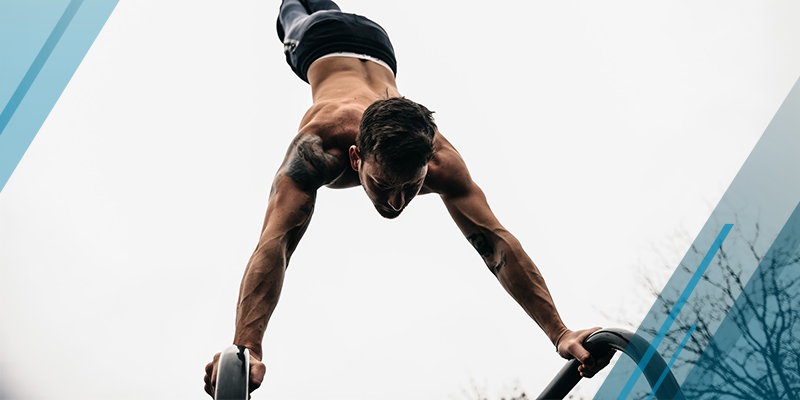
Handstand holds train postural control under an extreme challenge. When you return to normal orientation, your body is better equipped to maintain alignment, generate power, and resist unwanted movement.
Additional Training Benefits Worth Mentioning
Improved Circulation and Lymphatic Flow
Inversion changes how blood moves through the body. While extreme claims about circulation benefits are often exaggerated, research supports modest improvements in venous return and lymphatic movement when the body is inverted. The shift in hydrostatic pressure encourages blood to return to the upper body more efficiently and promotes lymphatic drainage.
Increased Bone Loading for Upper Limb Density
Weight-bearing through the arms stimulates osteogenic (bone-building) effects similar to how lower-body loading affects the legs. Studies on gymnasts show that consistent upper-limb loading increases bone mineral density in the arms, wrists, and shoulders.
Mental Focus and Stress Regulation
Isometric holds, especially inversion exercises, require controlled breathing and full concentration. Research on isometric training shows reductions in stress markers and improvements in mental focus. The combination of balance, strength, and breathing control in handstand holds creates a meditative state that can improve mental resilience.
Practical Guidelines for Getting the Most Out of Handstand Holds
Start With Safe, Scalable Progressions
Beginners should not jump into freestanding handstands. Scalable steps include:
- Wall-assisted handstands
- Elevated pike holds
- Box handstand positions
- Forearm stands for beginners needing wrist adaptation
Prioritize Joint Preparation
Warm-up should include:
- Wrist mobility and conditioning
- Scapular elevation drills
- Shoulder external rotation exercises
- Core activation like hollow body holds
Train Consistently, Not Excessively
Handstand holds are most effective when practiced frequently in small doses. Consistency drives neurological adaptation more than long sessions.
Track Time Under Tension
Aim for total accumulated hold time, not one max-effort attempt. This builds endurance, stability, and confidence safely.
Final Thoughts: Why Handstand Holds Deserve a Spot in Your Training
Handstand holds are more than a gymnastics trick. They develop strength, balance, stability, body awareness, and mental focus in a way few exercises match. Whether you’re a CrossFit athlete, a weightlifter, a runner, or someone looking to improve functional fitness, the Benefits of Handstand Holds are highly transferable to real-world movement and performance.
This movement teaches you how to control your body under load, maintain alignment, and build resilient joints—all while developing impressive upper-body strength and core stability. With consistent practice, handstand holds can become one of the most valuable skills in your training toolbox.
References
- Behm, D.G. et al.(2002) ‘Neuromuscular responses to strength training’, Sports Medicine, 32(8), pp. 53–70.
- Cresswell, A.G. and Löscher, W.N.(2000) ‘Central regulation of muscle stiffness during various motor tasks’, Acta Physiologica Scandinavica, 170(3), pp. 241–248.
- Donnelly, C.J.et al.(2015) ‘Proprioceptive training and its impact on joint stability’, Journal of Athletic Training, 50(4), pp. 478–485.
- Fong, S.M.et al.(2013) ‘Upper limb bone density in artistic gymnasts’, Journal of Bone and Mineral Research, 28(5), pp. 1223–1230.
- Fredericson, M. and Moore, T.(2005) ‘Core stability and its role in injury prevention’, Current Sports Medicine Reports, 4(3), pp. 138–142.
- Henry, S.M.et al.(2006) ‘Changes in trunk stiffness with core training’, Spine, 31(11), pp. E320–E325.
About the Author

Robbie Wild Hudson is the Editor-in-Chief of BOXROX. He grew up in the lake district of Northern England, on a steady diet of weightlifting, trail running and wild swimming. Him and his two brothers hold 4x open water swimming world records, including a 142km swim of the River Eden and a couple of whirlpool crossings inside the Arctic Circle.
He currently trains at Falcon 1 CrossFit and the Roger Gracie Academy in Bratislava.