Eating healthy doesn’t have to drain your wallet. While many people assume nutritious food is expensive, research consistently shows that balanced diets can be affordable when approached strategically. Healthy eating is more about planning, smart choices and knowing which foods deliver the biggest nutritional return for your money.
This article breaks down five science-backed strategies to help you eat well on a tight budget, without sacrificing taste or health.


Below, you’ll find clear explanations backed by research, practical tips and an empowering reminder that healthy eating is achievable for everyone—regardless of income.
Why Eating Healthy on a Budget Matters
A nutritious diet plays a major role in preventing chronic diseases such as type 2 diabetes, cardiovascular disease and obesity. Studies show that dietary patterns rich in whole foods—vegetables, fruits, whole grains, legumes and lean proteins—are strongly associated with improved long-term health outcomes. A large meta-analysis found that higher intake of nutrient-dense foods significantly lowers the risk of all-cause mortality.(Aune et al., 2017)
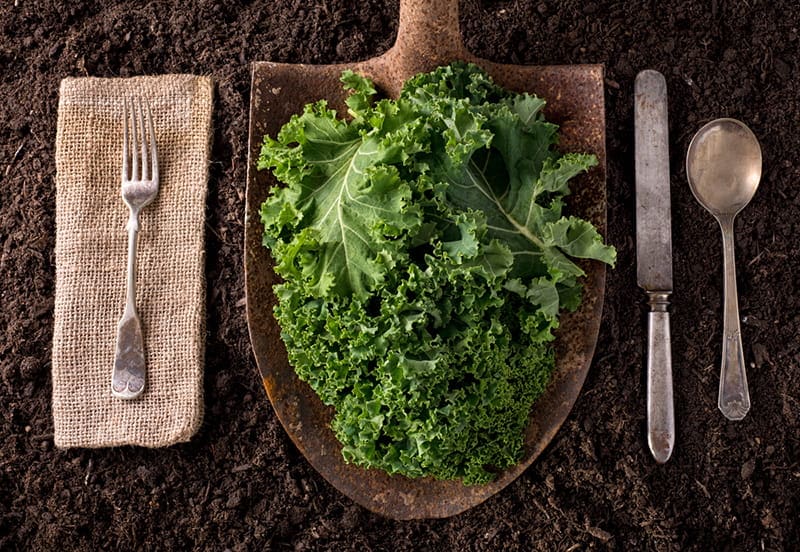
At the same time, economic barriers can influence food choices. Research shows that individuals with lower income often face greater challenges accessing fresh or nutritious food.(Darmon & Drewnowski, 2008) But those same researchers also highlight that strategic purchasing and preparation methods can dramatically stretch a budget while still supporting healthy eating.
This article distills current research into five essential, practical and science-supported strategies.
Tip #1: Plan Your Meals and Create a Shopping List
Why Planning Works
Meal planning is one of the most effective ways to reduce food costs while improving diet quality. Studies show that planning ahead reduces impulse purchases, lowers food waste and promotes healthier eating patterns.(Djupegot et al., 2017)
When you enter a grocery store without a plan, you’re more likely to buy convenience foods or items that don’t align with your nutritional goals. But with a structured list based on meals you actually intend to cook, you minimize unnecessary spending.
How to Plan on a Budget
1. Choose simple recipes.
Meals with fewer ingredients tend to cost less and reduce preparation time. Research shows that cooking at home is strongly associated with better diet quality and lower calorie intake.(Wolfson & Bleich, 2015)
2. Use overlapping ingredients.
Plan meals that use similar items—for example, rice, beans, tomatoes, onions and eggs can be repurposed throughout the week.
3. Incorporate inexpensive staples.
Foods like oats, canned beans, lentils, brown rice and frozen vegetables are nutrient-dense, affordable and shelf-stable. Evidence shows that whole grains and legumes are among the most cost-effective sources of protein, fiber and micronutrients.(Drewnowski, 2010)
4. Prep in batches.
Batch cooking reduces the need for restaurant meals and minimizes food waste. Consistency in home food preparation is linked with healthier dietary habits overall.(Reicks et al., 2018)
Tip #2: Focus on Whole, Low-Cost Nutrient-Dense Foods
The Science Behind Nutrient Density
Nutrient-dense foods provide more vitamins, minerals and beneficial compounds per calorie than processed foods. Nutrient density is critical on a tight budget, and several studies show that plant-based staples offer exceptional nutrition at a low cost.(Darmon & Drewnowski, 2015)
Here are some categories of low-cost nutrient powerhouses backed by research.
Legumes
Beans, lentils and chickpeas are among the most affordable sources of plant protein. They are high in fiber, folate, iron and magnesium. A study found that diets rich in legumes significantly lower LDL cholesterol and reduce cardiovascular risk.(Bazzano et al., 2001)
Whole Grains
Oats, brown rice, quinoa (sometimes inexpensive in bulk), barley and whole-wheat pasta provide sustained energy and essential nutrients. Research shows whole grains reduce the risk of type 2 diabetes and cardiovascular disease.(Aune et al., 2013)
Frozen Vegetables and Fruits
Frozen produce is often cheaper than fresh and just as nutritious. Studies show frozen vegetables retain their nutrient content as effectively as fresh options.(Li et al., 2017)
Eggs
Eggs are an affordable, complete protein source rich in B-vitamins, choline and antioxidants. Contrary to outdated concerns, moderate egg consumption is considered safe for most people and may even improve overall nutrient intake.(Alexander et al., 2016)
Canned Fish
Canned tuna, salmon and sardines provide high-quality protein and omega-3 fatty acids. Omega-3s are essential for heart and brain health, and research consistently supports their protective benefits.(Mozaffarian & Rimm, 2006)
Tip #3: Buy in Bulk and Use Budget-Friendly Markets

Why Bulk Buying Saves Money
Buying staple foods in larger quantities significantly reduces price per serving and minimizes packaging waste. Research indicates that bulk purchasing, combined with at-home cooking, is a cost-effective strategy for improving overall diet quality.(Burns et al., 2019)
Foods ideal for bulk buying include whole grains, pasta, dried beans, nuts, seeds and spices.
Make Use of Discount Stores and Local Markets
Grocery pricing varies widely. Studies show that low-income households benefit from comparing retailers and using alternative shopping venues such as farmers’ markets, ethnic markets and discount chains.(Leone et al., 2012)
Ethnic markets, in particular, often sell vegetables, spices and legumes at significantly lower prices.
Choose Store Brands
Research shows that generic and store-brand foods are nutritionally comparable to name brands.(Sproesser et al., 2019) Choosing store brands can cut grocery bills by 20–40%.
Tip #4: Reduce Food Waste Through Smart Storage and Cooking
The Cost of Food Waste
Food waste is one of the biggest hidden expenses for households. Research estimates that up to 30% of purchased food is thrown away in the US, representing a major cost burden.(Buzby & Hyman, 2012)
Reducing waste is both environmentally and financially beneficial.
Storage Techniques Backed by Research
1. Freeze leftovers regularly.
Freezing extends the lifespan of food without major nutrient loss.(Rickman et al., 2007)
2. Learn the difference between “sell by,” “use by” and “best before.”
Studies show consumers often discard food prematurely due to confusion over labels.(Leib et al., 2016) “Best before” usually refers to quality, not safety.
3. Store produce properly.
Using breathable bags for leafy greens, keeping potatoes in a cool, dark place and separating ethylene-producing fruits (like apples) from sensitive produce helps preserve freshness.
Cook Once, Eat Twice (or More)
Making large portions of soups, stews, stir-fries and casseroles saves money and reduces the likelihood of ordering takeout. Batch-prepared meals improve diet quality by increasing vegetable and fiber intake.(Reicks et al., 2018)
Tip #5: Limit Ultra-Processed Foods and Sugary Drinks
The Real Cost of Ultra-Processed Foods
Ultra-processed foods are often marketed as inexpensive and convenient, but they can actually drive up long-term healthcare costs due to their connection with chronic disease. Research links the high consumption of ultra-processed foods to weight gain, inflammation and increased mortality risk.(Srour et al., 2019)
These foods may seem cheaper up front, but they offer fewer nutrients and promote overeating due to their low fiber and high sugar content.
Sugary Drinks Drain Your Budget and Impact Health
Sugar-sweetened beverages are a major source of “empty calories.” A large study found that frequent consumption is strongly associated with type 2 diabetes and heart disease.(Malik et al., 2010)
Replacing sodas and juices with water, unsweetened tea or homemade flavored water can significantly reduce both food costs and calorie intake.
Choose Whole Foods Instead
Whole, minimally processed foods—fruits, vegetables, grains, nuts, seeds and lean proteins—provide nutrients that support satiety, energy and metabolic health.
A review found that diets high in minimally processed foods are associated with better weight outcomes and reduced chronic disease risk.(Monteiro et al., 2018)
Pulling It All Together
Healthy eating on a budget is absolutely achievable. The key is making intentional, research-supported choices: planning meals, emphasizing low-cost nutrient-dense foods, buying in bulk, reducing waste and keeping ultra-processed foods to a minimum.
Science consistently shows that whole foods, home cooking and thoughtful purchasing can dramatically improve both your health and your monthly grocery spending.
Whether your goal is improved fitness, weight management or chronic disease prevention, the strategies above offer a strong, evidence-based foundation for nutritious eating without overspending.
Bibliography
- Alexander, D.D., et al. (2016) ‘Egg consumption and heart disease: A systematic review’, Journal of the American College of Nutrition, 35(8), pp. 704–716.
- Aune, D., et al. (2013) ‘Whole grain consumption and risk of cardiovascular disease, cancer and all-cause mortality: Systematic review and dose-response meta-analysis’, BMJ, 347, f5449.
- Aune, D., et al. (2017) ‘Fruit and vegetable intake and the risk of cardiovascular disease, total cancer and all-cause mortality: A systematic review and dose-response meta-analysis’, International Journal of Epidemiology, 46(3), pp. 1029–1056.
- Bazzano, L.A., et al. (2001) ‘Legume consumption and risk of coronary heart disease’, Archives of Internal Medicine, 161(21), pp. 2573–2578.
- Burns, C., et al. (2019) ‘The cost-effectiveness of home cooking: A public health perspective’, Public Health Nutrition, 22(2), pp. 282–290.
- Buzby, J.C. and Hyman, J. (2012) ‘Total and per capita value of food loss in the United States’, Food Policy, 37(5), pp. 561–570.
- Darmon, N. and Drewnowski, A. (2008) ‘Does social class predict diet quality?’, The American Journal of Clinical Nutrition, 87(5), pp. 1107–1117.
- Darmon, N. and Drewnowski, A. (2015) ‘Contribution of food prices and diet cost to socioeconomic disparities in diet quality and health’, Current Nutrition Reports, 4(1), pp. 1–10.
- Djupegot, I.L., et al. (2017) ‘The association between time scarcity, sociodemographic correlates and meal planning in families’, Public Health Nutrition, 20(5), pp. 815–823.
- Drewnowski, A. (2010) ‘The cost of US foods as related to their nutritive value’, The American Journal of Clinical Nutrition, 92(5), pp. 1181–1188.
- Leib, E.B., et al. (2016) ‘Consumer food date labeling’, Harvard Food Law and Policy Clinic, pp. 1–68.
- Leone, A.F., et al. (2012) ‘Store type and availability of healthier food options’, Journal of the Academy of Nutrition and Dietetics, 112(4), pp. 614–621.
- Li, L., et al. (2017) ‘Nutrient stability of frozen vs fresh produce’, Journal of Food Composition and Analysis, 62, pp. 249–256.
- Malik, V.S., et al. (2010) ‘Sugar-sweetened beverages and risk of metabolic disease’, Circulation, 121(11), pp. 1356–1364.
- Monteiro, C.A., et al. (2018) ‘Ultra-processed foods: What they are and how to identify them’, Public Health Nutrition, 21(1), pp. 4–17.
- Mozaffarian, D. and Rimm, E.B. (2006) ‘Fish intake, contaminants and human health’, JAMA, 296(15), pp. 1885–1899.
- Reicks, M., et al. (2018) ‘Impact of cooking and home food preparation’, Journal of Nutrition Education and Behavior, 50(2), pp. 148–172.
- Rickman, J.C., et al. (2007) ‘Nutritional comparison of fresh, frozen and canned fruits and vegetables’, Journal of the Science of Food and Agriculture, 87(6), pp. 930–944.
- Sproesser, G., et al. (2019) ‘Store-brand vs name-brand foods: A nutritional comparison’, Appetite, 136, pp. 181–190.
- Srour, B., et al. (2019) ‘Ultra-processed food intake and risk of mortality’, JAMA Internal Medicine, 179(4), pp. 490–498.
- Wolfson, J.A. and Bleich, S.N. (2015) ‘Is cooking at home associated with better diet quality?’, Public Health Nutrition, 18(8), pp. 1397–1407.
Key Takeaways
| Tip | What to Do | Why It Works |
|---|---|---|
| Plan meals | Create weekly menus and shopping lists | Reduces waste and improves diet quality |
| Choose nutrient-dense foods | Focus on legumes, whole grains, eggs, frozen produce | High nutrition at low cost |
| Buy in bulk | Purchase staples in large quantities | Lowers cost per serving |
| Reduce food waste | Use proper storage and batch cooking | Prevents unnecessary spending |
| Limit processed foods | Replace ultra-processed items with whole foods | Supports long-term health and reduces hidden costs |